Western Kansas Plains Hunting Country
Hunting in the vast, open expanses of Western Kansas can feel like an entirely different world than the timbered hills most hunters picture. The sheer scale and apparent flatness of the plains can be incredibly intimidating, leaving many wondering where to even begin. This comprehensive guide will peel back the layers of this unique landscape, helping you understand its hidden nuances, the abundant game it holds, and the specialized tactics required to find success in what is truly a hunter's paradise.
The Unique Landscape of Western Kansas
When you first drive through Western Kansas, the immediate impression is often one of unending horizons and boundless agricultural fields. It's a landscape that, at first glance, might seem devoid of cover or classic "hunting spots." However, beneath this broad, sweeping exterior lies a complex tapestry of subtle features that are absolutely critical for understanding how game animals survive and thrive here. It demands a different kind of perception, one that focuses on the minute details rather than grand, obvious features.
More Than Just Flat Farmland
It's easy to dismiss Western Kansas as merely "flat," but that's a superficial assessment. While you won't find towering mountains or deep river gorges like in some other hunting destinations, the terrain is far from uniform. Hunters who succeed here learn to read the slight undulations, the gentle slopes, and the barely perceptible breaks in the land. These features, though minor, create crucial thermal currents and offer protection from the relentless prairie winds, funneling deer and providing vital cover for upland birds.
Think about a small, winding dry creek bed cutting through a vast wheat stubble field. To the untrained eye, it might look like nothing more than a ditch. But to a seasoned plains hunter, this is a linear oasis of cover, often lined with sparse brush or even a few small trees, providing a travel corridor for a big buck or a hiding spot for a pheasant covey. Likewise, shelterbelts – those lines of trees planted by farmers for windbreaks – become magnets for wildlife, offering everything from bedding areas to ambush points. These subtle elements, combined with CRP (Conservation Reserve Program) fields and varied crop rotations, form the backbone of the ecosystem. It's about finding the little folds and edges in a seemingly flat canvas.
A Climate of Extremes
The weather in Western Kansas isn't just a variable; it's a defining character of the land and its inhabitants. This region is known for its wide swings and intense conditions, which significantly influence everything from plant growth to animal behavior. Prepare for anything, because the plains rarely offer a "mild" day for long.
Summers can be brutally hot and dry, turning grasslands crisp and making water sources precious. This intense heat dictates early morning and late evening movement patterns for deer, and often pushes them to seek the shade of the deepest draws or thickest shelterbelts during midday. Conversely, winters can usher in bitter cold, heavy snow, and howling winds that scour the landscape. Animals must adapt by seeking dense thermal cover and relying on stored fat reserves. Wind, in particular, is an almost constant companion, often blowing hard enough to challenge your balance and your patience. These high winds force deer to use protected leeward sides of ridges and thickets. Sudden storms, whether blizzards or intense thunderstorms, can roll in quickly, demanding a hunter be prepared for rapid changes in conditions. Understanding these extremes is key to predicting game movement and staying safe and comfortable afield. For example, a crisp autumn morning after a cold front might get deer moving significantly more, especially towards prime food sources that provide energy. Cold Front Movement in December
Game Species Thriving in the Western Plains
Western Kansas, with its diverse agricultural mosaic, native grasslands, and limited timber, provides excellent habitat for a surprising array of game species. From the iconic deer that roam the river bottoms and crop fields to the abundant upland birds flushing from CRP, this region offers truly world-class hunting opportunities for those willing to learn its secrets.
The Elusive Mule Deer
For many hunters, the opportunity to pursue a wild mule deer is a bucket-list experience, and Western Kansas offers a legitimate chance to do just that. While their numbers are not as high as whitetails, mule deer are a distinct and highly sought-after prize in the westernmost counties. Their large ears, characteristic bounding gait, and impressive, bifurcated antlers set them apart, and hunting them requires a different approach than their whitetail cousins. Mule Deer in Western Kansas
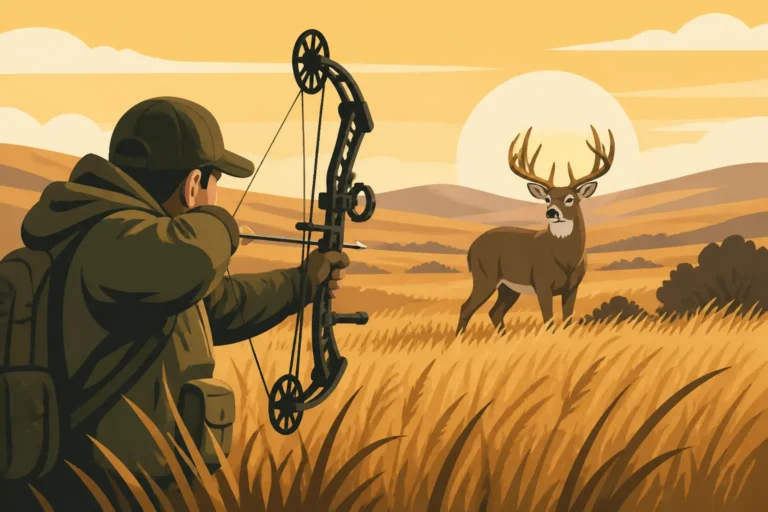
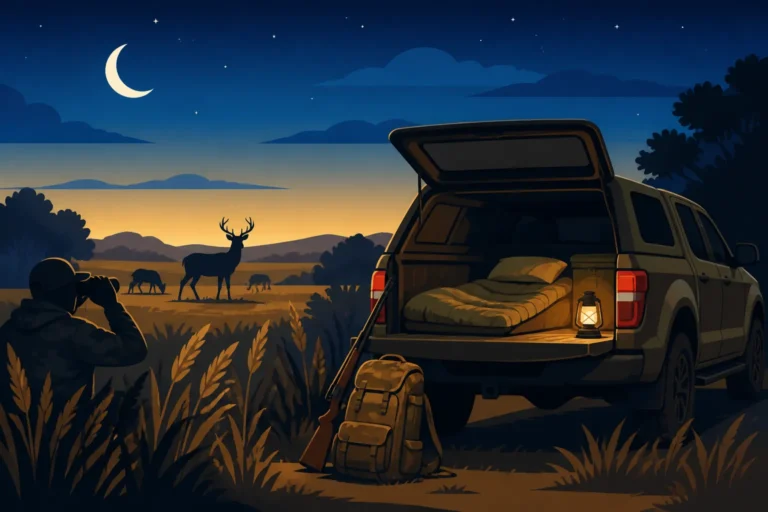
Mule deer in Kansas typically prefer the rougher, more broken country found along major river systems like the Republican, the Smoky Hill, and the Cimarron Grassland. They're often found in areas with sparse cedar breaks, large tracts of native rangeland, and the occasional rocky outcrop. These deer are masters of using the vast, open spaces to their advantage, often bedding in plain sight on a distant hillside, relying on their keen eyesight to spot danger long before it gets close. Spot-and-stalk is the classic and most effective method for mule deer here, demanding patience, excellent optics, and the ability to cover significant ground quietly and strategically. Success often hinges on finding the right habitat and then executing a flawless stalk in challenging, wind-swept conditions.
Hard-Fighting Whitetails of the Western Croplands
While mule deer capture a certain mystique, it's the whitetail deer that truly dominates the deer hunting scene across most of Kansas, including its western reaches. Don't let the "plains" moniker fool you; these are not small, scrubby deer. Thanks to the incredibly fertile agricultural landscape – endless fields of corn, milo, and wheat – Western Kansas whitetails often grow to impressive body and antler size. They thrive on the abundant nutrition provided by farming operations, turning carbohydrates into incredible bone growth. Kansas Whitetail Deer and Why They Grow Big
These western whitetails are incredibly adaptable. Unlike their timber-dwelling counterparts in the east, they've learned to use every scrap of cover available. River bottoms, even narrow ones, become critical linear habitats, as do the lines of trees planted as shelterbelts around farmsteads. Deep, brushy creek draws offer bedding and travel corridors, connecting isolated pockets of cover across otherwise open country. Hunting them often involves identifying these linear features and pinch points, much like Hunting Terrain Funnels in Flat Country. A deer pushing through a small shelterbelt on a cold morning, making its way from a remote bedding area to a standing milo field, is a classic Western Kansas whitetail scenario. They might travel much further in the open than deer in dense forests, making their movements predictable if you can identify their preferred travel routes and sanctuary areas.
Upland Bird Paradise: Pheasants and Quail
If deer hunting is a passion, then upland bird hunting in Western Kansas is an addiction for many. The region is renowned nationwide as a premier destination for ring-necked pheasants and bobwhite quail, offering fast-paced, action-packed hunting that's both challenging and incredibly rewarding. The habitat here is perfectly suited for these birds, making it a dream for dog owners and walk-up hunters alike.
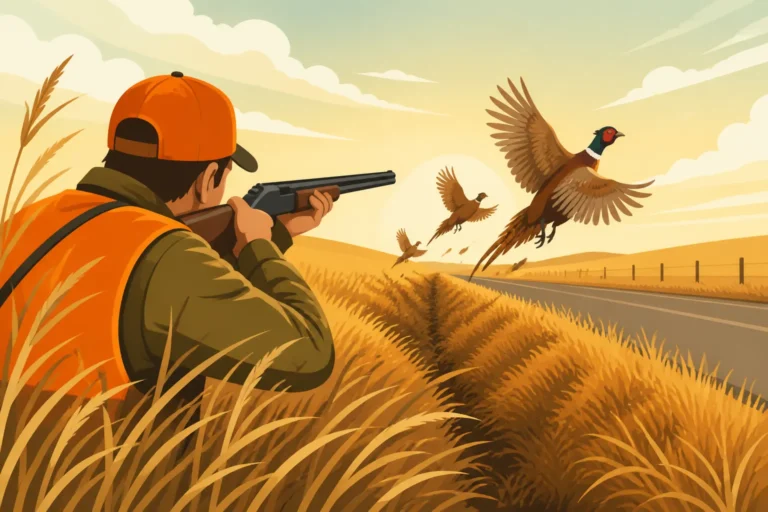
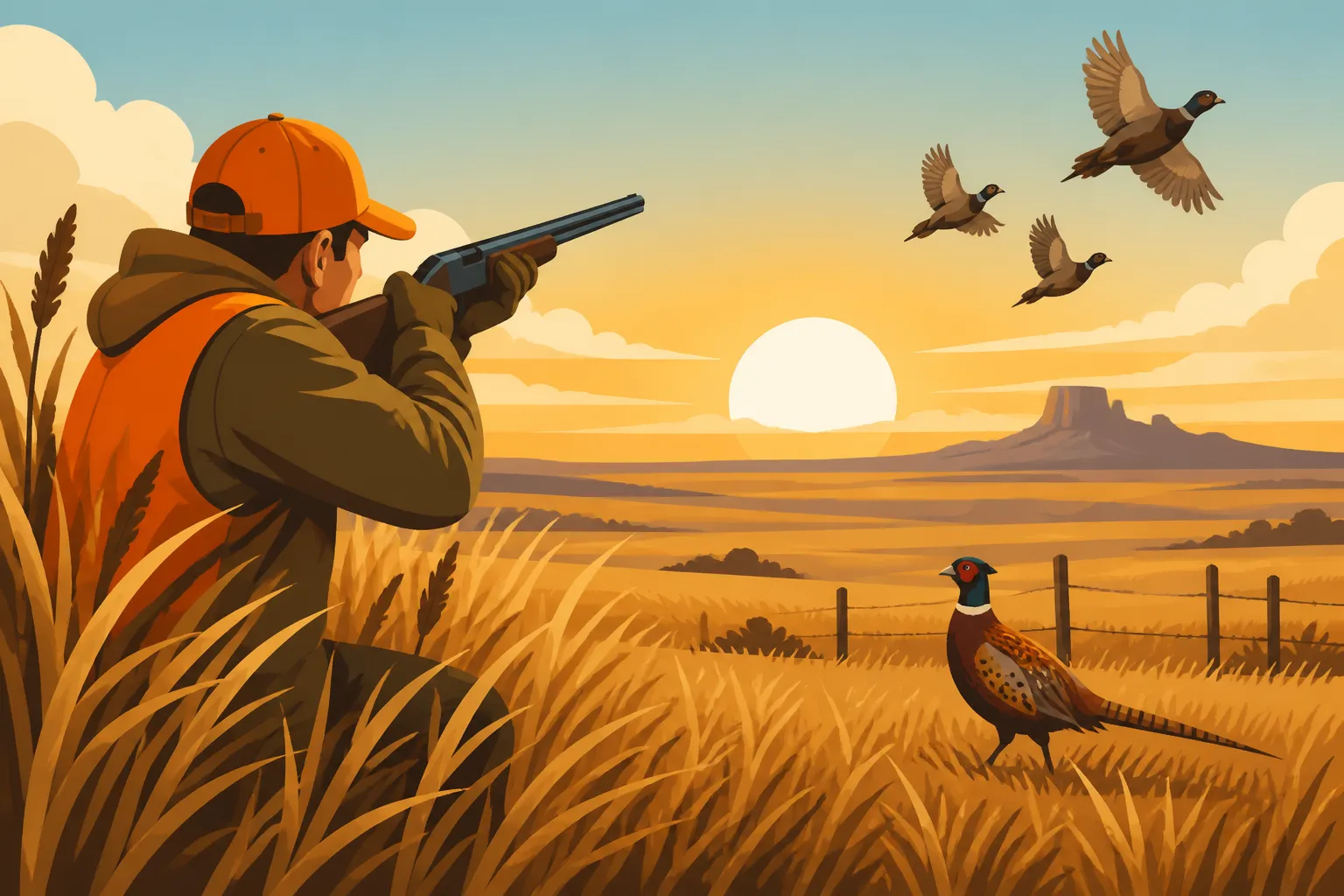
Pheasants are synonymous with the agricultural fields of Western Kansas. They flourish in the dense cover provided by milo and corn stubble, thick CRP fields, grassy waterways, and the plum thickets that dot the landscape. Kansas Ring-Necked Pheasants often hold tight, bursting into the air with an explosive cackle that gets the adrenaline pumping. Hunting them involves walking long lines of cover, working field edges, and sometimes employing blockers at the end of a milo field. Quail, on the other hand, prefer slightly different, often brushier habitat. You'll find coveys hiding in plum thickets, brushy creek bottoms, and the edges of native grass pastures. Bobwhite Quail Across Kansas are known for their tightly knit coveys that explode in all directions, offering quick, challenging shots. The key to successful upland hunting here is covering ground, understanding bird behavior relative to the habitat, and often having a good dog to sniff out and retrieve downed birds from the thick cover.
Public Access Opportunities in Western Kansas
Kansas is often perceived as a state dominated by private land, which can be a daunting prospect for public land hunters. While it's true that a significant portion is privately owned, Western Kansas still offers a surprising number of public access opportunities. The key is knowing where to look and understanding the rules that govern these various types of hunting grounds. These public access programs are meticulously managed and, when utilized properly, provide fantastic hunting for a wide range of species.
Navigating Walk-In Hunting Access (WIHA)
The Walk-In Hunting Access (WIHA) program is a cornerstone of public hunting in Kansas and is particularly prevalent and valuable in the western part of the state. This innovative program leases hunting rights from private landowners, opening up thousands of acres to public hunting each year. For hunters without private land connections, WIHA is often the primary gateway to experiencing the incredible hunting Western Kansas offers.
Using WIHA effectively requires diligent preparation. First, you absolutely need the current Kansas WIHA Atlas, whether in its traditional paper form or, more commonly, through a digital app like onX Hunt. These resources show you precisely where WIHA tracts are located, their boundaries, the species allowed, and the specific dates they are open for hunting. Many WIHA tracts in Western Kansas are large, sprawling crop fields or CRP ground, offering prime habitat for deer and upland birds. Pay close attention to the specific regulations for each tract – some might have special rules regarding vehicle access, camping, or allowed species. Additionally, some WIHA tracts are part of the iWIHA system, which requires online check-in and out. These tracts often have daily capacity limits, meaning you need to check the Go Outdoors Kansas platform to see if they're full before you head out, which can be crucial on busy weekends. Checking In and Out on iWIHA Ground ensures a quality experience by managing pressure, but it also means planning ahead.
State Wildlife Areas and Reservoirs
Beyond WIHA, Western Kansas is home to several important State Wildlife Areas and lands managed by the Corps of Engineers around large reservoirs. These areas offer more permanent public access and often feature diverse habitats, including timbered river corridors, dense wetlands, and extensive grasslands, providing a different hunting experience than the typical WIHA field.
Consider places like Cedar Bluff Wildlife Area, Webster Wildlife Area, or Glen Elder Wildlife Area. These areas, often adjacent to large reservoirs, can hold significant populations of whitetail deer, especially in the timbered draws and brushy river breaks leading to the water. They are also fantastic for waterfowl, particularly during migration, and often have excellent pheasant and quail hunting in their upland portions. Kansas Reservoirs and Corps of Engineers Land present unique challenges and opportunities, especially for waterfowl and late-season deer as they seek refuge and food. Always check the specific regulations for each wildlife area, as they can differ from general statewide rules. Some might have special seasons, permit requirements, or restrictions on vehicle use or stand placement. These areas are vital for providing diverse hunting experiences and often act as important wildlife refuges throughout the year.
Cimarron National Grassland: A Unique Gem
Tucked away in the far southwest corner of Kansas, the Cimarron National Grassland is a true gem for public land hunters, offering a vast, untamed landscape that feels wilder and more remote than almost anywhere else in the state. This expansive tract of federal land is part of the National Forest System and provides incredible opportunities for a variety of game, particularly mule deer, antelope, and prairie chickens. Cimarron National Grassland Hunting
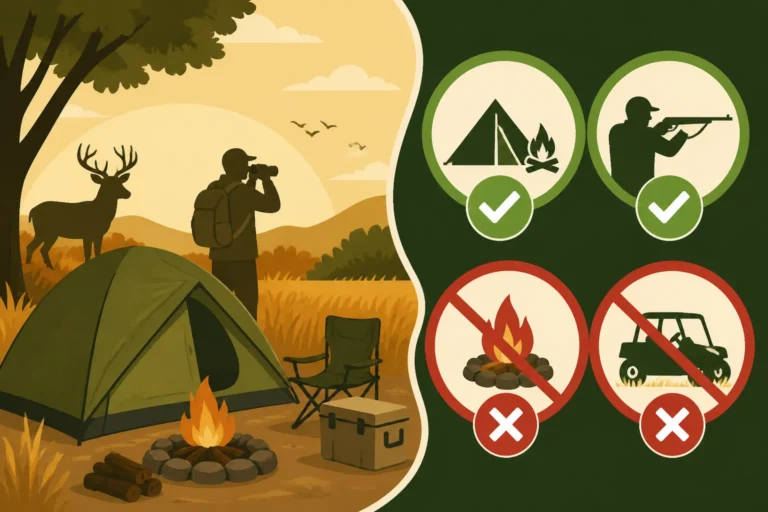
The Cimarron is different from typical Kansas farm country. It's characterized by rolling shortgrass prairie, deep canyons, sand hills, and riparian areas along the Cimarron River. This diverse topography supports a unique ecosystem. Mule deer are found in the more rugged breaks and canyons, while antelope roam the open sagebrush flats. The grasslands are also prime habitat for greater prairie chickens, offering a unique wing-shooting experience. Hunting here demands self-sufficiency and excellent navigation skills, as services are few and far between. It's truly a place to disconnect and experience big country hunting. Hunters often camp on the grassland itself, needing to be aware of specific Cimarron Grassland Camping Rules and packing in all necessities. The sheer scale of the Cimarron allows for true spot-and-stalk hunting for both deer and antelope, a technique rarely possible on smaller public tracts.
Strategies for Success on the Western Plains
Hunting in Western Kansas is a game of adaptation. The tactics that work in dense timber or rolling hills often fall flat in this open, wind-swept environment. Success here hinges on smart preparation, a flexible approach to hunting, and a deep understanding of how animals utilize the subtle features of the plains. Forget what you think you know about "deer country" or "bird cover" and embrace the nuances of this unique landscape.
The Power of E-Scouting and Topographic Maps
Before you ever set foot in Western Kansas, your most powerful tool will be your computer or smartphone, loaded with good mapping software like onX Hunt or GoHunt. E-scouting is not just a convenience here; it's an absolute necessity. The vastness of the plains means you can waste an entire day walking unproductive ground if you don't do your homework beforehand.
Start by meticulously studying aerial imagery. Look for linear features that might indicate a deer travel corridor: shelterbelts, fence lines with brushy growth, or the subtle, winding paths of dry creek beds. Even in seemingly flat areas, topographic maps can reveal slight elevation changes – a shallow dip, a minor ridge – that animals will use for concealment from the wind or for easier travel. For example, a barely perceptible rise could be a major travel route. Utilize the different map layers on onX Hunt to distinguish between CRP, crop fields, native grass, and timber. Identifying these transitions from home allows you to pinpoint potential bedding areas, feeding zones, and the funnels that connect them. E-Scouting Kansas Farm Country From Home is about becoming intimately familiar with a potential hunting spot before you ever arrive, saving precious time and legwork.
Adapting Your Hunting Style
The traditional sit-and-wait approach from a treestand, while still viable in specific timbered areas, is often not the most effective strategy in the vastness of Western Kansas. Here, mobility is often key, whether you're chasing deer or birds. This means being ready to change your approach based on what the landscape and the animals dictate.
For deer, spot-and-stalk is a highly effective, albeit challenging, method, especially for mule deer and even for whitetails making long moves across open country. This involves finding a high vantage point, spotting distant game with high-powered optics, and then carefully planning a stalk using every scrap of available cover. Mobile Hunting With a Saddle in Kansas can be particularly useful if you find an isolated patch of trees or a brushy draw that provides an elevated ambush point. For upland birds, it's all about covering ground, walking out strips of cover, and working field edges. Ground blinds are also incredibly valuable, offering concealment in areas where there are no trees for treestands. Ground Blinds in Open Country allows you to set up in a strategic location near a food source or travel corridor, blending into the landscape. Due to the open nature of the terrain, hunters should also be proficient in longer-range shooting, as ethical shot opportunities might present themselves at distances rarely encountered in denser cover.
Understanding Deer and Bird Behavior in Open Country
Animals on the plains behave differently than their counterparts in heavily timbered regions. They have evolved to survive in an environment where concealment is scarce and predators are easily spotted. Understanding these adaptations is crucial for predicting their movements and finding them.
Whitetail deer, for instance, are masters of using the wind and linear cover. They will often travel along the leeward side of a shelterbelt or within the confines of a brushy creek draw to minimize their exposure to the wind and stay out of sight. Shelterbelts and Timber Points in Kansas Farm Country become crucial travel funnels. They often bed in CRP fields, leveraging the dense grass for thermal cover and concealment, and will emerge to feed in nearby crop fields. Their home ranges can be surprisingly large, making them appear and disappear over vast distances. Upland birds like pheasants and quail will similarly use crop stubble, plum thickets, and dense grass for escape and feeding. They often flush at the edge of cover or when pressured in thick pockets. Water sources, even small ones like a farm pond or a rain-filled ditch, become absolute magnets for all game species, especially during dry periods. Finding Water in Dry Western Kansas can be a game-changer for deer, doves, and even pheasants, so always identify these on your map.
Essential Gear for Western Kansas Hunting
Success in Western Kansas is often a direct result of being prepared for the unique challenges of the landscape and climate. The right gear won't just make your hunt more comfortable; it will directly impact your ability to locate game, execute a shot, and stay safe. Don't skimp on these essentials, as the unforgiving nature of the plains will quickly expose any weaknesses in your preparation.
Optics: Binoculars, Spotting Scopes, and Rangefinders
In a landscape where you can often see for miles, your eyes are your most important hunting tool, and high-quality optics are their indispensable extension. Trying to hunt Western Kansas with inadequate glass is like trying to drive a car with blurry windows – you're simply not going to see what you need to.
A good pair of 10x or 12x binoculars is your primary scouting instrument. You'll spend hours glassing distant fields, shelterbelts, and creek bottoms, looking for the tell-tale flick of an ear, a patch of hide, or the distinctive silhouette of a deer or a bird. For serious mule deer or antelope hunting, a high-power spotting scope (e.g., 20-60x) is almost a necessity. It allows you to identify and evaluate animals at extreme distances without having to move in closer and risk spooking them. You can determine antler size, sex, and even approximate age from over a mile away, saving you countless wasted stalks. Finally, a reliable rangefinder is non-negotiable. In open country, distances are incredibly deceptive. What looks like 300 yards might be 500, and a miss due to misjudging range is unacceptable. Rangefinding in Flat Country needs to be second nature, ensuring you can make an ethical shot when the opportunity arises.
Layered Clothing and Weather Protection
The climate of Western Kansas is known for its dramatic shifts. A crisp, cool morning can quickly turn into a warm, sunny afternoon, only to be followed by a biting cold front in the evening. This extreme variability means that a sophisticated layering system for your clothing is paramount.
Start with a moisture-wicking base layer, add insulating mid-layers that you can easily shed or put on, and top it all off with a windproof and waterproof outer shell. Wind is almost always a factor, and a good windbreaker layer will make a huge difference in your comfort and ability to sit still. While scent control is always important, in high winds, understanding the wind direction and staying downwind of game is often the most effective "scent control" you have. Cold Weather Stand Clothing in particular needs to be chosen carefully, as long hours of sitting in a blind or treestand in December can quickly lead to hypothermia if you're not properly insulated. Don't forget durable, comfortable boots that can handle miles of walking over varied terrain, from muddy fields to thorny plum thickets.
Navigation Tools and Emergency Preparedness
The vastness and often sparse population of Western Kansas mean that self-sufficiency and good navigation skills are crucial. It's easy to get disoriented in seemingly endless fields or deep, winding creek bottoms, especially if you're exploring new public land.
A reliable GPS device or a smartphone app like onX Hunt, with downloaded offline maps, is your primary navigation tool. Use it to mark your vehicle, your stand locations, and any game trails or sign you find. However, digital devices can fail, so always carry a physical map (like the WIHA atlas) and a compass as a backup. Beyond navigation, think about safety. Carry enough water, even if it's cool out, as dehydration can sneak up on you, especially when walking long distances. A comprehensive first-aid kit is essential for dealing with minor injuries far from immediate help. Because cell service can be spotty to non-existent in many rural areas, consider carrying a satellite communication device (like a satellite messenger) for emergency contact. Finally, always let someone know your hunting plan, including your exact location and expected return time. Leaving a Trip Plan for a Public Hunt is not just good practice, it's a lifesaver.
Local Etiquette and Respecting the Land
Hunting in Western Kansas, whether on public or private land, comes with an implicit understanding of respect for the land, its owners, and the local community. A large part of this region is privately owned, and the quality of public hunting often relies on the goodwill of local residents and farmers. Adhering to good etiquette ensures not only a positive experience for you but also helps preserve access for future generations of hunters.
Understanding Private Land and Trespass Laws
The vast majority of Western Kansas is privately owned, and this is a reality every hunter must acknowledge. Unlike some states where public land dominates, here you will primarily be hunting on private property, even if it's part of a public access program like WIHA. The law is clear: you must have permission to be on private land.
If you are not hunting a designated public access area, you need to ask for permission directly from the landowner. This might feel intimidating, but a respectful approach often yields positive results. Asking a Kansas Landowner for Permission should be done well in advance, in person if possible, and with clear communication about your intentions. Understand that "no" means no, and respect their decision. Be aware of Kansas's purple paint law: a purple stripe on a fence post or tree indicates "no trespassing," equivalent to a written sign. Kansas Posted Land and Purple Paint means the landowner wants no one on their property without explicit permission. Finally, be acutely aware of property lines, especially when tracking wounded game. If a deer crosses onto private land where you do not have permission, you cannot legally pursue it without first obtaining permission from that landowner. Recovering a Deer Across a Property Line without permission can quickly turn a successful hunt into a legal nightmare.
Leaving No Trace
Responsible stewardship of the land is a core tenet of ethical hunting, and nowhere is it more visible than in the open landscapes of Western Kansas. When you hunt public or private land, you are a guest, and it's imperative to leave the land in the same, or better, condition than you found it. This simple principle contributes significantly to maintaining hunting access and fostering positive relationships.
This means packing out everything you pack in – spent shotgun shells, empty water bottles, snack wrappers, and any other trash. Do not discard gut piles or carcass remains near roads, trails, or visible areas. If you use a ground blind, brush it in naturally and remove all man-made components when you leave. If you hang a stand on WIHA ground where allowed, make sure it's removed by the prescribed date. Leaving No Trace on Walk-In Ground is not just a suggestion; it's a critical behavior. Beyond physical impact, consider your actions. Drive responsibly on rural roads, close gates you open, and be considerate of local residents. Positive interactions with landowners and the community can make a huge difference in how hunters are perceived and can even lead to future hunting opportunities.
Planning Your Western Kansas Adventure
A successful Western Kansas hunting trip isn't just about the hunt itself; it's about the entire journey, from the initial planning stages to the drive home. Given the distances, the potential for extreme weather, and the rural nature of much of the region, meticulous planning of your logistics and timing will alleviate stress and significantly enhance your experience.
Timing Your Hunt for Optimal Conditions
Knowing when to hunt is just as important as knowing where to hunt, and Western Kansas offers different peak seasons depending on your quarry. Synchronizing your trip with the best time for your target species can dramatically increase your odds of success.
For deer hunters, the rut is often the most anticipated time. While variables exist, generally the When the Kansas Rut Peaks falls in early to mid-November, providing fantastic opportunities for whitetail bucks on the move. However, earlier archery seasons in September can be excellent for patterning deer around water and early food sources, though heat can be a major factor. The firearm season in December offers a chance at pressured bucks and often coincides with colder weather, pushing deer to late-season food sources like standing corn or milo. Kansas Deer Season Dates by Weapon vary, so check the current regulations carefully. For upland bird hunters, the pheasant and quail seasons typically open in early November, running through January. Cold fronts and snow can concentrate birds, making late-season hunting very productive. However, early season hunts offer milder weather and less pressured birds. Consider the impact of weather patterns; a significant cold front can get deer moving more actively, while dry conditions might disperse birds. Cold Front Movement in December can be a game-changer for deer.
Logistics: Lodging, Food, and Local Services
Western Kansas is characterized by small, often very rural towns, and you shouldn't expect the same level of amenities you might find in more populated areas. Planning for your lodging, food, and access to services is crucial to avoid last-minute stress.
Many small towns in Western Kansas will have at least one or two independent motels, and some will offer RV parks or campgrounds, which can be an excellent option for public land hunters. If you're hunting a remote area like the Cimarron National Grassland, primitive camping might be your best, or only, option. Be prepared for self-sufficiency; while some towns might have a small diner or a grocery store, these can be few and far between. It's often a good idea to bring most of your food and drinks with you, especially if you plan to cook at camp. Ensure you have enough fuel for your vehicle and backup supplies like water and emergency food. Regarding game processing, locate local Locker Plants During Firearm Season well in advance, as they can be overwhelmed during peak hunting periods. Many hunters choose to quarter their deer in the field and transport it in coolers, especially if they are far from a processor or plan to process the meat themselves at home.
The journey to hunt Western Kansas can be a long one, and you'll want to make sure you have everything buttoned up before you go. This vast, beautiful region holds incredible hunting experiences, but it rewards those who come prepared and respect its unique demands.
| Game Species | Preferred Habitat (Western Kansas) | Common Hunting Method(s) | Key Considerations |
|---|---|---|---|
| Whitetail Deer | River bottoms, creek draws, shelterbelts, crop fields | Treestand, ground blind, spot-and-stalk | High-nutrition diet, use subtle cover, wind direction |
| Mule Deer | Breaks, canyons, rough rangeland, Cimarron Grassland | Spot-and-stalk, high-quality optics | Elusive, keen eyesight, large open areas |
| Pheasants | Milo/corn stubble, CRP, plum thickets, ditch lines | Walk-up, blocking, good dog required | Explosive flush, dense cover, field edges |
| Bobwhite Quail | Plum thickets, brushy draws, grass cover, riparian | Walk-up, working coveys, dog essential | Covey behavior, tight holding, quick shooting |
| Antelope | Open shortgrass prairie, sagebrush flats | Spot-and-stalk, long-range shooting | Incredible eyesight, sparse cover, vast distances |
| Prairie Chicken | Native shortgrass prairie, Flint Hills fringe | Walk-up, pass shooting, specific seasons | Unique booming grounds, specific permit needs |
Disclaimer
This article is for general informational purposes only and does not constitute professional advice. Laws, prices and regulations vary by location and change over time. Consult a qualified professional for guidance on your specific situation.