Cold Front Movement in December
There’s nothing quite like the crisp, biting air of a December morning in Kansas, but for hunters, that deep chill often signals more than just winter's arrival—it heralds the unpredictable, yet often explosive, movement of deer driven by an impending or ongoing cold front. Many hunters feel the frustration of sitting through slow, uneventful days, only for the woods to suddenly explode with activity right when a major temperature drop hits, or just before one. This guide will walk you through understanding how these cold fronts develop, how whitetails in Kansas react to them, and the best tactics to leverage this natural phenomenon for a successful late-season hunt.
Decoding December's Cold Fronts in Kansas
Understanding cold fronts isn't just about knowing the temperature will drop; it's about predicting how quickly that drop will happen, what weather accompanies it, and how long it will last. In December, Kansas weather can be famously volatile, swinging from mild, sunny days to bitter, snowy blasts in a matter of hours. These cold fronts are nature's way of resetting the deer woods, often creating some of the best hunting opportunities of the entire year.
The Anatomy of a December Cold Front
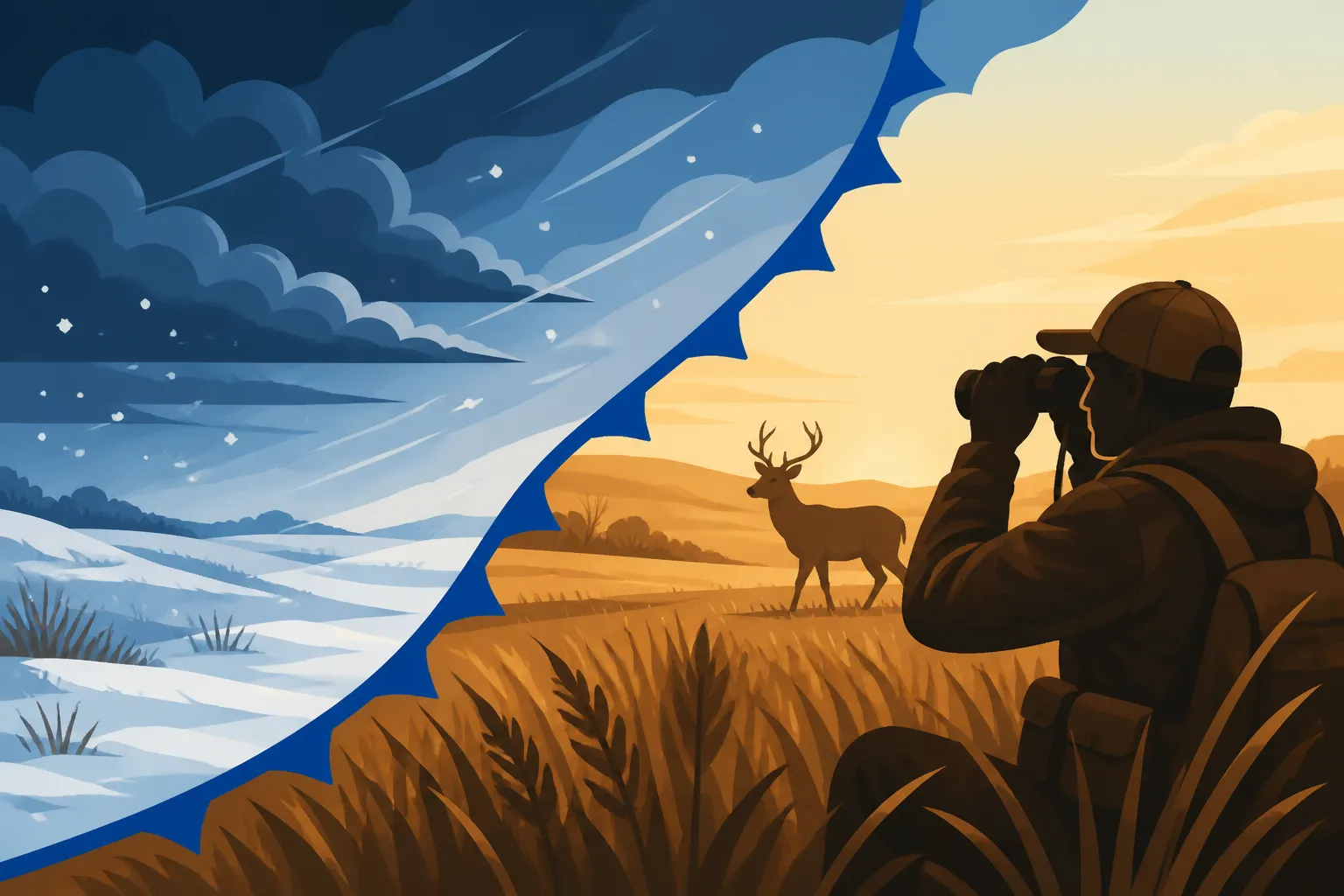
A cold front is essentially the leading edge of a colder mass of air, displacing warmer air in its path. In Kansas during December, this often means a sharp drop in temperature, usually accompanied by a shift in wind direction, often from the south/southwest to the north/northwest. Before the front actually hits, you'll typically notice falling barometric pressure. This is a critical indicator for deer movement. As the front passes, the pressure will rise rapidly, and temperatures will plummet. Sometimes, these fronts bring precipitation—rain, freezing rain, sleet, or snow—which can add another layer of complexity, but also opportunity, to your hunt. The strength and speed of the front dictate the severity of the temperature change and the duration of the impact. A strong, fast-moving front can drop temperatures by 20-30 degrees Fahrenheit in less than a day, leading to dramatic changes in deer behavior.
Reading Weather Patterns and Barometric Pressure
One of the most valuable skills a Kansas deer hunter can develop is the ability to read and interpret weather patterns, particularly barometric pressure. Before a cold front arrives, the barometer will typically begin to fall. Deer, being highly attuned to these atmospheric changes, often sense this drop and react by feeding heavily, almost as if stocking up for the harsh weather to come. This pre-front activity can be phenomenal, often occurring during daylight hours. As the front passes and the cold, dense air settles in, the barometric pressure will rise sharply and stabilize at a higher level. This high-pressure system, combined with plummeting temperatures, is another prime window for deer movement, as they're driven to feed to maintain body heat. Tools like GoHunt or other advanced weather apps can give you detailed hour-by-hour forecasts, including crucial barometric pressure readings and wind shifts. Don't just look at the temperature; pay close attention to that pressure trend! For those planning an extended trip, understanding the full picture of the Kansas Deer Permits and the Nonresident Draw is essential, but equally vital is mastering the weather forecast for your specific hunt dates.
The Whitetail's Winter Game Plan: How Deer React to December Cold Fronts
Whitetail deer are survivors, perfectly adapted to the ebbs and flows of Kansas's seasons. Their response to a December cold front isn't random; it's a calculated strategy for survival, driven by instinct and metabolic needs. Understanding this "game plan" allows you to anticipate their moves and position yourself accordingly.
Pre-Front Feeding Frenzy
Just before a cold front truly hits and the barometric pressure begins its noticeable descent, deer often engage in a feeding frenzy. Think about it: they know severe weather is on its way, and their bodies need to pack on calories to stay warm. This is the time when you might see deer moving earlier in the afternoon or later in the morning, making their way to primary food sources. Alfalfa fields, standing corn, or late-season brassicas become magnets. If you can get into a stand overlooking one of these prime food sources during this pre-front window, especially an hour or two before the front is predicted to arrive, your chances of encountering a moving buck significantly increase. They're trying to get a full belly before hunkering down. This is an excellent time to implement Late-Season Food Source Hunting strategies.
During the Front: Hunkering Down or Shifting Priorities
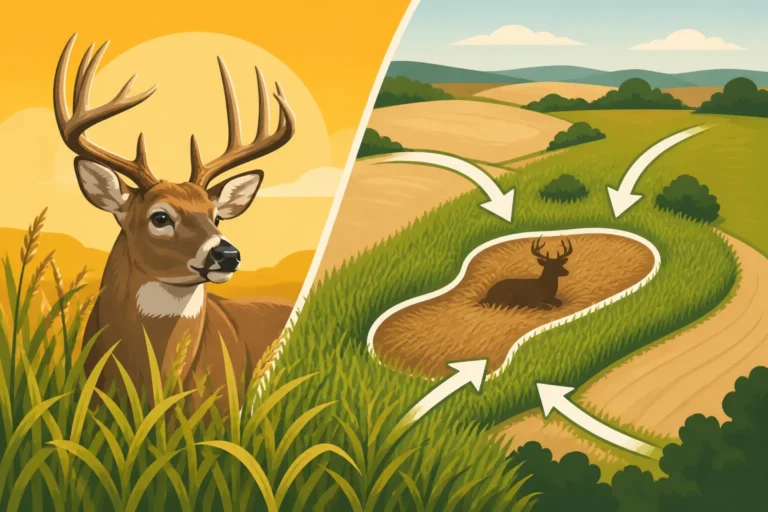
As the cold front moves through, especially if it brings heavy precipitation like snow or freezing rain, deer behavior can vary. During the most intense part of the storm, deer will often hunker down in dense cover. Cedar thickets, deep draws, and thick CRP fields offer crucial thermal cover, protecting them from the wind and precipitation. This might be a slower period for active movement. However, as soon as the precipitation stops and the high-pressure system settles in, often within a few hours, deer will again feel the urge to feed. Their metabolic rate increases in the cold, forcing them to burn more calories to stay warm, and they'll venture out to replenish their energy stores. Don't abandon your stand just because it's actively snowing, especially if you know the front is passing soon. Sometimes, the lull during the nastiest part of the front is precisely what a hunter needs to move into a prime position for the post-front surge.
Post-Front Movement: Capitalizing on the Chill
The period immediately following the passage of a cold front, when temperatures have dropped significantly, skies have cleared, and the barometric pressure is high and stable, is often considered the absolute best time to hunt in December. The deer's need to feed aggressively to combat the cold is paramount. They've likely been bedded down during the worst of the front, and now they're hungry. This sustained cold also often means deer will move more throughout the day, not just at dawn and dusk. This is your cue to be in your stand from first light to last light, bundled up in your best Cold Weather Stand Clothing and employing Staying Warm on a December Sit tactics. Target those Standing Corn Late in the Season fields, or any other high-calorie food source, and be ready for daytime movement.
Tactics for Hunting December Cold Fronts
Hunting during a December cold front requires a shift in strategy. It's not just about enduring the cold; it's about making smart, calculated moves that capitalize on the deer's predictable responses to extreme weather.
Focusing on Prime Food Sources
In December, the rut is largely over, and the primary driver of deer movement shifts from breeding to survival. Food becomes king, especially high-carbohydrate options. Look for unharvested Standing Corn Late in the Season, alfalfa fields, winter wheat, or even brassicas if they're available and haven't been grazed down too hard. These are energy-rich sources that deer desperately need to maintain their body temperature in freezing conditions. Scouting beforehand to locate these specific food sources is paramount. Use mapping tools like GoHunt to identify potential food plots or unharvested fields, especially those adjacent to dense cover. When a cold front is imminent, these areas will be hotbeds of activity.
Identifying Thermal Cover and Bedding Areas
When temperatures plunge, thermal cover becomes just as important as food. Deer will seek out areas that shield them from the wind and trap what little warmth they can find. South-facing slopes, dense cedar thickets, brushy draws, and thickets of tall, dormant grass (like CRP) are all prime bedding areas during cold weather. If you can identify these areas and understand the travel routes between them and the primary food sources, you're well on your way to success. Remember, deer will try to take the path of least resistance and the one that exposes them least to the elements. Often, this means using ditches, timber lines, or creek beds to travel between bedding and feeding, offering natural funnels. Ensuring your Access Routes That Avoid Bedding Areas are well-planned is crucial to not spooking deer.
Strategic Stand Placement and Timing
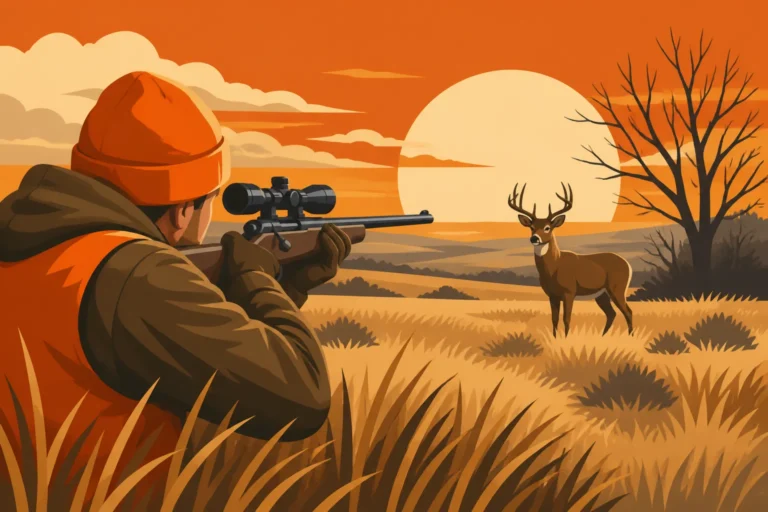
For a December cold front, your stand placement needs to be focused on food-to-bedding patterns. During the pre-front phase, set up on the downwind side of a major food source, especially one that allows for an early afternoon sit. As the front passes and the deep cold sets in, shift your focus. If you can get closer to bedding cover, but still within striking distance of an afternoon feeding pattern, you'll be in a great spot. Think about terrain features that offer natural funnels. The period 12-36 hours after a strong cold front passes often offers the best hunting, as deer are forced to move more during daylight to replenish energy. This is particularly relevant for Rifle Hunting the Kansas December Firearm Season, where shot opportunities can arise quickly.
| Cold Front Phase | Barometric Pressure Trend | Deer Behavior | Recommended Stand Location / Timing |
|---|---|---|---|
| Pre-Front | Falling (rapidly) | Increased feeding, daytime movement | Close to primary food sources (afternoon sits) |
| During Front | Low, then rapidly rising | Hunkering down, limited movement (if severe) | Transition areas if precipitation isn't too heavy, then move |
| Post-Front | High and stable | Aggressive feeding, prolonged daylight movement | Food sources, especially those near thermal cover (all-day sits recommended) |
Key Considerations for December Cold Front Hunting
Beyond the deer themselves, there are practical considerations that can make or break your December cold front hunt in Kansas. Safety and preparedness are paramount when facing Mother Nature's colder side.
Dress for Success and Safety
The most common mistake hunters make in December is underestimating the cold. Sitting still for hours in freezing temperatures, especially with wind, can quickly lead to hypothermia if you're not properly dressed. Layering is key: start with a good base layer to wick moisture, add insulating layers like fleece or down, and top it off with a windproof and waterproof outer shell. Don't forget extremities: quality insulated boots, hand warmers, a thick hat, and a face mask are non-negotiable. Chemical hand and foot warmers can be a lifesaver. Being cold and miserable will not only ruin your hunt but can also be dangerous. This deep dive into Cold Weather Stand Clothing will provide even more valuable insights.
Scouting and E-Scouting
Effective hunting during cold fronts starts long before you step foot in the woods. Extensive scouting, both on the ground and virtually, is critical. Use tools like GoHunt to analyze topographical maps, aerial imagery, and property lines. Look for potential food sources, thick bedding cover, and natural travel corridors that connect them. Pay attention to how wind direction might influence these routes. E-Scouting Kansas Farm Country From Home allows you to narrow down your focus areas, identifying potential hotspots for pre-front and post-front movements. This can save you countless hours of unproductive walking in brutal cold. Understanding Deer Density by Kansas Unit can also help you prioritize areas with higher potential.
Patience and Persistence
Hunting during a December cold front, especially the post-front period, often rewards patience. Deer might not move immediately after the front passes, but as their hunger builds and temperatures remain low, they will move. Be prepared for long sits. The middle of the day, when many hunters head back to camp, can be surprisingly productive. If you’ve planned your Kansas Firearm Season Dates and invested the time, sticking it out through the chill could very well pay off with a mature Kansas whitetail. Remember, the deer are driven by a powerful instinct to survive; use that to your advantage.
Disclaimer
Hunting is an inherently dangerous activity. Always prioritize safety, understand and follow all Kansas Department of Wildlife, Parks and Tourism (KDWP) regulations, and obtain appropriate licenses and permits. Be aware of your surroundings and weather conditions, and never hunt beyond your capabilities or comfort level. This information is for educational purposes only and should not replace professional guidance or official KDWP resources.