Working a Henned-Up Tom Midday
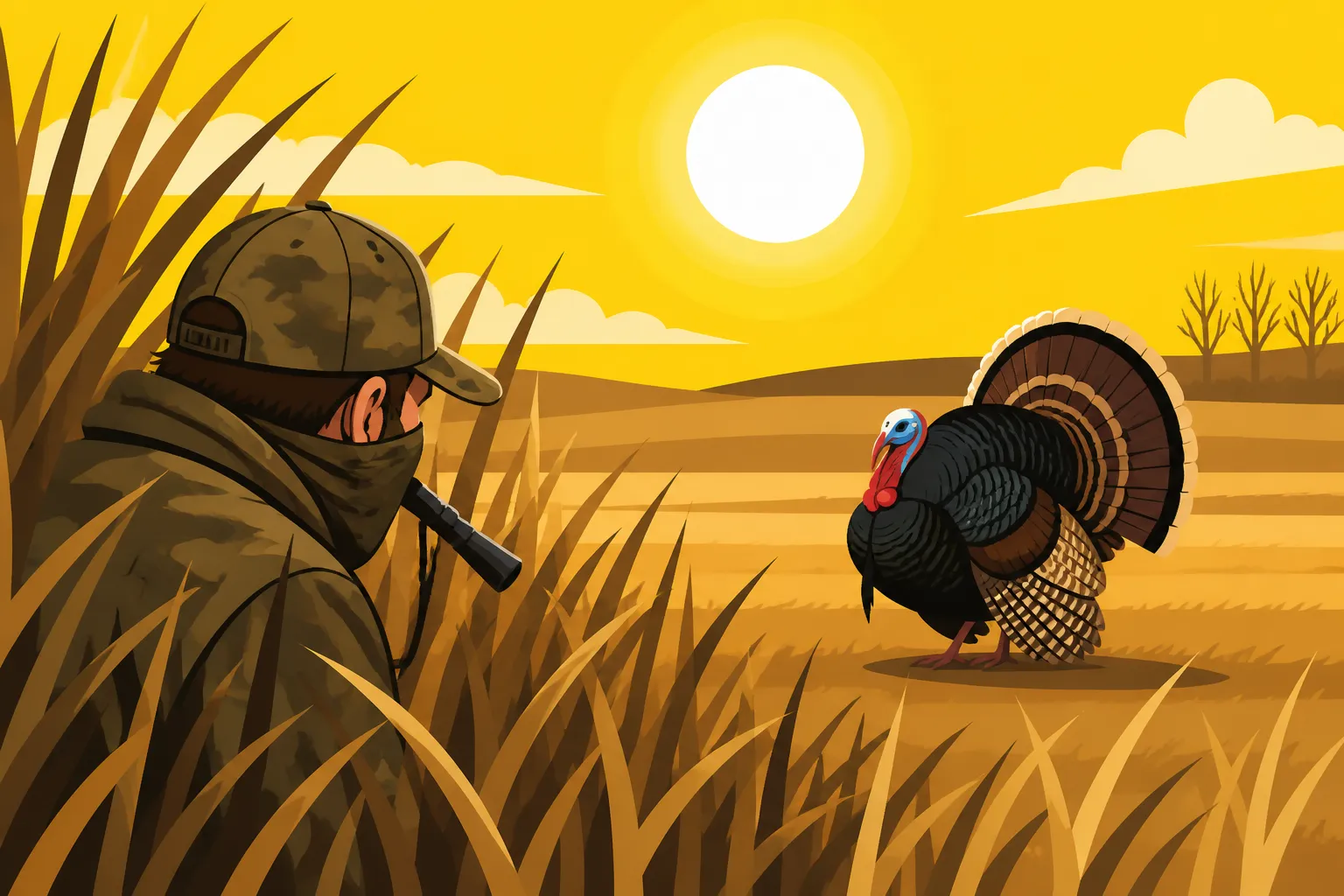
There’s almost nothing more frustrating in the turkey woods than hearing a tom gobble his head off, only to realize he’s got a whole harem of hens surrounding him, and it’s well past fly-down. Midday hunts often present this exact scenario, leaving many hunters feeling like their efforts are wasted. This guide will dive deep into why these henned-up gobblers are so tough to crack during the middle of the day and, more importantly, equip you with some proven strategies to finally separate him from his ladies and get him to commit.
Understanding the Midday Challenge of Henned-Up Toms
When you're out there in the Kansas timber or along a creek bottom, the early morning excitement of turkeys flying off the roost and gobbling on their own often fades by mid-morning. That's when the real work begins, especially if you're dealing with a tom that's already gathered his hens. These birds aren't just casually hanging out; there's a definite pecking order, and the dominant hens usually dictate the day's movements, making your job a whole lot harder.
Why Hens Rule the Roost Midday
Think about it from the tom's perspective. He's already done his mating dance, likely bred some hens, and now he’s got a security detail and companions for feeding. Why would he leave that comfortable situation to come to a distant, unfamiliar hen call? The truth is, he probably won’t, not easily anyway. Hens are inherently wary, and their primary focus shifts from breeding to feeding and nesting as the morning progresses. They'll pull the tom along, often feeding through open fields or along wooded edges, largely ignoring any external calls. Your perfectly timed series of yelps and clucks might grab his attention for a moment, but if his hens don't approve or aren't interested, he's staying put. It’s a classic case of too much good company. This is why tactics that work for "Calling a Gobbler Off the Roost" often fall flat midday.
The Impact of Turkey Behavior on Your Strategy
Turkeys, especially during the spring breeding season, follow a somewhat predictable routine. They roost at night, fly down at first light, and the gobblers will often "shock gobble" at anything from an owl hoot to a distant crow, trying to gather hens. Once the sun is up and the breeding activity has peaked, turkeys tend to break into smaller groups or pairs. The hens will lead the charge to food sources, often spending hours scratching for insects, seeds, and greens. The gobbler, feeling satisfied and secure, will simply follow along. Their midday movements can be highly localized, maybe just moving a few hundred yards from a bedding area to a feeding field, or they could cover a mile or more across larger tracts of public land or private fields. You really have to get into their heads and predict where they’re going to be, which is where tools like GoHunt can become invaluable for pinpointing likely feeding or travel corridors based on aerial imagery and land features. Without that insight, you're essentially blindly calling into the wind, hoping for a miracle.
Tactics for Breaking Up a Harem
So, you've located a henned-up tom, and he's not budging. What now? The traditional advice of soft calling and enticing him might not work. It's time to get a little more aggressive and think outside the box to separate him from his female entourage. The goal isn't just to call him, but to disrupt his current social dynamic.
The Aggressive Approach: "Run and Gun" or Pressure
Sometimes, the best offense is a good defense, and other times, it's just pure aggression. If you've been working a bird for a while and he's glued to his hens, they might be comfortable with your distant calling. That's when you might need to try a "Run-and-Gun Turkey Tactics on Kansas Walk-In Ground" approach. Instead of sitting and calling, move fast and try to get ahead of the birds, or even directly into their space to bust them up. The idea is to scatter the hens, forcing the gobbler to find them again. This often means moving quickly and quietly to close the distance, then making a loud, startling noise (a sharp whistle, a loud "kee-kee" run, or even a sudden burst of aggressive yelps) to send the birds flying or running in different directions.
Once the birds are scattered, the gobbler, suddenly alone and probably feeling a bit disoriented, is much more susceptible to your lonesome hen calls. He's lost his security blanket, and his instinct to re-gather his flock kicks in. Set up quickly, wait 10-15 minutes, and then start with soft, pleading hen calls. He'll likely gobble furiously, trying to locate his lost ladies, and that's your chance. This can be particularly effective in areas with dense cover, like cedar thickets or river bottoms, where turkeys can quickly lose sight of each other.
Silent Infiltration and Patient Waiting
On the flip side, sometimes the aggressive approach isn't feasible, or it's simply not your style. In these scenarios, a silent infiltration can be incredibly effective, especially if you're hunting smaller timber blocks or public land where other hunters might be nearby. If you know roughly where the henned-up tom is heading—perhaps from a bedding area to a known feeding field—you can try to get ahead of him and set up in a strategic location. This requires detailed scouting, often using mapping apps like GoHunt to identify natural travel corridors, pinch points, or preferred feeding spots.
Once you’re set up, remain silent. Let the birds come to you. This is less about calling the gobbler and more about ambushing him once he’s separated or distracted. Sometimes, a dominant hen will lead the others away, leaving the gobbler briefly alone or with just one or two less dominant hens. This is your window. A subtle, soft cluck or two at this precise moment can be irresistible. This method demands extreme patience and an understanding of how these birds move. It's about letting their natural behavior work against them, rather than trying to force a reaction with calls.
Patience and Persistence: The Midday Grind
Midday turkey hunting is often a test of will. It’s rarely as action-packed as the first hour of daylight, but it can be incredibly rewarding for those who stick with it. When dealing with henned-up toms, persistence is key, and being able to adapt your strategy on the fly is paramount.
Adapting Your Calling Strategy
When a tom is with hens, he might gobble at your calls, but he's not coming. This means you need to become less of an aggressor and more of a subtle temptress. Instead of loud, demanding yelps, focus on softer, more contented clucks and purrs. Think of it as painting a picture of a calm, happy hen just going about her day. This often makes the tom curious enough to perhaps take a few steps in your direction, or at least pull him away from his flock for a short distance. Sometimes, imitating a hot, bossy hen with some sharp yelps can also work, as it might pique the interest of a less dominant hen in his group, leading her away and potentially taking the gobbler with her. This is a game of subtle manipulation, not brute force calling. Experiment with different calls and volumes. What works one day, or with one bird, might be ignored by another. Pay attention to how he responds, even subtly, and adjust accordingly.
The Waiting Game: Post-Breeding Behavior
Once the initial flurry of morning breeding is over, and the hens have been bred, their focus shifts dramatically. They start thinking about nesting. This is your golden ticket. Hens will often slip away from the gobbler in the late morning or early afternoon to tend to their nests or find new nesting sites. When this happens, the tom, who moments before was king of the roost, suddenly finds himself alone. This is when he's most vulnerable to your calls.
You need to be patient, often waiting hours for this separation to occur. Find a good, comfortable spot with excellent visibility and access to cover, and just sit. Use a comfortable ground blind or a saddle if you're mobile. This might mean setting up where you anticipate the hens will eventually leave the gobbler, perhaps near a watering hole, a dusty field edge, or a dense thicket suitable for nesting. Keep your calls minimal and realistic. A few soft tree yelps or purrs every 20-30 minutes are usually sufficient. The goal is to be heard when he's lonely, not to constantly harass him. This is particularly effective in agricultural areas of Kansas where turkeys use specific travel lanes between fields and timber.
Setting Up for Success Against a Henned-Up Tom
The setup is critically important when you're trying to fool a wary, henned-up tom in the middle of the day. Unlike a fast-paced early morning setup for "Calling a Gobbler Off the Roost", midday requires a more thoughtful, patient approach that leverages both your position and the visual appeal of decoys.
Strategic Decoy Placement
Decoys can be an absolute game-changer when working a henned-up tom, especially if you're trying to lure him away from his real hens. The key is to make your decoy spread more appealing than his current companions. Consider using a jake decoy with one or two hen decoys. A jake decoy can trigger a territorial response in a dominant tom, especially if he thinks a rival is trying to breed his hens. He might come in strutting, looking for a fight, forgetting all about his real hens for a moment. This kind of decoy setup can be highly effective during the height of the Kansas rut.
Placement is critical. Always set your decoys where the gobbler will have to pass through an opening to see them, or where he'll be naturally drawn into an accessible shooting lane. Keep them relatively close to your position, say 15-20 yards, ensuring a clean shot. Always face your jake decoy towards your position, suggesting he's coming to you, which will encourage the real tom to approach head-on. If the gobbler approaches from behind your decoys, he might hang up out of range, trying to figure out why he can't see the "hen" that's calling. Use terrain to your advantage: a slight rise, a field edge, or a small clearing can be ideal. When decoys are positioned correctly, it turns your setup into a visual magnet, drawing him away from the real birds. If you're using a single hen decoy, try "Turkey Decoy Spreads That Work" for more ideas.
Choosing Your Blind and Position
Midday means higher sun, potentially more visibility, and generally more wary birds. This is not the time to be exposed. A well-brushed-in ground blind offers the best concealment and allows for small movements without spooking an approaching bird. If you're on public ground, you might need to carry a portable pop-up blind or scout ahead to ensure you find dense natural cover like cedars, plum thickets, or even a deep ditch.
Consider your backdrop. Never set up with the sky directly behind you, as your silhouette will be easily spotted. A thick hedgerow, a stand of trees, or even the face of a hill makes for excellent cover. Also, pay close attention to the sun's position. You want the sun at your back, shining into the turkey's eyes, making it harder for them to see you, especially as they approach your decoys. Wind direction is less critical for turkeys than for deer, but it’s always wise to try and have it in your favor if possible, carrying your faint human scent away from their approach. When you are "Blind Hunting for Turkeys With Kids", a blind offers even more benefits for keeping young hunters hidden and comfortable during the long midday wait.
Utilizing Locator Calls and Strategic Silence
When trying to break up a henned-up group, locator calls can be surprisingly effective, but used differently than in early morning. Instead of loud crow calls or owl hoots to get a shock gobble from a lone tom, use them to gauge where the group is heading. If you hear them moving off into a distant field, a quick coyote howl or even a loud hawk shriek might get the tom to gobble, revealing his exact location without him associating the call with a potential hen. This allows you to plan your next move, whether it's a fast reposition or a long, patient wait.
Once you’ve got a bead on them, strategic silence becomes your greatest asset. After an initial series of soft hen calls to pique his interest, go quiet. Let the decoys do the work. A henned-up tom knows where his hens are; if he hears a new one, he expects her to eventually come to him. If she goes silent, his curiosity and breeding instinct often take over, and he'll begin to search. This can be especially true if his real hens are busy feeding and not paying him much attention. That silence can drive him crazy, making him break away and come looking for the quiet hen he just heard. Patience, a good setup, and just the right amount of calling can often turn a tough midday hunt into a successful one when you are pursuing these cunning Kansas gobblers.
| Date | Title of Post |
|---|---|
| 2024-06-03 | Getting a Deer Out of a River Bottom Alone |
The spring turkey woods can be an absolute rollercoaster of emotions. One minute you're hearing gobblers on the roost, sounding like they're going to fly right into your lap, and the next, you're mid-morning, and every tom within earshot is completely "henned-up," following a string of ladies like a dutiful bodyguard. This scenario is incredibly common in Kansas, especially on pressured public land or during those peak breeding days. It leaves many hunters feeling defeated, wondering if they should just pack it in until the next morning. But don't give up hope! Those midday, henned-up toms aren't impossible; they just require a different mindset and a more strategic approach than the early-morning charge. This guide will walk you through how to tackle these tough birds, turning potential frustration into a successful harvest.
Understanding Why Toms Get "Henned Up" Midday
It’s easy to take it personally when a gobbler ignores your most seductive yelps because he's got a real hen at his side. But understanding the biology and behavior behind it is the first step to overcoming the challenge. Turkeys are social creatures, and during the breeding season, the gobbler's primary instinct is to breed. If he's already surrounded by receptive hens, he has little motivation to seek out another one, especially if she sounds distant or unconvincing.
The Dynamics of a Midday Harem
Once the initial excitement of fly-down has passed, turkeys settle into a routine. Hens start to feed, moving through the landscape, often toward open fields, dusting areas, or watering holes. The gobbler, having likely already bred several hens, simply follows along. He's got his needs met, and his "job" for the moment is simply to keep his harem together and protect them. Think of him as a proud rancher overseeing his herd. He’s happy, contented, and surrounded by what he desires.
This dynamic means your calling, no matter how realistic, is often irrelevant to him. The real hens are providing all the companionship and breeding opportunity he needs. They're also often incredibly good at spotting danger and will lead him away from anything suspicious. This creates a challenging situation where the gobbler is constantly being pulled by the collective will of his hens, who are far more wary and often silent, making them harder to pinpoint. Even if he gobbles at your call, it's often more of an acknowledgment that he heard you, or an assertion of his dominance, rather than a genuine interest in coming over. Understanding these "Kansas Turkey Population Trends" can also give you insight into herd dynamics and how they might affect individual bird behavior.
Why Traditional Calling Fails
Many hunters try the same calling strategies they use at first light—loud yelps, cutting, and excited clucks—only to be met with silence or a distant, uninterested gobble. The problem is, midday is a different ballgame. In the early morning, a gobbler is often alone, desperate to find hens, and your calls can be irresistible. But when he's with hens, he doesn't need your calls. In fact, aggressive calling might even scare his hens, causing the entire group to move away from you.
The hens themselves often act as a barrier. If they aren't interested in your calls, they'll actively pull the gobbler in another direction. They're not looking for more competition, and they're highly attuned to potential threats. A persistent "outside" hen call might just signal danger to them, prompting the whole group to quietly slip off. This is why a nuanced approach is required, one that either aims to break up the group or patiently waits for natural separation. Knowing "Kansas Spring Turkey Season Dates" and how far into the season you are can also influence how set-in these harem dynamics are.
Strategies to Get That Tom Away from His Hens
Alright, so the gobbler is stuck to his hens like glue. Now what? You can't just keep yelping aimlessly. It's time to disrupt the status quo, and that often means thinking creatively about how you interact with the entire flock, not just the gobbler.
Playing the Aggressive Hen
Sometimes, you have to be the bossy hen. Instead of trying to subtly lure the gobbler, you might need to challenge his existing harem. The idea here is to imitate a dominant, aggressive hen that sounds like she's trying to steal his hens. This can work twofold: it might either draw the gobbler in to defend his territory and his ladies, or it might irritate one of his existing hens enough to come investigate, potentially pulling the gobbler with her.
Start with loud, sharp cutting and aggressive yelps. Don’t be afraid to really lay it on thick. Follow it with some excited clucks and cackles, painting a picture of a new hen confidently moving into the area. If you can, use a locator call like a hawk or a crow call to get him to shock gobble, confirming his location, then immediately follow up with your aggressive hen sequence. This can sometimes make him or one of his hens so curious or annoyed that they decide to investigate. The key is to be convincing enough to disrupt their current contentment. You’re essentially creating drama in the turkey world, hoping the gobbler gets caught up in the marital spat.
The Art of the Silent Stalk and Interception
When aggressive calling just isn't cutting it, or if the terrain prevents effective calling, going completely silent and playing the long game can be incredibly effective. This strategy relies on your scouting and knowledge of turkey travel patterns. If you've observed where a particular flock tends to feed, water, or dust midday, you can use that information to your advantage.
Instead of calling, quietly circle around the flock, trying to get ahead of their anticipated travel path. Use mapping tools like GoHunt to pinpoint terrain features that create natural funnels or cover you can use to approach undetected. Look for creek bottoms, hedgerows, or timber edges that lead to a known feeding field. Once you're ahead of them, set up in a concealed location. This might mean using a ground blind or finding a very dense thicket to hide in. Remain completely silent and let the turkeys come to you. As the hens move, they might naturally separate, or the gobbler might briefly get distracted, offering you a fleeting shot. This is a game of extreme patience, but it often pays off because you're leveraging the turkeys' natural midday movements rather than trying to force an unnatural reaction with calls. Just like in "Roosting Kansas Turkeys the Night Before" and then trying to get ahead of them at fly-down, midday scouting pays dividends.
Patience and Persistence: The Key to Midday Success
Let's be real: midday turkey hunting can test the limits of your patience. It's not always fast-paced, and you might sit for long periods without hearing a peep. But those who stick with it often find success, because turkeys are still turkeys, and their behavior changes throughout the day, creating new opportunities.
The Waiting Game for Natural Separation
One of the most powerful tools in your midday arsenal is simply time. As the morning wears on, and especially after peak breeding activity, hens' minds start to drift towards nesting. They've been bred, the gobbler has done his job, and now they need to get serious about laying eggs. Hens will often peel off from the gobbler and the rest of the flock in the late morning or early afternoon to tend to their nests or scout new nesting locations.
When a hen slips away, the gobbler suddenly finds himself alone. He goes from being surrounded by ladies to feeling quite lonely. This is your moment! He's now far more receptive to your calls, desperate for companionship. This waiting game requires you to be in a good, comfortable position with good visibility, ideally where you've observed hens leaving the flock previously. Keep your calling sparse and soft – a few clucks and purrs every 15-20 minutes, just enough to let him know a "lonely hen" is nearby when he finally realizes his harem is gone. This strategy requires faith in turkey behavior and a willingness to simply be in the woods, ready for that moment of opportunity.
Mobile and Adaptive Calling
Sometimes, waiting isn't an option, or the birds are moving too much. That’s when you need to switch to a more mobile, adaptive calling strategy. This isn't quite the same as a full "Run-and-Gun Turkey Tactics on Kansas Walk-In Ground," but it involves constant adjustment based on how the birds are moving and reacting. If you hear a distant gobble and realize the flock is heading away from you, quickly and quietly reposition yourself to cut them off.
Use soft, subtle calls as you move, trying to sound like a lonesome hen traveling through the woods. The goal is to get their attention without alarming them or causing them to pinpoint your exact location. Once you anticipate their path, find a quick setup with natural cover and try some more convincing, yet still soft, calls. A soft series of yelps or clucks might just be enough to pull the gobbler a few yards from his hens, offering you a small window. This requires constant awareness of your surroundings, the turkeys' direction of travel, and the ability to set up quickly and effectively. Using aerial maps on an app like GoHunt can really help you identify these intercept points quickly while staying mobile.
Maximizing Your Midday Setups and Decoys
A successful midday hunt for a henned-up tom isn't just about calling; it's heavily dependent on your setup and how you use decoys. You need to create an irresistible visual and auditory presentation that can pull a gobbler away from his existing companions.
Creating an Irresistible Scene with Decoys
When trying to lure a henned-up tom, your decoys need to tell a compelling story. A single hen decoy might not be enough to grab his attention when he's got a whole flock. Consider a small "love triangle" spread: a jake decoy with one or two hen decoys. The jake decoy is often the critical piece here. When a dominant tom sees a jake with hens, it taps into his competitive instincts. He’ll often come in, strutting and posturing, looking to assert his dominance and run off the interloper. This can make him momentarily forget about his actual harem.
Position your jake decoy facing your calling position, or slightly quartering towards you. This makes the approaching tom want to face off with the jake, often presenting a good shot opportunity. Place your hen decoys slightly behind the jake, mimicking a natural breeding setup. Crucially, place your decoys relatively close to your hide, perhaps 15-20 yards, to ensure a good shot. Avoid placing them too far out, as that can lead to missed opportunities or birds hanging up out of range. Check out specific tips for "Turkey Decoy Spreads That Work" for more detailed ideas on arrangements.
The Importance of Concealment and Vantage Points
Midday hunting often means brighter light and potentially less dense cover than early morning. This makes your concealment absolutely paramount. A good ground blind is invaluable, allowing you to make small movements, adjust your calling, and remain hidden from wary eyes. If you don't use a blind, find the thickest natural cover available—a dense cedar tree, a blowdown, or a plum thicket. Ensure your back is against a wide tree or a solid bank to break up your silhouette and prevent turkeys from circling around behind you unseen.
Always consider your vantage point. While concealment is key, you also need to see what's happening. Look for setups that give you a good view of potential approach lanes for at least 50-70 yards. Think about where the birds are likely to come from, considering factors like terrain, obstacles, and their observed travel patterns. Elevated positions can sometimes offer a better view, but ensure you're not silhouetted against the sky. Being set up correctly is half the battle; it allows you to remain patient, confident, and ready when that stubborn tom finally decides to commit. Finding "Kansas Public Land Turkey Hunting Spots" that offer good cover is a great way to improve your odds.
Calling with Confidence and Restraint
When working a henned-up tom, calling is a delicate balance. You need to be confident and convincing, but also know when to shut up. Your goal isn't to constantly gobble or yelp at him, but to portray a lonely hen that he can't resist. Start with some soft, contented clucks and purrs. If he responds, try a short series of yelps, then go silent. Let him work.
Often, hunters make the mistake of overcalling, which can make a tom suspicious or simply annoy his existing hens. By going silent after a few calls, you tap into his curiosity and his instinct to find the source of the sound. He expects the hen to come to him; when she doesn't, he might break from his group to investigate. Listen carefully to his gobbles. Is he moving towards you? Is he staying put? Is he just gobbling to keep his hens? Adjust your calling based on his reactions. Sometimes, a subtle, almost shy sequence of calls is far more effective than an aggressive barrage, especially when he's already comfortable with his flock. Remember, he has a reason to stay; you need to give him a compelling reason to leave.
Disclaimer
Hunting is an inherently dangerous activity. Always prioritize safety, understand and follow all Kansas Department of Wildlife, Parks and Tourism (KDWPT) regulations, and obtain appropriate licenses and permits. The tactics described here are for informational purposes only and do not guarantee success. Always scout your hunting areas thoroughly and be aware of other hunters.