Turkey Decoy Spreads That Work
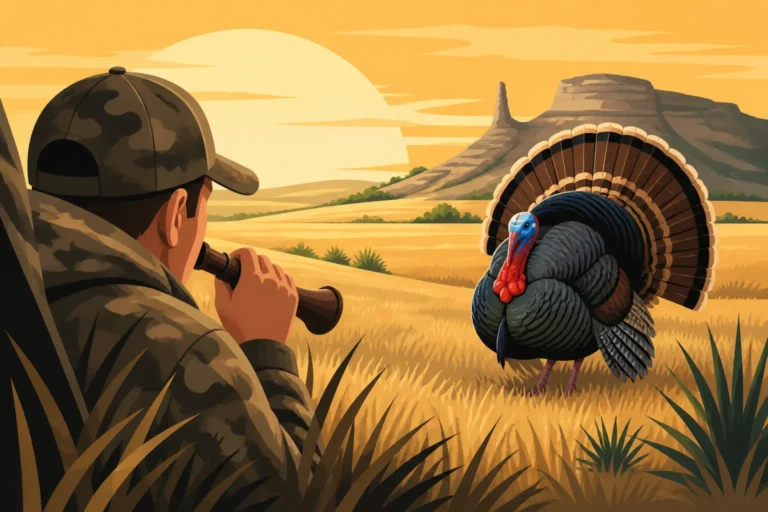
There’s nothing quite as frustrating as a big Kansas longbeard strutting his way in, only to suddenly slam on the brakes, crane his neck, and then spin on a dime and disappear. You’ve put in the work – scouting, calling, waiting – and you thought you had him fooled, but that decoy spread you so carefully placed just didn't seal the deal. This guide is all about helping you understand why that happens and, more importantly, how to set up turkey decoy spreads that consistently bring those wary Kansas gobblers into shotgun or bow range, making sure your next encounter ends with a tag punched.
Understanding Turkey Behavior and Decoy Realism
Kansas turkeys, especially those big, mature gobblers, are incredibly intelligent and observant birds. They’ve seen it all, or at least enough to be wary of anything that doesn't quite look right. Just throwing out a generic decoy and hoping for the best is often a recipe for disappointment, especially on pressured public land or during the later parts of the season.
Why Turkeys Spook from Poor Decoy Setups
Imagine a gobbler strutting across a field, full of confidence, looking for a hen. He sees what he thinks is a receptive hen, or maybe a subordinate jake, but something is off. Maybe the posture is wrong, it's too shiny, or it's just sitting there lifelessly. That’s enough to send him packing. Turkeys communicate constantly through body language, and a decoy that doesn't match a natural pose can be a huge red flag. An overly aggressive jake decoy, for instance, might scare off a timid gobbler if it’s placed too close to his strut zone without a realistic hen nearby to temper the aggression.
Another common mistake is placing decoys in an area where they don't blend in with the natural surroundings. A brightly colored decoy sitting out in short stubble with no cover nearby on a bright, sunny day can look like an ambush waiting to happen. Turkeys use their keen eyesight to scan for danger and abnormalities, and anything that screams "fake" will cause them to keep their distance. Often, hunters place decoys too far away from their position, thinking the turkey needs more space, but this can actually give the bird more time to pick apart the setup and identify flaws.
The Importance of Realistic Decoys and Movement
To truly fool a Kansas gobbler, realism is paramount. Modern turkey decoys have come a long way, with incredibly lifelike paint schemes, feather details, and anatomically correct postures. Gone are the days of flimsy plastic blobs; today’s top-tier decoys are designed to mimic the exact subtle nuances of a real turkey. Brands like Avian-X, Dave Smith Decoys (DSD), and Zink, for example, have invested heavily in creating decoys that look incredibly real, even up close.
Beyond just the appearance, adding subtle movement can be a game-changer. A slight breeze causing a hen decoy to gently turn, or a jake's tail fan to quiver, can be just enough to convince a skeptical gobbler. Some decoys even come with built-in motion systems, or you can improvise with bungees or string to create natural movement. This motion breaks up the static appearance that often gives away a decoy setup. Remember, turkeys are constantly moving, preening, and feeding; a completely motionless decoy can be unnatural. When using tools like the GoHunt app for scouting, pay attention to open areas where you've seen turkeys feeding or strutting naturally, and try to replicate that environment with your decoys.
Essential Turkey Decoy Spreads for Kansas Spring Gobblers
Choosing the right decoy spread often depends on the specific situation, the time of day, and the perceived mood of the gobblers you're pursuing. What works on opening day might not be effective when you're Working a Henned-Up Tom Midday. Flexibility and observation are key to consistent success.
The Lone Hen Approach
Sometimes, less is more. The lone hen decoy spread is a classic for a reason. It’s simple, effective, and less likely to spook a wary gobbler than a more complex setup. This spread works particularly well when you’re dealing with a single gobbler that might be shy or has been pressured. A solitary, receptive hen is an irresistible sight to a lonesome longbeard.
To execute this, place a single hen decoy, ideally in a feeding or breeding posture, about 10-20 yards in front of your blind or calling position. Angle her slightly away from you, so an approaching gobbler will naturally present a broadside or quartering-away shot as he circles to get in front of her. This spread is fantastic for situations where you’re trying to call a gobbler off the roost or when you're hunting smaller timber edges. It doesn't present any perceived threat, only opportunity. Make sure your hen is clean and positioned naturally, perhaps at the edge of a field or a break in the timber.
The Jake and Two Hens Strategy
This is arguably one of the most popular and effective spreads for good reason. It taps into a gobbler’s natural aggression and breeding instinct simultaneously. The idea is to present a scenario where a subordinate jake is attempting to breed with a couple of hens, which infuriates a dominant gobbler into charging in to assert his dominance.
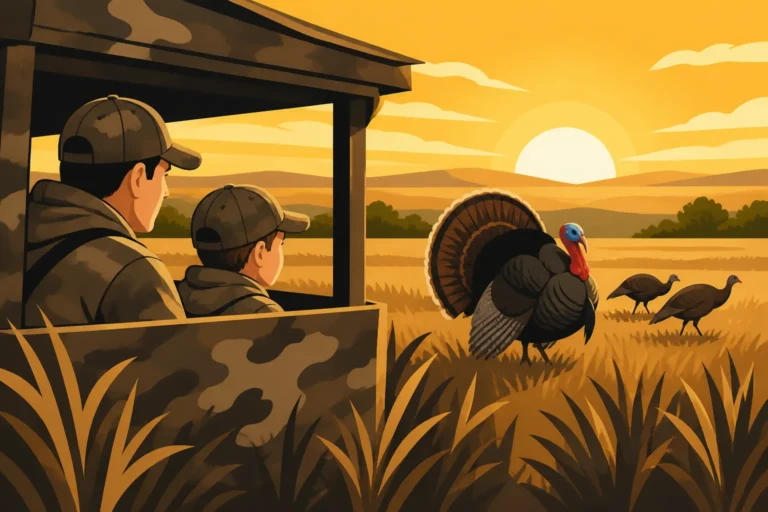
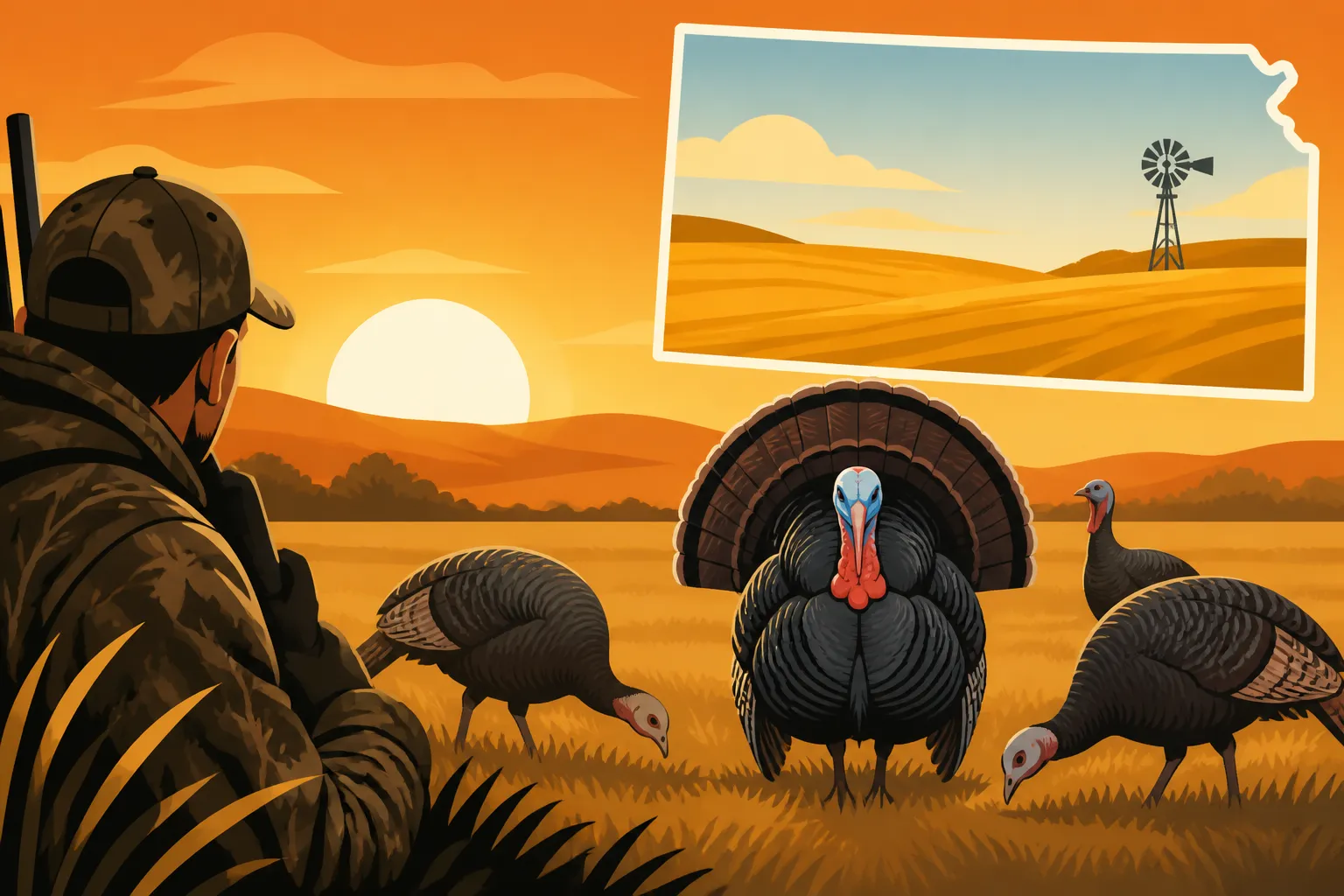
Set up one hen in a receptive or breeding posture, and another hen in a feeding or contented posture, slightly away from the first. Then, place a jake decoy (often a 5/8 or ¼ strut jake) about 2-3 feet behind the receptive hen, as if he's attempting to breed. Position this entire group 15-25 yards from your hiding spot, facing slightly away from your shooting lane. The gobbler will typically approach from the front, eager to confront the jake, giving you a perfect shot opportunity as he closes the distance. This spread is particularly effective during the peak of the Kansas rut when gobblers are feeling feisty. It’s a compelling visual that often proves too much for a mature tom to ignore.
The Dominant Tom and Hen Spread
While less common, using a full-strut gobbler decoy alongside a hen can be highly effective, especially when targeting those extremely dominant, older birds that might ignore a jake decoy. This spread aims to challenge the most alpha gobbler in the area. Seeing another full-strut tom with a hen can be an instant challenge for a territorial bird, often leading to a direct, aggressive charge.
Place your full-strut gobbler decoy facing your ambush point, perhaps 15-20 yards out. Position a single receptive hen decoy slightly behind and to the side of the strutting tom. The incoming gobbler will likely attempt to circle the strutting decoy to challenge it head-on, giving you a good shot. This is a high-risk, high-reward strategy. If there’s not a truly dominant bird in the area, or if you’re hunting highly pressured birds, this spread might be too intimidating and cause them to hang up or circle wide. However, for a truly aggressive longbeard, it can be dynamite. Use this spread when you’ve heard a gobbler consistently sounding off and feel he's looking for a fight.
Fan Decoy (Reaping) Tactics and Considerations
Reaping or fanning, using a real or artificial turkey fan as a decoy, has gained popularity, particularly for aggressive tactics in open country. This method involves slowly advancing on a gobbler while holding a fan in front of you, mimicking a strutting tom. The goal is to provoke an aggressive charge from the gobbler, who mistakes the fan for a rival.
While incredibly exciting, reaping requires extreme caution and is generally only recommended on private land where you are 100% certain of what's beyond the fan. On public land, or any area where other hunters might be present, it can be incredibly dangerous. Always prioritize Public Land Turkey Safety. If you do choose to reap, ensure you have an orange hat or vest visible on your back for safety. When successfully executed, it can lead to heart-stopping, close-range encounters. For stationary fanning, you can set a fan behind a jake or hen decoy to add realism, or even just stake a fan by itself to draw curious birds from a distance, especially if you’re trying to entice a hesitant gobbler to close the last few yards.
Here's a quick comparison of common turkey decoy spreads:
| Decoy Spread | Ideal Situation | Pros | Cons | Recommended Decoys |
|---|---|---|---|---|
| Lone Hen | Shy/pressured gobblers, quiet mornings | Simple, less intimidating, very natural | May not trigger aggression | Feeding hen, breeding hen |
| Jake & Two Hens | Peak rut, aggressive gobblers | Triggers dominance & breeding instinct | Can be intimidating to timid gobblers | 5/8 strut jake, receptive hen, feeding hen |
| Dominant Tom & Hen | Highly territorial gobblers | Strong challenge, often aggressive charge | High risk, can spook less dominant birds | Full-strut gobbler, receptive hen |
| Fan Decoy (Reaping/Stationary) | Aggressive tactics, open country (reaping); adding realism | Exciting, provokes strong response | Safety concerns (reaping), less versatile | Real or artificial fan, often combined with jake/hen |
Key Factors for Decoy Placement and Success
Beyond just the type of spread, where and how you place your decoys significantly impacts their effectiveness. Ignoring these details can quickly turn a potential success into a frustrating encounter. Many hunters focus solely on calling, but without proper decoy placement, those calls might just bring birds close enough to identify your flaws.
Wind Direction and Visibility
Wind direction is crucial for two main reasons: scent control and the natural approach of a turkey. Turkeys have an incredible sense of smell, though not as acute as a deer, and any human scent wafting towards your setup can spook them. Always try to set up with the wind in your face or quartering, so your scent blows away from where you expect turkeys to approach.
Furthermore, turkeys prefer to approach danger or perceived rivals with the wind in their face, allowing them to use their senses most effectively. Position your decoys so that a gobbler approaching from downwind will naturally walk into your desired shooting lane. Consider the terrain and how it will funnel the wind. For visibility, always place your decoys in an open area where they can be seen from a distance, but still offer enough cover for you. An open field edge, a food plot, or a small clearing in the timber are prime locations. Using the GoHunt mapping features can help you identify these open areas and plan your setup.
Choosing the Right Terrain for Your Spread
The terrain dictates everything from visibility to how a turkey will approach. In flat farm country, like much of Kansas, decoy placement in open fields or along timber points is common. Here, visibility is usually excellent, so you need to be mindful of your own concealment. Setting up at the corner of a crop field where turkeys often enter, or along a slight rise, can maximize visibility for your decoys. For an article covering Hunting Inside Corners of Crop Fields, decoy placement is discussed extensively.
In river bottoms or creek draws, where cover is denser and terrain more broken, you might need to place decoys closer to your position, knowing visibility is limited. Look for natural clearings, logging roads, or small openings where sunlight can hit your decoys. Remember, turkeys like to strut in open areas, so find these natural stages. If you are Scouting Kansas River Bottoms and Creek Draws, keep an eye out for these ideal decoy locations. Natural funnels can also guide turkeys directly to your spread; consider placing decoys near fence crossings deer use every day, or at the end of a shelterbelt.
Decoy Maintenance and Scent Control
Decoys aren't just for show; they need care to remain effective. Over time, decoys can get shiny from sun exposure, scuffed from transport, or covered in dust and mud. A shiny decoy can reflect sunlight unnaturally, immediately signaling "fake" to a keen-eyed gobbler. Regularly clean your decoys with a rag and some non-scented soap, and consider using a dulling spray if they become too reflective.
Scent control is often overlooked in turkey hunting, but it shouldn't be. Turkeys might not rely on scent as much as deer, but they can still detect human odors, especially at close range. Always handle your decoys with clean gloves, or wash your hands thoroughly before touching them. Store them in scent-free bags or containers, away from gas cans, food, or anything that could impart an unnatural smell. When deploying them, try to minimize direct contact with your bare hands. This small effort contributes to the overall realism of your setup and prevents a gobbler from catching a whiff of something suspicious just as he’s about to commit.
Advanced Tips and Troubleshooting Common Issues
Even with the best decoys and perfect placement, turkeys can be unpredictable. There will be days when everything seems to go wrong. Knowing how to adapt and troubleshoot is the hallmark of a successful turkey hunter.
Adjusting Spreads to Changing Turkey Moods
Turkeys, like people, have moods, and their behavior can change drastically throughout the spring season and even during a single day. Early season gobblers might be aggressive and quick to respond to a jake decoy, but as the season progresses and they’ve been pressured, they might become more cautious and only respond to subtle hen calls and a single, receptive hen decoy.
If gobblers are hanging up at 60 yards, refusing to commit, consider reducing the number of decoys or switching to a less aggressive spread like the lone hen. If you’re dealing with a gobblers that consistently circles wide, try moving your decoys further from your position, perhaps to 25-30 yards, to give them more room to commit without feeling ambushed. Pay attention to how turkeys are reacting. Are they strutting hard and gobbling, indicating aggression, or are they quietly easing in, suggesting wariness? Your decoys should reflect that mood. Don't be afraid to change your setup mid-hunt if what you're doing isn't working; it's better to adapt than to stubbornly stick with a failed strategy.
Combining Decoys with Calling Strategies
Decoys and calling are two sides of the same coin; they work best in tandem. Your calling brings the turkey into the vicinity, and the visual of your decoys seals the deal. The cadence and type of call should align with your decoy spread. If you have a jake and hens out, a mix of excited yelps, clucks, and purrs, mimicking a contented flock, can be incredibly effective. If you’re using a lone hen, soft tree yelps and contented clucks from your calling position can make that single decoy seem even more inviting.
When a gobbler is approaching, it's often wise to soften your calls or even go silent as he gets within sight of the decoys. Let the visual attraction do the work. Overcalling can sometimes scare a bird, especially if he sees the "source" of the call (your decoy) but hears it coming from a different direction (your blind). Use subtle clucks and purrs to keep him interested, but let the decoys finish the job. Resources like GoHunt often provide articles or videos on combining these techniques for optimal success, tailoring strategies for different phases of the season.
What to Do When Turkeys Hang Up
It's the age-old problem: a gobbler struts into view, sees your spread, and then stops dead at 80 yards, gobbling but refusing to come closer. When a turkey hangs up, it usually means something doesn't look quite right, or he's waiting for the hen to come to him. Resist the urge to call aggressively; this often makes the situation worse.
One tactic is to simply wait him out. Sometimes, patience is the best tool. If he’s still hung up after a considerable amount of time, consider making a very soft, subtle cluck or purr. This can sometimes give him the confidence to take those last few steps. If you're concealed well, and it's safe to do so, a very slow, subtle movement of a fan decoy can sometimes be enough to re-engage him. Another option, especially if you have a second hunter, is for one hunter to slowly circle wide and attempt to call from a different direction, making the decoys seem more legitimate from the gobbler's perspective. Understanding how to react when a gobbler is hesitant is key to Calling a Henned-Up Kansas Gobbler. Remember, a hung-up gobbler isn’t necessarily a lost cause, but it requires finesse and understanding to coax him into range.
Disclaimer
The information provided in this guide is for informational purposes only and is not intended as a substitute for official hunting regulations. Always consult the latest Kansas Department of Wildlife, Parks, and Tourism (KDWPT) regulations before any hunting activity. Hunting safely and ethically is your responsibility.