Hunter Orange Rules During Firearm Season
Kansas firearm deer season requires wearing five hundred square inches of solid blaze orange visible from all directions.
Close the distance.
Archery, muzzleloader, and firearm techniques — calling, stand placement, still-hunting, spot-and-stalk, and the weapon rules that change at the state line.
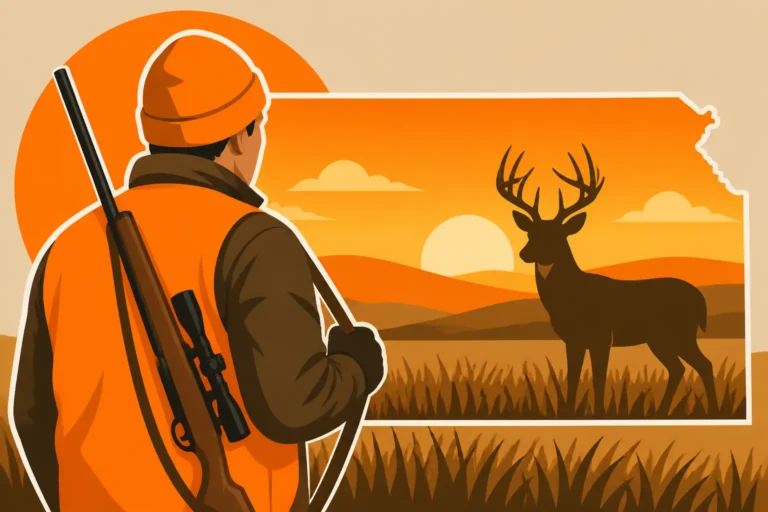
Kansas firearm deer season requires wearing five hundred square inches of solid blaze orange visible from all directions.
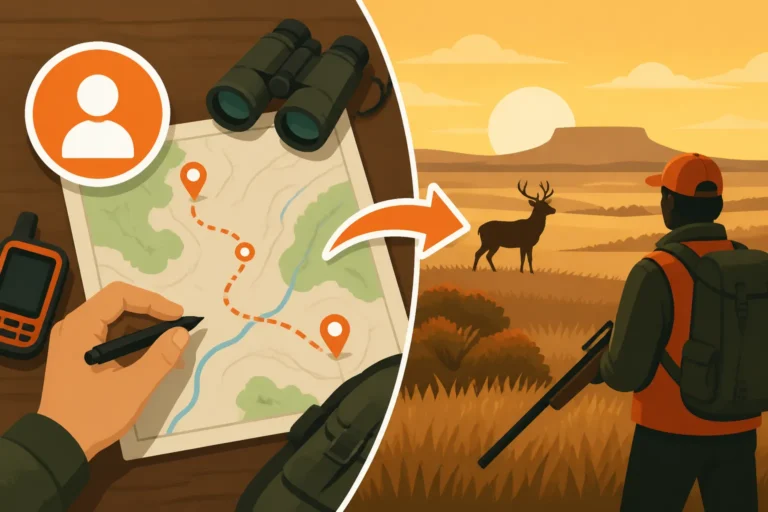
Leaving a trip plan for public land hunting in Kansas helps emergency responders find you quickly if an accident occurs.
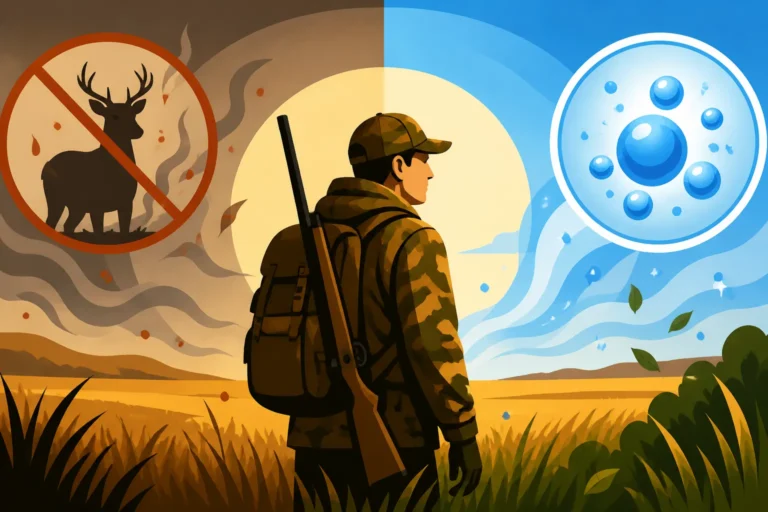
Ozone generator claims and traditional scent control methods explained for Kansas hunters managing whitetail deer odor and sweat.
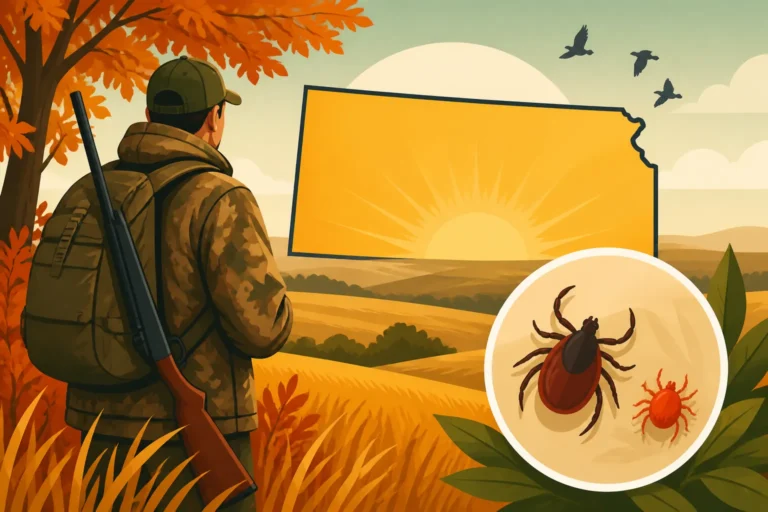
Kansas tick and chigger activity continues in September due to warm weather, enabling hunters to defend against bites effectively.
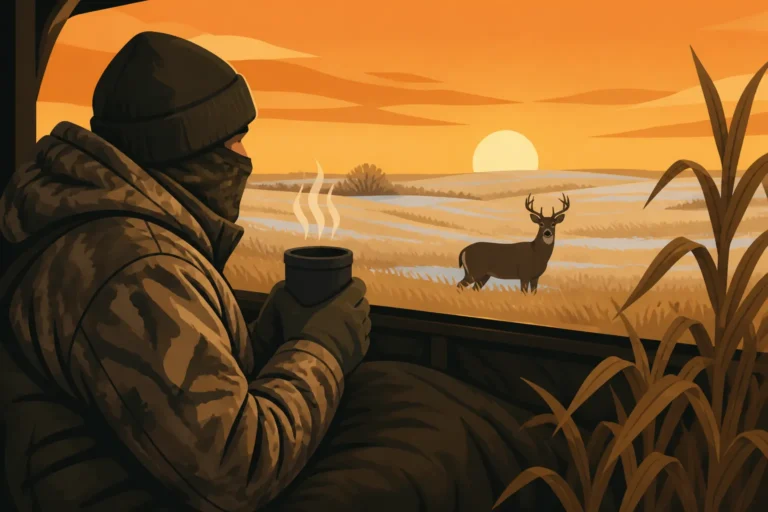
Kansas December deer hunting strategies, layering systems, and cold weather techniques help hunters stay warm during late season sits.
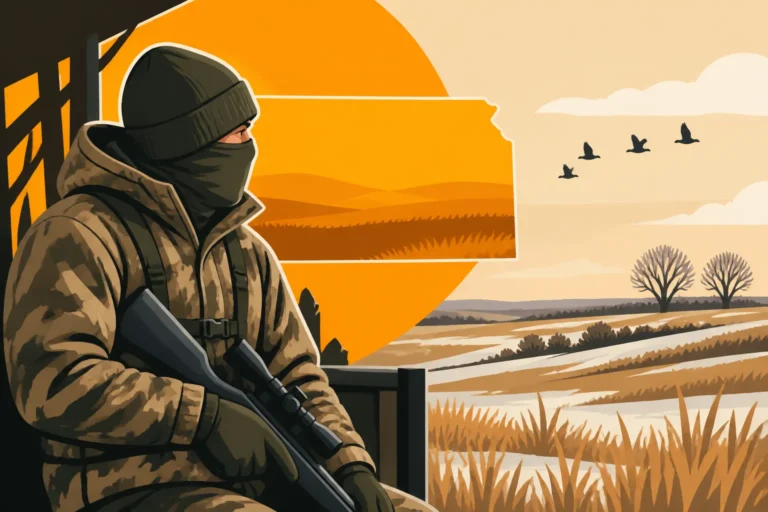
Cold weather deer hunting clothing strategies explain how layers and windproof gear manage winter temperatures and wind.
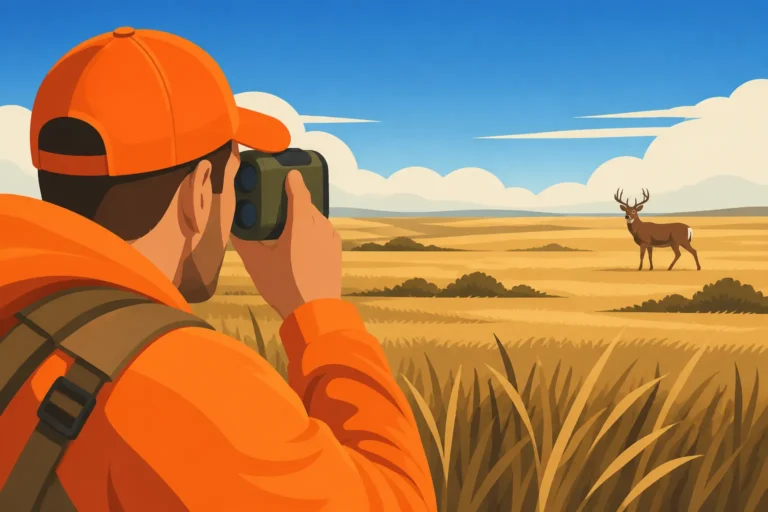
Rangefinding in Kansas prevents distance errors caused by flat milo fields, CRP grass tracts, and atmospheric conditions.
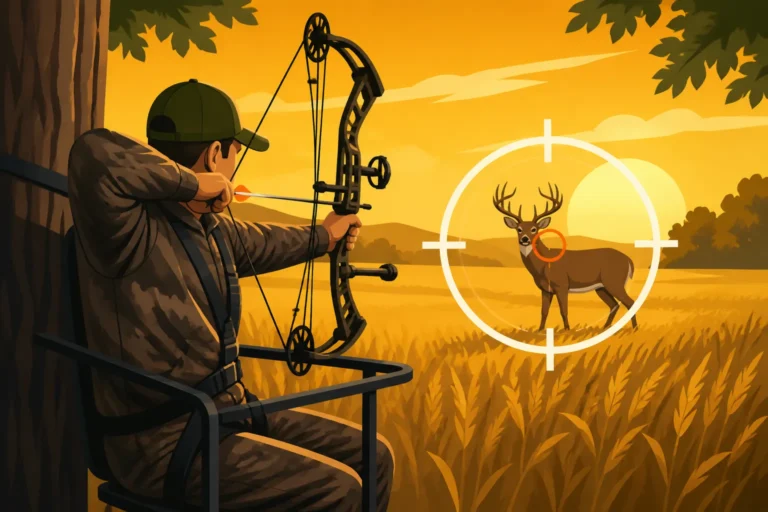
Treestand practice helps hunters master the angle challenges and body mechanics required to hit elevated targets like Kansas whitetail.
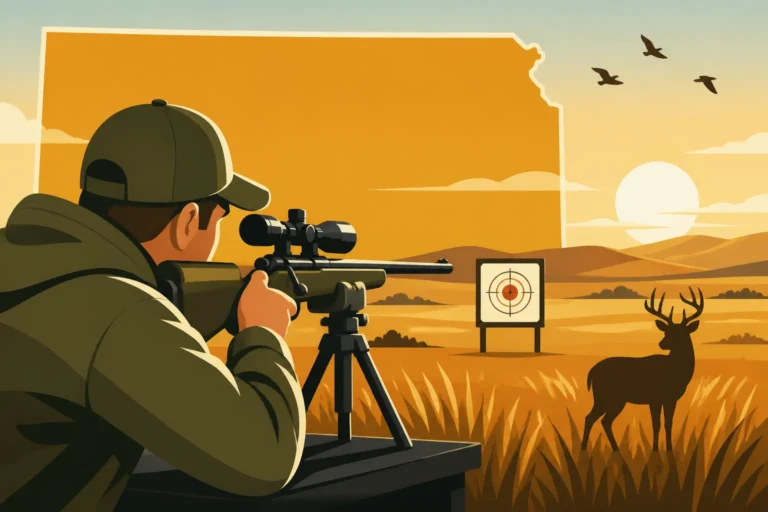
Proper rifle sighting in Kansas prevents wounded deer during firearm season by ensuring accurate shots between fifty and two hundred fifty yards.
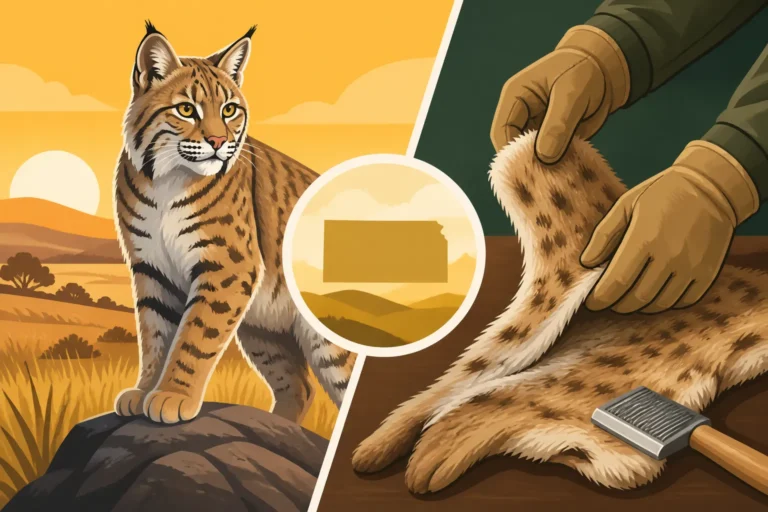
Kansas bobcat season dates, furharvester licensing, legal trapping methods, and pelt handling rules are explained for hunters.