Prairie Chicken Tactics in Flint Hills Grass
Prairie chicken hunting tactics in the Kansas Flint Hills help hunters navigate tallgrass prairie grasses and locate seasonal bird coveys.
Close the distance.
Archery, muzzleloader, and firearm techniques — calling, stand placement, still-hunting, spot-and-stalk, and the weapon rules that change at the state line.
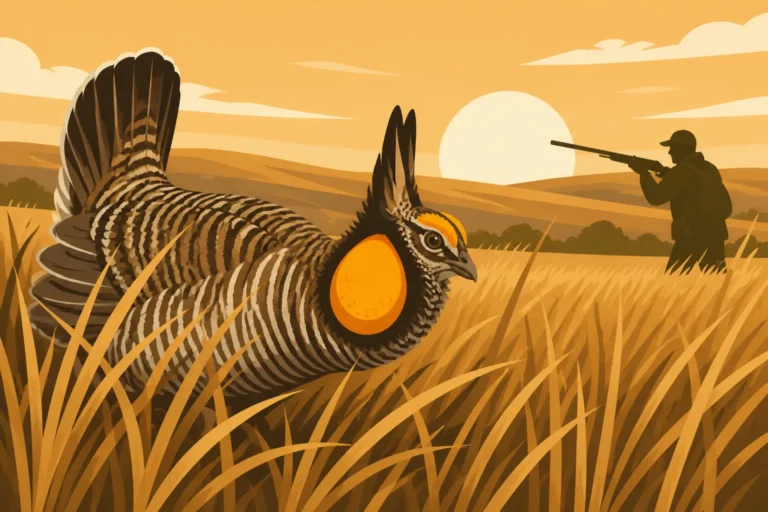
Prairie chicken hunting tactics in the Kansas Flint Hills help hunters navigate tallgrass prairie grasses and locate seasonal bird coveys.
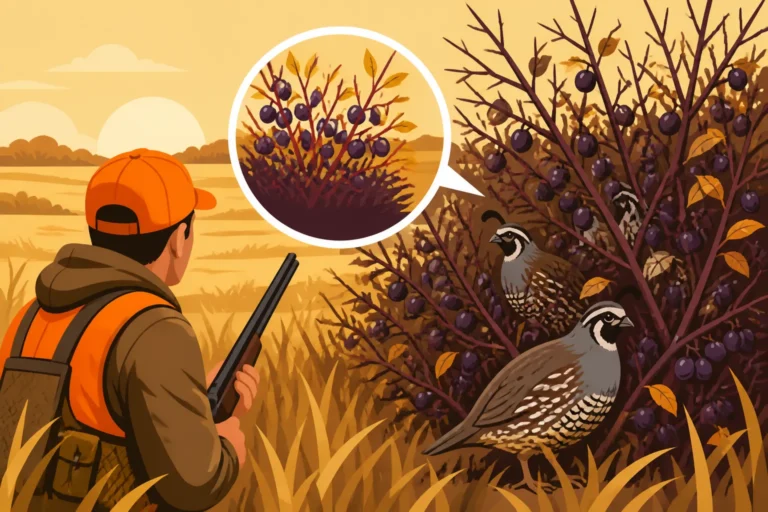
Kansas plum thickets provide bobwhite quail with protective cover and thermal shelter, and hunters can learn how to locate them.
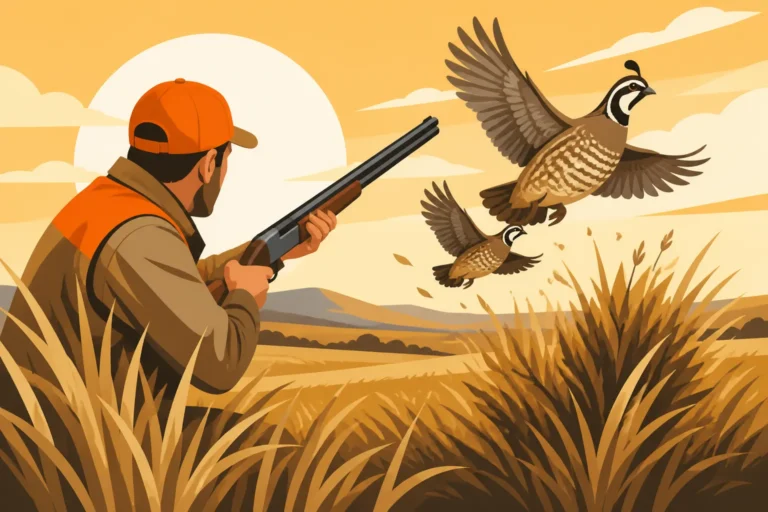
Kansas Bobwhite quail hunting tactics explain how to find birds in plum thickets, read landscapes, and use stop and go methods.
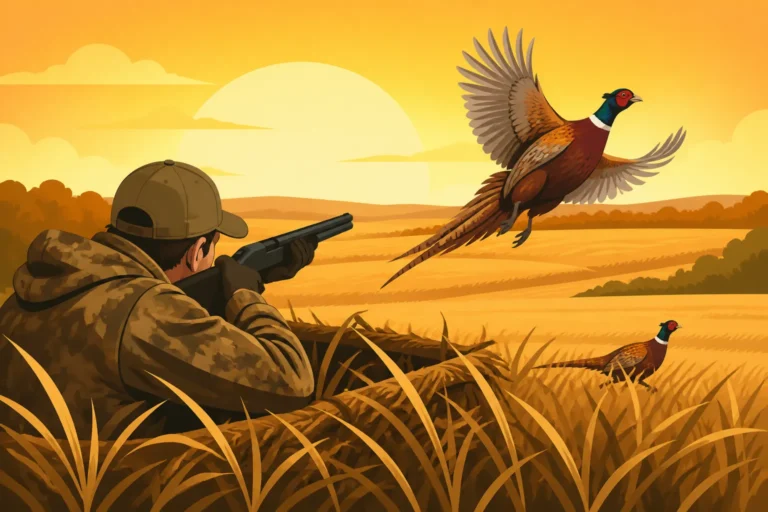
Blocking a Kansas milo field end stops running roosters from escaping and turns wary pheasants into close flushes for hunters.
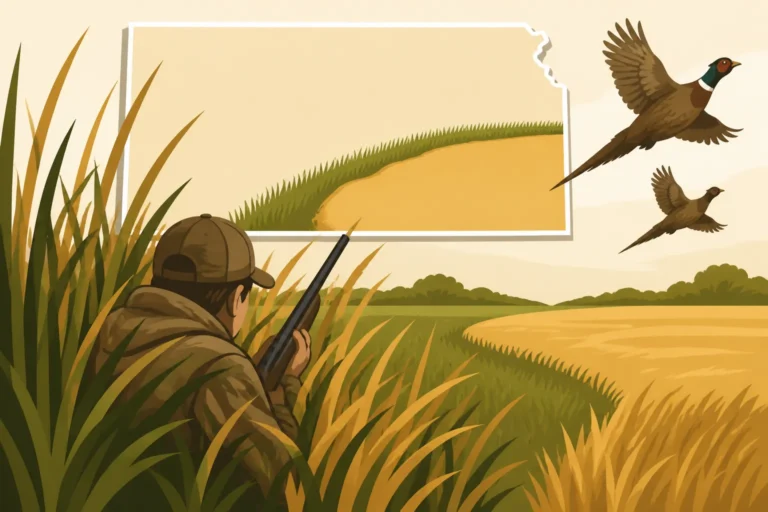
Kansas pheasant and quail hunting strategies help dogless hunters read tracks, listen for calls, and increase flush rates.
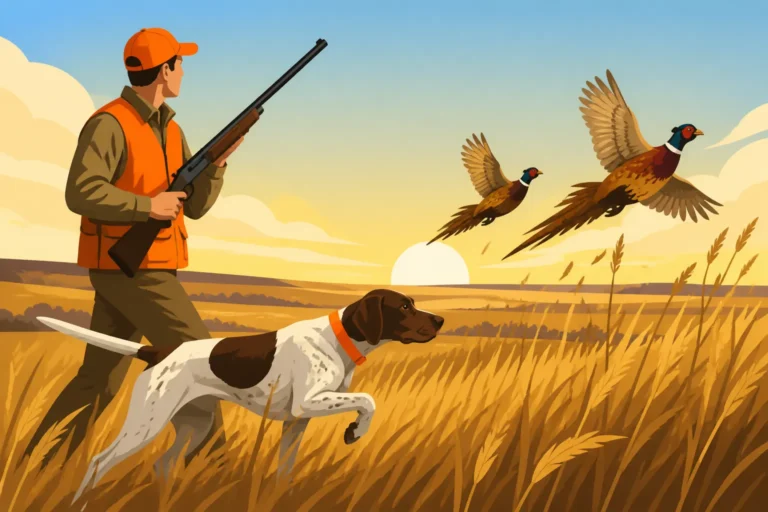
Kansas pheasant hunting in milo stubble fields explains how solo hunters can systematically walk rows to anticipate flushes.
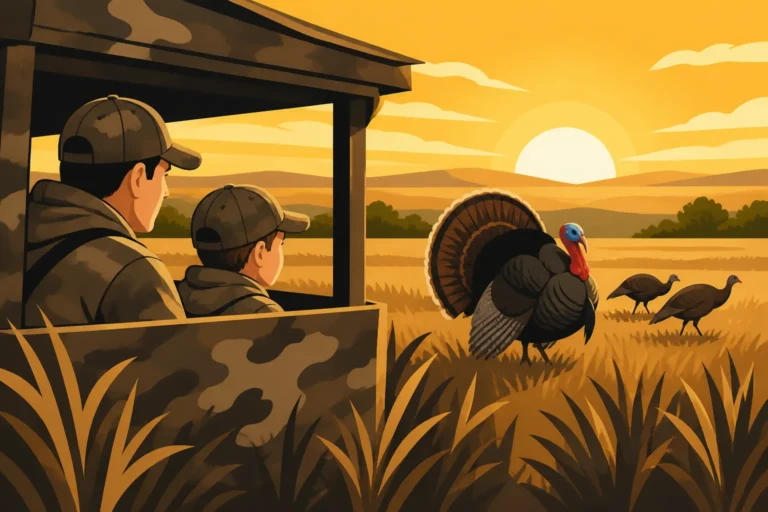
Ground blinds for turkey hunting in Kansas help conceal movement and protect children from changing spring weather conditions.
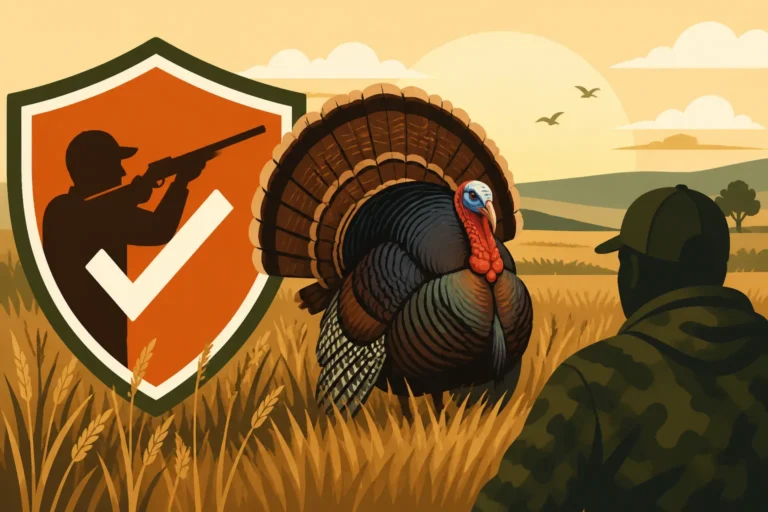
Kansas public land turkey safety protocols, smart hunting practices, and situational awareness tips for spring hunters sharing the woods.
Kansas turkey hunting regulations allow reaping and fanning, but demand extreme safety caution from hunters using this aggressive visual decoy tactic.
Effective turkey decoy spreads and realistic body postures help hunters bring wary Kansas gobblers into shotgun range.