Working a Henned-Up Tom Midday
Henned-up turkey behavior during midday hunts explains how aggressive tactics separate dominant gobblers from their harem.
Close the distance.
Archery, muzzleloader, and firearm techniques — calling, stand placement, still-hunting, spot-and-stalk, and the weapon rules that change at the state line.
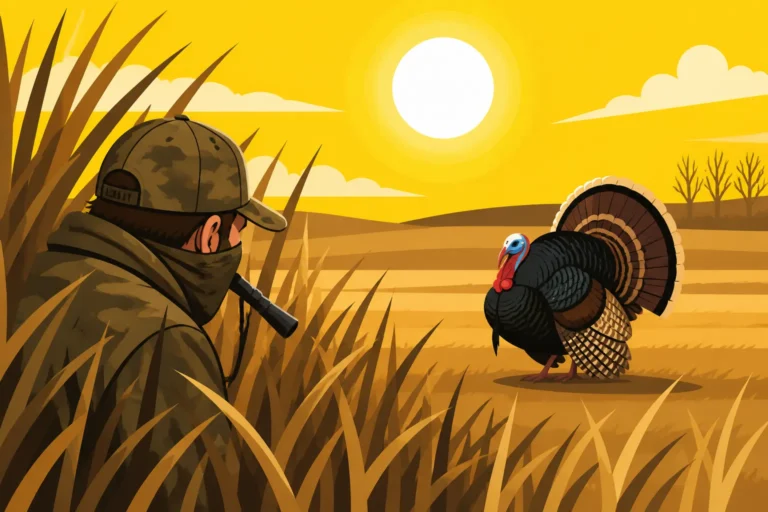
Henned-up turkey behavior during midday hunts explains how aggressive tactics separate dominant gobblers from their harem.
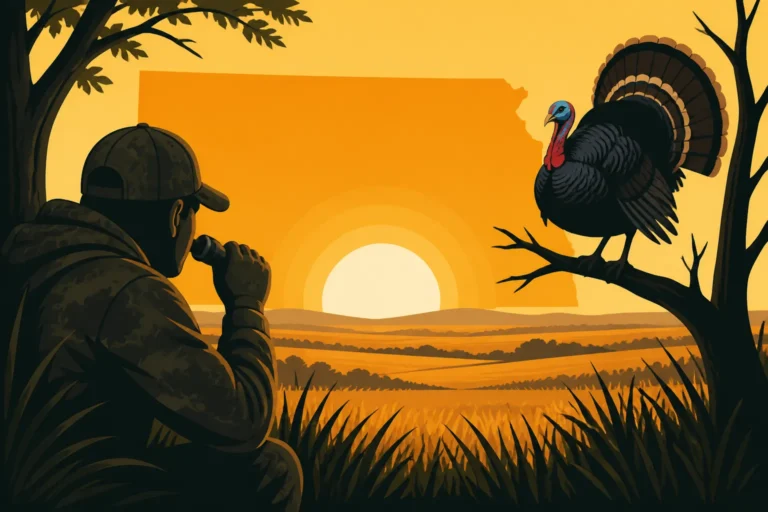
Kansas spring turkey hunting tactics and morning roost habits explain how hunters can consistently coax stubborn toms into setups.
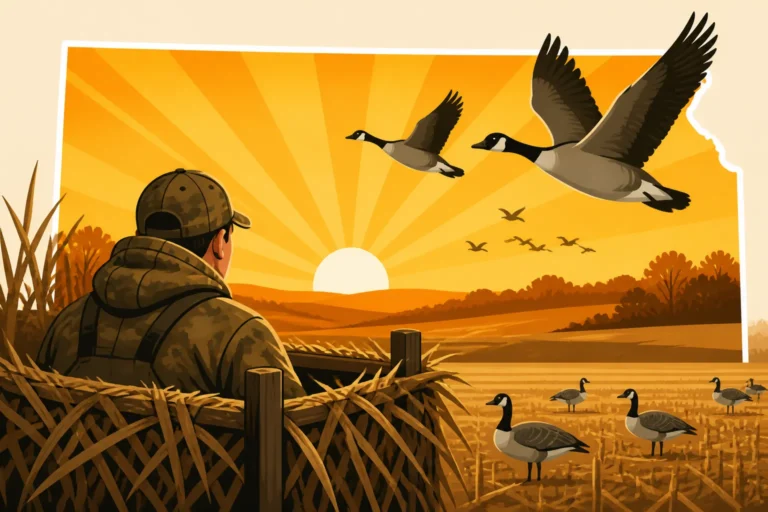
Wild turkey roosting behavior and evening scouting methods help hunters plan morning ambush setups near Kansas river bottoms.
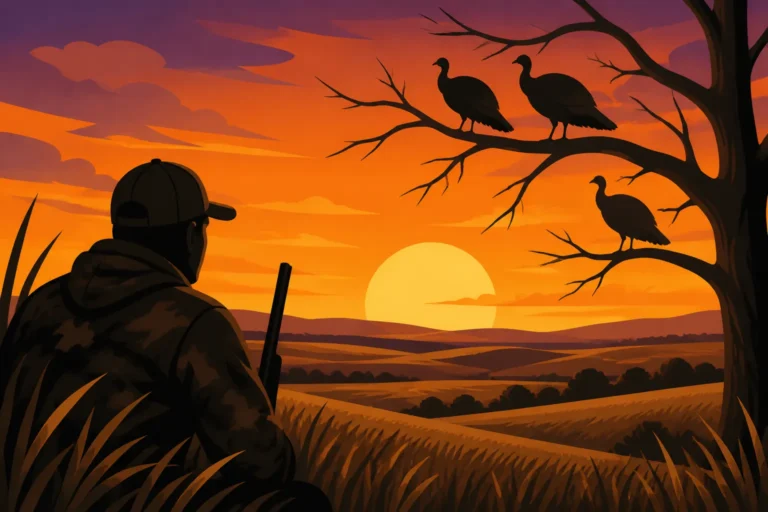
Evening roosting in Kansas helps turkey hunters locate roost trees, plan silent approaches, and improve morning hunting success.
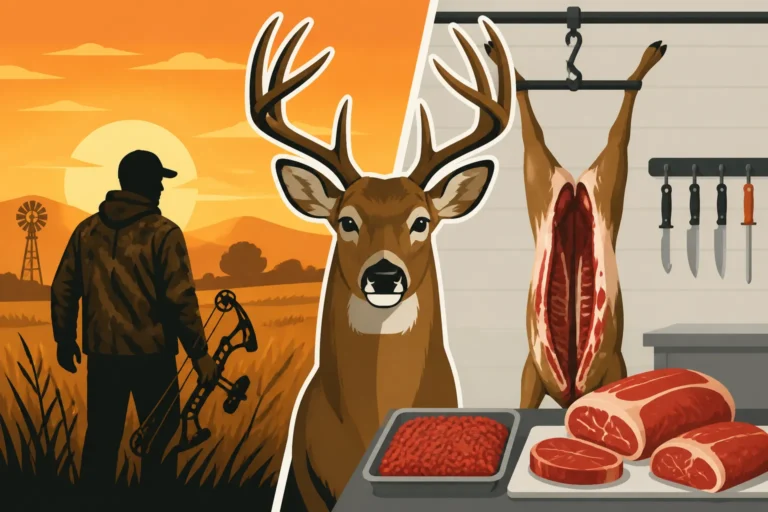
Home deer processing in Kansas eliminates commercial fees of one hundred to two hundred fifty dollars while ensuring meat quality.

Kansas deer firearm season creates processing bottlenecks because many hunters harvest animals during a short twelve day window.
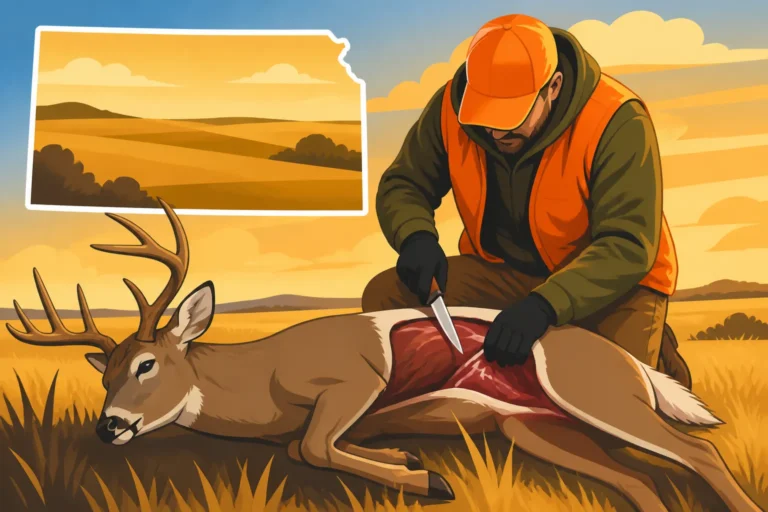
Field quartering a Kansas deer breaks down heavy loads into manageable pieces and cools venison faster to prevent meat spoilage.
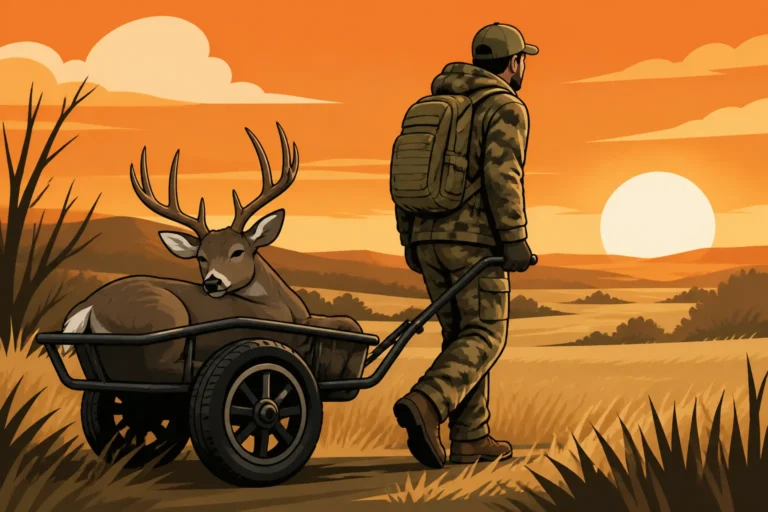
Deer carts help solo hunters transport 200 pounds of harvested deer across Kansas public land and rugged terrain without motorized vehicles.
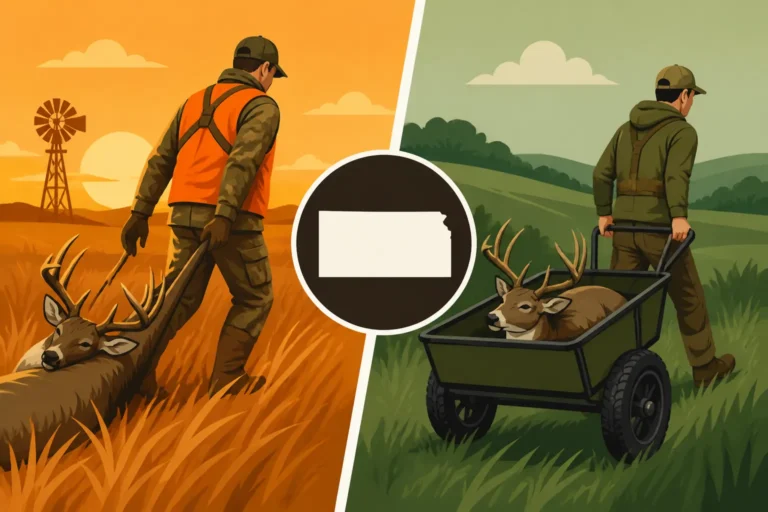
Dragging versus cart hauling deer in Kansas explains how ropes, harnesses, and field dressing weights affect solo animal recovery.
Cooling a deer during early Kansas September archery season prevents meat spoilage caused by warm temperatures and internal body heat.