Game You Cannot Hunt in Kansas
Protected wildlife species in Kansas, including endangered animals and native non-game birds, are strictly off-limits to hunters.
Know what you’re after.
Big game, small game, upland birds, and waterfowl — identification, behavior, rut and migration timing, and how each species moves through the season.
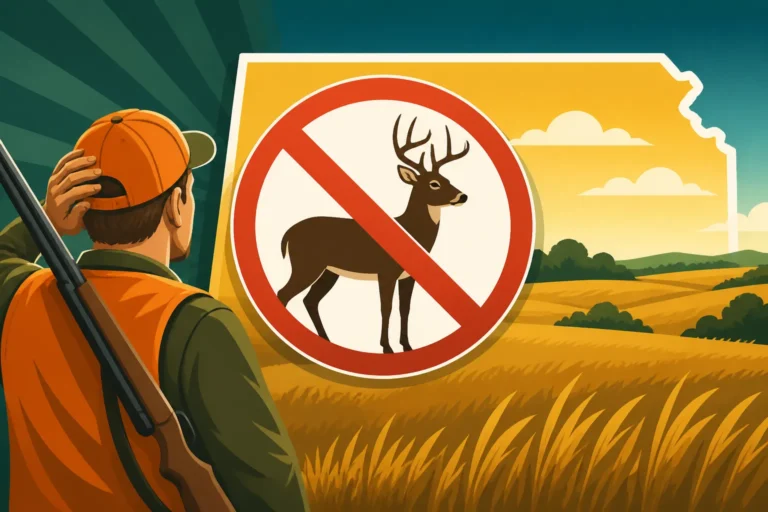
Protected wildlife species in Kansas, including endangered animals and native non-game birds, are strictly off-limits to hunters.
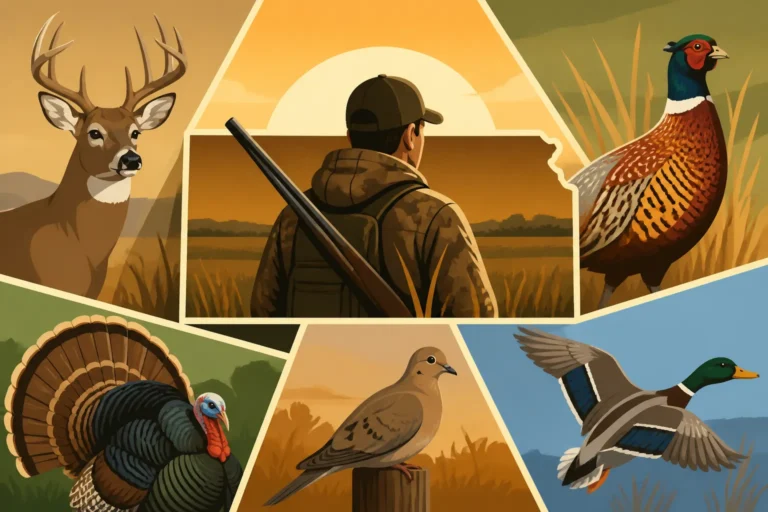
Kansas hunters harvest whitetail deer and wild turkeys most often, utilizing long seasons from September through January with various weapons.
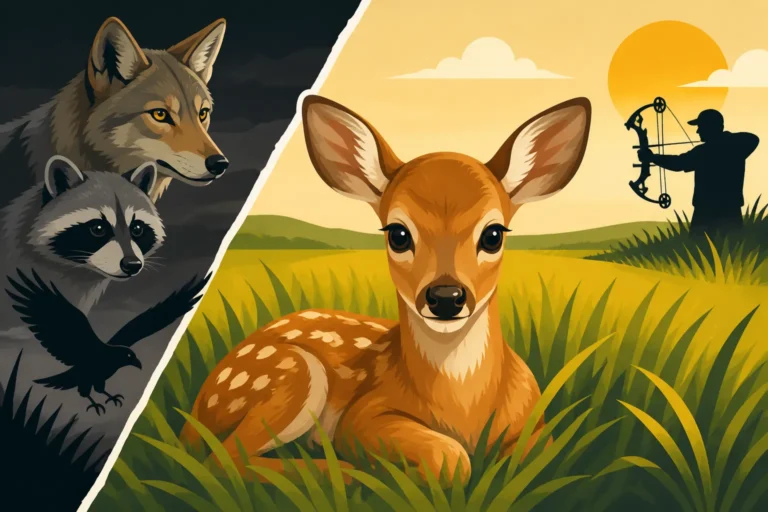
Predator impact on Kansas whitetail fawns explains early life survival challenges and how habitat and nutrition affect deer herds.
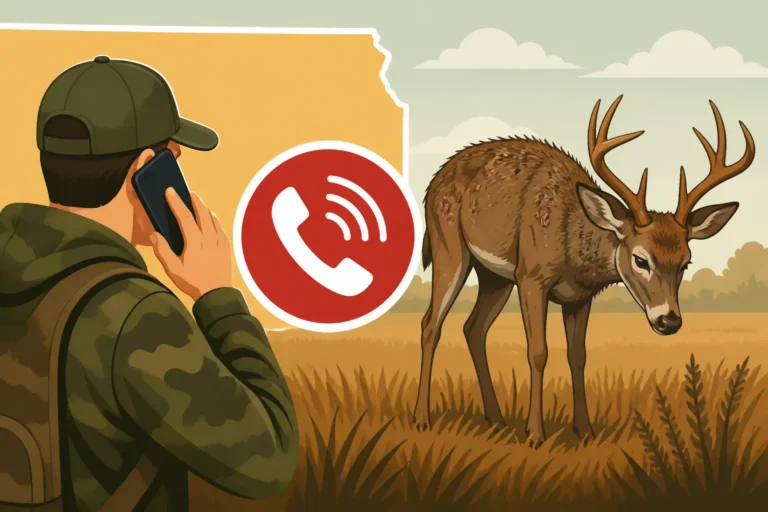
Kansas wildlife disease reporting procedures help the Kansas Department of Wildlife and Parks monitor herd health and prevent outbreaks.
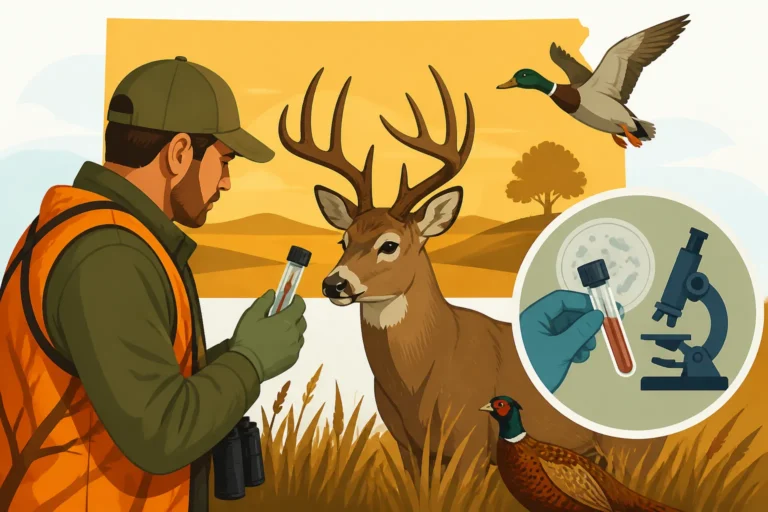
Kansas wildlife disease monitoring protects hunter health, safeguards game populations, and tracks common animal illnesses across the state.
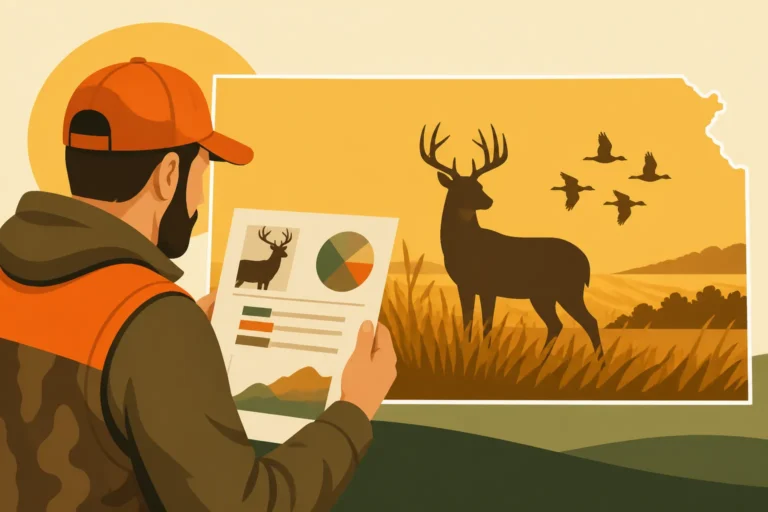
Kansas harvest reports detail deer population trends, hunter success rates, and permit allocations to help plan hunting seasons.
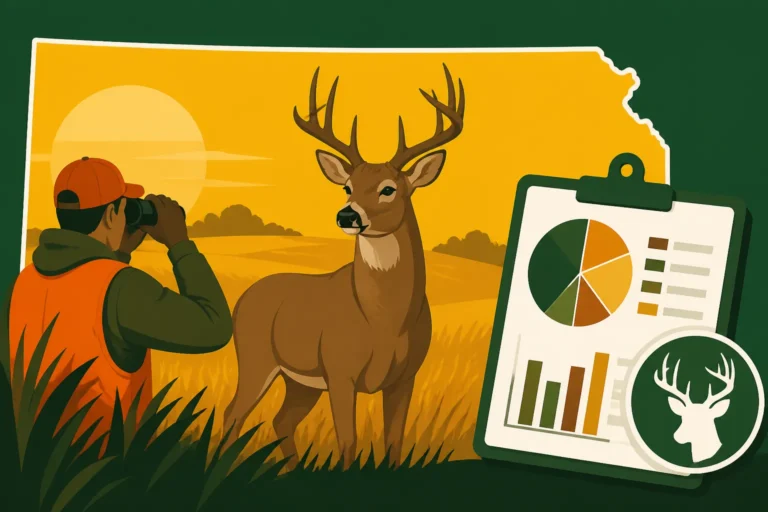
Kansas deer harvest survey data explains population trends, permit allocations, and hunting strategies compiled by the wildlife department.
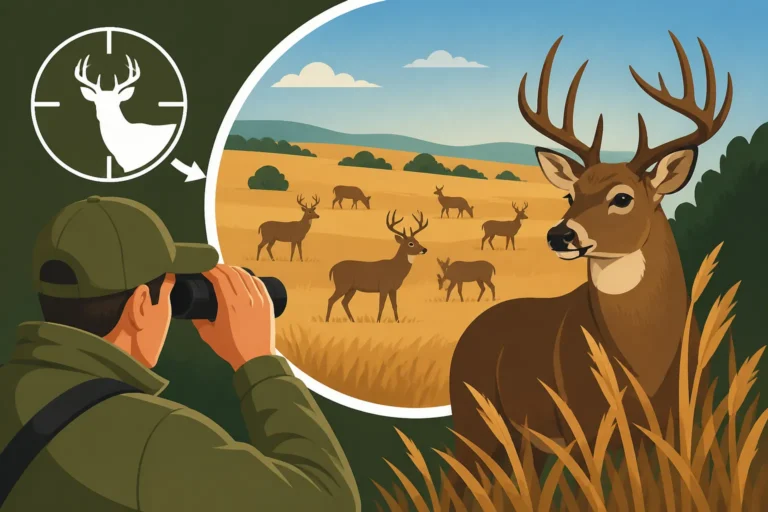
The Kansas Department of Wildlife and Parks uses spotlight counts and thermal imaging surveys to estimate deer populations.
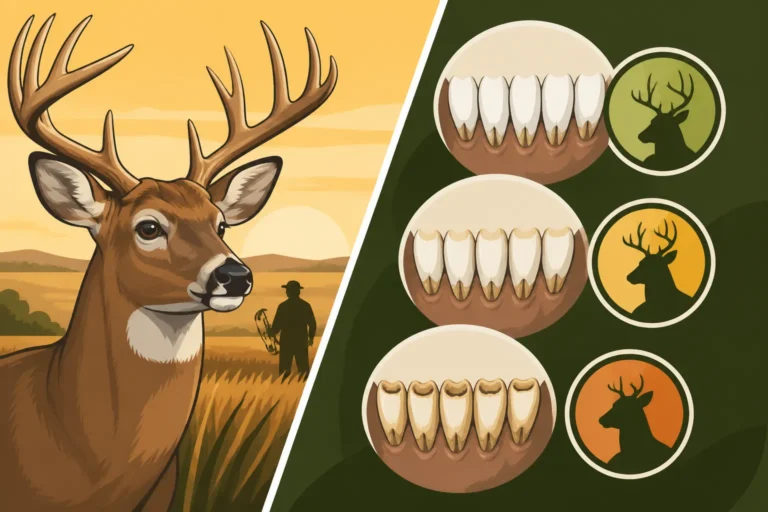
Kansas deer age estimation techniques using teeth help hunters evaluate population dynamics and make informed harvest decisions.
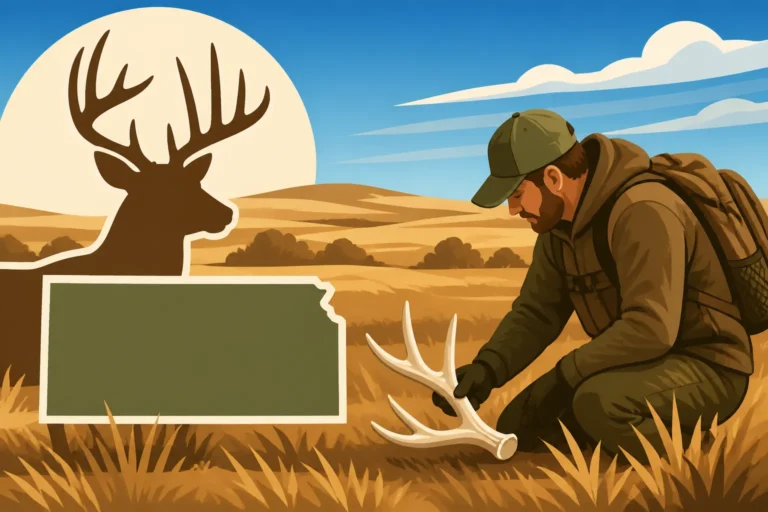
Kansas public land deer shed hunting regulations, permit differences, and antler collection rules explained clearly for outdoors enthusiasts.