When Kansas Bucks Shed Antlers
Kansas whitetail bucks shed their antlers between mid-January and early March, driven by daylight hours and post-rut nutrition.
Know what you’re after.
Big game, small game, upland birds, and waterfowl — identification, behavior, rut and migration timing, and how each species moves through the season.
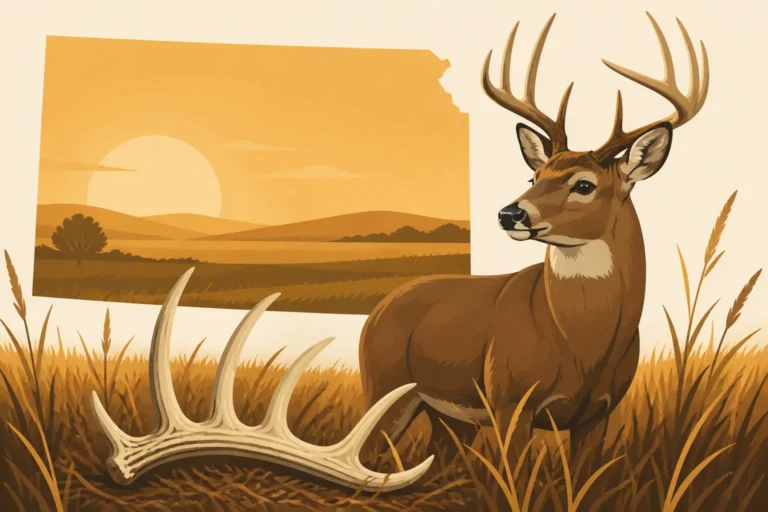
Kansas whitetail bucks shed their antlers between mid-January and early March, driven by daylight hours and post-rut nutrition.

Kansas whitetail deer nutrition, genetics, and age explain antler growth and why bucks reach prime size at four to six years.
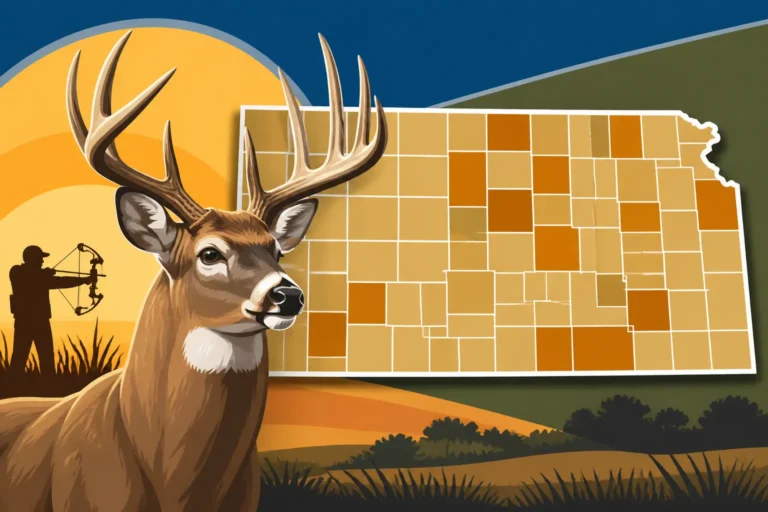
Kansas whitetail deer records reveal which counties consistently produce heavy-horned trophy bucks with exceptional antlers.
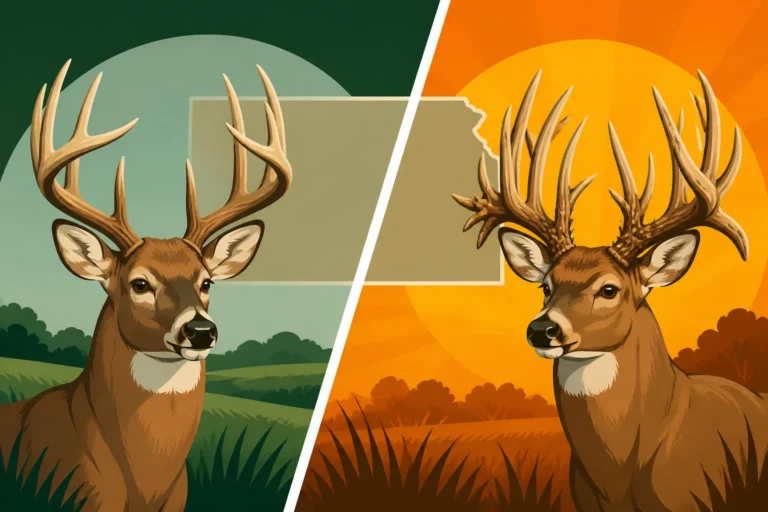
Typical and non-typical whitetail racks differ in bilateral symmetry, scoring deductions, and abnormal antler point growth patterns.
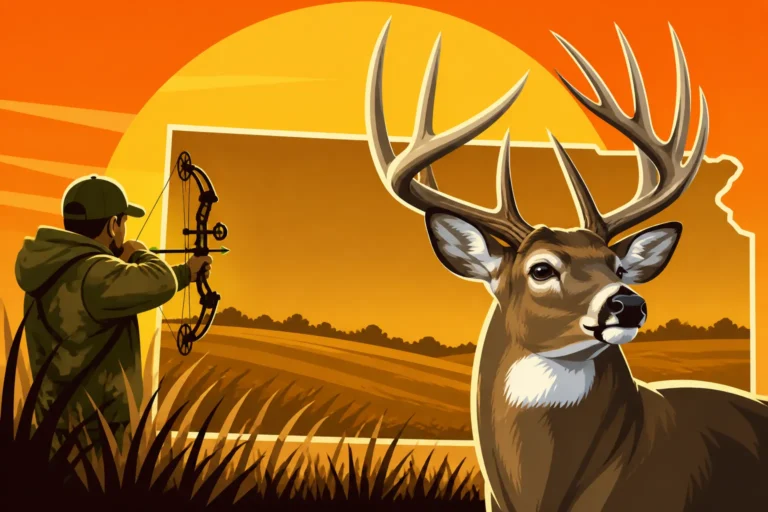
Scoring a whitetail rack explains how to measure main beams, typical tines, and points using the Boone and Crockett system.
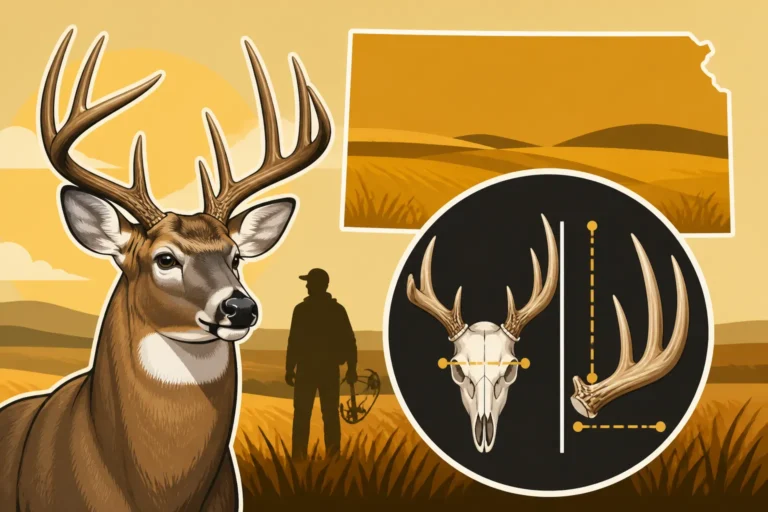
Boone and Crockett whitetail scoring system minimum requirements, gross and net measurements, and antler characteristics.

Kansas record book whitetails demand specific genetics, agricultural nutrition, and mature age structures for official trophy status.
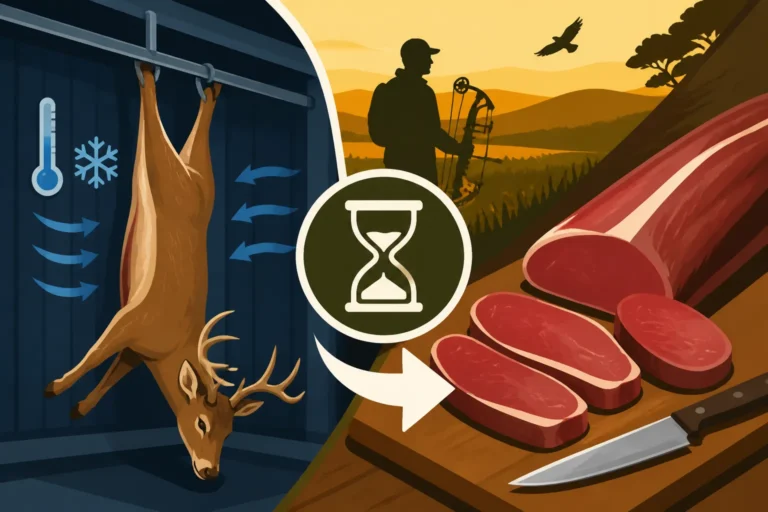
Aging venison allows natural enzymes to break down proteins and connective tissues, increasing meat tenderness and flavor.
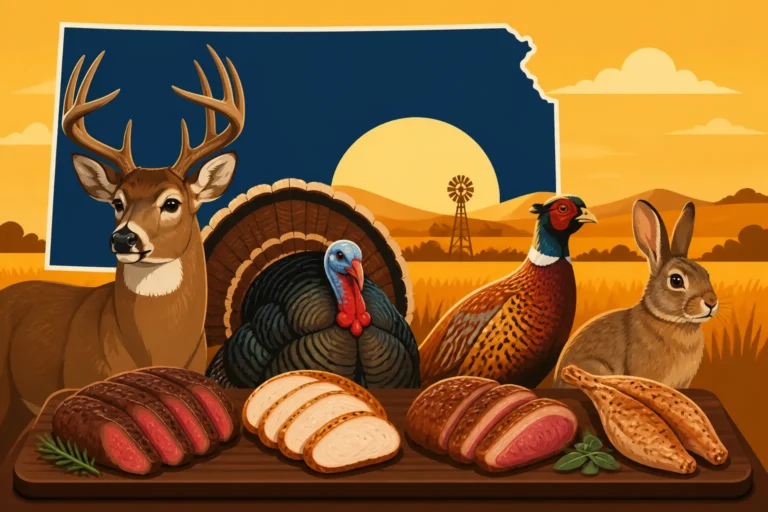
Kansas whitetail deer and upland birds offer distinct flavors. The text explains how species, age, diet, and handling affect taste.

Pheasant and quail meat handling techniques explain how to quickly cool, field dress, pluck, and preserve upland game birds.