Boone and Crockett Minimums for Whitetail
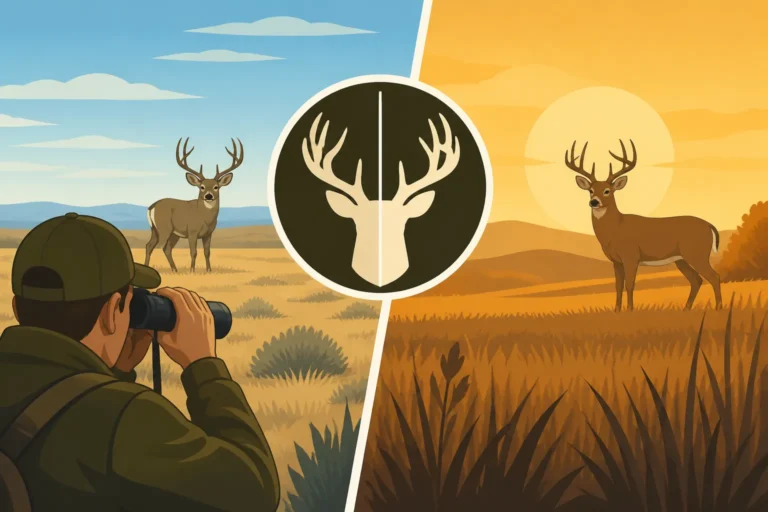
For many dedicated deer hunters, the dream of a Boone and Crockett whitetail buck isn't just about the score; it's about the pinnacle of a lifelong pursuit, the culmination of scouting, patience, and a deep respect for the animal. But navigating the specific criteria and minimums can feel like trying to read ancient hieroglyphs, especially when you’re focused on the specific characteristics that make Kansas a trophy hotbed. This guide is here to demystify the Boone and Crockett Club's scoring system and its minimum requirements, helping you understand what it truly takes to pursue and potentially register a record-book whitetail, particularly in the big buck country of Kansas.
What is the Boone and Crockett Club and Its Purpose?
The Boone and Crockett Club is more than just a record-keeping organization for big game; it's a cornerstone of wildlife conservation in North America. Founded in 1887 by Theodore Roosevelt, its mission extends far beyond antler measurements, aiming to promote fair chase hunting, conserve wildlife and habitat, and educate the public on sound wildlife management principles. For hunters, it represents a standard of excellence and an ethical approach to the pursuit of big game.
A Legacy of Conservation and Fair Chase
The concept of "fair chase" is central to the Boone and Crockett Club's ethos. It emphasizes hunting animals under conditions that do not confer an unfair advantage to the hunter, upholding the challenge and integrity of the hunt. This means adhering to ethical practices, respecting wildlife, and following regulations. When you think about entering a buck into the B&C record book, you're not just submitting a score; you're attesting to the fact that the animal was taken ethically and legally, embodying the spirit of responsible hunting. This legacy is why the B&C Club holds such high esteem among hunters who value the tradition and future of wildlife. It's a commitment to a standard that transcends mere size.
Beyond the Score: Data and Wildlife Management
While the impressive antlers are what often catch our eye, the Boone and Crockett Club's records serve a far greater scientific purpose. The extensive data collected from every entry over decades provides invaluable insights into population health, habitat quality, and the success of various wildlife management strategies across North America. When a hunter enters a buck, they contribute to a massive database that helps wildlife biologists and conservationists understand trends in antler growth, body size, and geographical distribution of trophy animals. This information is crucial for making informed decisions about hunting seasons, tag allocations, and habitat improvement projects, ensuring the long-term sustainability of game populations, including Kansas Whitetail Deer and Why They Grow Big. Many serious hunters use tools like GoHunt to research harvest data and unit information, which aligns perfectly with the B&C's data-driven approach to conservation.
Understanding the Whitetail Deer Scoring System
The Boone and Crockett scoring system is incredibly precise, designed to objectively measure the size and symmetry of antlers. It’s a detailed process that considers multiple factors, not just the length of the main beams. Understanding these components is vital whether you're hoping to score a monster buck or simply appreciating the unique characteristics of each animal you encounter.
The Basics of Measuring Antlers: Gross vs. Net
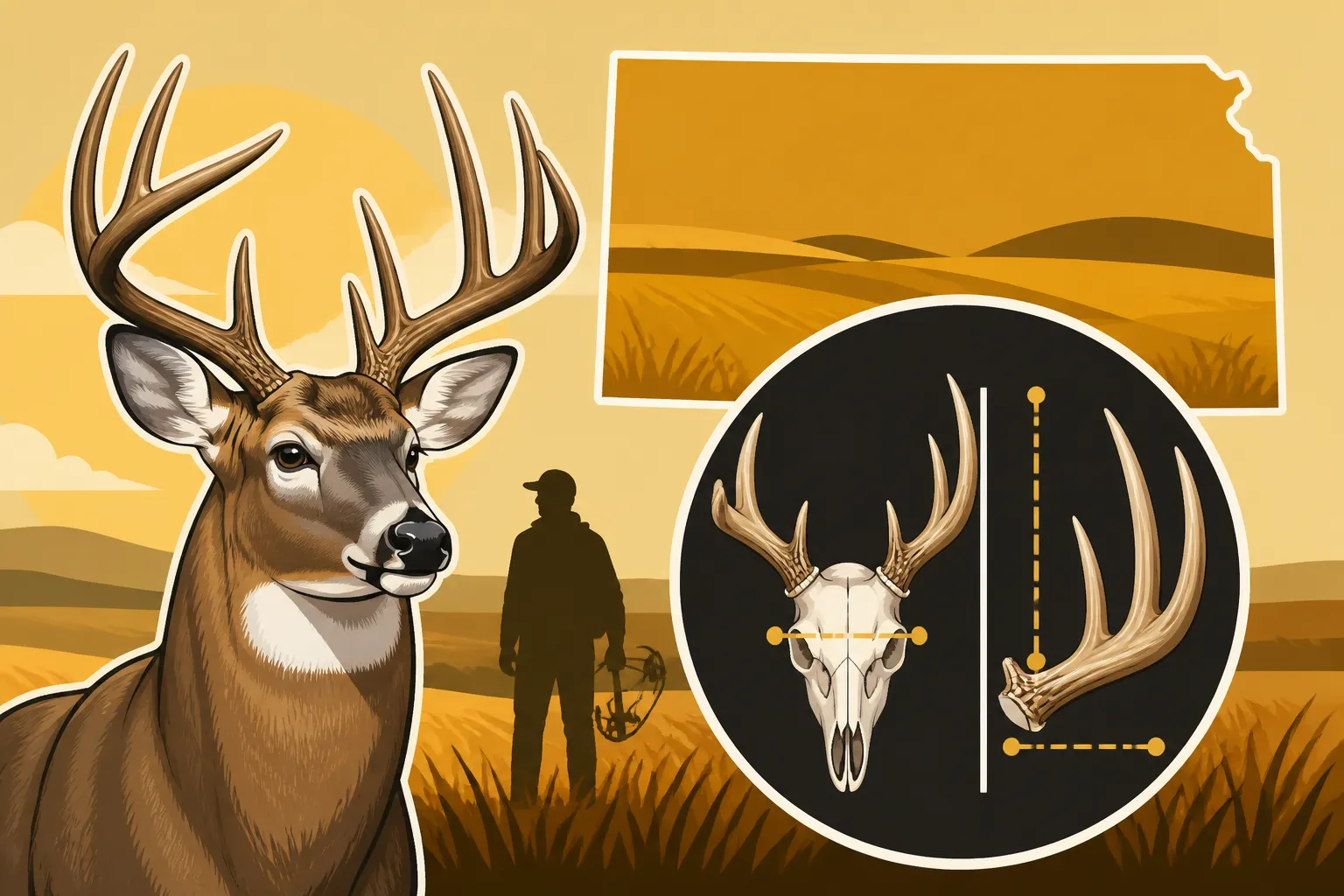
When you hear hunters talk about a deer's score, they often mention "gross" and "net" scores, and it can be a bit confusing at first. The gross score is the sum of all measurements before any deductions for asymmetry or abnormal points. It includes:
- Main beam length
- Length of all typical tines (G1s, G2s, G3s, etc.)
- Four circumference measurements per antler (H1, H2, H3, H4)
- Inside spread of the main beams
The net score is what truly determines a B&C entry. It's the gross score minus deductions for any differences in length between corresponding typical points on each antler, and for any abnormal points. The B&C system highly favors symmetry, so even a small difference between, say, the G2 on the left and the G2 on the right will result in a deduction. This pursuit of perfection is what makes truly symmetrical deer so highly coveted in the record books. Understanding Scoring a Whitetail Rack correctly is fundamental for any serious trophy hunter.
Typical Versus Non-Typical Racks: What's the Difference?
This is where the scoring system branches into two distinct categories, reflecting the incredible diversity of antler growth.
- Typical Racks: These are characterized by a clean, symmetrical growth pattern, with tines originating from the top of the main beam in a generally upward direction. When scoring a typical rack, any points that are not symmetrical or don't grow off the main beam in a "typical" fashion are considered abnormal. These abnormal points are subtracted from the total score of a typical rack to arrive at the net score. The B&C system places a premium on clean, classic racks that epitomize the whitetail deer.
- Non-Typical Racks: These are defined by the presence of significant abnormal points—kickers, drop tines, stickers, and other antler deviations that add mass and unique character but break symmetry. For non-typical racks, these abnormal points are added to the score after all typical measurements and symmetry deductions have been made. This means a non-typical buck with lots of junk and character can score incredibly high, even if its main frame isn't perfectly symmetrical. The fascination with Typical Versus Non-Typical Racks comes from this recognition of both classic beauty and unique, wild character.
Deductions and What They Mean for Your Score
As mentioned, deductions are a critical part of determining a deer's net score. For typical racks, deductions occur in two main ways:
- Symmetry Differences: If a G2 on the left beam is 10 inches long and the corresponding G2 on the right beam is 9 inches, that 1-inch difference is deducted from the gross score. This applies to all typical tines and circumference measurements.
- Abnormal Points: Any point that isn't a typical main beam or tine is considered abnormal. On a typical entry, these abnormal points are deducted from the score.
For non-typical racks, symmetry deductions for typical points still apply. However, the abnormal points are added to the total, rather than deducted. This is a key distinction that allows truly unique, gnarly racks to shine in their own category. Hunters often find themselves debating whether a particular buck should be entered as a typical or non-typical, a decision that depends on the net effect of deductions and abnormal point additions on the final score. Often, a buck with a few small abnormal points but a largely symmetrical frame will score higher as a typical, while a buck with many large abnormal points will shine as a non-typical.
The Boone and Crockett Minimums for Whitetail Deer
So, what are the magic numbers? It’s important to understand that there are different categories and minimum scores for entering a whitetail buck into the Boone and Crockett records. These aren't just arbitrary numbers; they reflect an incredibly high standard of antler quality and maturity.
Minimum Scores for Entry: All-Time Versus Awards
The Boone and Crockett Club maintains two primary sets of minimum scores for whitetail deer:
- Awards Minimums: These are the slightly lower scores required for entry into the Awards Book, which is published every three years. If your buck meets or exceeds these minimums, it qualifies for an award recognition within that three-year cycle.
- Typical Whitetail: Generally around 160 points net score.
- Non-Typical Whitetail: Generally around 185 points net score.
- All-Time Minimums: These are the higher, more challenging scores required for entry into the All-Time Records Book. A buck that makes the All-Time book is truly exceptional and ranks among the largest ever officially recorded.
- Typical Whitetail: Generally around 170 points net score.
- Non-Typical Whitetail: Generally around 195 points net score.
It's important to remember that these exact numbers can be subject to minor adjustments over time, so always check the official Boone and Crockett Club website for the most current figures. Many aspiring trophy hunters use resources like GoHunt to track historic big buck data and understand what it takes to get close to these numbers.
Here’s a simplified breakdown for easy reference:
| Category | Awards Minimum (Approx.) | All-Time Minimum (Approx.) |
|---|---|---|
| Typical Whitetail Deer | 160 | 170 |
| Non-Typical Whitetail | 185 | 195 |
These numbers are a true testament to the exceptional nature of these animals. Just imagining the years of growth and the right conditions needed to produce such antlers is awe-inspiring.
Common Misconceptions About B&C Entries
One of the biggest misconceptions is that "a B&C buck" means it automatically hits the All-Time book. As you can see, there are two tiers. Another common misunderstanding is that gross score is what matters most. While a high gross score is exciting, it's the net score that counts for official entry. A buck with a huge gross score can still drop significantly in net score due to asymmetry or the way its abnormal points are handled.
Many hunters also believe that only private land bucks make the book. While private land with intensive management certainly produces giants, public lands, including Kansas's numerous Walk-In Hunting Access (WIHA) properties and state wildlife areas, yield their share of record-book animals every year. The key is often finding mature bucks that have evaded pressure, which speaks volumes about hunting skill and strategy. Public Land Deer Hunting in Kansas is a viable path to a B&C buck for those willing to put in the work.
Achieving a B&C Whitetail in Kansas
Kansas has earned its reputation as a premier destination for trophy whitetails, consistently producing bucks that meet or exceed Boone and Crockett minimums. This isn't just luck; it's a combination of ideal habitat, strong genetics, and sound management practices.
Why Kansas is a Premier B&C State
Kansas sits in what many call the "Golden Triangle" of whitetail hunting, an area renowned for producing some of the largest bucks in North America. There are several key reasons for this:
- Nutrition-Rich Environment: The vast agricultural landscape of Kansas provides an abundant, high-quality food source for deer year-round. Fields of corn, soybeans, alfalfa, and wheat stubble offer incredible protein and energy for Antler Growth and Nutrition. This consistent nutrition allows bucks to reach their full genetic potential quicker and develop impressive antler mass and length.
- Genetics: The deer herd in Kansas has excellent genetics for antler growth. While genetics are only one piece of the puzzle, coupled with optimal nutrition and age, they allow for the development of those wide, tall, heavy racks.
- Age Structure: Kansas has a favorable age structure among its buck population, meaning a good percentage of bucks live long enough to reach maturity (4.5 years old and older). Older bucks naturally have larger antlers. This is often thanks to management practices, harvest regulations, and the sheer amount of cover, even in seemingly open country, that allows deer to escape heavy hunting pressure. Understanding Buck Age Structure in Kansas is key to appreciating the state's potential.
Managing for Mature Bucks and Superior Genetics
Whether you're hunting private ground or spending countless hours on public land, understanding how deer management influences trophy potential is invaluable. For private landowners, implementing quality deer management (QDM) practices, such as letting younger bucks walk, improving habitat with food plots, and controlling herd numbers, directly contributes to producing B&C-caliber deer. This allows bucks to reach older age classes where antler growth truly explodes.
Even on public land, knowing these principles helps you identify areas with the best potential. Look for parcels that have less pressure or offer diverse habitat, creating sanctuaries where bucks can grow old. While you can't control the genetics or management of a public tract, you can focus your efforts on areas where mature deer are more likely to exist. Why Kansas Produces Big Whitetail Bucks isn't just folklore; it's a result of these ecological and management factors.
Strategic Hunting and Patience for Trophy Whitetails
Bagging a B&C whitetail in Kansas often comes down to strategic hunting and a lot of patience. These mature bucks are survivors, keenly aware of their surroundings and highly adaptable to hunting pressure.
- Advanced Scouting: Utilizing tools like GoHunt for e-scouting and studying aerial imagery to identify bedding areas, travel corridors, and potential stand locations is critical. Look for overlooked corners, small timber blocks, and unpressured pockets, even on public ground. Knowing how to interpret Reading Aerial Imagery for Bedding Cover can give you a significant edge.
- Timing: The Kansas rut is legendary, and timing your hunt around the peak of breeding activity can significantly increase your odds of encountering a cruising monster. This often means focusing efforts during the crucial weeks of late October and early November. Kansas Whitetail Hunting Tactics Through the Rut is a well-worn path to success for many.
- Minimizing Pressure: Big bucks become ghosts when pressured. Implementing smart access routes, hunting strategically with the wind, and knowing when to back out are crucial. Understanding Hunting Pressure Patterns on Kansas Public Land can help you find those unpressured deer.
- Patience and Persistence: Record-book bucks aren't taken every day. It often requires multiple seasons, passing on younger deer, and enduring long hours in the stand. The reward, however, is a memory and a potential trophy that lasts a lifetime. Drawing a coveted Kansas Deer Permits and the Nonresident Draw is often the first step in this long journey for out-of-state hunters.
Disclaimer
This article is for general informational purposes only and does not constitute professional advice. Laws, prices and regulations vary by location and change over time. Consult a qualified professional for guidance on your specific situation.