Kansas Whitetail Deer and Why They Grow Big
For many deer hunters, the dream of consistently encountering mature, trophy-class whitetail bucks feels like an elusive fantasy, often hampered by intense hunting pressure or marginal habitat in their home states. But then there’s Kansas, a state that continually pops up in conversations about giant whitetails, almost whispered with a reverence reserved for hunting legends. This comprehensive guide will explore the unique combination of factors – from genetics and nutrition to habitat and strategic management – that truly make Kansas a premier destination for those seeking a truly massive whitetail.
The Whitetail Hunter's Dream: Kansas Edition
There’s a reason why Kansas is practically synonymous with big bucks in the hunting community. It's not just hype; it’s a reality backed by decades of incredible harvest data and countless hunter success stories. While every state has whitetails, few can consistently produce the sheer number of mature, heavy-antlered deer that Kansas does year after year. For non-resident hunters, drawing a tag here feels like winning the lottery, and for residents, it's a cherished privilege.
The Allure of Kansas Whitetails
What is it about Kansas whitetails that captures the imagination so completely? It's often the incredible antler size, the mass, the spread, and the overall mature body size of the deer. Hunters regularly share stories and photos of bucks pushing into the 150-inch Boone and Crockett range and beyond, which in many other states would be considered once-in-a-lifetime. These aren't just isolated incidents; they're a consistent feature of the Kansas deer landscape. The allure is fueled by the palpable sense of potential, the feeling that every timber edge or CRP field could hold a true monster. This isn't about chasing small, young bucks; it's about targeting mature animals that have had the time and resources to reach their full potential.
Why the Sunflower State Stands Out
Kansas stands out not just for individual big deer, but for the overall quality of its whitetail herd. This isn't accidental; it's a deliberate outcome of several interconnected factors. First and foremost is the vast, rich agricultural landscape that provides an unparalleled food source for deer. Think endless fields of corn, soybeans, milo, and winter wheat – a veritable buffet for a deer looking to put on weight and grow impressive antlers. Combine this with excellent genetics, a favorable buck-to-doe ratio, and effective management strategies that encourage buck maturity, and you have a recipe for whitetail success. Unlike some heavily timbered states, Kansas often presents a unique hunting challenge and reward: finding those pockets of cover where giants hide amidst the open country. You can learn more about specific hunting regulations and season dates by checking out our guide on Kansas Deer Season Dates by Weapon.
Genetics: The Blueprint for Bigger Bucks
You can have all the food and cover in the world, but if the genetic potential isn't there, you'll never consistently grow truly massive antlers. Fortunately, Kansas whitetails possess an excellent genetic foundation that allows them to maximize the abundant resources available to them.
Superior Whitetail Gene Pool
The whitetails in Kansas benefit from a robust and diverse gene pool. While not every buck will be a world-beater, the general genetic potential across the state is incredibly high. This isn't the result of artificial stocking or intensive breeding programs; it's a natural outcome of how the herd has evolved and been managed over time. Healthy, diverse genetics ensure that when a buck receives proper nutrition and reaches maturity, he has the innate capability to express impressive antler growth. This genetic advantage, coupled with minimal genetic bottlenecks, means that the physical characteristics for large body size and antler development are passed down through generations, making each successive generation of bucks potentially bigger and better.
Age Structure and Trophy Potential
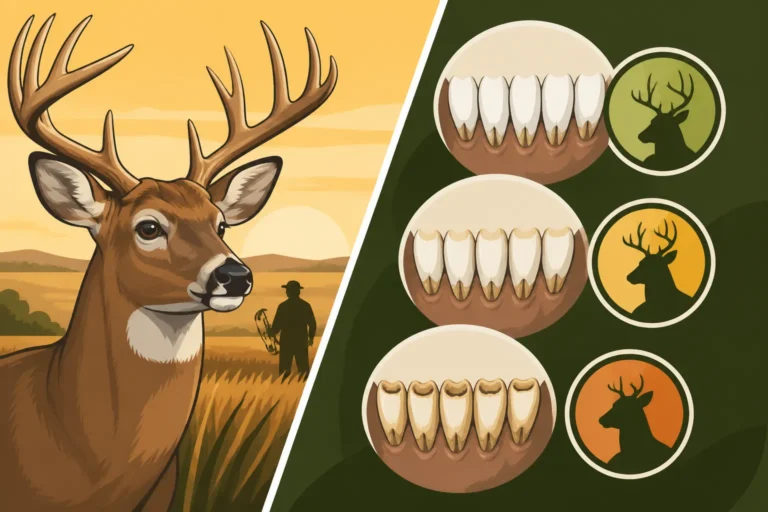
Perhaps even more critical than pure genetics is the age structure of the buck herd. A young buck, no matter how good his genes, simply hasn't had the time to grow his largest rack. Kansas's management philosophy, coupled with draw-only tags for non-residents and thoughtful resident regulations, helps to ensure that a significant number of bucks live long enough to reach their prime. A whitetail buck typically expresses his maximum antler growth between 4.5 and 6.5 years of age. By allowing more bucks to survive into these older age classes, Kansas drastically increases the number of potential trophy animals available to hunters. This focus on allowing bucks to mature is a cornerstone of the state's success in producing big deer. Understanding how hunters apply for these opportunities is key, and our article on Kansas Deer Permits and the Nonresident Draw explains the process.
Bountiful Nutrition: Fueling Antler Growth
Even with exceptional genetics and the age to mature, a whitetail buck needs a consistent, high-quality diet to express its full potential. This is where Kansas truly shines, offering an almost unparalleled nutritional landscape.
The Role of Agriculture in Deer Diets
Kansas is an agricultural powerhouse, dominated by vast fields of corn, soybeans, milo, and winter wheat. This isn't just a convenient food source; it's a deer superfood. These crops are incredibly high in protein, carbohydrates, and minerals—all essential building blocks for body growth and, crucially, antler development. During the spring and summer, bucks can browse on lush alfalfa and soybean fields, packing on pounds and funneling nutrients into growing antlers. As fall approaches, standing corn and milo fields provide both exceptional forage and dense cover, allowing deer to feed heavily and safely. The sheer acreage of these crops means deer don't have to travel far or compete excessively for food, leading to healthier, larger animals. This constant, high-energy diet throughout their formative years is a primary driver behind the state's reputation for trophy whitetails.
Kansas Soil Fertility and Mineral Content
Beyond the crops themselves, the very soil of Kansas plays a vital role. Much of Kansas boasts incredibly fertile soil, rich in essential minerals like calcium, phosphorus, and other trace elements. These minerals are absorbed by the plants growing in the fields and then consumed by the deer, directly contributing to strong bone development and impressive antler mass. In areas with poor soil, even the best crops might lack the full spectrum of nutrients needed for optimal antler growth. But in Kansas, the natural abundance of these critical minerals in the environment means deer are getting a comprehensive nutritional package from the ground up. This natural fertility is an often-overlooked but fundamental component of the state's trophy deer production.
Water Sources and Habitat Diversity
While food is paramount, access to reliable water sources is equally critical, especially during the hot Kansas summers. The state is crisscrossed by numerous rivers and creeks, such as the Arkansas River and Smoky Hill River, which provide consistent water. Additionally, farm ponds and scattered playa lakes, particularly in western Kansas, offer crucial hydration. These water sources are often found within diverse habitats that include timbered river bottoms, dense cedar thickets, and expansive CRP (Conservation Reserve Program) grasslands. This mix of cover and water allows deer to bed, feed, and water without excessive travel or exposure. Understanding these patterns is key, and our article on Reading a Kansas Creek Bottom for Deer Sign provides great insight. A diverse habitat portfolio, offering sanctuary, food, and water, ensures deer can thrive undisturbed, further enhancing their potential for robust growth.
Strategic Management: Protecting the Herd's Future
Kansas doesn't just happen to have big deer; it’s a result of careful, science-based management by the Kansas Department of Wildlife, Parks and Tourism (KDWP). Their strategies are designed to foster a healthy, mature deer herd while providing ample hunting opportunities.
Kansas Deer Unit Regulations and Draws
The KDWP divides the state into numerous deer management units, each with specific regulations tailored to local herd conditions. For non-residents, securing a deer permit is primarily done through a draw system, which often requires accumulating preference points over several years. This controlled access is a crucial component of managing hunter pressure and ensuring that the buck herd isn't overharvested, especially at younger age classes. By limiting the number of hunters in specific units, the KDWP can maintain a healthy buck-to-doe ratio and allow more bucks to reach maturity. Resident hunters also benefit from well-calibrated tag allotments, balancing opportunity with conservation. Understanding the nuances of these units, as detailed in our Kansas Deer Unit Map article, is essential for any hunter planning a trip.
Promoting Buck Age Structure Through Harvest Limits
A core tenet of Kansas deer management is fostering an older age structure in the buck population. This isn't achieved by accident. Regulations often emphasize antlerless harvest to control overall deer numbers and maintain a healthy sex ratio, but also by encouraging hunters to pass on younger bucks. The draw system for non-residents, and the generally conservative approach to buck permits, means that hunters aren't constantly removing young, up-and-coming bucks. This creates an environment where a significant percentage of the buck population survives past their yearling and two-and-a-half-year-old stages, allowing them to truly develop into the impressive animals Kansas is known for. It's a long-term investment in the quality of the herd.
Hunter Density and Pressure Management
Compared to some other popular whitetail states, Kansas generally experiences lower overall hunter density, especially on its vast public lands and Walk-In Hunting Access (WIHA) properties. The permit draw system plays a significant role in this, but so does the sheer amount of accessible land. When deer face less consistent pressure, they are less nocturnal, feel safer moving during daylight hours, and are less likely to be pushed out of prime habitat. This reduced stress allows bucks to conserve energy for growth rather than constant evasion. Even on public land, smart hunters can find pockets of low pressure, especially by utilizing strategies for Hunting Kansas Walk-In Land Without Burning It Out. This contributes directly to their ability to reach larger body sizes and grow larger antlers.
Understanding Kansas Whitetail Behavior and Habitat
Knowing why Kansas whitetails get big is one thing; understanding where and how they utilize the landscape is another crucial piece of the puzzle for hunters. The state’s unique geography dictates deer behavior in fascinating ways.
River Bottoms and Creek Draws as Travel Corridors
In the often-open agricultural landscape of Kansas, river bottoms and creek draws are absolute magnets for deer. These linear strips of timber, brush, and thicker cover provide vital sanctuary, bedding areas, and crucial travel corridors. Deer, particularly mature bucks, will hug these features to move undetected from bedding areas to feeding grounds. The dense vegetation along these waterways offers thermal cover in winter, shade in summer, and a sense of security from predators and hunters alike. They act as natural highways, connecting isolated patches of cover across miles of farmland. Hunters who learn to read these features and identify key pinch points or crossings will significantly increase their odds. For more in-depth knowledge, check out our piece on Scouting Kansas River Bottoms and Creek Draws.
The Importance of Crop Rotation and Cover
The agricultural cycles in Kansas profoundly impact deer behavior. Different crops offer different benefits at various times of the year. Spring and summer see lush growth in soybean and alfalfa fields, providing high-protein forage. Fall brings standing corn and milo, which serve as both prime food sources and incredibly dense bedding cover. As these crops are harvested, deer shift their patterns, often concentrating on remaining stubble fields, winter wheat, or migrating to more permanent cover in timber or dense CRP grasslands.
The interplay between these changing food sources and the available cover dictates deer movement. A buck might bed deep in a standing cornfield one day and then transition to a cedar thicket after the combine rolls through. Understanding these seasonal shifts and how to adapt your strategy, especially when it comes to Late-Season Food Source Hunting, is paramount for success. The value of unharvested strips or corners, left intentionally by farmers or on public land, cannot be overstated as deer will gravitate towards these last bastions of food and cover.
Adapting to Changing Weather Patterns
Kansas weather can be notoriously unpredictable, swinging from scorching heat to bitter cold, often within the same week. Deer behavior is heavily influenced by these fluctuations. Mild weather in the early season might see deer moving more nocturnally, focusing on water and shady bedding. Cold fronts, on the other hand, often trigger increased daylight movement as deer need to feed heavily to maintain body temperature. During the rut, temperature can impact the intensity and timing of buck activity. Wind is another massive factor; deer will typically bed and travel with the wind to their advantage, using their sense of smell to detect danger. Hunters who pay close attention to the forecast and understand how deer react to different conditions will have a significant edge. For instance, an unexpected warm spell during muzzleloader season might call for very different tactics than a cold snap.
Hunting Strategies for Kansas Giants
Successfully hunting big Kansas whitetails requires a blend of diligent preparation, shrewd scouting, and adaptable in-field tactics. It's not just about luck; it's about making informed decisions.
Scouting and E-Scouting for Big Whitetails
The sheer scale of Kansas hunting ground, whether it's vast WIHA tracts or expansive private leases, means effective scouting is non-negotiable. Traditional boots-on-the-ground scouting, looking for rubs, scrapes, tracks, and travel corridors, is still invaluable. However, in Kansas, e-scouting has become an essential tool. Using satellite imagery apps like OnX Hunt or GoHunt allows hunters to pinpoint potential bedding areas, food sources, pinch points, and waterholes from home. You can identify timbered creek systems running through crop fields, isolated shelterbelts, or even subtle terrain changes that funnel deer movement. By overlaying property boundaries and WIHA layers, hunters can develop a game plan before ever setting foot in the field, saving valuable time and minimizing disturbance. Our guide on Scouting Kansas Walk-In Tracts Before the Opener offers detailed advice on this. This pre-season reconnaissance is critical to narrow down vast landscapes into manageable, high-potential hunting areas.
Rut Timing and Peak Activity
The Kansas rut is legendary, often described as an explosive period of daylight activity that draws hunters from across the country. While the specific peak can vary slightly year to year based on factors like moon phase and weather, the first two weeks of November are generally considered prime time for witnessing and capitalizing on peak rut activity. Bucks are on their feet, cruising for does, chasing, fighting, and often letting their guard down. This is when rattling, grunting, and decoying tactics can be incredibly effective. However, understanding the nuances of the pre-rut in late October, when bucks are still establishing dominance and scraping heavily, can also be highly productive. Knowing When the Kansas Rut Peaks allows hunters to plan their trips for optimal success.
| Rut Phase | Typical Dates | Buck Behavior | Best Tactics |
|---|---|---|---|
| Pre-Rut | Late October | Increased scraping, sparring, cruising, beginning to seek does | Calling (grunts, light rattling), stand hunting near scrapes/travel routes |
| Peak Rut | Early November | Intense chasing, breeding activity, bucks highly active day and night | Aggressive calling (rattling, snort-wheeze), decoying, stand hunting high-traffic areas |
| Post-Rut | Mid-Late November | Bucks recovering, still seeking unbred does, less aggressive | Stand hunting near food sources, patient observation |
Public vs. Private Land Approaches
Kansas offers diverse hunting opportunities, from vast private land leases to extensive public hunting areas, including state wildlife areas, federal lands, and the immensely popular Walk-In Hunting Access (WIHA) program. Hunting private land often provides more control over pressure and habitat management, potentially leading to more consistent encounters with mature deer. However, securing private land access can be challenging and costly.
Public land and WIHA hunting, on the other hand, offers incredible opportunities for the DIY hunter. While these areas can see more pressure, especially during opening weekends and the rut, strategic hunting can still be highly successful. This might involve diving deeper into a property, targeting overlooked corners, or adapting your schedule to hunt weekdays. For instance, utilizing ground blinds in open country can be a great tactic on public land where stand placement is restricted or difficult. Understanding the nuances of Public Land Deer Hunting in Kansas is vital for anyone not hunting private ground. Patience, adaptability, and a willingness to walk are key ingredients for success on Kansas public ground.
The Impact of Disease and Environmental Factors
While Kansas provides an ideal environment for whitetails, the herd is not immune to challenges. Disease and environmental fluctuations can impact deer health and population dynamics, and the KDWP actively monitors these factors.
Chronic Wasting Disease (CWD) Monitoring
Chronic Wasting Disease (CWD) is a progressive, fatal neurological disease that affects deer, elk, and moose. It's present in Kansas, and the KDWP is actively monitoring its spread and impact. While CWD doesn't currently pose a widespread threat to the overall population, understanding its presence is important for hunters. The KDWP provides guidelines for carcass disposal and encourages voluntary testing in certain areas to track the disease. Hunters are advised to stay informed about the latest regulations regarding carcass transport, especially if traveling across state lines, to prevent further spread. The more you know about CWD Effects on Kansas Deer Herds, the better prepared you'll be. This proactive approach helps to safeguard the long-term health of the Kansas whitetail herd.
Epizootic Hemorrhagic Disease (EHD)
Epizootic Hemorrhagic Disease (EHD) is another disease that can impact Kansas deer populations, particularly during hot, dry summers. EHD is caused by a virus transmitted by biting midges (no-see-ums), and outbreaks can lead to significant localized deer mortality. Deer infected with EHD often seek water, appearing disoriented or weakened. While EHD can be devastating in affected areas, it typically subsides with the first hard frost, which kills the midges. The whitetail population generally rebounds quickly after an outbreak, but hunters should be aware of any local reports of EHD activity, as it could temporarily reduce deer numbers in specific regions. The KDWP monitors these outbreaks and provides updates as necessary.
Drought and Its Effect on Deer Health
Kansas is no stranger to drought, and prolonged dry periods can significantly impact deer health and antler growth. Drought reduces the quality and quantity of forage, dries up water sources, and increases stress on the deer herd. While Kansas deer are remarkably resilient, severe drought can lead to smaller body weights and less impressive antler development, particularly for younger bucks that haven't yet reached their full potential. It can also exacerbate the effects of diseases like EHD. Conversely, years with ample rainfall typically lead to lush forage and robust antler growth. Hunters often track rainfall patterns and agricultural yields to get a sense of how the deer herd might be fairing nutritionally, as these environmental factors have a direct bearing on the overall quality of the animals they pursue.
Disclaimer
The information provided in this article is for general guidance and informational purposes only. Hunting regulations and conditions can change rapidly. Always consult the official Kansas Department of Wildlife, Parks and Tourism (KDWP) regulations and website for the most current and accurate information before planning any hunting trip.