Kansas Deer Season Dates by Weapon
Trying to make sense of all the different Kansas deer season dates can feel like deciphering a secret code, especially with various weapon types, permit nuances, and resident versus nonresident rules. It’s easy to get overwhelmed and miss a critical deadline or hunting window, which no hunter wants. This comprehensive guide will walk you through all the specific Kansas deer season dates, broken down by weapon, so you can confidently plan your hunts, apply for the right permits, and be exactly where you need to be, when you need to be there.
Understanding the Kansas Deer Season Structure
Kansas is renowned for its deer hunting, particularly the incredible whitetails that roam its diverse landscape. However, the Kansas Department of Wildlife and Parks (KDWP) manages deer seasons with a detailed structure that can be a bit tricky to navigate. Unlike some states where it's a simple archery, then gun season, Kansas offers specific dates for different weapon types, often with overlapping periods and special permit requirements. This system is designed to manage herd populations effectively, provide varied hunting opportunities, and balance pressure across different seasons.
Why Kansas Has Different Weapon Seasons
The KDWP implements distinct seasons for archery, muzzleloader, and modern firearm hunters for several strategic reasons. First and foremost, it’s about hunter opportunity. By separating the seasons, more hunters get a chance to pursue deer, and those who prefer a specific method aren't competing directly with hunters using different equipment during their primary season. For example, bowhunters enjoy a long, unpressured early season before the muzzleloaders and rifle hunters hit the woods. This also helps distribute hunting pressure throughout the fall and early winter, which can make deer patterns more predictable for longer periods on many properties.
Additionally, weapon-specific seasons play a crucial role in herd management. Archery seasons, while long, generally have lower success rates compared to firearm seasons. Muzzleloader seasons offer a bridge between archery and rifle, providing a unique challenge. The general firearm season, with its higher hunter numbers and efficiency, is typically designed to achieve specific harvest objectives, especially for antlerless deer. This structured approach helps the KDWP fine-tune harvest numbers, manage buck-to-doe ratios, and address localized population issues without completely closing down opportunities for any particular group of hunters. It's a complex dance, but one that ultimately aims to provide quality hunting experiences while maintaining a healthy deer herd.
General Season Overview and Permit Types
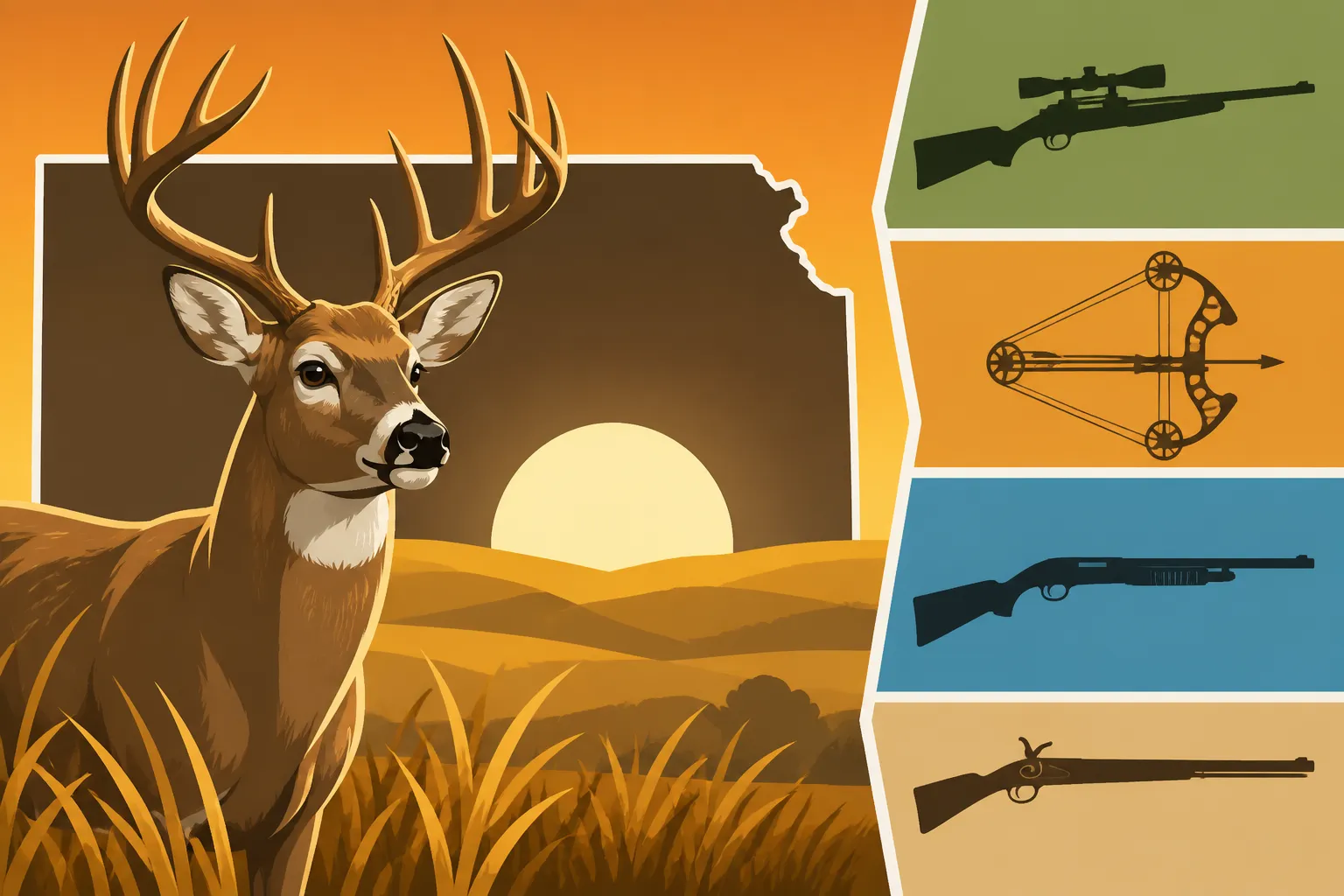
At its core, Kansas deer hunting revolves around three main weapon types: archery, muzzleloader, and firearm. Each of these has a designated primary season, but there are also special seasons like youth and disability hunts, as well as various antlerless-only opportunities that extend the overall hunting period. Understanding these different windows is critical. Your ability to hunt during a particular season often depends directly on the type of permit you possess.
For nonresidents, the journey typically begins with applying for a Kansas Deer Permits and the Nonresident Draw, which dictates whether you'll even get a chance to hunt. This draw usually opens in April and requires careful consideration of which unit and weapon choice you declare. Residents have more options, including general resident permits and various landowner permits, which simplify the process somewhat but still require adherence to specific season dates. Permits can be either "either-sex," allowing you to take an antlered or antlerless deer, or "antlerless-only," specifically targeting does. The interplay between your permit, the weapon you choose, and the calendar is what determines your legal hunting window. Without this foundational understanding, you might end up with a permit for a season you can't actually hunt, or worse, miss your opportunity entirely.
Navigating the Kansas Department of Wildlife & Parks KDWP Regulations
The official source for all Kansas hunting regulations is, of course, the KDWP. Their annual hunting and trapping regulations summary is the bible for hunters, but let's be honest, those documents can be dense and intimidating. It's not always a quick read to find the specific dates you need, especially when trying to understand how different permit types interact with those dates. Many hunters feel a rush of anxiety trying to ensure they haven't overlooked some obscure rule that could lead to a violation.
Beyond the printed summary, the KDWP website offers online resources, including digital versions of the regulations and frequently asked questions. However, often the most current and specific information regarding application deadlines, draw results, and any emergency changes will be disseminated through their official channels. It's not enough to just skim; you need to dig in and confirm every detail relevant to your specific hunt plan. Third-party platforms like GoHunt can be incredibly helpful here, providing condensed, user-friendly guides and tools that pull directly from KDWP data, making it easier to visualize season overlaps and requirements without having to wade through pages of legalese. While these tools simplify the process, always remember that the official KDWP regulations are the final word, so a quick cross-reference is always a good idea before heading afield.
Archery Season: The Long Bow Window
For many hunters, especially those chasing big whitetail bucks, the Kansas archery season is the most anticipated period of the year. It offers the longest hunting window, stretching from early fall into early winter, providing ample opportunity to pattern deer and get up close with a bow. This extended season allows for diverse hunting strategies, adapting to everything from warm early-season conditions to the frigid late-season.
Key Dates for Traditional and Compound Bow Hunters
The Kansas archery deer season typically kicks off in late September and runs all the way through the end of December. Historically, the Kansas Archery Season Opening Date is around September 1st and closes around December 31st, though specific dates can shift slightly year to year, so always confirm with the latest KDWP regulations. This lengthy period means bowhunters have a unique advantage, experiencing deer behavior through several phases, from summer patterns transitioning into fall, through the intense rut, and into the colder late season.
During this vast window, archers can pursue both antlered and antlerless deer with an either-sex permit, or focus solely on does with an antlerless-only tag. The flexibility of such a long season allows hunters to scout extensively, set up multiple stand locations, and adjust their tactics based on deer movement, weather patterns, and crop cycles. It's a marathon, not a sprint, and patience often pays off during these months. For those who invest the time, the archery season provides an incredibly rewarding and challenging deer hunting experience in Kansas.
Early Season Considerations for Bowhunters
When the archery season opens in early September, Kansas can still feel very much like summer. Temperatures can easily soar into the 80s or even 90s, and deer are still operating on largely nocturnal patterns, often focused on early season food sources like alfalfa, soybeans, and still-green native browse. This early period presents unique challenges and opportunities for bowhunters. Deer movement is usually concentrated around water sources and thick bedding cover during daylight hours. Hunters who understand Early-Season Bowhunting Over Water can find success, as deer will often hit water multiple times a day to stay hydrated.
The biggest hurdle during this time is often the heat and the abundance of natural food sources. Deer aren't yet driven by the rut or harsh winter conditions, making them harder to pattern predictably. Scent control is paramount, as deer senses are on high alert, and any human odor will quickly bust your hunt. It's a time for careful, stealthy approaches, often focusing on evening hunts near feeding areas or morning sits near water and bedding. Don't expect widespread daylight movement, but focused efforts during the first and last hours of light can yield results if you've done your homework scouting and understanding deer patterns.
Late Season Archery Opportunities
As the calendar rolls into December and approaches the Kansas Archery Season Closing Date, the archery season takes on a completely different character. The rut has largely subsided, rifle season pressure has likely dispersed deer, and winter weather begins to set in, often with snow and much colder temperatures. Deer shift their focus almost entirely to survival and finding reliable food sources. This late season can be incredibly productive for bowhunters willing to brave the cold.
Deer will congregate in areas with standing grain crops like corn or milo, or around late-season food plots designed to provide sustenance through the winter. This is when understanding Late-Season Food Source Hunting becomes critical. Often, deer become highly visible in fields during daylight hours as they desperately seek calories. The challenge then becomes setting up effective ambush points without spooking entire herds. Scent control is still important, but thermal currents and wind patterns become even more crucial as deer often move during the coldest parts of the day. A well-placed ground blind or treestand overlooking a key food plot or a sheltered travel corridor can be deadly, offering bowhunters a final chance at a mature buck that has survived the general firearm season.
Muzzleloader Season: Smoke Pole Opportunities
The Kansas muzzleloader season provides a distinct, earlier opportunity for hunters using traditional black powder firearms. This season bridges the gap between the archery opener and the general firearm season, offering a unique hunting experience during a crucial time in the deer calendar. It's a chance to hunt before the woods get really busy, but with the added challenge and tradition that comes with a muzzleloader.
Specific Dates for Muzzleloader Deer Hunts
Kansas muzzleloader season typically runs for about two weeks in mid-September. The Kansas Muzzleloader Season Dates are usually set from mid-September to late September. Again, always check the current KDWP regulations for exact dates, as they can shift slightly. This short, focused season means muzzleloader hunters get a prime window during the early fall, when deer are transitioning from summer patterns but haven't yet entered the full intensity of the rut.
This timing often coincides with cooler mornings and evenings, but daytime temperatures can still be warm, especially in the first half of the season. Muzzleloader hunters need to be prepared for varied weather conditions, similar to early-season bowhunting. The limited range and single-shot nature of muzzleloaders add to the challenge, requiring hunters to focus on close-range shot opportunities and careful stalking. This season appeals to hunters who appreciate the historical aspect and the heightened demand for patience and precision it brings to the hunt.
Muzzleloader-Specific Permit Requirements
Unlike the general firearm season, the muzzleloader season often requires a specific muzzleloader permit. When applying for your Kansas Deer Permits and the Nonresident Draw, or for residents, when choosing your permit, you'll need to specify "muzzleloader" as your weapon choice. This permit allows you to hunt during the designated muzzleloader season, and typically during the regular archery season as well. However, you generally cannot hunt during the general firearm season with just a muzzleloader permit, underscoring the importance of your initial weapon declaration.
This specificity ensures that hunters participating in the muzzleloader season are genuinely committed to that weapon type, helping to maintain the unique character and pressure levels of that particular season. It's a good idea to confirm your weapon choice when applying for your permit, especially if you're a nonresident or new to Kansas hunting regulations. The KDWP website or helpful tools like those offered by GoHunt can guide you through the selection process, ensuring you don't accidentally limit your hunting opportunities by choosing the wrong permit type. Remember, once you declare a weapon, changing it can be complicated or impossible depending on the permit type and timing. For nonresidents, this decision is locked in during the draw application period.
Tactics for September Muzzleloader Hunting
Hunting with a muzzleloader in September demands a blend of early-season archery tactics and firearm precision. During this timeframe, deer are still relatively unpressured, but they can be somewhat predictable if you've done your homework. Focus your scouting on identifying consistent feeding patterns, especially around crop fields, and locating bedding areas. As discussed in Muzzleloader Deer Tactics in Warm September Weather, morning hunts can be productive if you're positioned between bedding areas and food sources, catching deer as they return from nocturnal feeding.
Evening hunts are often fruitful near preferred food sources, particularly those offering cover on the approach. Given the limited range of many muzzleloaders, shot placement is critical, and practicing with your specific setup is paramount. Pay close attention to wind direction and thermals, as deer are very scent-aware in the still, warm air. A well-brushed ground blind or a strategically placed treestand near a pinch point or field edge can provide the close-range opportunity needed for a clean shot. This season offers a fantastic challenge for hunters who appreciate the blend of traditional methods and the thrill of hunting during the prime early fall.
Firearm Season: Rifle and Shotgun Opportunities
The general firearm season is often the most popular and arguably the most impactful season for deer harvest in Kansas. While many states have varying firearm regulations, Kansas provides a straightforward period for modern rifle and shotgun hunters, offering prime opportunities, particularly during December. This season usually sees the highest number of hunters in the field and accounts for a significant portion of the total deer harvest each year.
The General Firearm Season Dates
The primary general firearm season in Kansas typically opens in early December and runs for about 12-14 days. The Kansas Firearm Season Dates are usually set from the first Wednesday of December through the second Sunday after that. These dates are critical for many hunters, especially those traveling from out of state, as this short window is their main opportunity to hunt with a rifle or shotgun. This timing places the season squarely in the post-rut period, when deer are recovering from breeding activities and shifting their focus back to food sources.
Weather during the December firearm season can range from mild and pleasant to bitterly cold and snowy, so hunters must be prepared for anything. Deer movement is heavily influenced by cold fronts and food availability. This is often when hunters employ tactics like Rifle Hunting the Kansas December Firearm Season, focusing on crop fields, timber points, and other areas where deer might concentrate to feed and find shelter. The intensity of this short season means that hunting pressure can be significant, especially on public lands, so understanding deer behavior under pressure is key to success.
Youth and Disability Firearm Season
Recognizing the importance of fostering new hunters and providing opportunities for those with disabilities, Kansas also offers a special early firearm season. This season typically occurs in late September or early October, preceding the general firearm season by several weeks. The Kansas Youth and Disability Season Dates usually run for several days during this early fall period.
This early opportunity allows youth hunters (usually under 16) and hunters with qualifying disabilities to hunt with a firearm during a less pressured time. The weather is often milder, making for a more comfortable experience, especially for younger hunters. During this season, deer are less wary than they will be during the general firearm season, and the focus is often on teaching and enjoying the experience rather than solely harvesting a trophy. It's a fantastic initiative that encourages participation and provides a valuable pathway into hunting for future generations and those who might face physical challenges during the regular season.
Extended Antlerless Firearm Hunts
Beyond the general firearm season, Kansas offers several extended antlerless firearm opportunities in specific deer management units. These seasons are primarily designed as herd management tools, aiming to reduce doe populations in areas where numbers are high or to provide additional harvest opportunities. The Kansas Extended Antlerless Seasons by Unit can vary significantly by unit, with some units having specific windows in late December or even into January.
These extended hunts often allow hunters who have already filled their buck tag or who only hold antlerless permits to continue hunting. They are crucial for maintaining healthy deer populations and mitigating crop damage in agricultural areas. Hunters participating in these seasons should consult the KDWP regulations carefully, as not all units offer these extended opportunities, and the dates are unit-specific. It's a great way to fill the freezer and contribute to wildlife management goals, especially if you have access to areas with abundant does.
Antlerless-Only Seasons: Filling the Freezer and Herd Management
Kansas places a significant emphasis on antlerless deer harvest, and rightly so. Managing doe populations is critical for maintaining healthy deer herds, balancing buck-to-doe ratios, and mitigating agricultural damage. The state offers several dedicated antlerless-only seasons that provide excellent opportunities for hunters to fill their freezers while contributing to sound wildlife management.
Pre-Rut Antlerless Hunts
Before the main event of the rut kicks off, Kansas often provides a short, strategic pre-rut antlerless-only firearm season. The Kansas Pre-Rut Antlerless Dates usually fall in mid-October, offering a valuable early opportunity for firearm hunters focused on harvesting does. This season is strategically placed to allow for doe harvest before the most intense breeding activity, which can help influence the health and dynamics of the herd for the following year.
During this brief window, deer are often still in their established fall patterns, making them somewhat predictable around food sources and bedding areas. The weather is usually pleasant, a stark contrast to the potential frigid conditions of the December firearm season. For hunters with an antlerless-only permit, this is an excellent time to get into the field, enjoy milder temperatures, and secure some venison without the pressure of hunting an antlered deer. It's a testament to Kansas's proactive approach to deer management, providing an early chance to balance the herd.
Post-Rut Extended Antlerless Seasons
Once the dust settles from the general firearm season and the primary rut, Kansas often opens up additional opportunities for antlerless-only hunting. These extended seasons can stretch well into January, particularly for archers in some units, and for firearm hunters in specific management units with high deer densities. For instance, you might find extended archery antlerless opportunities in January in certain units, or late December firearm antlerless hunts in others, as noted in the Kansas Extended Antlerless Seasons by Unit article.
These seasons are absolutely vital for herd management, allowing the KDWP to fine-tune population control in areas that require it. For hunters, it’s a fantastic way to extend your time in the field, practice your skills, and fill your freezer. Deer at this time are typically grouped up, focusing almost exclusively on readily available food sources to survive the winter. Scouting for these late-season food plots or standing crop fields is paramount. These extended hunts often face less pressure than earlier seasons, offering a quieter, more focused hunting experience for those dedicated to putting meat on the table.
The Importance of Antlerless Harvest
Harvesting antlerless deer isn't just about filling your tag; it's a cornerstone of responsible deer management in a state like Kansas. Without adequate doe harvest, deer populations can quickly outgrow their habitat, leading to widespread issues. Overpopulation can result in diminished deer health due to competition for food, increased spread of diseases like CWD, and significant crop damage for farmers. The KDWP carefully monitors herd health and population numbers to set these antlerless harvest goals.
For the trophy hunter, managing doe numbers is equally important. A balanced buck-to-doe ratio means bucks aren't constantly chasing during the rut, leading to less stress and better overall antler development. It ensures a healthier, more robust herd structure where bucks have the opportunity to reach older age classes. As detailed in Kansas Antlerless Hunts and Filling the Freezer, participation in these hunts directly contributes to the long-term health and quality of the Kansas deer herd, making every antlerless tag filled a meaningful act of conservation. It’s a win-win, offering more hunting opportunities while ensuring a sustainable future for Kansas deer.
Permit Types and Application Deadlines Relevant to Season Dates
Understanding Kansas deer season dates isn't just about knowing when you can hunt; it's intricately linked to the permits you need and the deadlines for acquiring them. This is often where hunters get tripped up, especially nonresidents who face a draw system. Missing a critical application deadline can mean missing out on an entire season, regardless of how well you've scouted.
Nonresident Deer Permit Application Process and Dates
For nonresidents dreaming of a Kansas whitetail, the application process is the first, and arguably most important, hurdle. Kansas operates a draw system for nonresident deer permits, meaning you can't just buy a tag over the counter for an antlered deer. You have to apply. The Kansas Nonresident Deer Application Deadline is typically in late April, with the application period opening earlier in the month. It's a short window, and missing it means you won't be hunting Kansas deer with a primary permit that year.
When you apply, you'll need to declare your preferred deer management unit and your weapon choice – archery, muzzleloader, or firearm. This decision is critical because it dictates which season dates your potential permit will be valid for. Platforms like GoHunt are invaluable during this stage, offering tools and insights to help you choose units, understand draw odds, and ensure your application is submitted correctly and on time. They often provide reminders for these crucial dates, which can be a lifesaver. The process requires careful planning, often a year or more in advance, especially if you're building preference points to improve your odds in future draws.
Resident Deer Permit Options
Kansas residents have a somewhat simpler, though still structured, path to acquiring deer permits. While there are some drawn permits, many resident permits are available over-the-counter or through specific application windows that are less competitive than the nonresident draw. Residents can apply for either-sex permits, antlerless-only permits, and also have options for special landowner permits if they own or lease a qualifying amount of land.
The general resident either-sex deer permits are typically available for purchase online or at authorized vendors, and they allow hunting during the archery, muzzleloader (if selected), and firearm seasons, depending on the permit type. Antlerless-only permits are usually abundant and can often be purchased closer to the season or even during the season, providing maximum flexibility for residents looking to fill their freezer or participate in extended antlerless hunts. Even with more direct access, residents still need to be aware of permit validity periods and any unit restrictions to ensure they are hunting legally during the correct season dates.
Weapon Choice on a Kansas Application
One of the most crucial decisions you'll make during the permit application process, whether resident or nonresident, is Declaring a Weapon on a Kansas Application. Your choice here directly ties your permit to specific season dates. If you apply for an archery permit, you can hunt during the long archery season. If you apply for a muzzleloader permit, you can hunt during the muzzleloader season and often the archery season as well. If you apply for a firearm permit, you can hunt during the general firearm season.
It’s not just about preference; it's about legality. You cannot hunt during the firearm season with only an archery permit, nor can you hunt during the muzzleloader season with just a general firearm permit. This clear delineation of weapon choice ensures that each season maintains its integrity and helps the KDWP manage pressure. Carefully consider which season dates align best with your hunting style, available time off, and specific goals for the hunt when making this declaration. Changing your weapon choice after a permit has been drawn or purchased can be difficult or impossible, so make sure you've made the right decision from the start.
Planning Your Kansas Deer Hunt Around Season Dates
Successfully hunting in Kansas, especially for deer, requires meticulous planning that revolves heavily around the calendar. Knowing the season dates is just the first step; integrating those dates into your personal schedule, understanding local variations, and using modern tools can turn a hopeful trip into a successful hunt.
Synchronizing Your Travel with Key Dates
For many hunters, particularly nonresidents, planning a Kansas deer hunt means coordinating travel, work schedules, and family commitments with the rigid season dates. The short, intense general firearm season, often in early December, can be a logistical challenge, as can the limited muzzleloader window in September. Hunters typically book their time off and travel arrangements well in advance, sometimes a year or more out, to align with these non-negotiable dates.
If you're targeting the rut, knowing When the Kansas Rut Peaks helps you select the best weeks within the archery or muzzleloader seasons. For firearm hunters, the general season in December is your prime opportunity. It's not uncommon for hunters to take a full week or more off work to maximize their time in the field during these critical windows. Failing to align your travel dates with the legal hunting season can lead to a wasted trip, so double-checking all dates and your permit validity is a fundamental step in the planning process.
Understanding Unit-Specific Regulations
While the general statewide season dates for archery, muzzleloader, and firearm are fairly consistent, some nuances can apply at the unit level, especially concerning antlerless seasons. Kansas is divided into numerous deer management units, and the KDWP implements specific regulations for each to manage local populations. This means that while the archery season might run statewide, an extended antlerless firearm season might only be available in specific units like Kansas Unit 12 Extended Antlerless Hunt or others that have high doe densities.
It’s absolutely critical to confirm the specific regulations for the unit you plan to hunt. This includes not just season dates but also bag limits, legal weapons, and any special permits required. What's legal in one unit might not be in another, and ignorance of these local rules is not an excuse. Consulting the KDWP’s unit maps and specific regulations, or using a reliable hunting app, is essential to avoid any violations and ensure your hunt is compliant with all local rules. This detailed attention to unit-specific rules ensures you're hunting ethically and legally.
Leveraging Online Tools for Planning
In today's digital age, hunters have a wealth of online resources at their fingertips to aid in planning, and these tools are especially helpful for navigating Kansas's season dates and regulations. The KDWP website itself is a treasure trove of information, providing official regulation summaries, unit maps, and application portals. However, sometimes digesting all that raw data can be time-consuming.
This is where platforms like GoHunt truly shine. They consolidate information, offering intuitive interfaces for looking up season dates, draw odds, and unit boundaries. You can often see an overlay of WIHA (Walk-In Hunting Access) lands, private property boundaries, and topography, which helps immensely in e-scouting and identifying potential hunting locations. Using such tools to cross-reference KDWP dates with satellite imagery and mapping layers allows you to identify access points, bedding cover, and food sources, all while keeping the specific season dates and your permit type in mind. These digital assistants don't replace boots-on-the-ground scouting, but they certainly streamline the initial planning stages and ensure you're making informed decisions based on accurate and up-to-date regulatory information.
Important Considerations and Regulations for All Seasons
Beyond just knowing the dates, there are several other critical regulations and considerations that apply to all Kansas deer seasons, regardless of your chosen weapon. These rules are in place for safety, ethics, and effective wildlife management, and every hunter needs to be familiar with them to ensure a legal and responsible hunt.
Legal Hunting Hours and Hunter Orange
One fundamental rule across all Kansas deer seasons is adherence to legal hunting hours. Generally, hunting for deer is allowed from 30 minutes before sunrise to 30 minutes after sunset. This applies to archery, muzzleloader, and firearm seasons. Hunting outside these hours is illegal and carries stiff penalties, even if you are just in the woods walking to or from your stand. Always carry a reliable light source for your entry and exit during these low-light periods.
Additionally, hunter orange requirements are strictly enforced, particularly during firearm seasons. While hunter orange is generally not required during the archery or muzzleloader seasons, it becomes mandatory for all hunters (and anyone accompanying them) during the general firearm season, and any special firearm seasons like the youth and disability hunt. This regulation, as highlighted in the Hunter Orange Rules During Firearm Season article, requires wearing specific amounts of hunter orange on your head, chest, and back to ensure maximum visibility and safety in the field. This is a non-negotiable rule designed to prevent hunting accidents, especially in areas with higher hunter densities.
Tagging and Harvest Reporting Requirements
Once you've successfully harvested a deer in Kansas, your responsibility doesn't end there. There are strict tagging and harvest reporting requirements that apply to all deer seasons. Immediately after harvesting a deer, you must securely attach your filled deer permit tag to the carcass. This tag must remain with the deer until it reaches its final destination, such as a locker plant or your home for processing.
Furthermore, all harvested deer must be reported to the KDWP within a specific timeframe, usually within 24-48 hours of harvest. This can typically be done through the KDWP website or the Go Outdoors Kansas mobile app. This data is vital for wildlife biologists, providing them with critical information on harvest numbers, deer densities, and population trends. This information helps inform future season dates and permit allocations. As covered in Kansas Electronic Deer Check-In, neglecting to properly tag and report your harvest is a violation and can result in fines and penalties, so make sure this crucial step is part of your post-harvest routine.
Carcass Transport Rules
For hunters, especially nonresidents, understanding the rules for transporting deer carcasses is extremely important due to concerns about Chronic Wasting Disease (CWD). Kansas has specific regulations regarding the movement of deer carcasses, particularly out of counties where CWD has been detected. These rules are in place to prevent the spread of the disease to new areas.
Generally, you can transport whole deer within Kansas. However, if you are leaving the state, or traveling from a CWD-management unit to a non-CWD unit, there are restrictions. Typically, only deboned meat, cleaned skull plates with antlers, capes, and taxidermy products are allowed to cross state lines or move from high-risk to low-risk areas. Whole carcasses or certain high-risk parts (like brain, spinal cord, or lymph nodes) are often prohibited. Always consult the most current KDWP regulations, or refer to resources that cover Carcass Transport Across State Lines, before you pack up your harvest. Failure to comply can result in serious legal issues and contributes to the potential spread of CWD, which is a threat to the long-term health of deer populations.
| Season Type | Typical Start Date | Typical End Date | Primary Weapon(s) | Key Characteristics |
|---|---|---|---|---|
| Archery | Early September | December 31st | Bow & Arrow | Longest season, covers early fall, rut, and late winter. |
| Muzzleloader | Mid-September | Late September | Muzzleloading Firearm | Short, focused season; often warm early-fall conditions. |
| Youth/Disability | Late September/Early October | Early October | Firearm, Bow, Muzzleloader | Earlier, less pressured firearm opportunity. |
| General Firearm | Early December | Mid-December | Rifle, Shotgun | Most popular, highest harvest, post-rut. |
| Pre-Rut Antlerless | Mid-October | Mid-October | Firearm | Short, strategic doe harvest before the main rut. |
| Extended Antlerless | Late December / January | Varies by Unit/Weapon | Firearm, Bow | Unit-specific doe harvest, usually very late season. |
Disclaimer
The information provided in this guide is for general informational purposes only and is subject to change. While we strive to offer accurate and up-to-date content, hunting regulations, season dates, and permit requirements are determined by the Kansas Department of Wildlife and Parks (KDWP) and can be modified at any time. Hunters are solely responsible for consulting the most current official KDWP regulations prior to participating in any hunting activity. Failure to do so may result in legal penalties.