Muzzleloader Deer Tactics in Warm September Weather
Stepping into the Kansas woods in early September with a muzzleloader in hand often feels like a contradiction. The crisp, cool mornings you dream of during deer season are usually nowhere to be found, replaced instead by stifling humidity and temperatures that make you question your sanity. It's a real challenge, trying to hunt mature whitetails when they're still largely operating on summer patterns, dealing with bugs, sweat, and the constant fear of spoiling meat. This guide is all about navigating those specific frustrations, equipping you with the tactics and mindset needed to find success with your muzzleloader even when the heat is on.
The Unique Challenges of September Muzzleloader Hunting in Kansas
Muzzleloader season in Kansas, typically starting in mid-September, offers a unique opportunity to get into the deer woods before the full swing of bow season. However, it's far from a guaranteed success, especially when temperatures stay stubbornly high. This early season window presents a distinct set of hurdles that demand a different approach compared to the colder, later months.
Dealing with Unpredictable Early Season Temperatures
The biggest hurdle, hands down, is the weather. September in Kansas can be a real toss-up. You might get a random cold front that brings a taste of fall, but more often than not, you're looking at daytime highs in the 80s, sometimes even pushing into the 90s, with oppressive humidity. This isn't just uncomfortable for you; it drastically impacts deer behavior. They aren't going to move much during the day when it's that warm, preferring to stay bedded in the thickest cover they can find.
The heat also brings a host of other problems. Bugs, especially ticks and chiggers, are still out in full force, making any extended sit a battle against itchy bites. Keeping your body temperature down is a constant struggle, and heavy hunting clothing is simply out of the question. You'll need to focus on lightweight, breathable layers that wick away sweat. The unpredictable nature of these early season temperatures means you need to be prepared for anything, but predominantly, you need to plan for warm, stagnant air. This means a focus on tactics that maximize your chances during the short windows of low-light activity.
Deer Behavior in Warm Weather
Whitetails in September are still largely in their summer patterns. Their primary concerns are food, water, and security cover. The rut is still a distant dream, and their daylight activity is heavily dictated by the mercury. When it's hot, deer will reduce their movement to the bare minimum, primarily feeding and watering in the early morning and late evening hours, often right at legal shooting light. During the midday, they'll be holed up in dense, shady bedding areas, conserving energy.
You won't see bucks cruising for does, and sparring matches are rare. Instead, groups of bachelor bucks might still be together, and does will be moving with their fawns. Understanding this means you need to shift your focus from rut-centric strategies to targeting primary food sources, particularly those close to thick bedding cover and water. Bucks might be shedding their velvet, too, feeling a bit vulnerable and preferring solitude, which can make them even more elusive. They certainly aren't going to risk overheating by moving through open fields in the middle of the day.
Understanding Kansas Muzzleloader Season Dates
The Kansas muzzleloader season typically falls in mid-September, a brief window that precedes the general firearm season but often overlaps with the heart of the early bow season. For residents, this means an earlier chance at a trophy, while non-residents often have a specific muzzleloader permit that's part of the broader deer draw process. It’s absolutely critical to be clear on the exact dates and regulations for your specific unit, as these can vary slightly year to year. Make sure your permits are in order and that you understand the rules for legal equipment, tagging, and harvest reporting.
This specific timing means you're operating when deer are still fairly relaxed from summer, haven't experienced significant hunting pressure, but are also sluggish due to the heat. It’s a delicate balance. You have the advantage of hunting relatively undisturbed deer, but the disadvantage of dealing with their warm-weather lethargy. Being prepared with a clear understanding of the rules, combined with tactics designed for this specific weather, will put you a step ahead. Remember, checking the Kansas Department of Wildlife, Parks and Tourism (KDWP) regulations annually is paramount; rules and season dates can shift.
Smart Scouting Strategies for Warm September Deer
Effective scouting is always crucial, but it takes on an even higher level of importance when dealing with the heat of early September. You need to identify precisely where deer will feel comfortable moving, feeding, and bedding when temperatures are less than ideal. This means looking beyond obvious food plots and focusing on the subtle nuances of terrain and habitat that offer relief from the sun and heat.
E-Scouting for Water and Shade
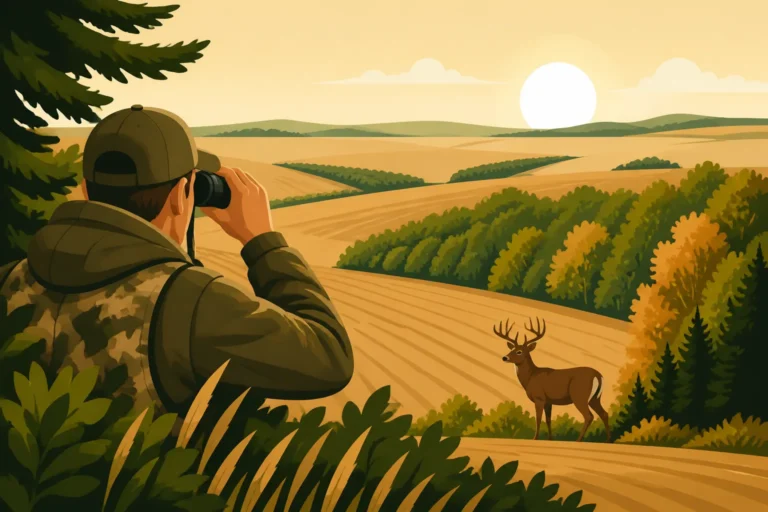
Before you even step foot in the woods, spend some serious time with digital scouting tools. Platforms like GoHunt or OnX Hunt become indispensable. Zoom in on aerial imagery, especially looking for creek bottoms, river oxbows, small ponds, and even drainage ditches that might hold residual water. These water sources are absolute magnets for deer in warm weather. You're not just looking for a large lake; small, tucked-away seeps or low spots in pastures can be critical.
Next, focus on dense cover that provides ample shade. Think thick cedar thickets, brushy creek draws, tall CRP grass, or even the shadier, north-facing slopes of timbered areas. These are the places deer will retreat to during the midday heat. Overlaying topography maps can help you find those natural cool spots and identify potential travel corridors that offer shade and cover between bedding and feeding areas. Pay close attention to how deer might move between these vital resources. Identifying River Oxbows and Deer Movement can be especially fruitful during this time.
On-the-Ground Reconnaissance in the Heat
Once you’ve done your digital homework, it’s time to hit the ground. But be smart about it. Scouting during the midday heat is less intrusive and allows you to find those daytime bedding areas without bumping deer during their active periods. Look for heavy deer sign near water sources, especially fresh tracks, droppings, and rubbed trees (even early rubs can indicate buck presence). Pay attention to shaded trails leading from dense cover to food or water.
Focus your physical scouting on the fringes of these bedding areas and travel corridors, minimizing your disturbance. You want to confirm what your e-scouting suggested, but do it stealthily. Look for specific trees that might work for a stand location or natural ground blind setups. Remember, less is more when it comes to early season intrusion. You don't want to educate deer before the season even begins. Consider trying some Scouting Kansas Walk-In Tracts Before the Opener to get a feel for the land without excessive pressure.
Identifying Core Bedding Areas
Finding where deer are bedding during the day is paramount in warm weather. These will be thick, cool, and often secluded spots. In agricultural Kansas, this might mean dense CRP fields, plum thickets, brushy draws, or even small, isolated timber points that offer maximum shade and security. Bucks, in particular, will seek out the densest cover available, often near a reliable water source.
Look for areas with good air circulation, as even a slight breeze can make a big difference for a bedded deer. You'll find beds, scat, and maybe even a stray shed velvet antler in these spots. Once you locate a likely bedding area, the key is to understand how deer are entering and exiting it without actually walking through it. Your goal is to intercept them on their way to or from these sanctuaries during the low-light hours. Understanding CRP Grass and Where Bucks Bed can provide crucial insights into these early season hideouts.
Tactical Stand Placement for September Success
With warm weather limiting deer movement, your stand placement needs to be absolutely precise. Gone are the days of setting up on a random field edge and hoping for the best. In September, you're looking for pinch points, transitional zones, and areas that offer multiple incentives for deer to move during legal shooting light.
Focusing on Early Season Food Sources
Deer in September are primarily focused on high-protein, easily digestible food sources. In much of Kansas, this often means standing beans, alfalfa, or even early-maturing cornfields. However, just because deer are feeding there doesn't mean you should set up directly on the edge, especially if it's hot. Deer will often stage in thicker cover nearby before entering open fields.
Instead, look for funnels or trails leading into these food sources from dense cover. An inside corner of a crop field where two different crops meet, or where a timberline juts into a field, can be a prime ambush spot. Deer will use these areas for security while still being close to food. Acorns, if they've started dropping from early-bearing oak species, can also be a significant draw, even if only for a short period. Focus your efforts on these preferred food sources, but always consider the deer's need for cover.
Exploiting Water and Thermal Hubs
When it's hot, water is king. Setting up over a secluded pond, a slow-moving creek, or even a muddy seep can be incredibly effective, especially in the late afternoon. Deer need to drink, and they will often do so just before heading to a food source or just after leaving their beds in the morning. This is where the tactic of Early-Season Bowhunting Over Water shines, and it applies just as well to muzzleloaders.
Beyond water, look for "thermal hubs" – areas that naturally stay cooler. This often means deep, shady creek bottoms, the north sides of ridges (if present in your area), or dense cedar thickets that block the sun. Deer will often stage or even bed in these micro-climates during the heat of the day. Setting up an hour or two before sunset along a shaded travel corridor leading from one of these cool spots to an evening food source can increase your odds significantly.
Access Routes and Minimal Impact
Your entry and exit routes are critical, perhaps more so in early season than any other time. With deer still on summer patterns and less pressured, you don't want to alert them to your presence. Plan your route to avoid known bedding areas and to use natural terrain features or existing ditches to mask your approach. Always approach from a direction that keeps the wind in your favor, and if possible, use paths that are already somewhat disturbed, like old logging roads or tractor paths, rather than creating new ones.
Consider using a lightweight, portable stand or even a ground blind that you can brush in quickly, allowing you to be flexible. The less disturbance you create, the better. If you have to walk through open areas, do so long before daylight, preferably when the ground is still damp from dew to minimize scent dispersion. Minimizing your footprint is crucial for long-term success, as deer will quickly change patterns if they detect human intrusion. Smart Access Routes That Do Not Bump Deer are non-negotiable for consistent success.
Mastering Scent Control and Concealment
Scent control and concealment are paramount in all hunting, but they become non-negotiable during warm September muzzleloader hunts. The stagnant, humid air of early fall holds human odor incredibly well, and deer are not yet accustomed to the constant presence of hunters. One wrong move, one puff of wind, and your hunt can be over before it truly begins.
Aggressive Scent Management Practices
In warm weather, you sweat more, and your scent profile increases dramatically. This means you need to be extremely aggressive with your scent control regimen. Start long before you leave the house:
- Wash everything: Use scent-eliminating detergents for all your hunting clothes, including base layers.
- Shower with scent-free soap: Use unscented soap and shampoo before heading out.
- Deodorant: Choose scent-free options.
- Storage: Store your clean hunting clothes in scent-free bags or totes, separate from everyday clothes.
- Carbon clothing: While not a magic bullet, garments with activated carbon can help absorb odor molecules.
- Field sprays: Use scent-eliminating sprays generously on your boots, pack, and outer layers once you're dressed.
Every single piece of gear you bring into the woods—your rangefinder, binos, backpack, even your muzzleloader—can carry human odor. Wipe them down with scent-free wipes. Pay particular attention to your boots; they're constantly picking up and leaving scent trails. The goal isn't to be 100% scent-free, which is impossible, but to reduce your odor signature to the absolute minimum.
Utilizing Natural Cover and Ground Blinds
With the early season foliage still thick, natural cover is your best friend. Instead of relying solely on tree stands, consider utilizing the dense vegetation to your advantage. A well-brushed-in ground blind, especially in areas with thick cedars or brushy creek banks, can provide excellent concealment from both deer and the sun. This also allows you to move slightly without being detected, which can be a huge benefit when dealing with bugs or trying to get comfortable in the heat.
If you are using a tree stand, choose one that allows you to be as high as possible while still having shooting lanes, and position it against a thick tree trunk or behind a cluster of leaves. The idea is to break up your outline completely. Remember, deer are constantly scanning for unnatural shapes and movements. A blend of natural cover with good concealment can give you the edge needed to draw that muzzleloader and make a clean shot.
Playing the Wind in Shifting September Conditions
Wind is your most critical ally (or enemy) in scent control. Always, always, always hunt with the wind in your favor. This means understanding prevailing wind directions, but also being acutely aware of thermals, especially around creek bottoms and river banks. In the mornings, thermals tend to rise as the air warms, carrying your scent upwards. In the evenings, as the air cools, thermals drop, carrying your scent downwards.
During September, winds can be notoriously fickle, shifting throughout the day, especially in open country or around varied topography. Use a small wind checker or milkweed to constantly monitor wind direction. If the wind shifts unexpectedly and starts blowing your scent into a known deer travel path, it's often best to pack up and try another spot or another day. Pushing it with a bad wind is a surefire way to educate deer. Understanding Wind and Thermals on a River Bank is critical, as these areas can be absolute hotspots for deer in warm weather.
Muzzleloader Specifics for Warm Weather Hunts
Hunting with a muzzleloader always adds a layer of complexity compared to modern firearms, but warm, humid conditions exacerbate many of these challenges. From keeping your powder dry to managing your gear in the heat, there are unique considerations that can make or break your hunt.
Keeping Your Muzzleloader Dry and Ready
Humidity is the enemy of black powder and most black powder substitutes. Even without direct rain, the high moisture content in the air can compromise your powder, leading to misfires or hangfires.
- Seal it up: Ensure your muzzleloader's breech plug is tight and consider using an O-ring or Teflon tape to further seal it.
- Moisture protection: Many muzzleloader hunters use a small piece of electrical tape or a balloon over the muzzle and a piece of tape over the percussion cap or 209 primer to keep moisture out.
- Powder storage: Store your pre-measured powder charges in waterproof speed loaders or vials. Many hunters prefer plastic tubes for this, as they are airtight.
- Temperature swings: Be aware of taking your cold muzzleloader from an air-conditioned vehicle into humid, warm air, as condensation can form on the inside of the barrel, affecting accuracy and reliability. Keep it at ambient temperature as much as possible.
Regularly check your primer or cap, especially if you've been out for several hours in damp conditions. A quick inspection and replacement of a potentially compromised cap can save your hunt. Don't forget that Keeping a Muzzleloader Dry in Rain is a similar battle, requiring many of the same precautions against moisture.
Load Development and Practice in Heat
You might sight in your muzzleloader on a cool, calm day, but then find yourself hunting in 90-degree heat. Temperature can affect powder burn rates and projectile ballistics, albeit often subtly for the ranges typically associated with muzzleloaders. It's always best to practice shooting your chosen load in conditions similar to what you expect to hunt in.
- Powder consistency: Use high-quality, consistent black powder substitutes like Hodgdon Triple Seven or IMR White Hots.
- Bullet choice: Consider projectiles that perform well at lower velocities, as muzzleloaders aren't known for blazing speeds. Modern saboted bullets or full bore conical projectiles designed for terminal performance are key.
- Practice from field positions: Don't just shoot from a bench. Practice shooting from a kneeling, sitting, or off-hand position, as these are more likely scenarios in the field.
- Realistic ranges: Muzzleloaders are generally most effective within 100-150 yards. Know your personal maximum effective range and stick to it, especially under pressure. Remember, a muzzleloader only gives you one shot, so make it count. Practice hitting vital areas consistently for ethical Shot Placement on a Whitetail at Twenty Yards.
Carrying Essentials for a Muzzleloader Hunter
Beyond your typical hunting gear, muzzleloader hunting in warm September requires some specific additions to your pack:
- Reloading supplies: Always carry a speed loader with at least one extra charge (powder, projectile, primer). This ensures a quick follow-up shot if needed, or if you had a misfire.
- Cleaning essentials: A small cleaning jag, patches, and some solvent can be useful for a quick clean if you've fired a shot, or if you experience a hangfire and need to clear the barrel safely.
- Water: Plenty of water for yourself. Staying hydrated is paramount in the heat.
- Bug spray: While scent-free options are best, sometimes you need to compromise slightly to avoid being eaten alive by mosquitoes or chiggers, which will only lead to excessive movement in your stand.
- Game bags: Small, lightweight game bags can be incredibly useful for protecting meat immediately after field dressing, especially if you have a long drag out. They allow air circulation while keeping flies off.
- Extra rope or drag harness: Getting a deer out in warm weather can be exhausting. Anything to make the drag easier is a bonus.
Having these essentials readily available means you're prepared for the unique challenges of a warm September muzzleloader hunt, from the moment you settle into your stand to the moment you retrieve your game.
Critical Post-Shot Recovery in High Temperatures
Perhaps the most critical consideration during warm weather muzzleloader hunting, after the shot itself, is the immediate post-shot recovery and meat care. Temperatures in the 70s and 80s can spoil meat incredibly quickly, turning a successful hunt into a heartbreaking loss if you're not diligent.
Immediate Action and Patience
The initial reaction after a shot is always a rush of adrenaline, but in warm weather, a calm and calculated approach is even more vital.
- Observe and listen: Note exactly where the deer was hit, its reaction, and the direction it ran. Listen for any sounds of it crashing.
- Wait, but not too long: While a general rule of thumb is to wait 30 minutes to an hour for a well-hit deer, or longer for a questionable hit, this timeline needs to be compressed in high temperatures. For a solid lung or heart shot, waiting 15-20 minutes might be sufficient before starting the trail, especially if you're worried about meat spoilage. If it's a gut shot, a longer wait is still needed, but every minute counts for meat quality.
- Mark the spot: Precisely mark the spot of the shot with flagging tape or your hat. This helps immensely when starting the track.
The balance here is incredibly fine: give the deer enough time to expire, but not so much that the meat begins to spoil. This is where solid Shot Placement on a Whitetail at Twenty Yards and knowing your broadside anatomy becomes so crucial. The better your shot, the faster the recovery, and the less worry about spoilage.
Blood Trailing Challenges in September
Blood trailing in September presents its own set of difficulties. The ground might be dry, making tracks hard to see. Lush, green vegetation can soak up blood or hide it entirely.
- Grid search: If the blood trail is sparse, don't just walk the path. Conduct a careful grid search of the area, looking for any drops of blood, disturbed leaves, or broken branches.
- Lighting: If daylight is fading, consider calling it quits and returning at first light only if temperatures are cool enough overnight. If temperatures are staying warm, you might need to use a strong headlamp and continue the search, working methodically and slowly.
- Use technology: Apps like GoHunt can help you mark the last blood and track your path, making it easier to re-orient yourself. A tracking dog, if legal and available in Kansas, can be a game-changer for difficult trails, particularly when every minute matters.
- Look for signs of distress: Beyond blood, look for scuff marks, knocked-over saplings, or disturbed leaves that indicate the deer's path. Sometimes the deer will be lying just beyond a small rise or in the next patch of thick cover.
Knowing how to effectively navigate Blood Trailing in CRP and Cedars becomes an invaluable skill when searching through thick Kansas cover in the heat.
Rapid Field Dressing and Cooling
Once you recover your deer, the clock starts ticking immediately.
- Field dress ASAP: Get the guts out as quickly as possible. This is the single most important step to begin cooling the carcass. Remove all internal organs, making sure to reach up into the chest cavity to sever the windpipe and esophagus.
- Prop open the cavity: Once field dressed, prop open the cavity with a stick to allow air to circulate and promote cooling. If possible, elevate the deer off the ground.
- Water rinse (if available): If you have access to clean water, a quick rinse of the cavity can help remove residual blood and cool the interior.
- Transport quickly: Get the deer out of the woods and to a cooler environment as fast as possible. If it's a long drag, consider quartering the deer in the field to make transport easier and further aid cooling. This is where having small game bags comes in handy.
- Ice it down: As soon as you can, get ice into the body cavity. Large milk jugs filled with frozen water work well, as they provide cold without soaking the meat. Place ice bags over and around the carcass.
- Professional processing: Consider taking your deer to a reputable locker plant immediately. They have the facilities to rapidly cool and process the animal, ensuring the best possible meat quality.
Neglecting these steps can lead to significant meat spoilage, especially the tenderloins and backstraps, which are closest to the body's core. Prioritizing Field Dressing in Warm Kansas Weather and subsequent Getting a Deer Cooled in September is not just good practice, it's a moral obligation to the animal and a practical necessity for harvesting quality venison.
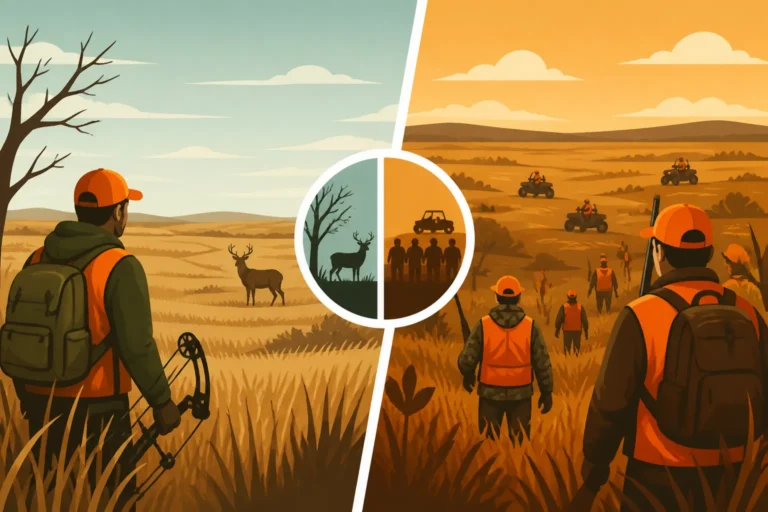
| Aspect of Hunting | Cold Weather Tactics | Warm Weather Muzzleloader Tactics |
|---|---|---|
| Deer Movement | More daylight activity, especially during rut. Focus on cruising lanes, food sources. | Primarily nocturnal or low-light activity. Focus on water, dense shade, and quick access to food. |
| Scent Control | Important, but less critical due to stable air. | Extremely critical. Aggressive regimen. Fickle thermals and humid air hold scent. |
| Stand Placement | May be more flexible. Focus on rut funnels, cold weather food. | Precise. Near water, thick bedding cover, shaded travel corridors. Minimal access impact. |
| Muzzleloader Care | Less concern with moisture in dry cold. | Constant vigilance against humidity and condensation. Tape muzzle and primer. |
| Post-Shot Recovery | More forgiving wait times. Less urgency with meat cooling. | Compressed wait times. Immediate field dressing and rapid cooling are paramount. |
| Scouting Focus | Tracks in snow, rub lines, scrapes. | Water sources, thick shade, hidden bedding areas. E-scouting for micro-climates. |
Disclaimer
Hunting is an inherently dangerous activity. Always prioritize safety, understand and follow all Kansas Department of Wildlife, Parks and Tourism (KDWP) regulations, and obtain appropriate licenses and permits before heading into the field. This guide offers general advice and does not supersede official regulations or sound judgment.