Keeping a Muzzleloader Dry in Rain
There's nothing quite like the crushing disappointment of a Kansas hunting trip ruined by unexpected rain, especially when you're geared up with a muzzleloader. You’ve put in the scouting, spent the money on permits, and then Mother Nature decides to douse your dreams. This comprehensive guide will walk you through practical, real-world strategies to keep your muzzleloader dry and firing reliably, ensuring your next rainy-day hunt in Kansas is a success, not a washout.
Understanding Why Muzzleloaders and Rain Don't Mix
Hunting with a muzzleloader is already a unique challenge, relying on a delicate balance of powder, projectile, and ignition. Add rain to the mix, and suddenly, you're battling more than just the elements; you're fighting against the very chemistry that makes your rifle shoot. Many hunters have experienced that heart-stopping moment when a trophy animal steps out, you squeeze the trigger, and all you hear is a deflating click. It's a feeling of frustration that cuts deep, knowing all your effort might be for naught because of a bit of moisture.
The Enemy Within: Black Powder and Moisture
At the heart of a muzzleloader’s operation is its propellant, typically black powder or a black powder substitute. These powders are highly hygroscopic, meaning they readily absorb moisture from the air. Think of it like a sponge, but for ignition reliability. Even a small amount of dampness can render your powder inert or, worse, cause an unpredictable performance.
When black powder gets wet, a few things can happen, none of them good. The most common and most frustrating is a misfire, where the percussion cap or 209 primer ignites, but the main powder charge fails to catch. This is that dreaded click you never want to hear. Sometimes, you'll get a hangfire, a terrifying delay between the primer igniting and the powder finally going off. This is incredibly dangerous because the gun could fire unexpectedly while you're dropping it or trying to clear a supposed misfire. Lastly, a damp powder charge can lead to reduced velocity, meaning your shot might not have the power or accuracy you expect, potentially resulting in a wounded animal and a difficult, ethical recovery. The black powder itself can clump, changing its burn rate and overall performance, making consistent shot placement nearly impossible.
Corrosion Concerns Beyond the Shot
Beyond the immediate concern of a misfire, moisture poses a significant long-term threat to your muzzleloader: rust and corrosion. Most traditional muzzleloaders are made with carbon steel components, which are highly susceptible to rust, especially when exposed to rain and then left untreated. It’s not just the visible parts of the barrel; rust can creep into every hidden nook and cranny.
Consider the bore itself. Rust here can pit the rifling, permanently damaging accuracy and requiring extensive, often costly, repairs. The breech plug and nipple (or primer pocket for 209 systems) are particularly vulnerable as they are direct contact points for corrosive powder residue and moisture. If these components rust, removal can become incredibly difficult, risking damage to the threads or even shearing off the nipple entirely. Even the intricate lock mechanism inside the stock can seize up if moisture gets in and causes rust, leading to a stiff hammer or trigger. Neglecting a wet muzzleloader for even a few hours after a hunt can lead to irreversible damage, turning a prized firearm into a project gun you might dread working on. The frustration doesn't end when the rain stops; it often begins then, with hours of meticulous cleaning and oiling to prevent lasting damage.
Essential Gear for Muzzleloader Rain Protection in Kansas
When hunting in Kansas, especially during the often unpredictable fall and winter seasons, rain can pop up at a moment's notice. Having the right gear specifically for your muzzleloader can be the difference between a successful hunt and a soggy, silent one. It's not about being overkill; it's about being prepared for the realities of the field.
Bore and Muzzle Protection
Protecting the muzzle of your rifle is probably the most critical step, as it's the most direct entry point for rain into your barrel and powder charge. There are several effective methods, each with its own advantages and drawbacks.
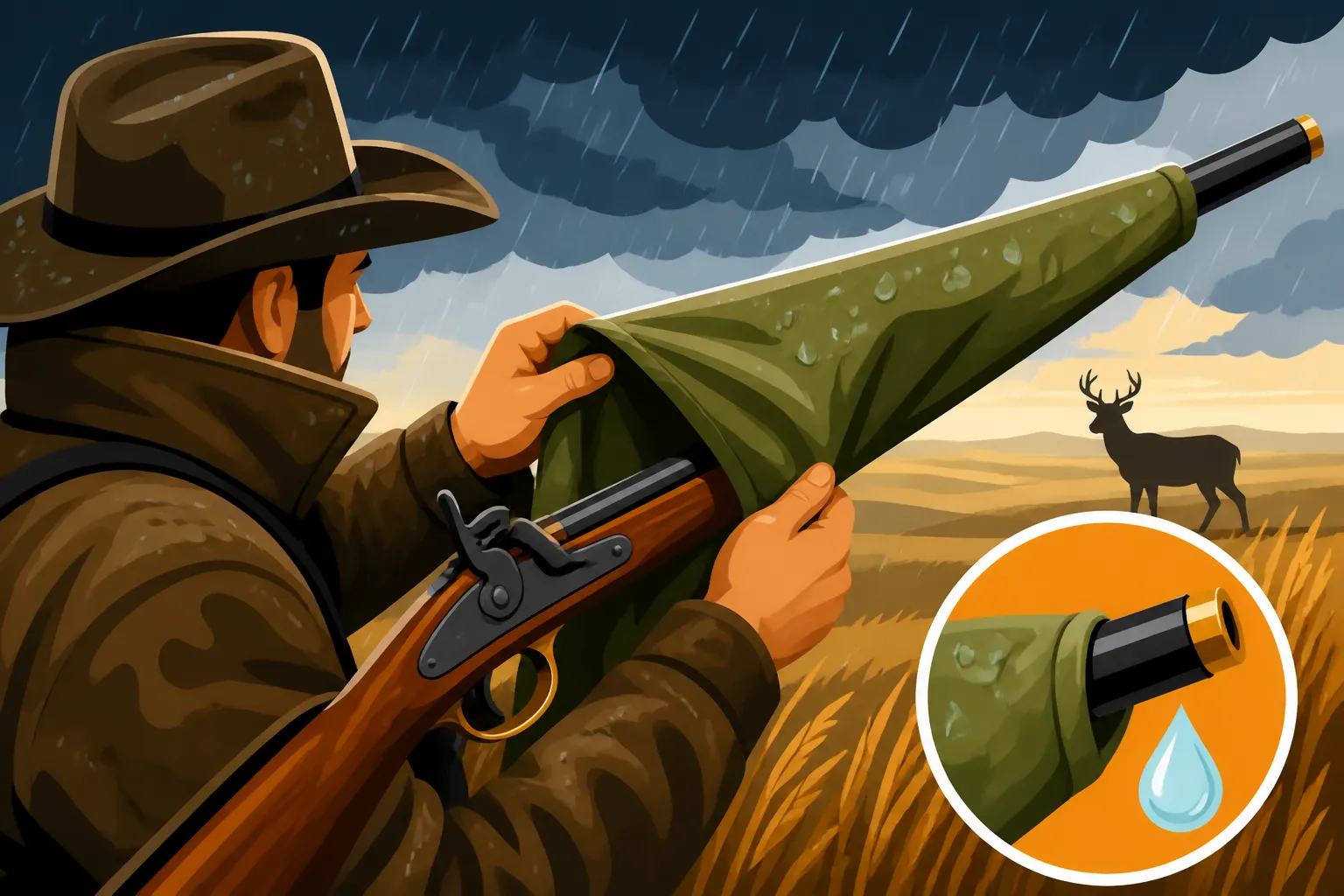
One classic, low-tech solution is electrical tape. A few wraps around the muzzle, carefully covering the bore, can create a surprisingly effective waterproof seal. The advantage is that it's cheap, easily accessible, and can be ripped off quickly and quietly when it's time to shoot. However, it can leave sticky residue, and if not applied correctly, can still allow water in. Another popular choice for many hunters is a balloon. A small, sturdy balloon stretched over the muzzle creates an airtight, waterproof barrier. Like tape, it's inexpensive and can be shot through without issue (the balloon simply ruptures harmlessly). The main drawback is that balloons can be fragile and prone to tearing on brush or thorns if you're navigating dense cover. For a more robust solution, dedicated muzzle covers made from flexible, waterproof materials are available. These often have elastic bands or drawstrings to secure them tightly. They offer excellent protection and are more durable than balloons. The key with any muzzle cover is ensuring it can be removed silently and quickly, or safely shot through, without affecting accuracy. When researching gear like this, resources like GoHunt often provide detailed reviews and user feedback on various brands and models, helping you make an informed choice for your specific hunting style.
Safeguarding the Ignition System
Just as important as keeping the powder dry is protecting the ignition system – whether that's a percussion cap on a nipple or a 209 primer in a breech plug. If your primer or cap gets wet, even with dry powder, you're likely to experience a misfire.
For percussion caps, one simple method is to place a small piece of inner tube rubber or a specialized rubber O-ring over the cap and nipple. This creates a seal that prevents water from reaching the cap. Some hunters even use a small square of medical tape or electrical tape over the hammer and cap area, being careful not to impede the hammer's strike. The challenge is ensuring these covers can be removed quickly enough for a shot, or that they won't interfere with the hammer. For 209 primers, which are usually more weather-resistant, the main concern is water entering the breech plug itself. Many modern muzzleloaders have designs that inherently protect the primer, but an extra layer of defense never hurts. A small, waterproof cap that fits over the breech plug area can work wonders. Additionally, always carry spare percussion caps or 209 primers in a completely waterproof container, like a small plastic pill bottle or a dedicated primer caddy. This way, if your loaded primer gets compromised, you can safely unload, re-prime, and get back in the game.
Overall Weapon and Gear Shielding
Protecting the muzzle and ignition is paramount, but keeping the entire muzzleloader dry and functional requires a broader approach. The stock, action, and optics can also suffer from prolonged exposure to rain, affecting both performance and longevity.
For transport, waterproof gun cases or sleeves are invaluable. These protect your muzzleloader not just from rain, but also from bumps and scratches during transit to your hunting spot. Once you're in the field, a dedicated waterproof rifle cover made from durable, quiet fabric can shroud your entire weapon. Some hunters use improvisational methods, like wrapping the entire firearm in a large, heavy-duty garbage bag, though this can be cumbersome and noisy. The key is to select something that allows for quick and quiet deployment of your rifle. Don’t forget to pack moisture-wicking cloths or small towels. These can be used to quickly wipe down your muzzleloader if it does get wet, preventing water from settling and starting the corrosion process. A quick wipe-down can make a big difference, especially for exposed metal parts. Remember, staying dry yourself helps keep your gear dry. Proper Cold Weather Stand Clothing is essential not just for warmth but also to prevent your body heat from creating condensation that can then affect your weapon.
Tactical Field Strategies for a Wet Kansas Hunt
Hunting in the rain isn't just about protecting your gear; it's about adapting your entire strategy to the conditions. The wind shifts, visibility changes, and deer patterns can alter. Knowing how to leverage your environment and adjust your movements can significantly increase your chances of success, even when the skies open up over the Kansas plains.
Choosing Your Stand and Position Wisely
When rain is in the forecast, your choice of stand location becomes even more critical. You're not just thinking about deer movement; you're thinking about personal comfort and weapon protection.
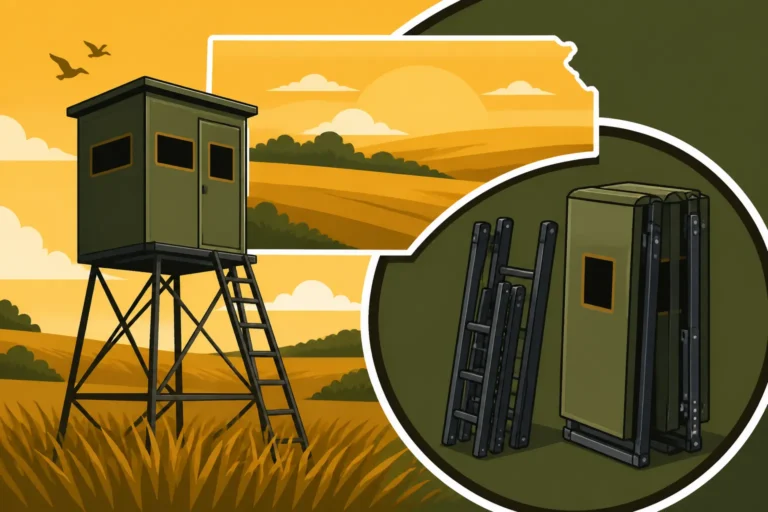
Natural cover is your best friend. Look for dense cedar thickets or stands of mature timber that offer a natural canopy. These areas can significantly reduce the amount of rain hitting you and your muzzleloader. In many parts of Kansas, especially eastern timber belts or even shelterbelts in farm country, you can find excellent natural cover. If you're hunting in a more open landscape, a ground blind that is properly brushed in and fully waterproofed can provide excellent shelter. Make sure any ground blind you use is truly waterproof, not just water-resistant, and that you've sealed any potential leaks. A sturdy, elevated box blind with a solid roof offers the ultimate protection from the elements, allowing you to stay dry and keep your muzzleloader out of the rain, ready for a shot. When picking a spot, also consider how the wind will blow the rain. Often, an east wind will push rain differently than a north wind, and understanding how Wind and Thermals on a River Bank affect the conditions can help you position yourself to minimize direct exposure. Deer often seek similar shelter, making these areas natural funnels during inclement weather.
Carrying Your Muzzleloader in the Rain
How you carry your muzzleloader while moving through the field in the rain can impact its dryness and your readiness. It’s a delicate balance between protection and accessibility.
Many hunters naturally carry their rifle with the muzzle up, but in the rain, this turns the barrel into a funnel for water. Instead, try carrying your muzzleloader with the muzzle pointed down. This allows rain to run off the barrel rather than into it. If you've taped or capped your muzzle, this position offers double protection. Using a sling can free up your hands, but be mindful that a wet sling can act like a wick, transferring moisture to the stock and action of your rifle. Consider slings made from waterproof synthetic materials or cover a traditional leather sling with a waterproof wrap. For longer treks, a temporary waterproof cover or sleeve can be slipped over your muzzleloader while it's on your shoulder, then quickly removed when you get to your stand or spot a game animal. The key is to minimize the time your muzzleloader is directly exposed to falling rain, especially the critical ignition and barrel components. Even in warm September weather when you might be focusing on Muzzleloader Deer Tactics in Warm September Weather, rain can still pop up, creating these same challenges with moisture.
Post-Rainfall Immediate Actions
The hunt might be over, but your work protecting your muzzleloader is just beginning, especially after a wet outing. The hours immediately following exposure to rain are the most critical for preventing rust and ensuring future reliability.
As soon as you’re out of the elements, the very first thing you should do is attend to your muzzleloader. This means unloading it safely – if it's still loaded, follow all safety protocols for unloading a potentially wet powder charge. Then, disassemble the breech plug and nipple (or primer system). These areas are prone to trapping moisture and corrosive powder residue. Use a good quality gun cleaner designed for black powder to thoroughly clean the bore, breech plug, nipple, and any other components that came into contact with powder gases. Don't just wipe it down; a full cleaning is essential. Once clean, ensure all components are completely dry. Use patches, compressed air (if available), or even a hairdryer on a low setting (be careful with heat and plastics/wood). Once dry, liberally apply a rust-preventative oil or grease to all metal surfaces, inside and out. Pay extra attention to the bore, threads of the breech plug, and the nipple. This immediate and thorough attention can save you immense frustration and expense down the road, much like the urgency needed for Field Dressing in Warm Kansas Weather to preserve game meat.
Loading and Storage Best Practices in Inclement Weather
Mastering the art of keeping your muzzleloader dry in the rain also involves proactive steps long before you head into the field, as well as meticulous care once you return. It’s all about preparation, precision, and diligent maintenance to ensure every shot counts.
Pre-Hunt Preparation and Loading
The foundation of a successful muzzleloader hunt, especially in wet conditions, is laid before you even step foot outside. Your loading process is paramount.
Ideally, load your muzzleloader at home or from the shelter of your vehicle to ensure all components are completely dry and protected from ambient moisture. This allows for a controlled environment where you can minimize any exposure. Many experienced muzzleloader hunters use pre-measured powder charges stored in individual, sealed waterproof tubes or vials. This not only speeds up reloading in the field but, more importantly, keeps your powder bone-dry until the moment it's poured down the barrel. When loading, ensure your bullets are seated firmly and consistently on top of the powder charge. A loosely seated bullet can allow moisture to penetrate the powder or affect accuracy. Double-check your percussion caps or 209 primers to ensure they are new, dry, and properly seated. Resources found through platforms like GoHunt often highlight the importance of these meticulous pre-hunt preparations, emphasizing how small details can make a huge difference in the field.
Field Unloading and Reloading Safely
It’s inevitable that during a long sit in the rain, or at the end of a wet hunting day, you might need to unload or even reload your muzzleloader in less-than-ideal conditions. This requires careful attention to safety and moisture management.
If your muzzleloader has been exposed to significant rain and you need to unload it without firing, exercise extreme caution. Remember the risk of hangfires. Point the muzzle in a safe direction and use a de-capping tool or carefully remove the percussion cap/primer. If it doesn't fire immediately, treat it as loaded and wait several minutes before attempting to clear the charge. For reloading in the field, find the best available shelter – a thick tree, a rock outcropping, or even huddle under a large, waterproof poncho. Work quickly and efficiently to minimize the time your powder and primer are exposed. If using pre-measured charges, open the tube, pour, and seal it back up. Ensure your hands are as dry as possible to avoid transferring moisture to the powder or bullet. The critical nature of a dry powder and primer cannot be overstated; they are the heart of your shot.
Long-Term Storage After a Wet Season
The hunt is over, the deer is tagged (or not), and you're back home. Even if you felt you kept your muzzleloader "mostly dry," a meticulous post-hunt cleaning and proper storage are vital for its longevity and readiness for next season.
First, assume your muzzleloader got wet and treat it as such. Perform a thorough, deep cleaning, disassembling it completely (breech plug, nipple, lock assembly if comfortable) and cleaning every component. Pay close attention to the bore and all internal mechanisms. Once clean and completely dry, apply a generous layer of quality gun oil or rust inhibitor to all metal parts. For long-term storage, especially in humid environments, consider placing desiccants (moisture-absorbing packets) in your gun safe or cabinet, particularly near your muzzleloader. These help draw out ambient moisture and prevent rust. Regularly inspect your muzzleloader throughout the off-season, especially during periods of high humidity, for any signs of developing rust. A quick wipe-down and re-oiling can prevent a small spot of surface rust from becoming a serious issue. Part of being a responsible hunter involves regular maintenance, and this includes practices like Sighting In Before Firearm Season which ensures your gun is ready and accurate, much like proper cleaning ensures it's reliable.
| Muzzle Protection Method | Pros | Cons | Quick Removal | Durability in Brush |
|---|---|---|---|---|
| Electrical Tape | Cheap, accessible, good seal | Sticky residue, less aesthetically pleasing | Yes | Moderate |
| Balloon | Cheap, easy to apply, can shoot through | Fragile, prone to tearing | Yes | Low |
| Dedicated Muzzle Cap | Excellent seal, durable, reusable | Higher cost, can be bulky | Yes | High |
| Plastic Bag/Wrap | Improvised, good temporary cover | Noisy, can be cumbersome, less secure | Yes | Low |
Disclaimer
The information provided in this guide is for general informational purposes only and should not be considered a substitute for professional advice. Always consult local hunting regulations and safety guidelines from the Kansas Department of Wildlife, Parks and Tourism. Hunting involves inherent risks, and proper safety precautions, including firearm handling, should always be followed.