Cold Weather Stand Clothing
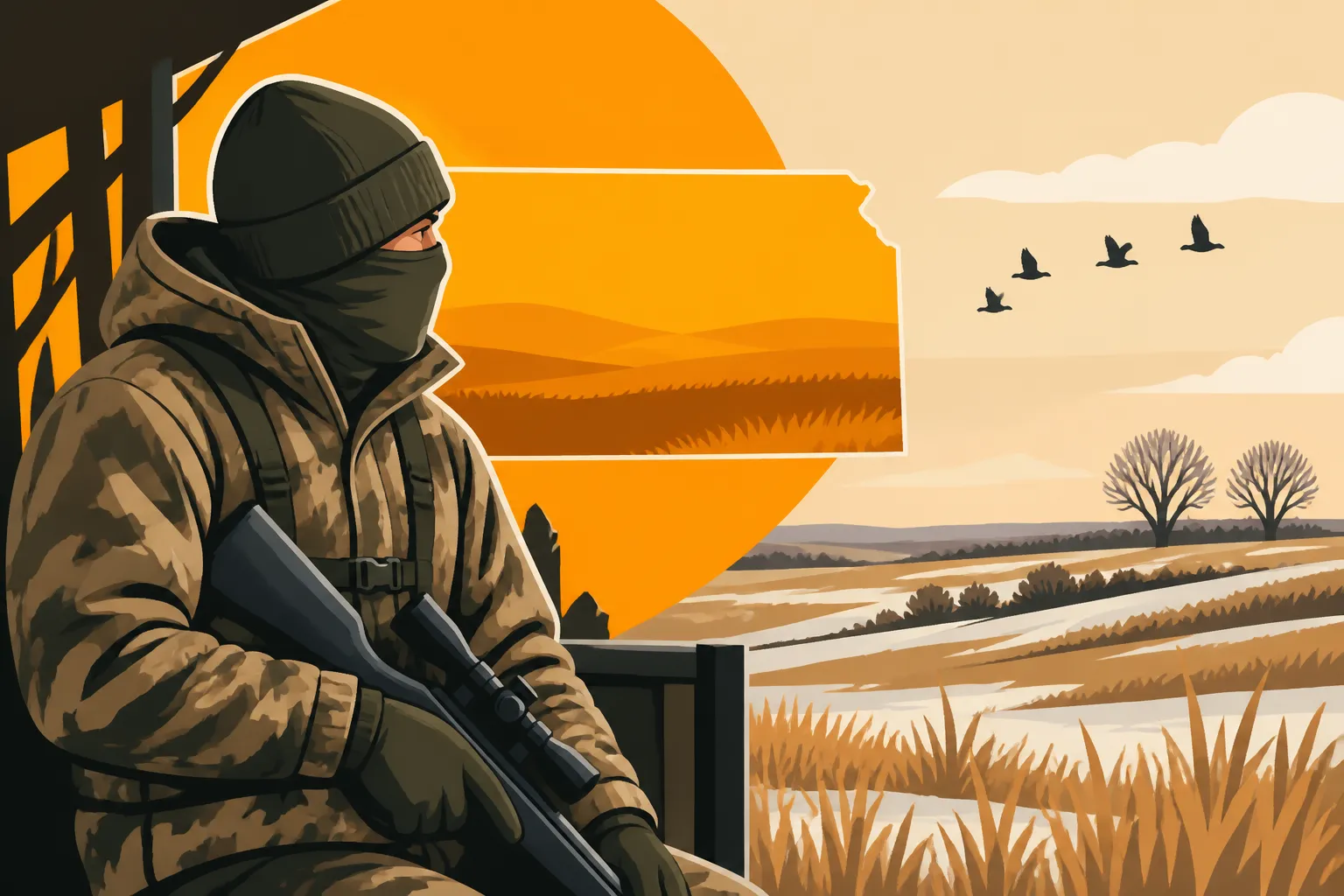
There’s nothing quite like the excitement of a crisp Kansas morning in a deer stand, but that excitement can quickly turn to misery if you’re shivering uncontrollably. The relentless prairie wind and plummeting temperatures can cut through inadequate clothing like a knife, making you want to call it quits long before legal shooting light. This guide will walk you through building a cold weather stand clothing system that not only keeps you warm but keeps you effective, ensuring you can stay on stand and make the most of those prime hunting hours, even when the mercury drops.
Understanding Kansas Winter Conditions from a Deer Stand
Anyone who's spent a December morning perched in a treestand in Kansas knows that "cold" here isn't just a number on a thermometer; it's a deep, bone-chilling experience amplified by the wide-open landscape. The challenge isn't just the low temperatures, but how they interact with the unique environment to make things feel even colder.
The Brutal Reality of Kansas Wind Chill
The Kansas wind is legendary, and not in a good way when you're trying to sit still for hours. It doesn't just blow; it penetrates. A calm 20-degree day can feel like 0 degrees with a 15 mph breeze, and those kinds of wind speeds are common in Kansas. This wind chill factor is often the biggest enemy of a deer hunter in late season. It strips away the insulating layer of warm air your body creates, making even the best insulation less effective. You might be bundled up, but if your outer layer isn't completely windproof, that wind will find every seam, every loose cuff, and every tiny gap, and before you know it, you're shivering uncontrollably, focusing more on survival than on the deer moving through a standing corn field. This is why specialized cold weather hunting gear isn't just a luxury; it's a necessity when hunting in Kansas during the colder months.
Temperature Swings and Unexpected Warm-Ups/Cool-Downs
Another challenging aspect of Kansas winter weather is its unpredictability. You can start a morning hunt with temperatures in the single digits, only to have it "warm up" to the mid-20s by midday, especially if the sun breaks through. Or, the opposite can happen – a mild morning can quickly turn frigid as a cold front blasts through, bringing with it dropping temperatures and increasing winds. These swings mean your clothing system needs to be adaptable. You can't just throw on one heavy layer and hope for the best. Overdressing in the morning can lead to sweating on the walk in or during a midday warm-up, and once that moisture gets trapped against your skin, you're setting yourself up for hypothermia when the temperatures inevitably drop again. Having a system that allows you to easily add or shed layers without making too much noise is crucial for maintaining a comfortable core temperature throughout the entire hunt, whether you're hunting during the firearm season or still pursuing deer with your bow in January.
The Science of Layering: Your Warmth Strategy
Forget the idea of one massive, bulky coat that's supposed to do it all. The secret to staying warm, comfortable, and agile in a Kansas treestand is a well-thought-out layering system. It's not just about piling on clothes; it's about strategic use of different materials and weights to trap heat, manage moisture, and protect against the elements.
Base Layers: Managing Moisture is Key
Your base layer is arguably the most critical part of your cold weather clothing system, even though it's the one nobody sees. Its primary job is to wick moisture (sweat) away from your skin, keeping you dry. If sweat stays on your skin, it cools rapidly and will chill you to the bone, regardless of how many layers you have on top. For this reason, cotton is an absolute no-go. Cotton absorbs moisture and holds it, making you cold. Instead, opt for materials like merino wool or synthetic fabrics (polyester, polypropylene). Merino wool is fantastic because it's naturally antimicrobial, meaning it resists odor, which is a huge bonus when you're spending multiple days in the field. Synthetics are often more affordable and dry very quickly.
When choosing a base layer, consider its weight. Lightweight options are good for brisk mornings that warm up, while mid-weight and heavy-weight options are better for truly frigid conditions. The fit should be snug, but not constricting, against your skin to be most effective at wicking moisture. Brands like Sitka, First Lite, and Kuiu offer excellent merino and synthetic base layers designed specifically for hunting, often incorporating flatlock seams to prevent chafing when you're active or sitting for extended periods.
Mid-Layers: Trapping Heat with the Right Insulation
Once your moisture is managed, your mid-layers come into play, and their sole purpose is to trap warm air close to your body. Think of them as your personal furnace. The loftier the material, the more air it can trap, and the warmer you'll be. Common mid-layer materials include fleece (polyester), down, and synthetic insulations like PrimaLoft or Thinsulate. Fleece is a great versatile option; it's relatively inexpensive, breathes well, and provides decent warmth. However, it's not windproof, so it needs to be protected by an outer shell.
Down is incredibly warm for its weight and packability, but its major drawback is that it loses most of its insulating properties when wet. Synthetic insulations are designed to mimic down's warmth but retain their loft even when damp, making them a more reliable choice in potentially wet or snowy conditions. For a treestand hunter, a puffy jacket or vest filled with down or synthetic insulation is an excellent choice. You can often wear a lighter one for the walk in and then layer a heavier one over it once you're settled in the stand. Having a high-quality mid-layer is key to extended sits, especially when you're looking to capitalize on peak deer movement during the rut.
Outer Layers: Your Shield Against the Elements
Your outer layer, often called a shell, is your first line of defense against the brutal Kansas wind, rain, and snow. It needs to be windproof, water-resistant (or waterproof), and crucially, quiet. Nothing ruins a hunt faster than a noisy jacket that rustles with every slight movement, alerting that big buck you've been watching. Look for fabrics that are durable but have a soft, quiet face, especially if you're bowhunting.
Modern outer layers often use advanced membranes like GORE-TEX or similar proprietary technologies to achieve waterproof and windproof properties while still allowing some breathability. This breathability is important to let any residual moisture vapor escape from your inner layers, preventing that clammy feeling. For late-season deer hunting, a heavy insulated parka and matching bibs or pants are essential. These are often designed with features specific to hunting, like strategically placed pockets, quiet zippers, and articulated elbows and knees for ease of movement. Companies like Sitka and Kryptek design outer layers with Kansas hunting in mind, focusing on durable, quiet, and highly protective materials. Remember, even with the best mid-layers, if the wind is cutting through your outer shell, you're going to get cold. This layer literally seals in all the warmth you've worked to build with your base and mid-layers.
Essential Gear for Head-to-Toe Warmth
While your core body temperature is critical, the extremities are often the first to feel the cold's bite. Numb fingers and toes can make drawing a bow, handling a rifle, or even just climbing into your stand an agonizing ordeal, often forcing you to leave early. Don't underestimate the importance of dedicated gear for your head, hands, and feet.
Protecting Your Extremities: Hands and Feet
Cold hands and feet are the arch-nemeses of any cold weather hunter. For your hands, a multi-stage approach often works best. Start with a thin, wicking glove (merino wool or synthetic) that allows for dexterity when handling your bow or rifle, climbing, or using your phone for apps like GoHunt to check weather or public land boundaries. Over these, wear a heavier, insulated, and windproof mitten or glove. Many hunters prefer mittens for ultimate warmth, as they allow your fingers to share warmth, but the trade-off is reduced dexterity. Look for mittens with a flap that allows you to free your fingers when needed. Hand warmers, either chemical or rechargeable electric, can be placed in your gloves or a hand warmer muff for an extra boost of warmth.
For your feet, it's a similar strategy: wicking socks, insulation, and protection. Start with a thin merino wool liner sock, followed by a thick, heavy-weight merino wool hunting sock. Avoid cotton socks at all costs. Your boots are crucial; they need to be insulated, waterproof, and large enough to accommodate your heavy socks without compressing them. Compression reduces air pockets and thus insulation. Look for boots rated for extreme cold, often measured in grams of Thinsulate insulation (e.g., 1200g, 2000g). Brands like Schnee's, Kenetrek, and Lacrosse make excellent insulated hunting boots. Just like with your layers, consider your activity level. If you have a long walk to your stand, you might wear less insulation on your feet for the walk and then swap to heavier socks or add toe warmers once you're settled in. Keeping your feet dry and warm is a constant battle, and it's one you must win to stay on stand.
Head and Neck: Critical Heat Loss Zones
Your head is a significant source of heat loss, and keeping it covered is essential for overall body warmth. Think about your hat choice. A simple knit beanie might be fine for a chilly day, but for truly cold sits, you'll want something more substantial. Look for insulated beanies, often with windproof layers, or combine a thinner beanie with a hooded jacket. A balaclava or neck gaiter is also an absolute must. It covers your neck, chin, and often your nose and mouth, protecting exposed skin from brutal winds and trapping precious heat that would otherwise escape. Many are made from fleece or merino wool for warmth and moisture management.
These items not only keep you warm but also provide vital camouflage, breaking up the outline of your head and face. Some hunters even wear two hats – a thin skullcap under a heavier, insulated one – allowing them to remove the outer hat if things warm up or if they're moving. Remember that any exposed skin on your head or neck is like an open window, constantly letting your hard-earned warmth escape into the cold Kansas air. Even a slight breeze can feel like an ice pick when it hits exposed skin.
The Importance of High-Quality Accessories
Beyond the main layers, a few key accessories can make a world of difference in your comfort levels. A good pair of insulated hunting bibs or pants is invaluable. They eliminate the gap between your jacket and pants, preventing cold air from seeping in and keeping your lower back and core much warmer than just regular pants. Many come with full-length zippers, making them easy to get on and off over boots.
Another often overlooked item is an insulated seat pad or cushion. Sitting directly on a cold metal stand or a frozen tree limb will quickly sap your body heat through conduction. A thick, insulated pad creates a thermal barrier, keeping your backside much warmer. A small, quiet backpack or fanny pack can carry extra layers, hand warmers, a thermos of hot coffee or soup, and snacks – all critical for extended cold weather sits. Even using a hunting app like GoHunt to scout areas can be made more tolerable with warm hands, ensuring you can still plan your next move without discomfort. Don't forget a face mask; a heavy fleece or merino mask protects your nose, cheeks, and mouth from frostbite, which can become a real concern on those severely cold, windy days.
Here's a quick overview of recommended materials for different layers:
| Layer Type | Recommended Materials | Avoid These Materials | Key Function | Notes |
|---|---|---|---|---|
| Base Layer | Merino Wool, Synthetic (Polyester, Polypropylene) | Cotton | Wicks moisture, light insulation | Snug fit; prevents chilling from sweat |
| Mid-Layer | Fleece, Down, Synthetic Insulation (PrimaLoft, Thinsulate) | Cotton | Traps warm air, provides insulation | Down is great but loses warmth when wet; synthetics excel in damp. |
| Outer Layer | GORE-TEX, WindStopper, Durable Water-Resistant (DWR) fabrics | No specific fabric to avoid, but ensure QUIET & WINDPROOF | Blocks wind/water, retains heat | Must be quiet for hunting; good insulation for static sits. |
| Socks | Merino Wool, Synthetic (Polyester, Polypropylene) | Cotton | Wicks moisture, insulates | Layering a thin liner under a heavy sock is effective. |
| Gloves/Mittens | Fleece, Down, Synthetic Insulation, Windproof shells | Cotton | Hand protection and warmth | Layering thin gloves under insulated mittens offers versatility. |
| Headwear | Fleece, Merino Wool, Windproof Membranes | Cotton | Prevents heat loss from head/neck | Balaclavas and insulated hats are crucial. |
Beyond Clothing: Tips for Sustained Comfort
Even with the best cold weather stand clothing system money can buy, there are additional strategies and preparations you can undertake to ensure you stay warm, comfortable, and focused throughout your entire hunting excursion. It's about a holistic approach to enduring the elements.
Pre-Hunt Preparation and Nutrition
Your preparation for cold weather hunting begins long before you ever step foot in the woods. Staying properly fueled and hydrated plays a huge role in your body's ability to generate and retain heat. Start by eating a substantial meal rich in complex carbohydrates and healthy fats before your hunt. Think oatmeal, whole-grain toast with peanut butter, or a hearty breakfast burrito. These provide sustained energy for your body to metabolize and produce heat. Avoid sugary drinks or excessive caffeine, which can lead to energy crashes and dehydration.
Additionally, ensure you get adequate rest. Being well-rested improves your body's resilience to cold and helps maintain focus. Your mental state is also incredibly important; a positive, determined attitude can go a long way in overcoming the discomfort of a cold sit. Double-check your gear the night before, lay out your clothing in the order you'll put it on, and pack a thermos with a hot beverage like coffee, tea, or even just hot water for soup. This proactive approach minimizes stress and ensures you're ready to perform when it matters, whether you're planning for a long sit or needing to quickly adjust your plan.
Strategic Stand Placement and Movement
Where you choose to set up your stand, and how you position yourself within it, can significantly impact your comfort. When picking your stand location for cold weather, consider natural windbreaks. Thick cedar thickets, large timber blocks, or even the lee side of a significant hill can offer surprising protection from the prevailing winds that sweep across Kansas. Think about how the wind will interact with the terrain, especially in flat farm country, and try to find spots that funnel deer movement while also shielding you. For example, understanding how wind and thermals affect movement around river banks is crucial.
Once in the stand, minimize unnecessary movement. Every twitch and adjustment can create drafts and compromise the warm air pockets within your layers. If you find yourself getting cold, try some subtle movements to get your blood flowing without alerting deer. Clench your fists and release, wiggle your toes, or gently flex your leg muscles. These small movements can increase circulation and help generate a little internal heat. Sometimes, standing up for a few minutes, if safe and quiet, can also help. Even if you're using a mobile setup like a saddle, being mindful of your position relative to the wind is paramount.
Staying Hydrated and Fueling Your Body on Stand
It might seem counterintuitive to focus on hydration when it's cold, but it's just as crucial in winter as it is in summer. Cold, dry air, coupled with heavy clothing and physical exertion (like walking to your stand), can lead to dehydration. Dehydration impairs your body's ability to regulate temperature, making you more susceptible to the cold. Carry a water bottle or a hydration bladder, and make sure it's insulated to prevent freezing. Sip water regularly throughout your hunt.
Bringing calorie-dense, easy-to-eat snacks is also vital. Energy bars, nuts, dried fruit, or even a sandwich can provide the fuel your body needs to keep its furnace burning. Warm liquids, like coffee, tea, or broth in a thermos, are a real game-changer. Not only do they provide hydration and a little energy, but the warmth itself offers a comforting internal boost. A periodic warm sip can re-energize your core and make a long, cold sit much more bearable. When you're spending all day focused on patterns and movement, like when scouting prime areas, a well-fueled and hydrated body will perform better.
Disclaimer
Hunting is an inherently dangerous activity. This guide provides general information and recommendations for cold weather clothing and tactics in Kansas. Always prioritize safety and adhere to all local, state, and federal hunting regulations. Consult official Kansas Department of Wildlife, Parks and Tourism resources for current rules regarding licenses, permits, and season dates, such as for the general hunting license and specific deer season dates. Conditions can change rapidly, and proper judgment is crucial for a safe and successful hunt.