Walking Milo Rows for Pheasants
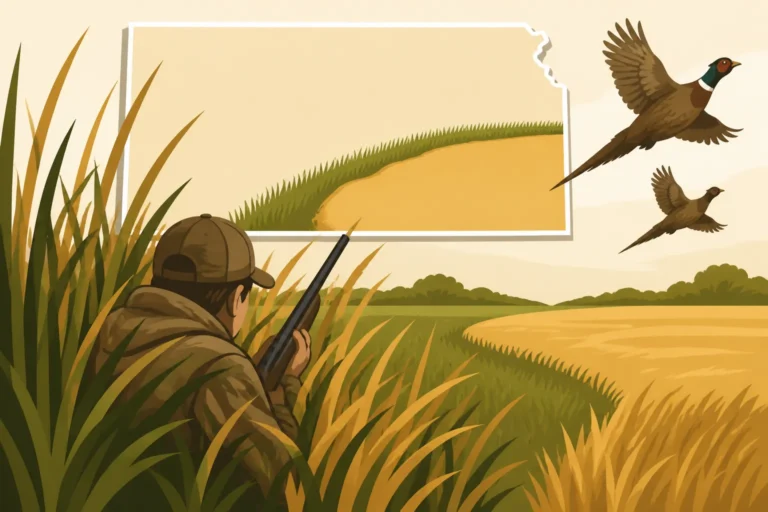
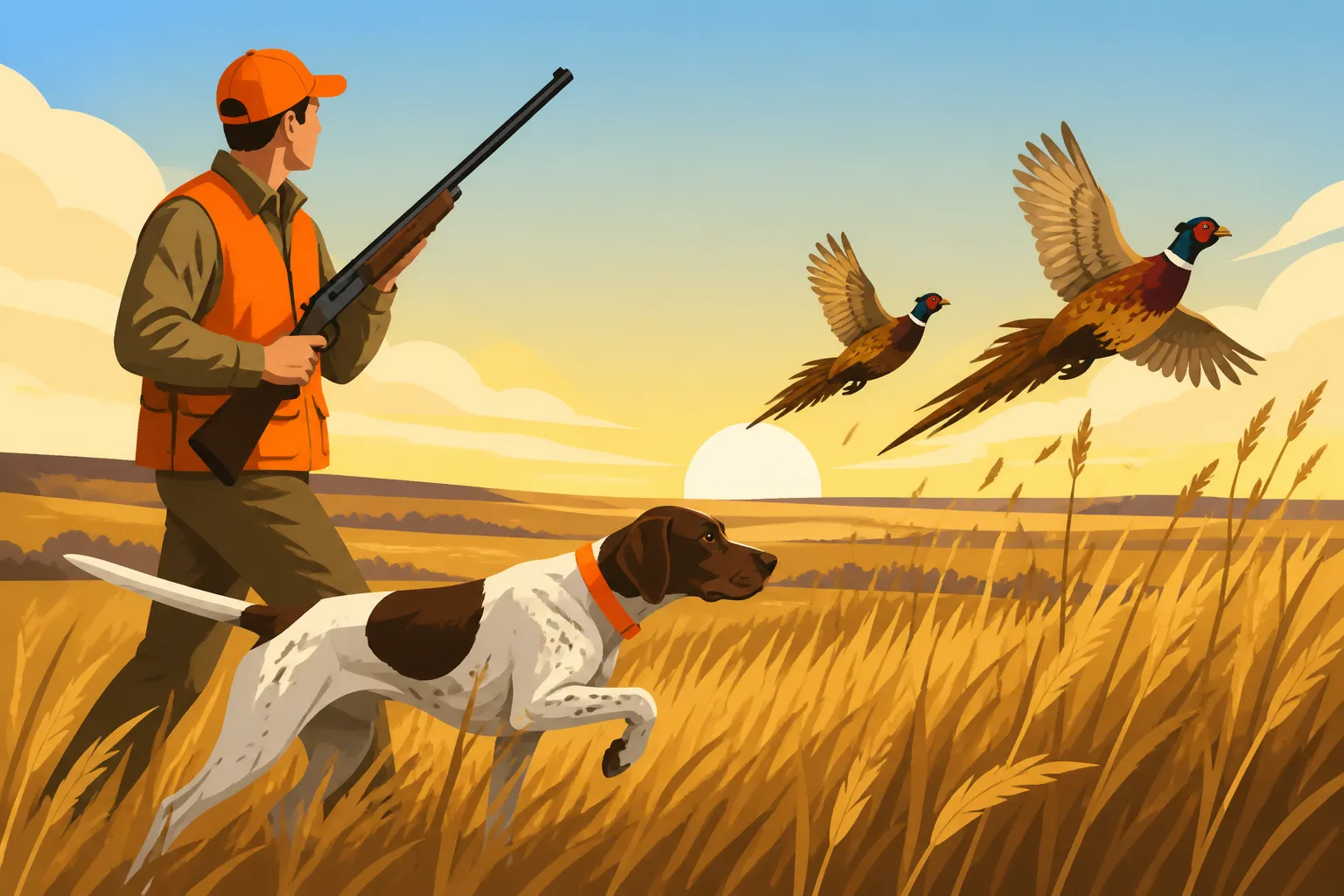
There’s nothing quite like the sudden, explosive flush of a Kansas pheasant, especially when it bursts from a seemingly innocuous milo row. Many hunters dream of wide-open CRP fields, but the reality is that some of the toughest, most rewarding pheasant hunting in Kansas happens when you roll up your sleeves and meticulously walk milo stubble. This guide is for every hunter who's grown tired of pheasants giving them the slip in thick cover and wants to master the art of working milo fields to put more birds in the bag.
The Underrated Sanctuary of Kansas Milo Fields
When you think of prime pheasant habitat, your mind might instantly jump to vast tracts of Conservation Reserve Program (CRP) grass or dense plum thickets. And those are certainly fantastic spots. But in the agricultural heartland of Kansas, milo (grain sorghum) fields offer an incredible, often overlooked, sanctuary for pheasants, especially as the season progresses. These fields aren't just a place for pheasants to grab a quick meal; they provide crucial thermal cover, protection from predators, and a persistent food source long after harvest.
Why Milo is a Pheasant Magnet
Milo fields, with their sturdy stalks and often dense growth patterns, create a microclimate that pheasants absolutely thrive in. Unlike corn, which can be harvested much taller and leave a more open canopy, milo typically stands shorter and creates a tighter, almost impenetrable, web of cover for a pheasant trying to escape a hawk or simply find a warm spot out of the wind.
The residual grain after harvest is another huge draw. Even after the combines have roared through, there's always plenty of milo on the ground, scattered among the stubble, providing a readily available and highly nutritious food source throughout the late fall and winter months. This consistent food, coupled with excellent cover, makes milo fields a primary destination for these wily birds, especially when other food sources or covers become scarce due to heavy hunting pressure or harsh weather. Understanding these dynamics is key to unlocking the potential of these fields.
How Milo Use Changes Throughout the Season
Pheasant behavior in milo fields isn't static; it shifts dramatically as the hunting season progresses and the weather changes. Early in the season, when temperatures are milder and the milo stalks are still relatively green and intact, pheasants might use the fields for bedding during the day, much like they would a dense grass field. They'll often be found deep within the interior, relying on the extensive cover. This is a great time for aggressive, systematic walks.
As winter truly sets in and the stalks become brittle, breaking down from frost and snow, the cover thins out. Pheasants then tend to gravitate towards the edges of these fields, especially where they adjoin thicker cover like a creek bottom, a shelterbelt, or a fence line with overgrown weeds. They'll also seek out any lodged patches of milo where the stalks have fallen over, creating a dense mat of overhead cover. This is when strategic pushes and understanding a pheasant's escape routes become even more critical. You might notice similar patterns to what you'd see when Late-Season Food Source Hunting in other crop fields.
Strategic Approaches to Effectively Hunt Milo Rows
Successfully hunting pheasants in milo rows isn't about aimlessly wandering; it requires a deliberate, tactical approach. Whether you're a lone hunter or part of a group, understanding how to systematically cover ground and anticipate flushes is paramount. The goal is to push birds to an edge or funnel them into a position where they're forced to flush within shotgun range.
Solo Hunter Tactics in Milo
Hunting milo solo can be incredibly effective if you know how to work the field methodically. The key is patience and a grid-like approach. Start at one end of the field and walk in a straight line down a row or between rows, keeping a sharp eye out for signs of birds, like tracks or fresh droppings. Once you reach the end, turn and walk back parallel to your first path, about 20-30 yards over, gradually covering the entire field. Think of it like mowing a lawn.
Pheasants are notorious for running, so don't expect them to sit tight until you're right on top of them. Be ready for sudden flushes well ahead of you, or, more frustratingly, for them to run out the side or end of the field. When you get to a field edge, especially one bordering heavy cover, pause for a moment. Often, birds that have been running ahead of you will hold up right at that transition zone before bursting out. A powerful mapping tool like GoHunt can be invaluable here, letting you mark your path, identify potential escape routes, and ensure you're systematically covering the ground without missing sections.
Group Hunting and Strategic Blocking
When you have a group of hunters, milo fields truly shine for strategic pheasant drives. The most common and effective method is to set up a line of "drivers" who walk through the field, pushing birds towards "blockers" positioned at the far end or along the sides. Communication is absolutely critical here. Use radios or clear hand signals to coordinate your movements.
The drivers should maintain an even line, walking at a steady pace. The closer the drivers are to each other, the less likely birds are to slip through the line. Meanwhile, blockers need to be acutely aware of their surroundings, positioning themselves along known escape routes – usually the thinnest cover, fence lines, or corners of the field. It’s a similar concept to Blocking and Driving Kansas Milo Fields for deer, but with faster, more unpredictable quarry. Safety is paramount: always know where every member of your group is and never shoot unless you have a clear, safe shooting lane. This team effort dramatically increases the chances of encountering birds within range.
Reading the Landscape and Pheasant Behavior
Pheasants are creatures of habit and efficiency. They'll use the terrain and cover to their advantage, often running rather than flying, and always seeking the path of least resistance or densest concealment. To be successful in milo, you need to think like a pheasant and anticipate their moves.
Identifying Prime Holding Spots Within Milo
While an entire milo field looks uniform, certain areas are more likely to hold pheasants. Look for any patches of lodged milo where the stalks have fallen over, creating a thick, tangled mat. These spots offer superior overhead cover and make it harder for predators (and hunters) to spot them. Also pay close attention to internal features like grass waterways, small ditches, or even subtle changes in elevation that might have allowed a thicker stand of milo to grow. These irregularities break up the monotony and often serve as preferred loafing or bedding areas.
Field edges are also prime real estate, especially those bordering heavier cover like shelterbelts, timber strips, or even a deep ditch. Pheasants will often stage in the milo close to these thicker covers, ready to make a quick dash for safety if threatened. Sometimes, just as in Reading Aerial Imagery for Bedding Cover for deer, a thorough scouting session beforehand with a mapping app can reveal these subtle changes in terrain or cover density that aren't obvious from the ground.
Wind and Weather's Influence on Pheasant Movement
The wind is a pheasant hunter's best friend and worst enemy, depending on how you use it. Pheasants, like many birds, prefer to fly into the wind when flushing because it gives them better lift and control. Therefore, whenever possible, try to walk your milo rows into the wind. This means that if a bird flushes, it will likely turn and fly back over or past you, offering a better shot opportunity as it gains altitude. Walking with the wind often means birds flush wild, going with the wind, making them incredibly fast and difficult targets.
Weather also plays a huge role. On cold, blustery days, pheasants will hunker down in the densest available cover to escape the elements. This means they might hold tighter in the milo, providing closer flushes. On milder days, they might be more spread out and willing to run further ahead of you. Keep an eye on the forecast, and adjust your hunting strategy accordingly. A keen understanding of how the wind moves through cover is as important for pheasants as it is for anticipating deer movement when considering Wind and Thermals on a River Bank.
Essential Gear and Hunter Safety for Milo Hunts
Just like any hunting pursuit, having the right gear and, more importantly, prioritizing safety, can make or break your milo pheasant hunt. You're going to be doing a lot of walking, potentially through rough terrain, and encountering birds that can be surprisingly tough.
Shotgun and Ammunition Selection
For pheasants in Kansas milo, a 12-gauge or 20-gauge shotgun is generally preferred, offering a good balance of power and maneuverability. Your choice of choke is important: Modified or Improved Cylinder are excellent starting points. Modified choke offers a good balance for flushing birds, giving a decent pattern density out to 35-40 yards, while Improved Cylinder provides a wider pattern for closer, explosive flushes common in dense milo. Full choke is often too tight for these situations, leading to missed opportunities on close flushes.
When it comes to ammunition, #4, #5, or #6 lead shot are all popular choices for pheasants. Many hunters prefer #5 shot as a versatile option, offering enough pellets for a good pattern and sufficient energy to cleanly take down a rooster. Make sure you have plenty of shells, as milo hunting can burn through them quickly! Consider using non-toxic shot if you are hunting on specific public lands or waterfowl production areas where it may be required.
| Gauge | Choke Recommendation | Shot Size Recommendation | Notes |
|---|---|---|---|
| 12 | Modified, IC | #4, #5, #6 | Most versatile, good stopping power |
| 20 | Modified, IC | #5, #6 | Lighter, easier to carry, effective |
| 16 | Modified, IC | #5, #6 | Classic choice, often overlooked |
| .410 | Full | #6 | Challenging, requires precise shooting |
Hunter Orange and Regulations
In Kansas, hunter orange requirements are serious, and for good reason, especially when working fields where visibility can be limited by the crops. During any firearm season for deer, upland birds, or other game where a firearm is used, hunters are required to wear at least 200 square inches of hunter orange, including a hat. Even if you're not explicitly required to wear it, always err on the side of caution and wear hunter orange when pheasant hunting. It makes you visible to other hunters and is a crucial safety measure. Always double-check current regulations for specific dates and requirements, as seen in Hunter Orange Rules During Firearm Season.
Beyond orange, you need to be intimately familiar with the Kansas hunting regulations, including Kansas Upland Bird Season Dates and Limits and daily bag limits. Always know the property boundaries you're hunting on. Using a reliable GPS app like GoHunt or OnX Hunt to verify land ownership and boundaries is absolutely essential, especially on Kansas Walk-In Hunting Access (WIHA) lands. Trespassing is a serious offense, and these tools can prevent accidental violations. Never shoot over property lines or without knowing what's beyond your target. Always apply the basic rules of firearm safety: treat every firearm as if it's loaded, never point the muzzle at anything you don't intend to shoot, keep your finger off the trigger until ready to fire, and be sure of your target and what's beyond it.
Kansas milo rows offer a challenging yet incredibly rewarding pheasant hunting experience. With the right strategy, a little patience, and adherence to safety guidelines, you’ll find yourself with plenty of opportunities to witness that exhilarating flush and put more roosters in your game vest.
Disclaimer
Hunting carries inherent risks, including but not limited to injury or death. Always adhere to all local, state, and federal hunting regulations. Consult official Kansas Department of Wildlife, Parks and Tourism resources for the most up-to-date information on seasons, licensing, and rules. The information provided in this guide is for informational purposes only and should not be considered a substitute for professional instruction or official government regulations. Always prioritize safety and ethical hunting practices.