Working Grass Edges Without a Dog
Walking Kansas's vast grass edges for pheasants and quail without a trusty canine companion can feel like a daunting task, leaving many hunters frustrated and wondering if they're just pushing birds out of range. It's a common challenge, especially in open country, where birds seem to disappear into thin air. This comprehensive guide is here to unravel the mysteries of those elusive grass lines, offering actionable strategies to help you effectively work them, increase your flush rates, and ultimately, put more birds in the bag.
Understanding Grass Edges and Bird Behavior
Kansas is a mosaic of agriculture and wild lands, and the places where these two meet—the grass edges—are goldmines for upland birds. These transition zones provide everything a pheasant or quail needs: food, shelter, and escape cover. Learning to "read" these edges and anticipate bird behavior is the first crucial step to success without a dog.
Why Grass Edges are Prime Habitat for Upland Birds
Think about a typical Kansas landscape: a sprawling milo field, a vast tract of CRP grass, and then a thin line of cattails along a drainage ditch or a brushy fenceline. That edge, right there, is where the magic happens. Pheasants and quail are experts at utilizing these interfaces. They'll feed in the crop fields during certain times of the day, then retreat into the thicker grass or brush for roosting, loafing, and escaping predators. These edges offer thermal cover from harsh winter winds and shade from the relentless summer sun.
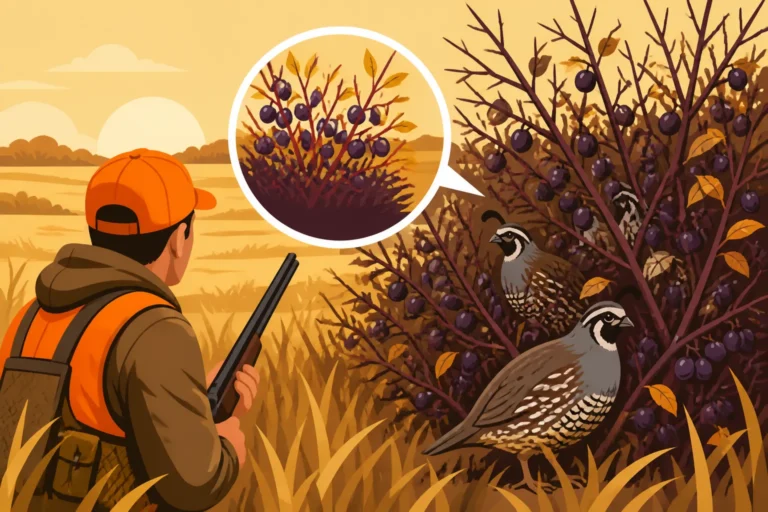
For pheasants, a dense strip of switchgrass bordering a harvested cornfield is like a five-star resort. They can slip into the corn to glean leftover grains and then quickly duck back into the safety of the grass. Quail often favor more brushy, thorny cover, like plum thickets or multiflora rose, especially where it meets a grassy field. It's all about proximity to food and protective cover. Understanding these preferences helps you pinpoint where birds are most likely to be holding, rather than just randomly walking. You might even find yourself near some Cedar Thickets as Bedding Cover, which, while primarily known for deer, can offer excellent dense cover for birds too.
Reading Bird Sign Without a Canine Nose
Without a dog to tell you exactly where a bird is, you become the primary scout. This means slowing down and paying attention to subtle clues. Look for tracks in soft soil or light snow along the edge of a field – pheasant tracks are distinct, like a chicken's, while quail tracks are smaller. Droppings can also indicate recent bird activity. Listen intently, especially on calm mornings or evenings. A pheasant's characteristic "cackle" when flushing, or the distinctive "bob-white" call of a quail, can tell you if birds are in the vicinity, even if you can't see them.
Also, observe how birds typically move through the area. Do they run long distances before flushing, or are they more apt to hold tight? This can vary by time of year, weather conditions, and hunting pressure. If you see tracks heading into a particularly dense patch of cover, it's a good bet to focus your efforts there. When hunting areas known for good populations, like those highlighted in guides about Kansas Pheasant Population Cycles, these small observations become even more valuable.
Strategic Approach: Reading the Landscape and Planning Your Walk
Successful dogless hunting isn't just about walking; it's about smart walking. You need a game plan before you even step foot in the field, leveraging technology and understanding natural elements to your advantage.
Pre-Hunt Scouting and Mapping with Technology
Before you lace up your boots, spend some time scouting from home. This is where tools like GoHunt really shine. Using their satellite imagery and public land overlays, you can identify promising grass edges, pinch points, and escape routes. Look for fingers of grass extending into crop fields, narrow strips of cover between two open areas, or areas where different habitat types converge. Mark these spots as waypoints on your GoHunt app.
Identifying these features remotely helps you create an efficient walking plan. Instead of blindly stomping around, you can strategically approach the most likely bird-holding areas. For instance, if you spot a long, narrow shelterbelt adjacent to a picked milo field, you know that entire strip is prime habitat. You can also identify potential access points and plan your approach to avoid disturbing birds before you're in position. This kind of detailed planning is crucial, much like when doing E-Scouting Kansas Farm Country From Home for deer.
Wind and Weather Considerations for Dogless Success
The wind is your best friend and worst enemy when hunting without a dog. Ideally, you want to hunt into the wind. This does two things: it pushes your scent away from the birds, making them less likely to run or flush prematurely, and it allows you to hear their cackles or wings beating more clearly. If the wind is at your back, birds will smell you coming from a mile away and often run out the end of the cover or flush far out of range.
Weather plays a huge role too. A crisp, cool morning after a light rain can be fantastic, as scent holds better, and birds may be more active. Heavy winds can make birds hold tighter in thick cover, making them harder to flush but potentially providing closer shots. Conversely, on very mild, calm days, birds might be spread out and flighty. After a fresh snow, tracks are easy to read, giving you a distinct advantage. Pay attention to temperature and humidity, as these impact how well birds hold. Here’s a quick overview of how conditions might affect your hunt:
| Condition | Bird Behavior Impact | Dogless Hunter Strategy |
|---|---|---|
| Light Wind | Birds may be more active, potentially flighty. | Hunt directly into the wind, use stop-and-go tactics. |
| Heavy Wind | Birds often hold tight in thick cover. | Slow down, work cover meticulously, focus on sheltered sides of edges. |
| Cold/Crisp | Birds may be seeking thermal cover, holding tight. | Focus on dense grass, brush, and sunny aspects. |
| Warm/Mild | Birds might be spread out, less likely to hold. | Cover more ground systematically, concentrate on shaded areas or near water. |
| Light Rain/Mist | Scent holds well, birds can be active. | Excellent conditions; move slowly, listen for flushes. |
| Heavy Snow | Tracks are visible, birds seek deep cover. | Follow fresh tracks, thoroughly work heavy cover, good for locating birds. |
Effective Walking Techniques for Flushing Birds
This is where the rubber meets the road. How you move through those grass edges is paramount to getting birds to fly within shooting range.
The "Stop and Go" Method: Patience is a Virtue
One of the most effective strategies for dogless hunters is the "stop and go" method. Instead of walking continuously, walk 20-30 yards and then stop completely for 10-15 seconds. Then, continue walking. The idea behind this is to mimic a predator. Birds that are running ahead, trying to escape detection, will often pause when they perceive the threat has stopped. When you start moving again, they're often startled and will flush.
This tactic works particularly well in dense grass or brushy areas where birds have room to run. It's frustrating to hear a cackle far ahead, knowing a bird just ran out on you. The stop-and-go helps break that pattern. Experiment with the length of your walks and pauses; sometimes shorter walks and longer pauses work better, and vice-versa. This method demands patience, but it pays off with closer, more controlled flushes.
Zig-Zagging and Sweeping Through Cover
Simply walking in a straight line down the middle of a grass edge isn't going to cut it. You need to actively sweep and zig-zag through the cover to maximize your chances of flushing birds. Think of it like a human "grid search." Instead of one straight path, make S-curves, cover the extreme edges, and then sweep through the middle. When working CRP Grass and Where Bucks Bed, for example, you're looking to disturb every potential hiding spot.
If you're hunting with a partner, you can extend this technique. One person can walk the inside edge of the cover, while the other walks 10-20 yards out in the field, then swings back in. This flanking motion can be incredibly effective at pushing birds forward or causing them to flush when they try to slip out the side. Always be mindful of your partner's position and your shooting lanes, especially when navigating dense cover.
Using Natural Funnels and Blockers to Your Advantage
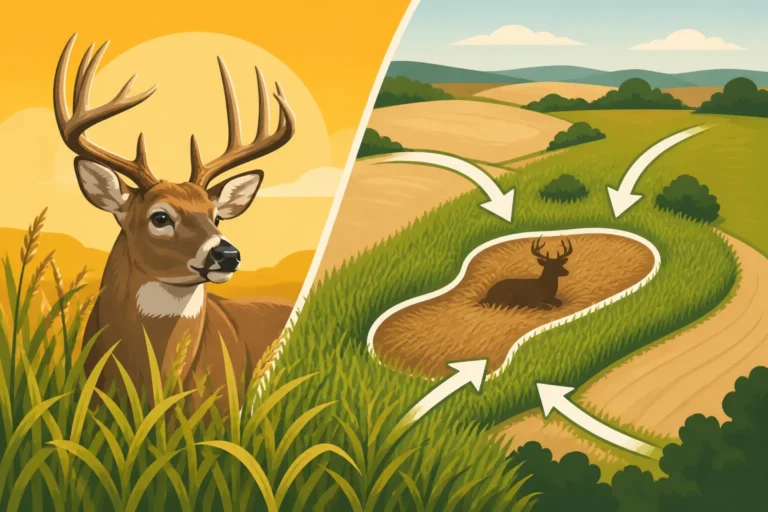
The landscape itself can be your best dog. Look for natural funnels where the cover narrows, forcing birds into a smaller area. This could be a point where a creek bottom narrows, a fence line that squeezes cover against an open field, or even a lone timber point that provides a strong visual barrier. Birds prefer to run into cover rather than flying over open ground.
If you identify a patch of particularly thick cover surrounded by more open areas, you can often "block" the most likely escape routes. For example, if a grass edge terminates at a road or a very open field, birds will often try to run the entire length of the cover before flushing. If you can get a partner to post at the end, or if you angle your approach to cut off their escape, you can force them to flush earlier. This is similar to how hunters approach Blocking and Driving Kansas Milo Fields for pheasants, just on a smaller scale with fewer people. Consider how birds might react when faced with a barrier, and plan your walk to exploit that natural tendency.
Gear and Safety Considerations for Dogless Hunting
Being a dogless hunter requires a bit more self-reliance and attention to detail when it comes to your gear and, most importantly, safety.
Essential Gear for the Self-Reliant Hunter
Since you're covering all the ground yourself, good quality gear makes a huge difference. Start with comfortable, durable boots that offer ankle support and waterproofing. You'll be doing a lot of walking, often through dew-soaked grass or potentially muddy conditions. Layered clothing is key for adapting to changing Kansas weather, especially during fall when mornings can be chilly and afternoons quite warm. A good quality shell vest with plenty of pockets for shells, a water bottle, and a bird bag is indispensable.
A GPS device or a smartphone app like GoHunt is essential for navigating and marking locations. If you’re hunting on Walk-In Hunting Access (WIHA) ground, these tools are invaluable for staying within boundaries and checking current land status, especially if you're exploring Kansas Walk-In Hunting Access Explained. Remember, you're carrying the birds, so consider a comfortable game vest or backpack that distributes weight evenly. While not a must-have, a set of shooting sticks can offer a steady rest for longer shots, especially if a bird gets up on the far edge of legal range. Don't forget bug spray during warmer parts of the season to ward off ticks and chiggers.
Prioritizing Safety in the Field
Safety is paramount, especially when hunting without the added visibility a dog provides. Always wear plenty of hunter orange. Kansas law requires it during certain firearm seasons, but it’s a good practice any time you're upland hunting, particularly on public land or if hunting with partners. Knowing your shooting lanes is critical; always be aware of where your partners are, where homes or roads might be, and what lies beyond your target. Never swing on a bird if you're unsure of your backdrop.
If you're hunting with others, clear communication is non-negotiable. Yell "bird!" when one flushes, and "dog!" (or "hunter!") if you have to cross behind another hunter's line of fire. Carry a fully charged phone for emergencies and let someone know your hunting plan, including where you'll be and when you expect to return. Familiarize yourself with Kansas hunting regulations, especially regarding Hunter Orange Rules During Firearm Season and public land use, to ensure a safe and legal hunt. Remember, respecting the land and other hunters ensures a positive experience for everyone.
Disclaimer
Please remember that hunting regulations, seasons, and access rules can change. Always consult the official Kansas Department of Wildlife, Parks and Tourism (KDWP) regulations and maps before planning any hunt. This guide is for informational purposes only and does not replace official state guidelines.