Blocking a Field End for Roosters
There's nothing quite as deflating as working a promising Kansas milo field, only to have those wily roosters flush a hundred yards out or simply sneak out the sides, leaving you scratching your head about where you went wrong. We've all been there, and it's a common frustration for pheasant hunters, especially when you've invested time and effort. This guide is all about mastering the art of blocking a field end for roosters, turning those frustrating escapes into thrilling flushes and full game vests.
Understanding Pheasant Behavior in Crop Fields
Before you can effectively block a field end, you really need to get inside the head of a Kansas pheasant. These birds aren't just going to sit there and wait for you; they're masters of evasion, and understanding their natural instincts is the first step to outsmarting them.
Why Roosters Run Instead of Fly
It’s an age-old question for pheasant hunters: why do these birds prefer to run a marathon rather than take to the air? The answer lies in their evolutionary survival strategy. Pheasants, particularly roosters, are built for speed on the ground. Their powerful legs allow them to burst through dense cover and evade predators with surprising agility. Flying, for them, is often a last resort, a high-energy escape that exposes them to danger from above. Think about it from their perspective: if they can simply put distance between themselves and perceived threats by running through a thick stand of milo or corn, why would they expend energy and expose themselves in the open sky? This running behavior is especially pronounced in tall, thick cover that offers plenty of concealment. They'll hug the ground, weaving through stalks, making themselves incredibly difficult to see until you're right on top of them. This is why just walking through a large field often results in birds running out the far end without ever offering a shot.
The "Escape Route" Mentality
Pheasants are incredibly observant of their surroundings, and they quickly identify potential escape routes. When a field is being pushed, they're not just running blindly; they're often heading towards what they perceive as the safest exit. This could be a fence line, a creek bottom, a patch of thicker timber, or, most commonly, the end of the field where the cover simply runs out. For them, that open field end is a natural funnel, a point of no return where they must make a decision. If there's no perceived threat at that exit point, they'll simply run right out into the next section of cover or open ground. They're constantly evaluating the pressure from the hunters and dogs, calculating the quickest and safest way to disappear. This instinct is what we aim to exploit with a well-executed block – cutting off that preferred escape route. Knowing how these birds utilize their environment is key to anticipating their movements, much like when you're Reading a Kansas Creek Bottom for Deer Sign.
Impact of Hunting Pressure
Hunting pressure drastically alters pheasant behavior. Early in the season, particularly on private land or less-pressured public spots, pheasants might hold tighter, offering closer flushes. But as the season progresses and birds encounter more hunters, they become incredibly "educated." These pressured birds learn quickly. They'll flush much wilder, often at extreme ranges, or become even more adept at running out the sides or through the ends of fields. They might even hunker down in the densest cover, letting hunters walk right past them before slipping out the back. On heavily hunted public land or popular Walk-In Hunting Access (WIHA) tracts, you can almost guarantee that roosters have seen it all. This increased wariness makes strategic blocking even more critical. You can’t just walk up to a field and expect them to hold. You need a coordinated effort to manage their escape routes, understanding that these birds are often anticipating your moves long before you make them. It's a game of chess, and the pheasants have had a lot of practice.
Strategic Planning for a Successful Block
A successful field-end block isn't just about showing up with a few buddies and hoping for the best. It requires careful planning, good communication, and a clear understanding of the terrain and the birds. Think of it as a small tactical operation designed to funnel those wily roosters right where you want them.
Scouting the Field and Identifying Escape Points
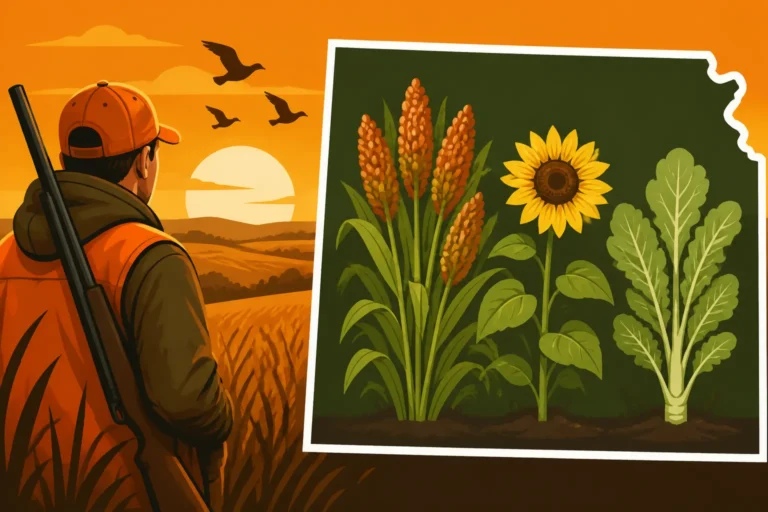
This step is absolutely crucial and should ideally happen before hunting day, or at least with a quick survey on arrival. You need to know the field you're about to hunt intimately. What kind of cover is it? Is it dense milo, standing corn, or maybe even a sorghum food plot? Pay close attention to the field's boundaries. Are there ditches, fence lines, small timber patches, or dense CRP grass bordering it? These are all potential escape routes for pheasants that a simple block at the very end might miss. Use aerial imagery tools like those found on the Kansas Online Hunting Atlas or a dedicated app like GoHunt to scout from home. Look for natural funnels, narrow points where the field necks down, or areas where the cover transitions abruptly. For example, a long milo field that terminates at a small, brushy creek bottom is an ideal blocking scenario. You're looking for points where the birds, once pushed, will naturally want to congregate before making a break. Also, consider any subtle topographical features, even in flat Kansas farm country, that might provide cover for running birds.
Optimal Number of Hunters and Roles
The effectiveness of a field-end block hinges on having the right number of people and clearly defined roles. While you can attempt this with just two hunters, it's far more effective with a group of three to five, or even more for truly massive fields.
Here’s a breakdown of typical roles:
- Blockers: These are the hunters positioned at the end of the field, waiting for the birds to be pushed towards them. Their job is to remain absolutely still, silent, and concealed until the birds are in range. They need to be patient, observant, and ready for quick shooting. The number of blockers depends on the width of the field end; you need enough to cover the entire width effectively without being too close together for safety reasons.
- Drivers: These hunters walk through the field, pushing the birds towards the blockers. Their job is to move at a steady, consistent pace, covering the entire width of the field. They might use calls, occasional shouts, or even just their presence to encourage birds to run forward. Dogs, if you have them, are invaluable for drivers, sniffing out birds and keeping them moving. When Working Pheasant Fields Without a Dog, drivers need to be extra thorough.
For a typical 40-acre rectangular milo field, a group of three to four hunters is often ideal: two drivers walking abreast, and one or two blockers positioned at the far end. For wider fields, you'll need more blockers or need to ensure your blockers are spaced adequately to prevent birds from slipping through. Communication is paramount; radios can be incredibly useful for coordinating movements, especially in loud cover.
Wind Direction and Its Importance
Never underestimate the wind when pheasant hunting. It plays a significant role in how birds behave and how your block should be executed. Pheasants, like many birds, prefer to flush and fly into the wind. This gives them better lift and control. Therefore, ideally, you want to drive the field with the wind at the drivers' backs, pushing the birds into the wind towards the blockers. This setup encourages birds to hold longer in the cover as they run, and when they finally do flush, they'll often rise into the wind, giving the blockers a slightly slower, more predictable shot.
Conversely, driving into the wind means birds are more likely to flush early, often out of range, because they can take flight more easily. If the wind is blowing across the field, birds might try to run out the sides, requiring extra vigilance from drivers to keep them moving forward, or perhaps requiring an additional "flanker" hunter on the downwind side. Always check the wind before you start your drive and adjust your strategy accordingly. Sometimes, even if it's not ideal, the available access or field shape might dictate your approach, but being aware of the wind's influence will help you anticipate bird behavior. For example, if you're attempting a setup similar to Hunting the Kansas Pre-Rut in Late October where wind direction dictates deer movement, the principle is the same for pheasants.
Executing the Block: Step-by-Step Tactics
With your plan in place and roles assigned, it's time to put theory into practice. Execution is everything in a successful pheasant block, requiring discipline, patience, and readiness from every member of the hunting party.
Setting Up the Blockers
The blockers are the linchpin of this entire operation. Their success relies on stealth, concealment, and precise positioning.
- Placement: Blockers should position themselves at the very end of the field, just outside the cover, or strategically along a fence line, ditch, or edge that the pheasants are likely to use as an escape route. The key is to be where the birds will break. If the field ends abruptly at a CRP field, position yourself along the edge of the CRP. If it's a ditch, position yourself slightly back from the ditch bank where you'll have a clear shot as birds rise. You want to cover the entire width of the field's end zone without leaving gaps for roosters to slip through. For wider fields, this might mean spreading out more, but always keep safety in mind and maintain safe shooting lanes.
- Concealment: Pheasants have excellent eyesight. Blockers must be as hidden as possible. Utilize any available cover – a standing tree, a large bush, the edge of a timber patch, or even a subtle dip in the terrain. If natural cover is sparse, consider bringing a small ground blind or simply hunkering down in the tallest weeds available. Remain absolutely motionless and silent. Any movement or sound can alert a running rooster, causing it to change direction or flush prematurely.
- Readiness: Shotguns should be loaded and safety on, pointed in a safe direction. As the drivers approach, anticipation will build, but maintain your composure. Keep your eyes peeled on the field ahead, looking for any movement in the cover, not just for the birds themselves, but also for the drivers or dogs approaching. You need to be ready to mount your gun and take a shot quickly and smoothly once a bird flushes into range. Remember, the goal is to get a clean, ethical shot, not just to spray lead.
The Driving Strategy
The drivers are the engine of the block, systematically pushing the birds towards the waiting blockers. Their movement needs to be deliberate and coordinated.
- Form a Line: Drivers should form a straight line across the width of the field, maintaining an even distance from each other. The spacing will depend on the density of the cover and the number of drivers. In thick milo or corn, you might need to be closer together (15-20 yards apart) to ensure no birds are missed. In sparser cover, you can spread out more.
- Steady Pace: Maintain a slow, steady, and consistent pace. Don't rush. This isn't a race. The goal is to slowly push the birds, giving them the option to run forward rather than flush prematurely. If you surge forward quickly, birds are more likely to burst out the sides or double back.
- Cover Every Inch: As you walk, be thorough. Kick clumps of grass, weave slightly, and encourage your dogs to work methodically. Roosters are masters at hunkering down, so leave no stone unturned. Pay special attention to any heavier cover within the field, such as a brushy waterway or a small depression, as these are prime spots for birds to hold.
- Communication: If using radios, drivers should communicate their progress to the blockers. "Halfway point," "coming to the last 50 yards," etc. This keeps everyone informed and ready. If not using radios, drivers can use pre-arranged signals or verbal cues (but keep them minimal and subtle to avoid spooking birds). The key is to keep the push unified and controlled, minimizing gaps where birds could escape. This controlled movement is similar to how you’d want to approach Hunting Pressure Patterns on Kansas Public Land to avoid bumping deer.
Anticipating the Flush and Shot Placement
This is where the excitement truly builds! For both blockers and drivers, being prepared for the flush is critical.
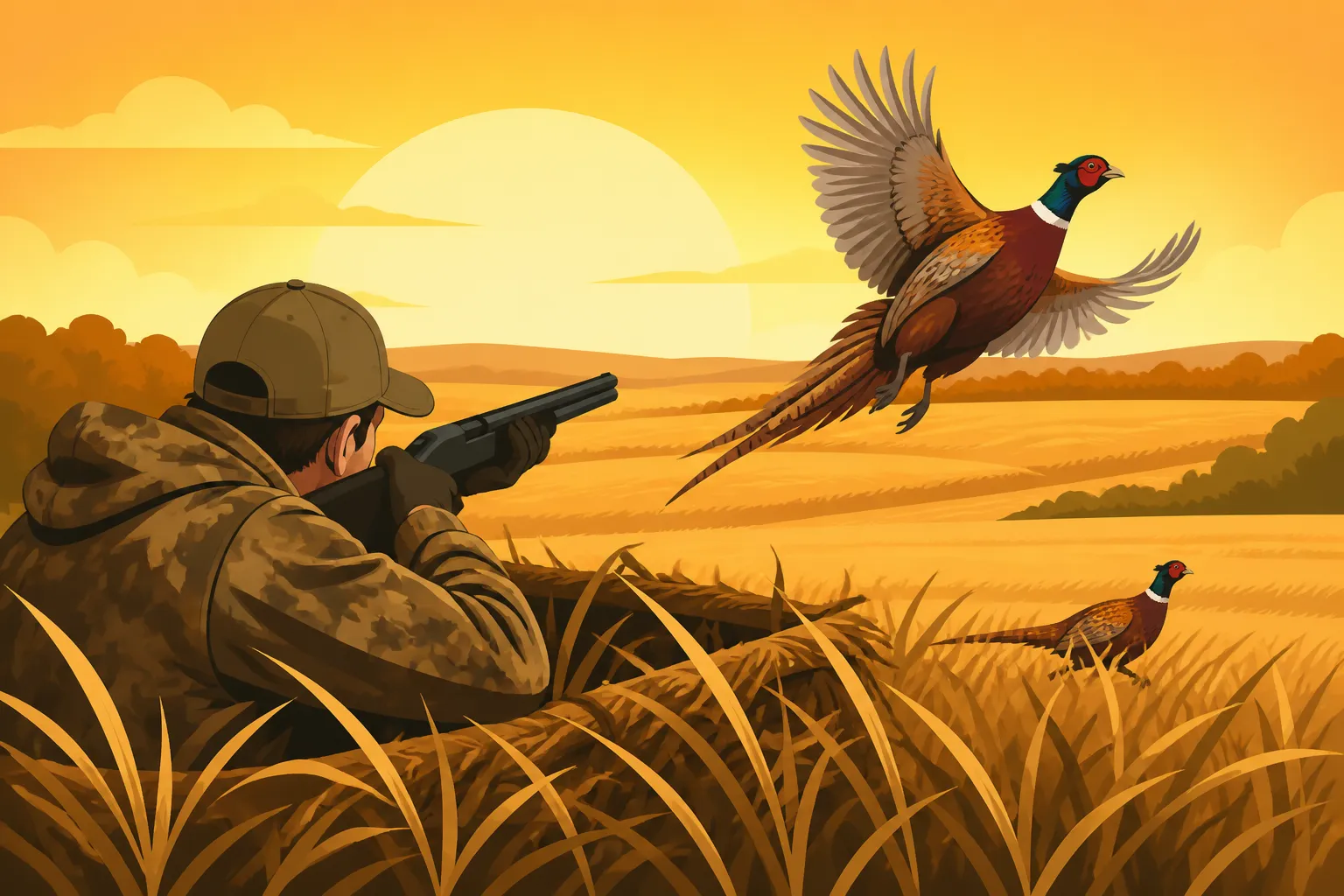
- Readiness: As the drivers approach the end of the field, or as birds get pushed close to the blockers, every hunter should be in a state of heightened readiness. Shotguns should be shouldered lightly, eyes scanning for any movement. Don't wait for the bird to fully airborne before reacting.
- Anticipate Flight Paths: Remember that pheasants typically flush into the wind. Anticipate this and position yourself accordingly. If a bird flushes and heads straight away, aim to swing through its body and fire. For crossers, lead the bird appropriately.
- Safe Shooting Lanes: This is non-negotiable. Always know where your fellow hunters are. Never swing on a bird if it means pointing your muzzle at another hunter. Clear communication about "bird left!" or "bird right!" can help, but ultimately, each hunter is responsible for their own safe shooting lane. If a bird flushes over another hunter, let it go. No pheasant is worth an accident.
- Shot Placement: Aim for a clean kill. A pheasant is a fairly large bird, but you want to hit it with enough pellets to bring it down quickly and ethically. For most shots, aiming at the bird's leading edge or slightly ahead will ensure a solid hit.
Here's a quick reference table for roles and responsibilities:
| Role | Key Responsibility | Primary Goal | Critical Skills |
|---|---|---|---|
| Blocker | Strategic positioning, concealment | Intercept running birds and take ethical shots | Patience, stillness, quick reflexes, awareness |
| Driver | Consistent pace, thorough coverage | Push birds forward, prevent escape to sides | Discipline, stamina, field awareness, dog handling (if applicable) |
Common Challenges and Troubleshooting
Even with the best planning, pheasants are wild animals and don't always read the script. Being able to adapt on the fly is a hallmark of a seasoned Kansas pheasant hunter.
Birds Flushing Early or to the Sides
This is probably the most common frustration when trying to block a field. You've got your line set, your blockers waiting, and then suddenly, birds are bursting out a hundred yards ahead of the drivers, or peeling off to the left or right, well before they reach the designated blocking zone.
- Early Flushes: If birds are flushing too early, it often means the drivers are moving too quickly, or perhaps the birds are simply highly pressured. The solution here is to slow down the drive significantly. Drivers need to move at a snail's pace, giving the pheasants ample time to run rather than fly. Another factor could be insufficient cover for the birds to feel safe running. If the cover is sparse, they'll fly sooner. In such cases, a block might be less effective, and a traditional walk-up approach might be better, or even Run-and-Gun Turkey Tactics on Kansas Walk-In Ground adapted for pheasants, constantly moving and surprising them.
- Side Escapes: When birds break to the sides, it usually indicates gaps in the driving line or tempting escape cover along the field edges. To counter this, tighten the driver spacing, especially if the cover is dense. If you have extra hunters, consider adding "flankers" on the very edges of the driving line whose job is to prevent birds from turning. They don't need to walk as aggressively forward but focus on keeping birds contained. Pay attention during your scouting to see if a particular ditch or treeline along the side is an obvious escape route and assign a driver or flanker specifically to cover it. Sometimes, just having a person visible along the edge is enough to deter them from running that way.
Dense Cover and Difficult Terrain
Kansas fields can be deceptively challenging. A thick stand of milo or towering sunflowers isn't just great cover for pheasants; it can be a nightmare for hunters trying to push through.
- Physical Challenge: Pushing through dense, chest-high milo or corn is exhausting, especially for extended periods. This makes it hard for drivers to maintain a consistent line and pace. To mitigate this, take frequent, short breaks to rest and regroup. Ensure everyone stays hydrated. If the field is exceptionally long, consider breaking it into shorter, manageable segments.
- Visibility Issues: In extremely dense cover, it's easy to lose sight of fellow hunters, dogs, and even the ground underfoot. This poses both a safety risk and makes it harder to maintain a tight line. Communication becomes even more critical. Use audible cues ("check in!", "left here!") to confirm positions. Dogs with bells or bright collars can help keep track of them. When visibility is poor, drivers might need to be closer together to avoid missing birds or having them double back. In such conditions, consider using the "block and re-block" method where you push a smaller section, then regroup and block the next. This is a good way to methodically work through fields that might be too large or dense for a single drive. Remember that this level of cover can also challenge your ability to follow up on a bird, similar to Blood Trailing in Tall CRP.
Safety First: Communication and Spacing
I can't stress this enough: safety is paramount. Pheasant hunting, especially in a group, requires constant vigilance and respect for basic firearm safety rules.
- Clear Communication: Before the hunt even begins, establish clear communication protocols. Who is the team leader? What are the hand signals or verbal calls? "Bird high!" or "low bird!" helps. "Stop!" or "Hold!" must be obeyed instantly. If using radios, establish channels and rules for their use.
- Maintain Spacing: Both drivers and blockers need to maintain safe distances. For blockers, ensure enough space between individuals to allow for safe swings and clear shooting lanes. For drivers, keep a consistent line and be aware of your partners to your left and right. Never get so far ahead or behind that you can't see or hear your fellow hunters.
- Know Your Shooting Zones: Establish designated shooting zones for each hunter, especially the blockers. A general rule is to only shoot at birds that flush in front of the driving line (for drivers) or over the blocking line (for blockers), and never at birds flying towards or over another hunter. When a bird flushes, confirm its direction of travel before raising your gun. If there's any doubt about where your shot will go or if another hunter is in the line of fire, do not shoot. It’s always better to let a bird go than risk an injury. Remember that every hunting trip should prioritize getting home safe at the end of the day.
Disclaimer
Hunting is an inherently dangerous activity. Always follow all local, state, and federal hunting regulations. Ensure you have the proper licenses and permits. Prioritize safety, including wearing appropriate hunter orange, knowing your shooting lanes, and maintaining clear communication with your hunting partners. This guide is for informational purposes only and does not supersede official regulations or professional safety instruction.