Dogless Quail Hunting Tactics
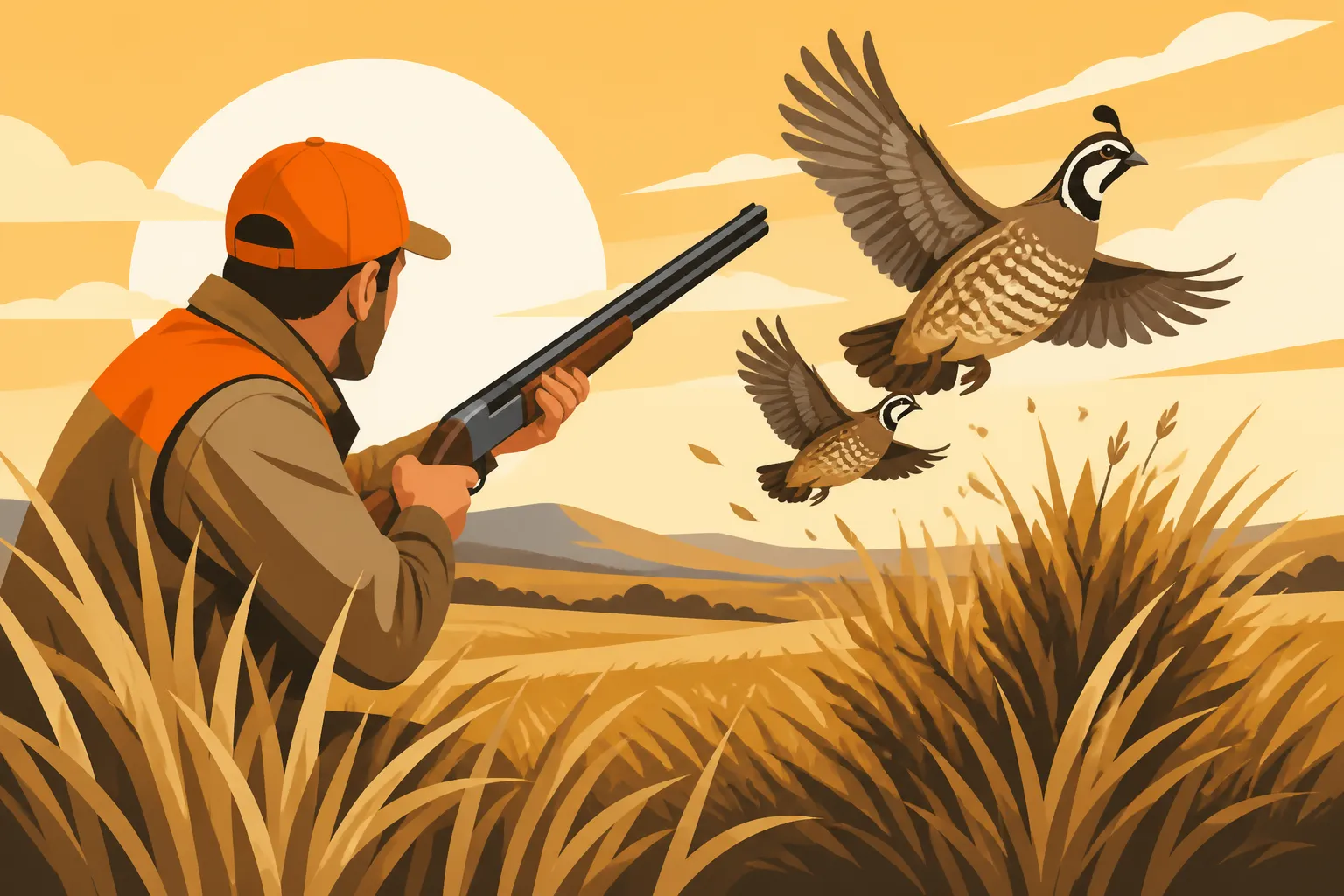
Trying to hunt quail without a faithful bird dog can feel like trying to find a needle in a haystack, or more accurately, a tiny, camouflaged bird in acres of dense Kansas cover. Many of us don't have the luxury of a well-trained pointer or flusher, but that doesn't mean you have to hang up your shotgun when it comes to chasing these elusive little rockets. This guide is all about equipping you with the strategies, knowledge, and realistic expectations to successfully hunt Bobwhite Quail in Kansas, even when it's just you against the landscape.
Understanding Kansas Quail and Their Habitat Without a Dog
Before you even step foot in the field, knowing where quail are most likely to be is your single biggest advantage when you're hunting dogless. Unlike deer, which leave obvious tracks and droppings, quail are masters of stealth. Without a dog's nose, you become the primary scout, relying on your eyes, ears, and understanding of their habits.
Where Quail Live in Kansas
Kansas Bobwhite Quail aren't just anywhere; they have very specific tastes when it comes to their home. They need a mosaic of different habitat types all within a small area to thrive. Think about it: they need dense escape cover, open areas for dusting and foraging, and food sources close by. When you're looking for Quail Coveys in Plum Thickets, you're often on the right track. These thickets provide incredible protection from predators and harsh weather, making them prime bedding and loafing areas.
Beyond plum thickets, look for other dense, brushy draws, especially those with some taller grass or weed patches adjacent to crop fields. CRP (Conservation Reserve Program) fields that haven't been burned or mowed recently, offering a mix of forbs and grasses, are also magnets for quail. These areas provide both food and protection. You'll often find birds using the edges of these fields where they meet timber, fencerows, or cultivated ground, creating a perfect transition zone. The key is finding pockets of "edge habitat" that offer dense overhead cover combined with open ground for feeding. Understanding Bobwhite Quail Habitat in Kansas is critical for dogless success.
Reading the Landscape for Quail Sign
Since you won't have a dog to sniff out recent tracks, you need to sharpen your own observational skills. Before or even during your hunt, learn to recognize subtle clues that quail are in the vicinity. Fresh quail droppings are small, often tubular, and can be found in dusting bowls or under favored roosting shrubs. Dusting bowls are small depressions in dry, soft soil where quail will take dust baths to rid themselves of parasites. These can be faint, but if you find a cluster, you know birds have been using that spot.
Tracks can be difficult to spot, but fresh tracks in muddy creek beds or dusty field edges are a definite indicator. Also, listen! Quail are vocal birds, especially at dawn and dusk. The iconic "bob-white" whistle is a clear sign. If you hear it, mentally mark that spot. This pre-hunt scouting, even if it's just driving around and stopping to listen, dramatically increases your odds. Utilizing digital tools like the GoHunt app can be a game-changer here, allowing you to e-scout from home, pinpointing likely coverts and access points on Kansas Walk-In Hunting Access Explained properties before you ever lace up your boots. Don't underestimate the power of knowing what Quail Numbers After a Wet Spring might mean for your hunting prospects either; good conditions often translate to better populations.
Effective Dogless Quail Hunting Strategies
Once you've identified likely quail habitat, the real work begins. Dogless hunting requires more physical effort and a methodical approach to flushing birds. You are essentially filling the role of the dog, forcing birds into the air where you can get a shot.
The "Grid Walk" and "Stop-and-Go" Method
This is your bread and butter strategy for covering ground effectively without a canine companion. Instead of just wandering, pick a section of cover and walk it in a grid pattern. Imagine you're mowing a lawn, moving back and forth, ensuring you cover every square foot. This systematic approach is especially useful in larger fields of CRP or less dense cover. The idea is to push birds consistently, increasing the chance of a flush.
The "stop-and-go" is crucial. Quail are masters of holding tight, hoping you'll walk right past them. By stopping frequently – every 10 to 30 yards – and standing still for 10-20 seconds, you can often make nervous birds flush. That sudden cessation of movement, after a steady advance, spooks them. Listen intently during these pauses; you might hear the tell-tale wing beats of a flushing covey before you even see them. This technique also gives you a moment to catch your breath and reassess your next move, especially important when you're Scouting Kansas Walk-In Tracts on Foot.
Working Edges and Coverts
Focusing your efforts on edges and smaller, distinct coverts is often more productive than simply trudging through vast, open fields. Quail, particularly when pressured, will retreat to the thickest cover available. These include heavy plum thickets, brushy creek draws, and dense fencerows. Approach these areas slowly and deliberately. If you can hunt with a partner, position yourselves on either side of a draw or thicket, walking towards each other or with one person pushing and the other walking parallel, ready for birds that break out the sides.
When hunting alone, you might have to make multiple passes. For example, walk one side of a thick fencerow, then double back and walk the other side. Don't be afraid to kick at dense brush piles or stomp your feet to encourage a flush. These smaller, more defined coverts are where you'll have the best chance of Finding Plum Thickets That Hold Quail and getting a shot. Think about it like Working Pheasant Fields Without a Dog; you're using your human presence to simulate a flushing dog.
Gear and Safety for Dogless Quail Hunters
Without a dog to help, your personal gear becomes even more critical for both success and safety. You're carrying the load, literally and figuratively, so be prepared.
Essential Gear Beyond the Dog
First and foremost, comfortable, sturdy, and waterproof boots are non-negotiable. You'll be covering a lot of ground, often through thorny brush and damp grass. A good bird vest is essential – not just for shells and downed birds, but also for carrying water, snacks, and any navigation tools. You'll be sweating, even on cold days, so staying hydrated is crucial.
A GPS device or a robust mapping app on your smartphone, like those offered by GoHunt, is invaluable. This allows you to track your progress, mark flush locations, and, most importantly, navigate back to your vehicle, especially on sprawling public lands or unfamiliar private properties. Don't forget a compass and physical map as a backup, just in case your electronics fail. Bring plenty of shells; quail hunting can be fast and furious, and you don't want to run out of ammo just as the covey flushes. Ensure you have your Kansas Hunting Licence and Permit Costs covered before heading out.
Safety Considerations and Game Recovery
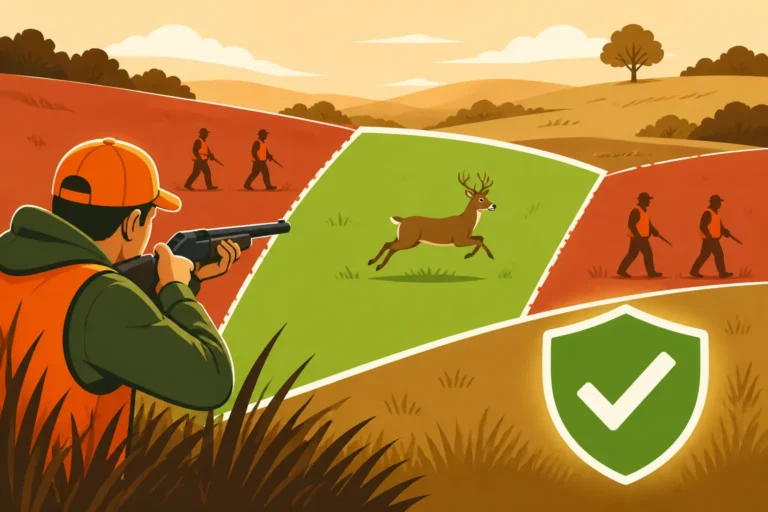
Safety is paramount. Always wear hunter orange, especially if hunting with a partner or on public land where other hunters might be present. Check your Hunter Orange Rules During Firearm Season to be sure you're compliant. Communicate clearly with any hunting companions, knowing where everyone is at all times. Be absolutely sure of your target and what lies beyond it before taking a shot.
Game recovery is perhaps the biggest challenge when hunting without a dog. When a bird falls, immediately mark the spot visually. Pick a distinct tree, bush, or landmark near where the bird dropped. Walk directly to that spot, keeping your eyes peeled. Once there, expand your search in ever-widening circles. Quail are small and can be incredibly difficult to find in dense cover, even when you know exactly where they fell. If you're with a partner, one person can keep their eyes on the fall while the other walks to it. This vastly improves recovery rates. Don't give up too quickly; a methodical search can often yield results. Also, be aware of the season; Tick and Chigger Season in September means you should be taking precautions for insect bites.
Maximizing Your Chances and What to Expect
Hunting dogless is undeniably more challenging, but the satisfaction of finding and flushing birds through your own efforts is immense. It requires a different mindset and a lot of grit.
Best Times and Conditions
Timing your hunt correctly can significantly impact your success. Quail are most active in the early morning and late afternoon, when they are feeding. These are often the best times to find them out of the densest cover. Overcast days, especially after a light rain, can also be productive. The moisture in the air helps hold scent longer (though you don't have a dog, this still means birds might be more inclined to move and leave a scent trail for predators, making them a little less "locked down"), and the cooler temperatures encourage activity.
Avoid hunting during the hottest parts of the day, especially in early season. Quail will be holed up in the thickest, shadiest cover, and it's tougher on you too. Similarly, extremely windy days can make it difficult to hear flushes and can disperse birds widely. Look for those calm, crisp mornings or evenings. Keep an eye on the weather patterns; significant cold fronts can also get birds moving to food sources.
Persistence and Practice
Let's be real: hunting dogless for quail is tough. You're going to put in a lot of miles for fewer flushes than someone with a good dog, and you'll likely lose more birds. Don't let that discourage you. Every flush you get, every bird you recover, is a testament to your hard work and keen observation. It's a different kind of hunting, one that forces you to become intimately familiar with the land and the habits of the birds.
Practice your shotgun skills. When a covey erupts, it's often a chaotic explosion of feathers and sound. Being able to quickly pick out a single bird and make an accurate shot is vital. Remember, you might only get one or two shots per covey before they vanish back into the cover. Embrace the challenge, learn from every outing, and you'll find that dogless quail hunting can be incredibly rewarding. Make sure you stay up-to-date with the rules by checking the Kansas Regulation Summary Release Date each year.
Here's a quick comparison of what you might expect with and without a dog:
| Feature | With a Dog | Without a Dog |
|---|---|---|
| Flushing Birds | Dog scents, points, and flushes birds efficiently | You must actively push and stomp to flush birds |
| Scenting Ability | High, dog detects scent trails and fresh sign | Very low, relies on visual cues and luck |
| Pace of Hunt | Often slower, methodical, dog covers ground | Can be faster-paced, but requires many stops and starts |
| Game Recovery | Excellent, dog retrieves downed birds | Challenging, relies on marking fall and systematic search |
| Cover Covered | Dog can penetrate dense cover more easily | You must push through thickets yourself, more tiring |
| Overall Effort | Less physical for hunter, more mental for dog | More physical for hunter, more observational |
Disclaimer
Hunting is an inherently dangerous activity. Always prioritize safety, follow all local and state regulations, and obtain proper licensing and permits. The information provided in this guide is for informational purposes only and does not substitute for official regulations or professional guidance. Be aware of private property boundaries and respect landowner rights. Always know your target and what lies beyond.