Using a Decoy in Open Fields
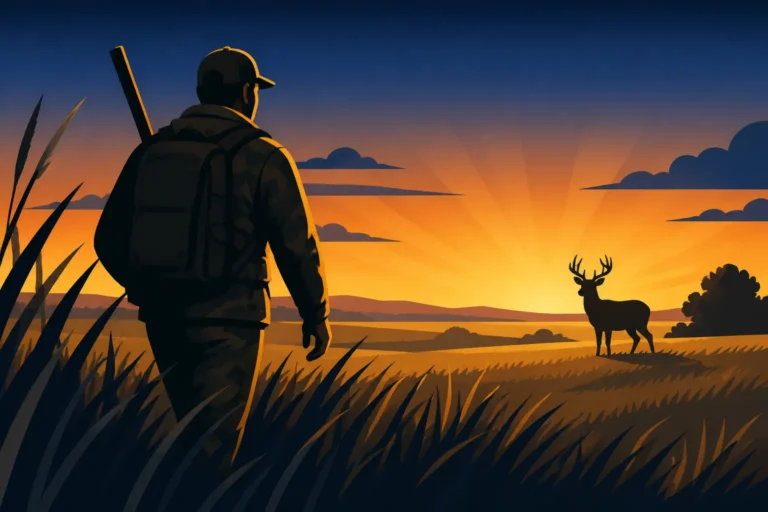
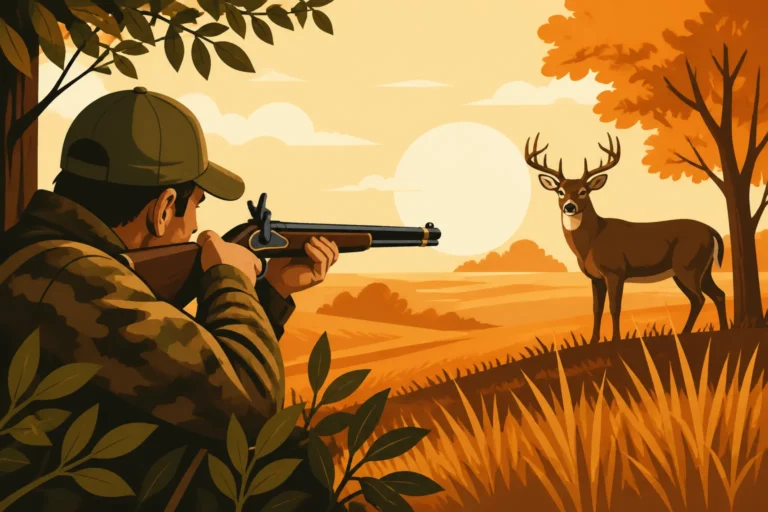
Hunting in the vast, open fields of Kansas can feel like trying to hide a basketball in a shoebox. The expansive landscape, often dominated by crop stubble, short grass, or freshly tilled earth, offers precious little cover, making it incredibly challenging to get within range of a wary whitetail buck. Many hunters feel utterly exposed, struggling to close the distance on deer that seem to spot them from a mile away. This guide is all about changing that dynamic by showing you how to effectively use a deer decoy to draw those cautious bucks into your kill zone in open Kansas country.
The Unique Challenges of Open Field Hunting in Kansas
If you've spent any time hunting deer in Kansas, especially in the more agricultural units, you know the struggle is real. We're not talking about dense big woods here; we're talking about wide-open spaces where deer live by their eyesight and an innate sense of vulnerability.
Visibility and Hunter Pressure in Open Fields
In Kansas, especially during the archery and early muzzleloader seasons, hunters often encounter deer in vast fields, whether it's cut milo, corn stubble, or even CRP grass. The biggest headache? The sheer visibility. A deer standing on a slight rise can see for what feels like miles. You, as the hunter, are also extremely visible. Trying to sneak across a field to get to a pinch point or a distant timber edge often results in deer busting out before you're even close. This is particularly true on public lands or Walk-In Hunting Access (WIHA) tracts where deer have been pressured before. They’ve learned that two legs usually mean trouble, and they’ve got all day to watch for it.
The challenge isn't just about deer seeing you; it's about them seeing your entire setup. If your ground blind sticks out like a sore thumb, or your treestand is silhouetted against the sky, those educated Kansas bucks are going to give you a wide berth. This constant visibility battle leads to immense frustration for hunters who know the deer are there but just can't seem to get a shot. It feels like every twig snap or sudden movement is magnified in the quiet, open air, instantly putting deer on high alert.
Deer Behavior in Expansive Terrain
Deer in open Kansas fields often behave differently than their timber-dwelling cousins. They're much more cautious, always scanning, and tend to move differently across the landscape. Instead of using thick cover to travel, they might hug the edges of fields, use subtle changes in elevation, or utilize the sparse cover offered by brushy draws or shelterbelts. You'll often see them feeding in open areas during low light but quickly retreating to the nearest substantial cover as soon as the sun climbs higher or pressure increases.
Understanding Milo and Corn Stubble Deer Patterns is crucial here. Deer might be browsing on leftover grains, but they're doing so with extreme vigilance. Bucks, especially, can become almost entirely nocturnal in heavily hunted open areas. They might stage in a small timber point or a cedar thicket just off a field, waiting until dark to step out. Trying to pull one of these smart, open-country bucks into range requires a strategy that directly addresses their inherent wariness and leverages their curiosity or territorial instincts. This is where a well-placed decoy truly shines, offering a visual focal point that can distract or draw in a buck that would otherwise skirt your position.
Why a Decoy Can Be a Game Changer in Open Fields
When you're dealing with vast stretches of land where deer can see forever, you need something to break up the monotony and grab their attention. A well-deployed deer decoy isn't just a prop; it's a strategic tool that can turn a seemingly impossible setup into a high-percentage opportunity.
Breaking Up Your Profile and Drawing Attention
Think about it: in a wide-open field, you and your ground blind can stick out like a billboard. Even if you've done an excellent job of Ground Blind Brushing In, a deer's keen eyesight can still pick up on anything out of place. This is where a decoy truly comes into its own. By placing a lifelike decoy a short distance from your blind, you're giving approaching deer something else to focus on. Their attention is drawn to the "deer" in the field, not the subtle outline of your blind or the movement of you drawing your bow.
A decoy creates a natural focal point, distracting the deer and allowing you to move or settle into position more discreetly. It makes your setup look more natural, as if there are already deer comfortably feeding or staging in that spot. This can be especially effective during the rut when a buck's guard might be lowered by the prospect of another deer, particularly a doe. Instead of immediately keying in on potential danger, their instincts kick in, and they assess the "new deer" first. It's a psychological advantage that can buy you those precious extra seconds you need for a shot.
Creating a Realistic Encounter
The magic of a decoy isn't just about distraction; it's about simulation. You're creating a scenario that looks, from a distance, like a natural gathering of deer. This can tap into a buck's primal instincts: curiosity, territoriality, or the urge to breed. For example, during the pre-rut and rut, a buck decoy can challenge a dominant buck or attract a curious younger buck looking for a fight. A doe decoy, especially during the peak rut, can act as an irresistible magnet for cruising bucks.
Pairing a decoy with calling further enhances this realism. Imagine a buck decoy strategically placed, and you're hitting it with Rattling and Grunting During the Kansas Rut. The visual cue of the decoy combined with the auditory invitation can be incredibly powerful. It makes the calling sound more believable, as if it's coming from the "deer" they see. This synergy of sight and sound can draw in bucks that might otherwise ignore calls or be too wary to investigate. It transforms a simple call into a dynamic, compelling encounter that's hard for a rutting buck to resist.
Types of Decoys for Open Country
Not all decoys are created equal, especially when it comes to the vastness of open Kansas fields. You'll generally choose between buck, doe, or even fawn decoys, and the best choice often depends on the season, the deer behavior you're observing, and your target species.
- Buck Decoys: These are excellent during the pre-rut and rut phases. A 1.5-year-old or 2.5-year-old buck decoy (often called a "challenger" buck) can be very effective. A massive, dominant buck decoy can sometimes intimidate younger bucks, but it might also pull in older, more aggressive bucks looking to assert dominance. The key is to convey a non-threatening or challenging posture. Consider brands like Montana Decoy for their lightweight, portable designs, which are crucial when you might have a long walk into your spot. Their Freshman or Dream Team buck decoys are popular choices.
- Doe Decoys: These are often considered the safest bet, especially during the rut. A standing doe decoy can attract bucks looking for a mate without appearing overly aggressive. Paired with a subtle bleat call, it can be incredibly effective. A bedded doe decoy can also work well, suggesting comfort and safety, which might make other deer feel more at ease.
- Fawn Decoys: While less common for drawing bucks, fawn decoys can be surprisingly effective for bringing in does, which in turn can attract bucks trailing them. They also convey a sense of calm and safety to other deer.
- Combination Decoys: Some decoys offer interchangeable parts or poses, allowing you to switch between a buck and a doe. This versatility is valuable for adapting to different deer behaviors throughout the season.
When deciding between Doe Decoys Versus Buck Decoys, remember that a buck decoy is often a more aggressive play, best used when you're specifically targeting a dominant buck or when the rut is in full swing. Doe decoys are generally more versatile and less likely to spook deer outside of the peak rut, making them a good default choice for many situations. Always consider portability and ease of setup, especially if you're navigating uneven terrain or a long distance from your vehicle.
Strategic Decoy Placement and Setup in Open Fields
Deploying a decoy effectively in open fields is more art than science, but there are fundamental principles that drastically increase your odds of success. It's not just about sticking it in the ground; it's about creating a believable scene that plays into a deer's natural instincts.
Considering Wind and Sun Direction for Decoy Placement
These are two of the most critical factors for any hunting setup, and they become even more pronounced with a decoy. You absolutely need to play the wind. Deer, especially mature bucks, will almost always try to approach a new deer, or potential rival, from downwind to scent-check it. This is ingrained behavior.
Therefore, your decoy should be positioned so that an approaching deer, coming from downwind, will pass in front of your stand or blind, ideally within your effective shooting range. This means:
- Your Scent Cone: Your scent will be blowing downwind from your position. You want the deer to walk into your decoy, then continue towards your scent cone, but before it gets directly downwind of you. This usually means placing the decoy slightly upwind or crosswind from your stand, but still within view.
- Decoy Scent: While decoys don't produce their own scent, they can pick up human scent during handling. Always wear gloves when setting up your decoy and try to minimize contact. Using a scent eliminator spray on the decoy can't hurt.
- Sun Direction: Imagine yourself glassing a field. If the sun is directly in your eyes, it's tough to see clearly. The same applies to deer. Position your decoy so that the sun is either at your back or to your side, illuminating the decoy for approaching deer, but putting them at a disadvantage when looking towards your setup. Early morning and late evening hunts are especially impacted by this. You want the deer looking into the sun or with the sun at their back when they approach, making it harder for them to pick out your subtle movements.
A common mistake is placing the decoy directly in front of you, with the wind at your back. Any buck approaching from downwind will immediately scent you before reaching the decoy, blowing the entire setup. Always think about the deer's approach path and how they will use the wind to their advantage.
Optimal Distances and Angles for Shots
The distance you place your decoy from your stand or blind is crucial for ensuring a clean, ethical shot. For bowhunters, this usually means placing the decoy somewhere between 15 and 25 yards.
- Bowhunting: If you place the decoy too far, say 40-50 yards, a buck might hang up just out of range, or approach the decoy but then skirt out wide, staying too far for a shot. Too close, and a buck might get into range too quickly, not giving you time to react. The sweet spot of 15-25 yards often positions the deer perfectly as it comes to investigate the decoy, offering a broadside or slight quartering-away shot. Remember to practice Shot Placement on a Whitetail at Twenty Yards before the season to be fully confident in this range.
- Firearm Hunting: For rifle or muzzleloader hunters, the distance can be greater, but still within reason. Placing the decoy 50-100 yards out can work, but again, consider the typical approach of a deer. You don't want them getting behind cover or just hanging up at the edge of your effective range. The goal is to draw them in, not just acknowledge the decoy from afar.
- Decoy Facing: How the decoy faces also matters.
- Buck Decoys: Often, facing a buck decoy towards your stand, slightly quartering away, can work well. This makes it look like the decoy is looking past your stand, which might make a challenging buck circle in front of you to confront it. Or, placing it broadside to you, but facing generally away from where you expect deer to approach, can suggest it's feeding or just relaxing, which can draw in curious bucks.
- Doe Decoys: A doe decoy facing slightly away from where deer will approach, or broadside, often works best. It signals a calm, available doe. Placing it quartering away from your shooting lane can also encourage a buck to circle and present a broadside shot.
Always scout your location, using tools like GoHunt's mapping features, to understand typical deer travel patterns and potential approach angles. This will inform your decoy placement.
Access and Concealment for Your Setup
Setting up a decoy in open country involves more than just planting it. You need a covert entry and exit plan, and adequate concealment for yourself.
- Access Routes: In open fields, every step feels exposed. Plan your Access Routes That Do Not Bump Deer carefully. This often means using natural terrain features like ditches, creek beds, or the backside of small rises. Approach your stand or blind and decoy setup well before legal shooting light, when deer are less likely to be active in the open.
- Concealment: Whether you're in a ground blind or a treestand, your concealment needs to be top-notch.
- Ground Blinds: As mentioned earlier, brushing in your blind thoroughly is paramount. Gather local vegetation like cornstalks, grass, or small branches to blend the blind into its surroundings. Position the decoy 15-25 yards in front of the blind, angled for the shot, and ensure the blind's windows are strategically placed for visibility without revealing your position.
- Treestands: While less common in truly open fields without significant timber, if you're hunting a small, isolated timber point or a shelterbelt, you might be in a treestand. In this scenario, make sure you're high enough to break up your silhouette and that the decoy is positioned to draw deer out into the open field, not back into the timber.
- Decoy Portability: Open country often means long walks. Opt for lightweight, collapsible decoys that are easy to carry. Brands like Montana Decoy excel here with their photo-realistic, foldable options. This makes it feasible to pack in a decoy even on extensive public land hunts. After the hunt, break down your decoy and carry it out with you, leaving no trace. This is especially important on public access land.
Consider using your GoHunt app to mark your ideal decoy placement spots, accounting for wind direction from historical data, sun angles, and known deer travel corridors identified through E-Scouting Kansas Farm Country From Home. This foresight can save you a lot of guesswork and ensure a more effective setup.
Decoy Effectiveness and Common Mistakes to Avoid
A decoy is a tool, and like any tool, its effectiveness depends on proper use and understanding its limitations. It's not a magic bullet, but it can be incredibly potent when used wisely.
Reading Deer Reactions to Your Decoy
The biggest tell-tale sign of whether your decoy strategy is working is how deer react to it. Pay close attention to their body language.
- Curious & Approaching: This is what you want! The deer might stop, stare intently at the decoy, then slowly begin to approach, often circling downwind to scent-check it. Their ears will be swiveling, and their body language will be focused on the decoy. They might even posture, stomp, or grunt at a buck decoy. This is your window of opportunity.
- Indifferent & Skirting: Sometimes deer will acknowledge the decoy, maybe pause for a moment, but then continue on their original path, giving it a wide berth. This could mean they've seen something else they don't like, or they're just not interested in the setup. If multiple deer show this behavior, it might be time to adjust your placement or consider removing the decoy.
- Spooked & Fleeing: This is the worst-case scenario. If a deer immediately blows and runs at the sight of your decoy, something is wrong. It could be movement from your blind, a strong scent, or the decoy itself looks unnatural. This can educate other deer in the area, making them even warier.
Learning to read these reactions takes practice. Don't be afraid to adjust. Sometimes just moving a decoy 20 yards or changing its angle can make all the difference. Remember, the goal is to elicit an investigation, not an alarm. If deer seem to consistently hang up just out of range, consider adjusting the decoy's position closer or using more aggressive calls.
When to Use and When to Ditch the Decoy
Knowing when a decoy will be most effective is key. It's not a year-round strategy.
- Peak Effectiveness: Decoys, especially buck and aggressive doe decoys, are most effective during the pre-rut, rut, and even the early post-rut. This is when bucks are actively seeking does, establishing dominance, and are generally more prone to curiosity or aggression. A period like When the Kansas Rut Peaks in early to mid-November is prime time for decoy use.
- Less Effective Times:
- Early Archery Season (September): While a bedded doe or fawn decoy might subtly attract does early season, bucks are often still in bachelor groups and less interested in confrontation or breeding. They're more focused on food sources. An aggressive buck decoy might spook them. However, for Early-Season Bowhunting Over Water, a doe decoy at a pond could make other deer feel more secure to come in for a drink.
- Late Season (December/January): After the rut, bucks are generally worn out and focused on recovery and food. They're less likely to respond to decoys, though a subtle doe decoy might still attract a buck looking for a late-season breeding opportunity.
- High Pressure Areas: On heavily hunted public land, deer might be so wary that any static object, even a well-placed decoy, triggers an alarm. In these situations, your best bet might be to focus on Hunting Pressure Patterns on Kansas Public Land and avoid anything that draws unnecessary attention.
If the deer aren't responding, or you're consistently spooking them, don't be stubborn. Remove the decoy and switch to a different tactic. Sometimes just sitting quietly and letting deer move naturally is more effective. The weather can also play a role; high winds can make a lightweight decoy wobble unnaturally, while extreme cold might reduce deer movement and interest.
Scent Control and Realistic Presentation
Even the most lifelike decoy can be ruined by human scent or an unnatural appearance.
- Scent Control: This cannot be stressed enough. Wear rubber gloves when handling your decoy and use a scent-eliminating spray on it before and during your hunt. Any human scent on the decoy, combined with a buck's natural tendency to circle downwind, will immediately blow your setup. Consider if Ozone and Scent Control Claims hold true for your gear, but always default to keeping everything as scent-free as possible.
- Realism:
- Assembly: Ensure the decoy is assembled correctly and looks natural. Head position, ear direction, and leg stance all contribute to realism. Many decoys come with adjustable heads – a slightly quartering away head on a doe can look inviting, while a direct stare on a buck can appear challenging.
- Movement: A completely static decoy can sometimes look unnatural. Some hunters add a slight tail flicker (from fishing line or a spring) or use a decoy with a built-in tail that moves in the wind. This subtle motion can bring the decoy to life. Be careful, though, as too much unnatural movement can also spook deer.
- Accessories: Using real antlers on a buck decoy (if legal and ethically sourced) can add to the realism. Some hunters even put real deer hair on their decoys to enhance the look and feel. Always check local regulations before adding any natural parts.
Ultimately, you are trying to convince a wild animal that your plastic or fabric "deer" is real. Every detail, from its placement to its scent profile, contributes to that illusion. Don't cut corners, especially in wide-open country where deer have every opportunity to pick apart your setup.
Disclaimer
Hunting is an inherently dangerous activity. Always prioritize safety, follow all local, state, and federal hunting regulations, and obtain proper licensing and permits. The information provided in this guide is for informational purposes only and does not constitute professional advice. Always scout your hunting locations thoroughly, be aware of your surroundings, and never take a shot you are not confident in.