Doe Decoys Versus Buck Decoys
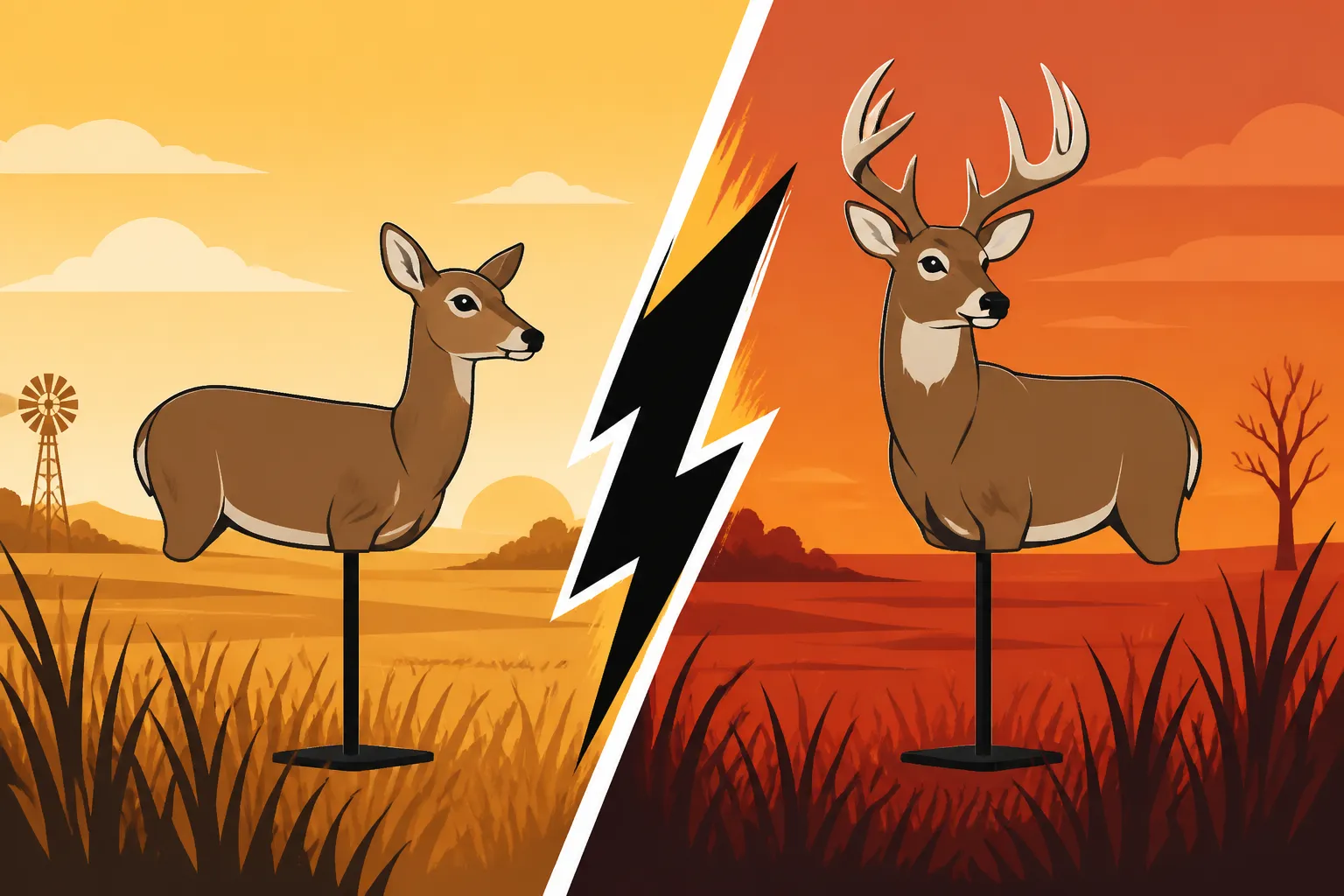
Deciding whether to deploy a doe decoy or a buck decoy can feel like a game of chess in the Kansas deer woods, especially when you've invested precious time and money into your hunt. Many hunters stand in their blind, looking at a vast agricultural field or a timber edge, wondering which plastic deer will best draw in that wary whitetail. It’s a real head-scratcher because the wrong choice can lead to nothing but spooked deer and missed opportunities. This comprehensive guide will help you understand the nuances of both doe and buck decoys, so you can make an informed decision and hopefully bring that trophy Kansas buck into range.
The Strategic Role of Deer Decoys in Kansas Hunting
In the wide-open landscapes of Kansas, where deer might spot you long before you spot them, a decoy can be an absolute game-changer. Deer, especially whitetails, are incredibly visual creatures. While their sense of smell is legendary, their eyesight, particularly for detecting movement, is sharp. A static decoy, strategically placed, can often pull a deer's attention away from your stand or simply ignite their curiosity or aggression enough to bring them closer. It’s not just about fooling their eyes; it's about tapping into their fundamental instincts, whether that's a buck seeking a receptive doe or asserting dominance over a perceived rival.
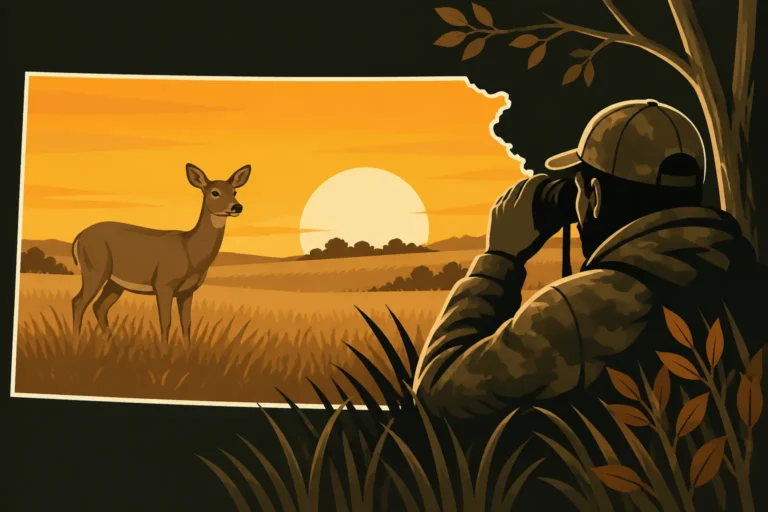
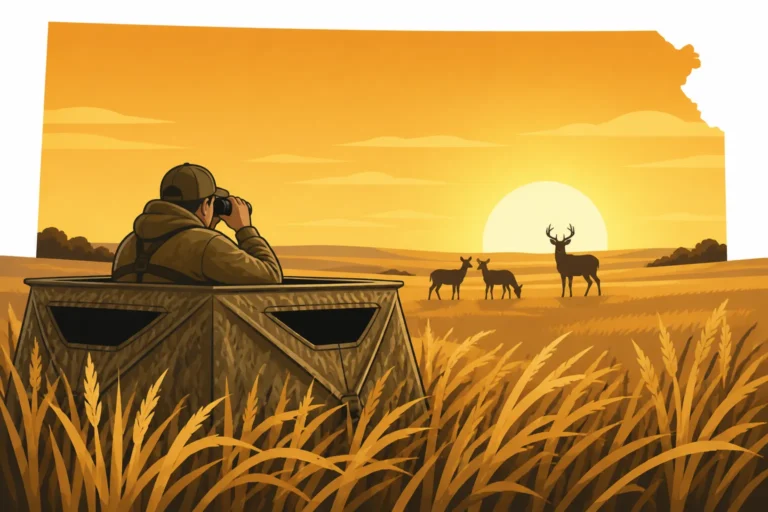
The flat topography and extensive crop fields in much of Kansas mean that deer often travel across open spaces, making visual aids like decoys particularly effective. Instead of a buck only hearing a grunt from a distant timber patch, it might spot a realistic-looking deer in the middle of a cut soybean field, adding a crucial layer of realism to your setup. However, the effectiveness of your decoy hinges on many factors, including the time of year, deer behavior, and the specific message you're trying to send. You'll often hear hunters debating which decoy type is superior, but the truth is, both have their moments to shine, and understanding those moments is key to success. This isn't just throwing out a plastic deer; it's about crafting a narrative that draws a live deer into your hunting zone.
When a Doe Decoy Shines: Attracting Curious Bucks and Does
A lone doe decoy can be a remarkably effective tool, particularly during the early stages of the rut and even into the later parts of the season. Its primary appeal isn't aggression; it's opportunity and curiosity. When you set out a doe decoy, you're signaling to any cruising buck that there might be a receptive doe in the area, offering an easy "come here" message without the threat of a challenge.
The Appeal of a Lone Doe
Imagine a Kansas buck, his neck swollen, eyes glazed over with the primal urge to breed, cruising a timber edge bordering a vast cornfield. He's been on his feet all night, checking scrapes and looking for any sign of a hot doe. Suddenly, in the distance, he spots a lone doe standing placidly. His instincts kick in immediately. This isn't a challenge; it's a potential breeding opportunity. That lone doe decoy acts as a visual magnet, drawing him in for a closer look, a sniff, or perhaps to simply herd her away from other potential suitors. This works exceptionally well during the pre-rut and early rut phases when bucks are actively seeking does but aren't yet locked down on any particular female. They're on the prowl, and your doe decoy is a beacon of hope.
Furthermore, a doe decoy can also attract other does. While this might not seem like the primary goal, other does moving towards your decoy can create a natural sense of safety and curiosity. If a wary matriarch doe sees a "friend" standing in an open field, she might be more inclined to investigate, potentially bringing younger does or even an accompanying buck into view. It creates a natural tableau that can put other deer at ease, especially if they are feeling pressured.
Scenarios for Success with a Doe Decoy
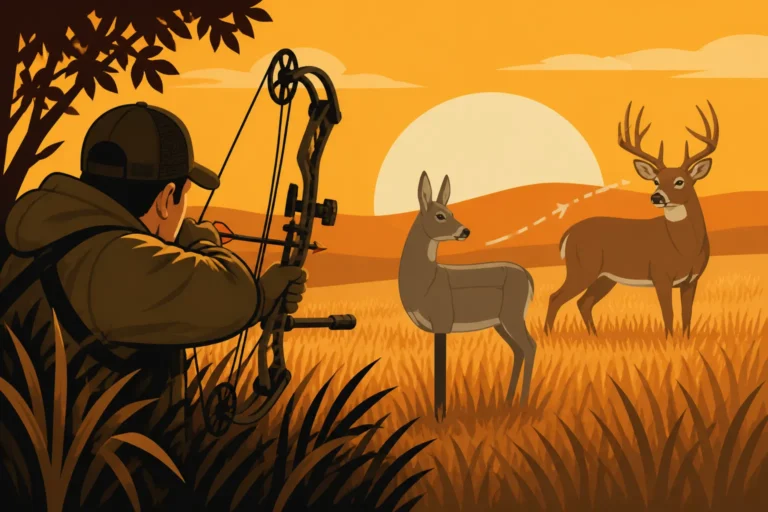
Think about specific Kansas hunting scenarios where a doe decoy really shines. Setting a doe decoy in a cut milo field, perhaps 20-30 yards from your ground blind or treestand, can be deadly. A buck traveling along the field edge might spot her and cut across the field to investigate. Similarly, positioning a doe decoy near a subtle terrain feature, like a small ditch or an inside corner of a crop field, where deer are known to travel, can intercept them and draw them closer. For bowhunters, pulling a deer that extra 10-15 yards into comfortable bow range can make all the difference between a clean shot and a missed opportunity. This is where detailed scouting and understanding "Hunting Terrain Funnels in Flat Country" comes into play. If you know where deer are likely to travel, placing a doe decoy right in their visual path can often divert them directly to you.
When using a doe decoy, realism is paramount. Ensure your decoy is clean, doesn't have any unnatural shine, and is free of human scent. Scent control is crucial; even if a deer sees the decoy, its nose will be its ultimate validator. A doe decoy combined with a few soft estrous bleats or social grunts can make the setup even more irresistible. Many hunters use scouting tools like GoHunt to analyze aerial imagery, pinpointing these potential travel corridors and optimal decoy placement locations. Knowing exactly where that buck is likely to emerge from the timber or cross a fence line can dramatically increase your odds of success.
Unleashing the Challenge: Effective Use of a Buck Decoy
While a doe decoy appeals to a buck's gentler instincts of seeking and breeding, a buck decoy aims squarely at his primal need for dominance and territorial defense. This strategy is an entirely different beast and needs to be deployed with precision and a clear understanding of deer behavior, especially during the peak of the rut.
The Dominance Play
A buck decoy is a visual challenge. When a real buck, especially a mature one, spots another buck in what he perceives as his territory or near a potential breeding opportunity, his first instinct is often to assert dominance. He wants to know who this newcomer is and make it clear who's boss. This makes a buck decoy most effective during the peak rut, typically in mid-November in Kansas, when bucks are highly aggressive, fighting, and actively breeding. This is a crucial time, often referred to as "When the Kansas Rut Peaks". During this period, a buck decoy can elicit a strong, aggressive response, drawing the real buck in with a confrontational attitude.
The posture of your buck decoy is also incredibly important. An aggressive, head-down, ears-back pose can ignite a challenge, while a more passive, head-up pose might just provoke curiosity or even cause a buck to walk away if he's not feeling particularly dominant. Most experienced hunters prefer an aggressive pose during the peak of the rut.
Strategic Placement and Aggression
When setting up a buck decoy, its orientation is vital. Generally, you want the decoy to be quartering away from your stand, as if it's walking away or slightly angled. This presents a less confrontational profile to an approaching buck, often causing him to circle downwind to get a better look, bringing him perfectly into your shooting lane. You also want to place it so that the approaching buck has a clear view for as long as possible, but not so far that you lose effective shooting range. Knowing how to adjust for "Decoy Placement and Wind Direction" is absolutely critical here. A buck will almost always try to approach downwind to scent-check the "intruder," so anticipating his approach path is key.
Pairing your buck decoy with aggressive vocalizations is almost non-negotiable for maximum effect. Hard grunts, tending grunts, and especially rattling sequences or a sharp "Snort-Wheeze on a Cruising Buck" can provide the auditory cues that match the visual challenge of the decoy. These sounds tell the approaching buck that there's a serious interaction happening, often prompting him to commit fully. Remember, the idea is to simulate a fight or a breeding challenge, and sound is a huge part of that. For more detailed insights, check out "Rattling and Grunting During the Kansas Rut".
Potential Drawbacks and Considerations
While highly effective during the right window, buck decoys come with potential drawbacks. Using a buck decoy too early in the season, before bucks are actively aggressive, can actually spook deer. A non-rutting buck might see a strange buck in his territory and simply detour around it, wanting no part of a confrontation. Smaller, younger bucks might also be intimidated and avoid the area altogether. There's also the rare but real possibility that a dominant buck takes the decoy's challenge very seriously, leading to an actual physical confrontation that could damage your decoy or create a chaotic situation.
Always prioritize realism. A dirty, faded, or wobbly buck decoy won't fool anything. Scent control is just as important, if not more so, with a buck decoy. A buck approaching to challenge will undoubtedly try to scent-check the intruder. A human-scented decoy will immediately blow your cover. Many experienced hunters keep their decoys in scent-free bags and handle them with gloves. Accessing detailed property maps, perhaps through a GoHunt subscription, can further refine your strategy by identifying key access points and wind corridors where a buck decoy would be most visible and effective.
Maximizing Your Setup: Combining Decoys and Critical Factors
While both doe and buck decoys have their individual strengths, combining them can create an irresistible scenario that fully exploits a whitetail's instincts. Beyond the type of decoy, several critical factors will dictate your success.
The Duo Effect: Crafting an Irresistible Scene
For many seasoned hunters, the ultimate decoy setup involves both a doe and a small buck decoy. This "breeding pair" scenario is a powerful visual that can drive a mature, dominant buck absolutely wild, especially during the peak rut. By positioning a small buck (sometimes called a satellite buck) tending a doe decoy, you create a scene that screams "opportunity" and "challenge" simultaneously. A mature buck, cruising for hot does, will see the receptive doe (opportunity) but then also see a smaller, less dominant buck with her (challenge). This combination often ignites his protective and aggressive instincts, making him believe he can easily run off the smaller buck and claim the doe for himself.
When setting up a breeding pair, ensure the smaller buck decoy is facing the doe, as if tending her, and that both are positioned to give an approaching dominant buck a clear visual. Again, consider a quartering-away angle for the "tending" buck to guide the approaching dominant buck into your shot. This can be one of the most effective decoy strategies for "Decoying a Kansas Whitetail Buck" during the height of the breeding season.
Wind, Visibility, and Realism: The Pillars of Decoy Success
No matter what type of decoy you choose, ignoring the basics of wind, visibility, and realism is a recipe for failure.
- Wind Direction: This is non-negotiable. Always set up your decoy downwind from your stand or blind, and anticipate that any approaching deer will try to circle to get downwind of the decoy. This is their natural behavior to scent-check what they're seeing. Your stand should be positioned to intercept them before they get your scent. Being able to identify subtle terrain features or pinch points on your GoHunt maps where a decoy would be most visible and effective is a game-changer, helping you anticipate those wind-driven approach routes.
- Visibility: Decoys work on sight, so ensure your decoy is visible from the deer's likely approach paths. Avoid dense brush or terrain features that obscure its view. In flat Kansas country, this might mean placing it further out than you'd think, but still within your comfortable shooting range. Remember, a deer's natural curiosity or aggression will draw it closer if it can see the decoy.
- Realism and Scent Control: A dirty, faded, or unnatural-looking decoy will do more harm than good. Keep your decoys clean, free of unnatural shine, and handle them with gloves to minimize human scent transfer. Some hunters even spray their decoys with a natural scent like deer urine (doe estrous for doe decoys, buck urine for buck decoys) to enhance realism, but this must be done carefully to avoid overdoing it or attracting predators. Above all, prioritize your personal scent control, as a deer's nose will always trump its eyes. For more insights on this, you might review topics like "Ozone and Scent Control Claims".
Practicality and Portability
While multiple decoys can be highly effective, don't overlook the practical aspects, especially if you're hunting public land or doing a mobile setup. Hauling several bulky decoys across a mile of CRP grass to a remote treestand can be cumbersome. Consider lightweight, collapsible decoys if mobility is a concern. Many modern decoys are designed to be easily foldable and transportable. If you're utilizing methods like "Mobile Hunting With a Saddle in Kansas", a cumbersome decoy could negate the benefits of your light and fast approach. Choose equipment that matches your hunting style and the terrain you'll be navigating.
Here’s a quick comparison to help you weigh your options:
| Feature | Doe Decoy | Buck Decoy |
|---|---|---|
| Primary Appeal | Curiosity, breeding opportunity | Challenge, dominance |
| Best Time to Use | Pre-rut, early rut, sometimes late season | Peak rut (when bucks are actively fighting/breeding) |
| Target Deer | Bucks (seeking does), other does (curiosity) | Bucks (challenging rivals), sometimes draws in does |
| Risk | Low risk of scaring deer; generally non-threatening | Can spook smaller bucks, aggressive bucks may attack |
| Calling Pairings | Estrous bleats, soft grunts | Aggressive grunts, rattling, snort-wheezes |
| Setup Strategy | Often positioned passively; quartering-to or broadside | Often positioned aggressively or quartering-away |
| Combined Use | Can be paired with a small buck for a breeding scene | Can be paired with a doe for a breeding scene |
Ultimately, the choice between a doe and buck decoy, or even combining them, comes down to understanding the current deer behavior, the phase of the rut, and the specific message you want to send. There's no single "best" option, but rather a strategic choice that varies with each hunt. Keep an eye on the bigger picture of "Kansas Whitetail Hunting Tactics Through the Rut" to integrate your decoy strategy effectively. Pay attention to "Hunting Pressure Patterns on Kansas Public Land" as well, as pressured deer might react differently to decoys. Experiment, observe, and learn from every setup to refine your skills for future hunts.
Disclaimer
Hunting is an inherently dangerous activity. Always adhere to all local, state, and federal hunting regulations. Ensure you have the proper licenses and permits before hunting. Practice safe firearm and archery handling. The information provided in this guide is for informational purposes only and does not constitute professional advice. Always prioritize safety and ethical hunting practices.