Snort-Wheeze on a Cruising Buck
There’s nothing quite like the sight of a mature buck, head down, cruising with purpose across an open field or along a distant timber edge. Your heart pounds, your mind races – but often, they’re just out of range, totally oblivious to your presence. You feel that helpless frustration, watching a prime opportunity slowly fade as the buck continues on his path. But what if you had a tool, a specific vocalization, that could stop him in his tracks, pique his interest, and even bring him into range? That’s exactly what mastering the snort-wheeze can do, and this guide will walk you through how to effectively use this aggressive call on those seemingly unreachable cruising bucks here in Kansas.
Deciphering the Snort-Wheeze: A Buck's Challenge
The snort-wheeze isn't just another deer sound; it's a statement. It's an unmistakable declaration of dominance and a direct challenge that few mature bucks can ignore during the right time of year. Understanding what this sound means to a whitetail is the first step in using it effectively.
The Raw Aggression in the Sound
Forget those soft contact grunts or the pleading doe bleats. The snort-wheeze is a raw, guttural display of aggression. It typically starts with one or two short, sharp snorts, quickly followed by a longer, drawn-out wheeze, and sometimes ending with another snort. Think of it as a buck clearing his sinuses aggressively, but with a specific, threatening intent. When a buck unleashes this sound, he's not inviting friendship; he's telling other bucks that he owns this space, this doe, or both, and if they don't move along, there's going to be a confrontation. You've likely heard it from a thicket or heavy cover, and suddenly, a smaller, subordinate buck quickly vacates the area. It’s an undeniable sign of a dominant male.
This intense sound contrasts sharply with other common deer vocalizations. A standard grunt is often used for communication or seeking attention, while a doe bleat is usually an invitation. The snort-wheeze, however, bypasses all pleasantries. It’s the sound of a buck saying, "I'm here, I'm bigger than you, and if you want trouble, you'll get it." For a hunter, this means you're tapping into the most primal, territorial instincts of a whitetail buck, essentially inviting a fight.
When Dominance is on the Line
During the intense period of the rut, testosterone levels in bucks surge, turning otherwise cautious animals into aggressive, single-minded machines. This is precisely when the snort-wheeze becomes a powerful weapon in your arsenal. A cruising buck, especially in late October through mid-November when the rut is peaking here in Kansas, is often on a relentless search for a receptive doe or actively defending his breeding rights. His mind is already primed for conflict, making him highly susceptible to a challenge. He’s already operating on a heightened sense of territoriality, driven by the urge to breed.
A buck using a snort-wheeze is rarely just passing the time; he's either warning off a rival, asserting his presence to a potential mate, or expressing frustration at a subordinate. This heightened emotional state is why your snort-wheeze can trigger such a strong reaction. When the Kansas rut peaks, a buck's threshold for tolerance of other bucks is at its lowest. This biological drive makes him much more likely to investigate, or outright confront, the source of such an aggressive vocalization. Outside of the rut, when bucks are more focused on feeding and regaining strength, this call loses much of its effectiveness because the underlying aggressive drive simply isn't there to the same degree.
Strategic Application: Targeting the Cruising Buck
The effectiveness of the snort-wheeze lies not just in making the sound correctly, but in knowing precisely when and where to deploy it. It’s about timing, observation, and understanding the environment, especially in the vast, open landscapes of Kansas.
Identifying the Opportunity
A "cruising buck" isn't just any buck walking through the woods. This is a buck moving with purpose, often covering significant ground, head down, scent-checking, and rarely stopping to feed. He’s typically focused on finding a hot doe or checking established scrape lines and travel corridors. These bucks can often be seen moving across large agricultural fields, along creek bottoms, or pushing through CRP grass. You'll notice they're not meandering; they have a destination in mind, driven by the instinct to breed. This focused movement makes them a prime target for an aggressive call, as they are actively searching for interaction.
Identifying these bucks requires keen observation. They might be alone, or occasionally trailing a doe that isn't quite ready to be bred. They're often covering ground between known bedding and feeding areas, or moving from one timber block to another. A stationary buck, especially one feeding or bedded, might not react as intensely to a snort-wheeze; he might be more inclined to simply observe or ignore it. The cruising buck, however, is already in a receptive mindset for a challenge. Before your hunt, tools like GoHunt for e-scouting can be invaluable for identifying common travel corridors, pinch points, and terrain funnels that these bucks are likely to use as they cruise, giving you a strategic advantage when setting up.
Timing and Location for Maximum Impact
As we touched on earlier, the snort-wheeze is most potent during the peak of the rut. In Kansas, this means focusing your efforts from late October through the core of November. During this window, bucks are actively breeding and their aggression is at its highest, making them far more likely to respond defensively to a challenge. Attempting this call outside of the rut, say during the early archery season or the late firearm season, will typically yield poor results, as bucks are either still in bachelor groups or are focused on calorie intake, not confrontation. You need to hit that sweet spot when hormones are raging. Many hunters find the first week of November to be an excellent time to deploy this aggressive strategy.
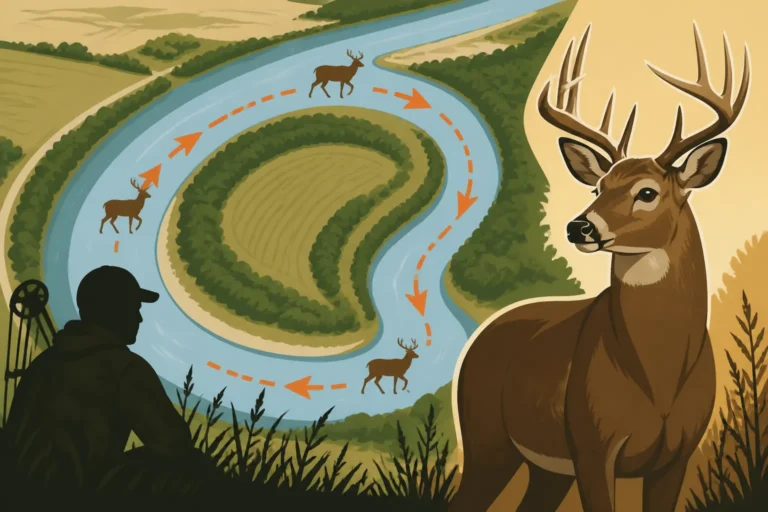
Kansas’s diverse landscape, from rolling Flint Hills to vast agricultural plains, offers unique considerations for calling. Open country is often ideal for the snort-wheeze because it allows the sound to carry further, giving distant bucks a chance to hear it. However, this also means the buck will likely have a clear view of where he expects the challenger to be. Wind direction is absolutely critical; you want the sound to carry to the buck, but you never want him to get downwind of your position without seeing you first. Bucks will often circle downwind to scent-check the source of the call, so planning for this approach is crucial. Position yourself so a buck approaching from downwind has to come into your shooting lane before he can scent you. Hunting terrain funnels in flat country, such as timber strips between fields or creek draws, can concentrate buck movement and create ideal ambush points for calling.
Calling from Concealment
Once you've spotted that cruising buck and decided to deploy the snort-wheeze, your concealment becomes paramount. The moment a buck hears an aggressive call, he's looking for the source, expecting a rival. If he spots you moving or silhouetted against the sky, the jig is up. Whether you're in a well-brushed ground blind, nestled in a thick hedgerow, or positioned in a treestand, you need to be as invisible as possible.
In open Kansas farm country, ground blinds can be excellent for providing the necessary cover, allowing you to move subtly and prepare for a shot. If hunting from an elevated position, consider how your sound disperses and ensure you have sufficient backdrop to break up your outline. Remember, the goal is to make the buck believe he's approaching another deer, not a hunter. Always have your bow or rifle ready and positioned for a quick, ethical shot. Once you make that call, the action can unfold rapidly, leaving little time for fumbling with equipment.
Execution and Anticipation: Making the Snort-Wheeze Count
Making the call correctly is only half the battle; the real art lies in anticipating the buck's reaction and knowing how to respond. This is where experience and a keen understanding of whitetail behavior truly pay off.
The Sound Profile and Delivery
Many commercially available calls today are capable of producing a convincing snort-wheeze. Some popular choices include the Primos "Buck Roar" or various Flextone models that mimic aggressive buck vocalizations. However, simply having the call isn't enough; you need to master the delivery. The sound should be short, forceful snorts, followed by a longer, raspy wheeze. Think "PFFFFFFF-WHEEEEEZE-PFFFFFFF!" It's vital not to be timid. This is an aggressive sound, so blow it with confidence and conviction. Practice at home, get comfortable with the sound, and ensure you can reproduce it clearly and consistently.
When you spot that cruising buck, wait until he's quartering away or broadside, moving steadily, but not directly looking at you. You want to make the call when he's least expecting it, and when the sound will most effectively carry to him without being muffled by his own movement or the environment. Some hunters find that incorporating rattling and grunting during the Kansas rut can precede a snort-wheeze, setting the stage for an even more aggressive challenge if the initial calls don't draw him in. However, for a buck already cruising with purpose, the snort-wheeze alone can be enough to stop him.
What Happens Next: Reading the Signs
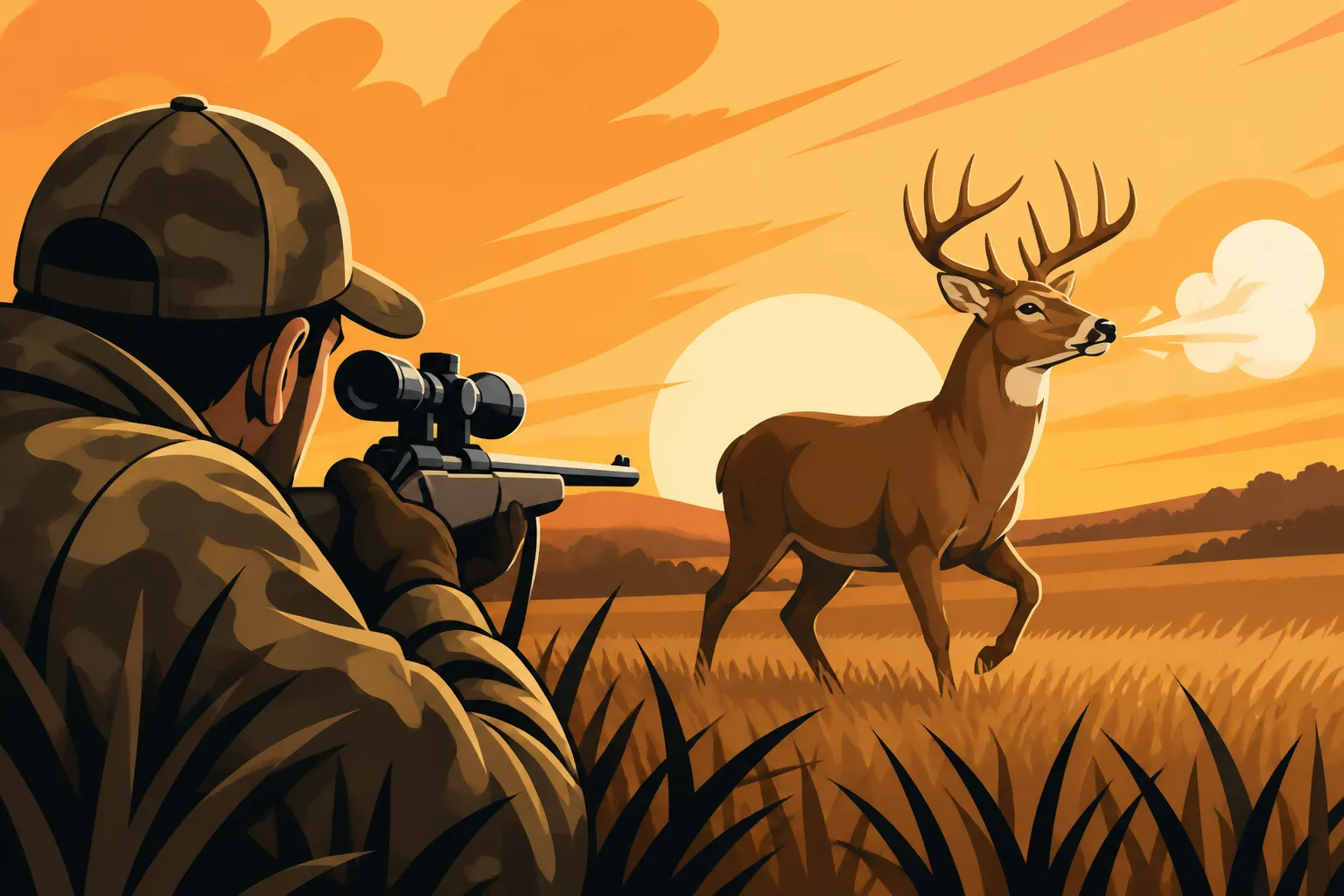
After you unleash a convincing snort-wheeze, every second that follows is crucial. The buck’s reaction will tell you everything you need to know. The ideal response is for him to stop dead in his tracks, lift his head high, and stare intently in your general direction. This is a clear indicator that he heard the challenge and is trying to locate the source. His ears might swivel, and his body language will shift from purposeful travel to intense scrutiny.
From there, he might do one of several things:
- Approach directly: This is the dream scenario. He might turn and march straight towards you, sometimes stiff-legged, looking for a fight.
- Circle downwind: This is a common and often frustrating reaction. Bucks are masters of using their nose. Expect him to try and circle downwind to catch your scent before committing fully. Always anticipate this and position yourself accordingly.
- Stomp or flag his tail: This is usually a sign of irritation or confusion, and often a precursor to him committing to an approach. He’s agitated, and that’s a good thing.
Your job is to remain absolutely motionless and be ready. If you’re using a decoy, this is when it really shines. A well-placed decoy, especially a buck decoy, can provide a visual target that validates the sound and draws his attention away from your hiding spot. However, if you are not set up perfectly for a decoy, it can also deter a cautious buck.
When to Follow Up (and When Not To)
Deciding whether to call again, and what call to use, is often the most challenging part. If the buck stops, stares, and starts to slowly turn towards you, often silence is golden. Let him commit. The snort-wheeze has done its job; he’s now seeking the source. Any further calling might alert him to your exact position or make the situation feel unnatural. You’ve piqued his interest; now let curiosity and aggression do the rest.
However, if he hesitates, appears confused, or starts to walk away slowly, a subtle follow-up might be warranted. A soft grunt call that works in the pre-rut can sometimes be enough to re-engage him without being overly aggressive. A tending grunt, mimicking a buck tending a hot doe, might also provide that extra incentive. The key here is subtlety. You don't want to blow another full snort-wheeze unless he seems to be completely ignoring the first. If he ignores your second attempt or spooks and runs, it’s best to back off. There might be a doe nearby that he’s focused on, or he might just not be the type of buck to respond aggressively. Every buck is an individual, and some will simply not react as desired.
After the hunt, it’s always a good idea to plot out your approach and escape routes using GoHunt maps to identify potential bedding areas or sensitive zones. This helps you leave no trace and minimizes the chance of bumping deer on future hunts, preserving the hunting quality of your area. Retrieving your gear, like a deer cart on walk-in ground, should also be done with minimal disturbance.
| Call Type | Primary Message | Ideal Situation | Buck Reaction | Common Mistakes |
|---|---|---|---|---|
| Snort-Wheeze | Aggression, Challenge, Dominance | Cruising buck, peak rut, buck alone, clear visibility | Stops, stares, turns, approaches aggressively, circles downwind | Overcalling, calling outside peak rut, bad wind, poor concealment |
| Grunt Call | Locator, tending, contact, challenging | Searching buck, trailing doe, any phase (with varying intensity) | Stops, investigates, might respond to challenge, continues movement if not convinced | Too loud, wrong cadence, sounding unnatural, using at the wrong time |
| Doe Bleat | Seeking attention, estrus doe | Buck searching for does, early rut, pre-rut | Stops, investigates, approaches cautiously, often circles | Using too often, sounding unnatural, using on a buck already with a doe |
Final Thoughts on Mastering the Snort-Wheeze
The snort-wheeze is a powerful and exciting call to use, but it's not a magic bullet for every situation. It requires careful observation, precise timing, and a deep understanding of whitetail behavior, particularly during the rut. There will be times when it works like a charm, drawing in a buck that seemed utterly unreachable, providing you with an unforgettable hunting experience. And there will be times when it doesn't work at all, leaving you scratching your head.
The most successful hunters are those who adapt, learn from each encounter, and continually refine their tactics. Reviewing satellite imagery on GoHunt before you head out, carefully selecting your stand locations, and understanding how deer use the available cover and terrain will greatly increase your odds. Remember, the goal is to make a realistic, convincing sound that resonates with a buck’s aggressive instincts, then be ready to capitalize on his reaction. By understanding the psychology behind the snort-wheeze and practicing its delivery, you’ll add a formidable tactic to your Kansas hunting arsenal, turning distant cruising bucks into close encounters.
Disclaimer
Hunting involves inherent risks, and safety should always be your top priority. Ensure you are familiar with and adhere to all Kansas hunting regulations, permit requirements, and firearm safety guidelines. Always scout responsibly, respect private property, and inform someone of your hunting plans and location. The information provided here is for educational and entertainment purposes only and should not replace professional guidance or official regulations from the Kansas Department of Wildlife, Parks and Tourism.