Early-Season Bowhunting Over a Pond
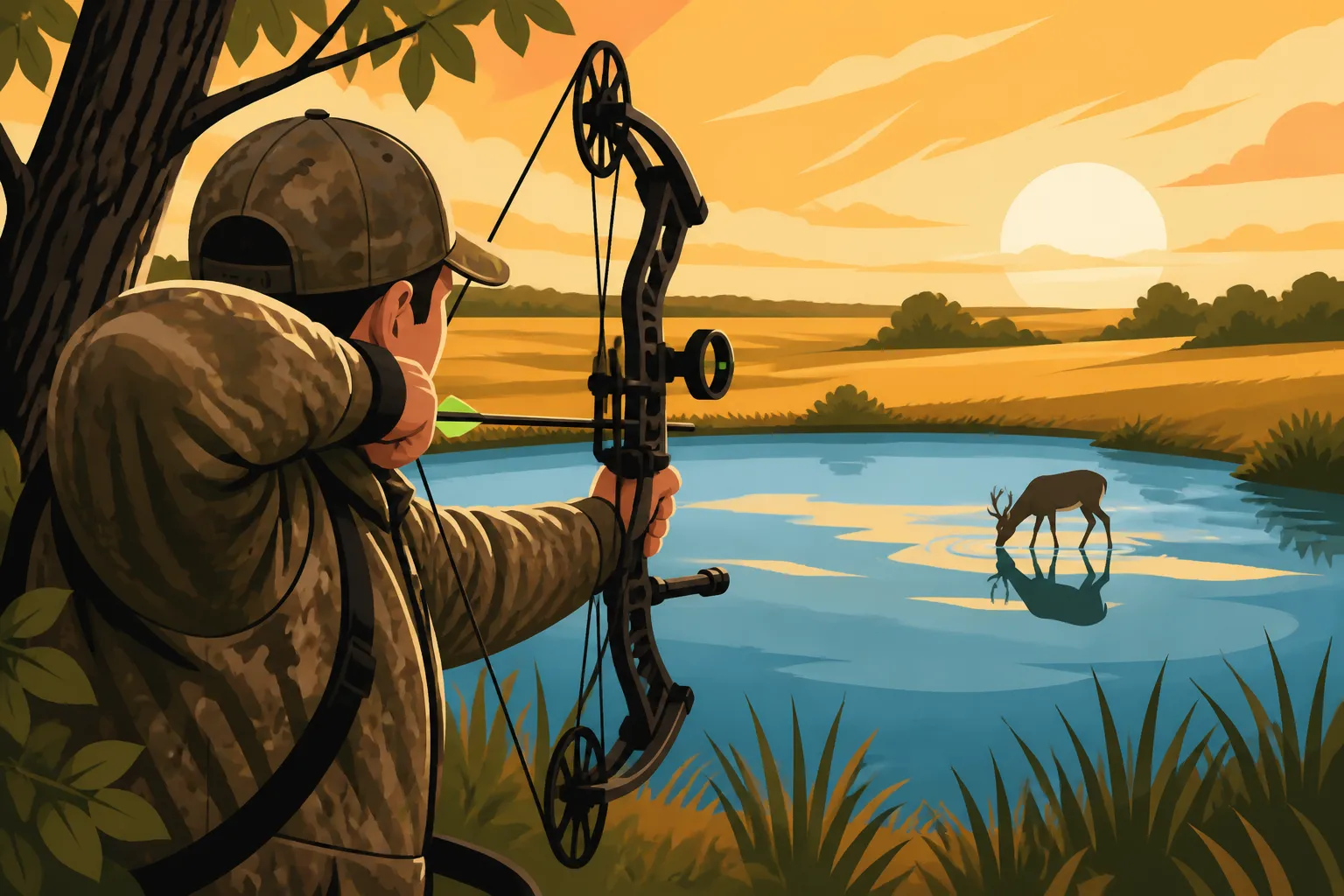
The early bow season in Kansas can be a real test of patience and endurance. With temperatures often still climbing into the 80s and 90s, especially during the archery opener, deer movement can feel utterly unpredictable. Forget those crisp autumn mornings you dream of; the reality is often hot, humid days that keep deer bedded down tight. But don't despair – there's a killer strategy that can turn those sweltering September days into success stories: focusing your efforts on prime water sources. This comprehensive guide will walk you through exactly how to capitalize on early-season bowhunting over a pond in the Sunflower State.
Why Ponds Become Early Season Magnets in Kansas
When the weather is scorching, just like us, whitetail deer need to hydrate, and they need to do it often. Ponds and other reliable water sources become irresistible magnets, especially during those first few weeks of archery season before cooler temperatures kick in. The heat drives a biological imperative, making deer activity around water incredibly predictable, far more so than food sources, which might still be abundant but less critical than a good drink.
The Scarcity of Natural Water in Farm Country
Kansas, particularly the central and western parts, isn't exactly teeming with flowing rivers and natural springs everywhere you look. While we have beautiful river bottoms, much of our prime deer habitat is dominated by agricultural fields, CRP (Conservation Reserve Program) grasslands, and scattered timber. In these areas, especially during dry stretches, a well-maintained pond becomes an oasis. It's often the most reliable, easily accessible water for miles around. Deer, having a finely tuned sense for survival, will quickly learn these spots and incorporate them into their daily routines. They’re not just stopping for a quick sip; they might spend extended periods in or near the water, helping to cool their core body temperature. Think about it: a buck doesn't want to walk an extra mile through the heat to find water when a closer, established source is available. This is where your scouting and planning come into play.
Deer Physiology and Hydration Needs
Understanding deer physiology in warm weather is key to this strategy. Whitetails don't sweat like humans do; they primarily cool down through panting and seeking shade. When the ambient temperature rises, their need for water dramatically increases to maintain proper body temperature and metabolic function. This isn't just about thirst; it's about survival. A buck that's been pushing through thick CRP cover or lying in a sunny field all day is going to be parched. You’ll often see them head to water in the morning after being active overnight, and certainly in the late afternoon or early evening before they start their primary feeding. This predictable pattern gives you a distinct advantage. Focusing on these high-traffic times around water is a much higher percentage play than guessing which food source they might hit, especially when diverse agricultural crops might still be widely available.
Scouting for Productive Water Sources
You can't just pick any pond and expect success. Effective early-season bowhunting over a pond requires deliberate and detailed scouting, both from afar and on the ground. You're looking for the best spots, the most used trails, and the ideal ambush locations.
E-Scouting for Pond Locations
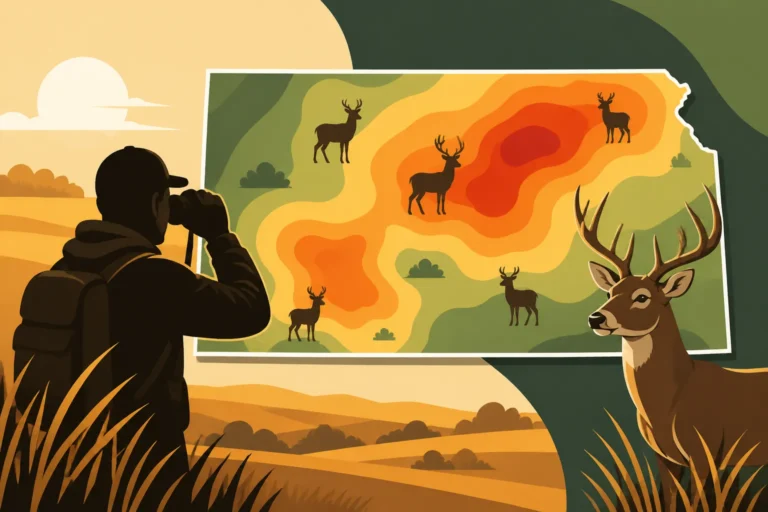
Before you ever set foot in the field, fire up your mapping apps. Tools like GoHunt are invaluable for e-scouting Kansas landscapes. Look for ponds that are secluded, surrounded by good cover (timber, tall CRP grass, plum thickets), and away from human disturbance. Ponds located deep within a timber block, or those tucked away on larger WIHA (Walk-In Hunting Access) tracts, are often gold mines. Pay close attention to ponds that have obvious travel corridors leading to them—think creek draws, fence lines, or timbered fingers. These act as natural funnels, directing deer right to your desired ambush point. Using satellite imagery, you can identify potential bedding areas nearby, perhaps some dense CRP Grass and Where Bucks Bed, and then trace the most likely routes deer would take to access the water. This also helps you plan your access routes to avoid bumping deer.
| Pond Type/Feature | Early-Season Potential | Scouting Checklist |
|---|---|---|
| Secluded, Timber-Edged | High | Fresh tracks, worn trails, nearby bedding cover |
| Deep in CRP/Grassland | High | Hidden access points, heavy game trails |
| Open, Near Pasture | Moderate | Less cover for approach, still used but riskier |
| Creek Bottom Pockets | High | Natural funnels, cooler microclimates |
| Near Busy Roads/Homes | Low | High disturbance, less consistent deer activity |
| Stagnant, Algae-Filled | Low | Deer prefer cleaner water if available |
Boots-on-the-Ground Reconnaissance
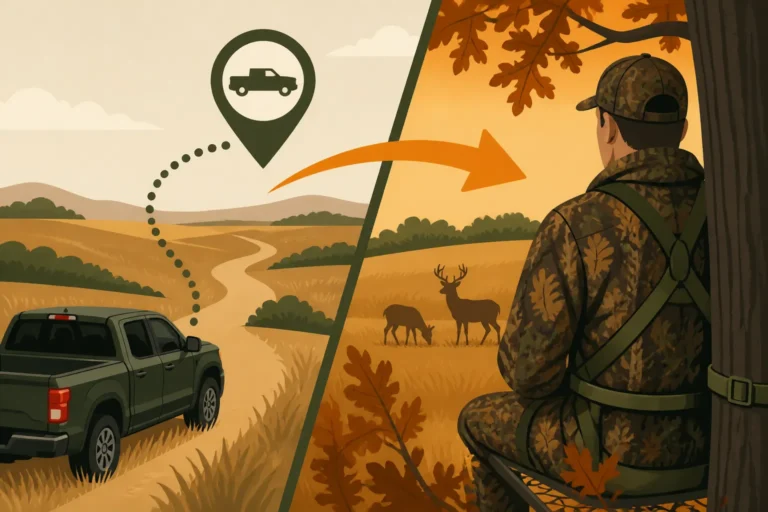
Once you've identified promising ponds on your map, it's time for boots on the ground. But hold on—don't just stomp in there. You need to be stealthy. Approach from downwind, ideally when deer activity is low (midday, not too close to the season opener if possible). Look for heavy deer trails leading directly to the pond's edge. Are there tracks in the mud? How fresh are they? Are there multiple trails converging? Pay attention to rubs and scrapes, even if they aren't fresh, as they indicate past buck activity. Identify key entry and exit points deer are using. Which side of the pond offers the best natural cover for your stand? Where can you approach and leave without alerting deer? This ground-level intel is crucial for pinpointing the exact tree or blind location that will give you the best shot opportunity. Remember to take note of the prevailing Wind and Thermals on a River Bank (or pond bank, in this case), as understanding these will be paramount for your hunt. You don't want to blow your scent directly into where a thirsty buck will be approaching.
Setting Up for Success: Stand Placement and Scent Control
You've found the perfect pond, you've scouted the trails. Now comes the critical part: setting up your ambush. Early season conditions demand meticulous attention to detail, especially when it comes to placement and scent management.
Optimal Stand and Blind Placement
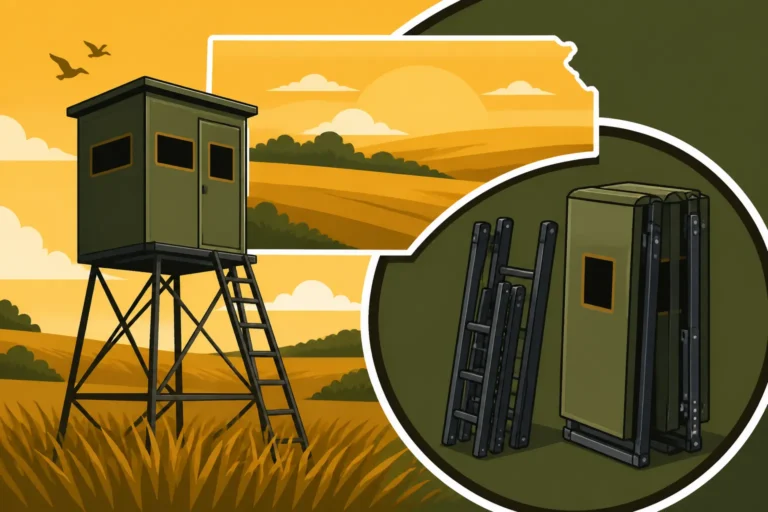
When considering where to hang your stand or set up your blind, several factors must align for success. First and foremost, you need to be downwind of the primary approach and drinking areas. This sounds obvious, but many hunters overlook subtle thermals that can shift scent. In early morning, air often sinks, carrying your scent downhill or into low-lying areas. In the evening, as the air cools, it rises. Position yourself to account for these shifts. You also need adequate cover to break up your silhouette. A tree with a thick canopy or dense foliage is ideal. If hunting from the ground, brushing in a Ground Blinds in Open Country can be incredibly effective, especially if you set it up well in advance to let deer get accustomed to it. Look for trees along the main trails leading to the pond, or perhaps a vantage point that overlooks the most frequently used drinking spot. Consider shooting lanes carefully; you want clear shots at various distances where a deer might stop to drink. Remember, deer will often pause before stepping out into the open to get water, offering you a crucial moment to prepare for a shot. For those hunting public land, be sure to understand the specific rules about Hanging Stands on Public Land Without Getting Burned to avoid any issues.
Master Scent Control Strategies
This cannot be stressed enough for early-season hunting over water. The heat means you're sweating, and deer are coming to a predictable spot specifically to drink and potentially cool off – their senses will be on high alert. Your scent, carried by the warm, humid air, can bust your hunt faster than anything. Invest in a thorough scent control regimen. This means scent-free laundry detergent for all your hunting clothes, showering with scent-free soap before heading out, and using scent-reducing sprays on your person and gear. Consider wearing rubber boots to minimize ground scent. Dress in light layers to avoid excessive sweating on the walk-in. If you have a long walk to your stand, carry your outer layers and put them on once you're settled to reduce sweat contamination. Even with a perfect wind, a sudden thermal shift or swirling air can betray your presence. Every little bit of scent control matters, especially when deer are relaxed and lingering around a water source. Don't forget, early season also brings out the bugs; be mindful of Tick and Chigger Season in September and dress accordingly, applying repellent discreetly if necessary.
Tactics for Hunting Over a Pond
Once your setup is dialed in and your scent control is on point, it's time to focus on the actual hunt. Early season pond hunting is less about calling and more about strategic timing and unwavering patience.
Timing Your Hunts
The absolute best times to hunt a pond in early season Kansas are during the first and last hours of daylight. In the morning, deer that have been active all night will often hit a water source on their way back to bedding areas. As the sun climbs and temperatures rise, they'll seek refuge. In the evening, as temperatures begin to cool, deer will emerge from their bedding cover and often head straight to water before moving on to feed. If there's a particular hot spell, midday hunts around water can also be productive, especially if the pond is heavily shaded and offers a place for deer to cool down. However, these midday hunts increase your risk of spooking deer on your entry or exit. Prioritize those golden hours of dawn and dusk for maximum success. The Kansas Archery Season Opening Date typically falls in September, meaning those first weeks are almost guaranteed to be warm, making these tactics especially potent. For more specific considerations about the heat, consider reviewing a dedicated September Bow Season Heat Strategy.
Patience and Shot Selection
Hunting over water requires immense patience. Deer won't always walk right in and start drinking immediately. They'll often approach cautiously, circle the pond, and test the wind. You might see smaller deer first, followed by does and fawns, and finally, if you're lucky and quiet, a mature buck. Do not rush the shot. Wait for the deer to relax, offer a broadside or slightly quartering-away shot, and ensure it's within your comfortable shooting range. Remember, early season foliage can still be thick, so ensure your shooting lanes are clear. A well-placed arrow is paramount. Reviewing concepts like Shot Placement on a Whitetail at Twenty Yards is always a good idea before heading afield. Once you make a successful shot, resist the urge to immediately jump down. Give the deer time to expire, especially in warm weather, before you begin Blood Trailing in Tall CRP or other heavy cover. After the retrieve, remember that Field Dressing in Warm Kansas Weather requires swift action to cool the meat properly.
The Role of Minimal Disturbance
A crucial, often overlooked, aspect of hunting any primary water source is maintaining minimal disturbance. Every time you walk to your stand, leave your stand, or even scout the area, you're leaving behind scent and potentially spooking deer. Plan your Access Routes That Avoid Bedding Areas meticulously, use mapping tools like GoHunt to mark your paths, and try to only visit your stand when you intend to hunt. If possible, set up your stand or blind well in advance of the season and then stay away. The less pressure these water sources experience, the more consistently deer will use them. This is especially true for mature bucks, which are incredibly wary of human presence. If you're on a public tract, be extra vigilant, as others might also be using these prime locations. Your goal is to be a silent, invisible part of the landscape.
Disclaimer
Hunting is an inherently dangerous activity. Always prioritize safety, follow all local and state regulations, and obtain proper licenses and permits before heading into the field. The information provided in this guide is for educational purposes only and should not replace professional guidance or personal judgment.