Saddle Hunting on Kansas Public Land
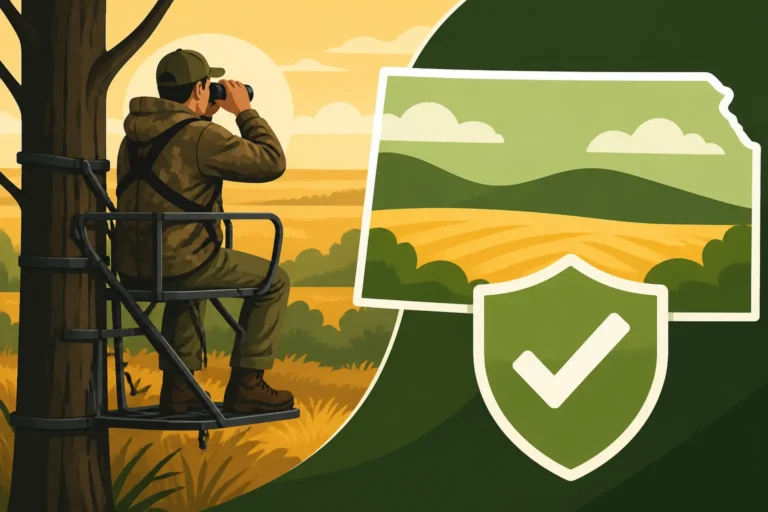
For many of us who hunt public land here in Kansas, the struggle is real: finding a consistent, unpressured spot, then trying to set up a stand without alerting every deer in the county. Traditional hang-on or ladder stands can be clunky, noisy, and frankly, a huge deterrent to mobility when you're trying to adapt to changing deer patterns. This guide is all about embracing the stealth and adaptability of saddle hunting, specifically tailored for the unique challenges and opportunities found on Kansas's public ground.
Why Saddle Hunting Makes Sense for Kansas Public Land
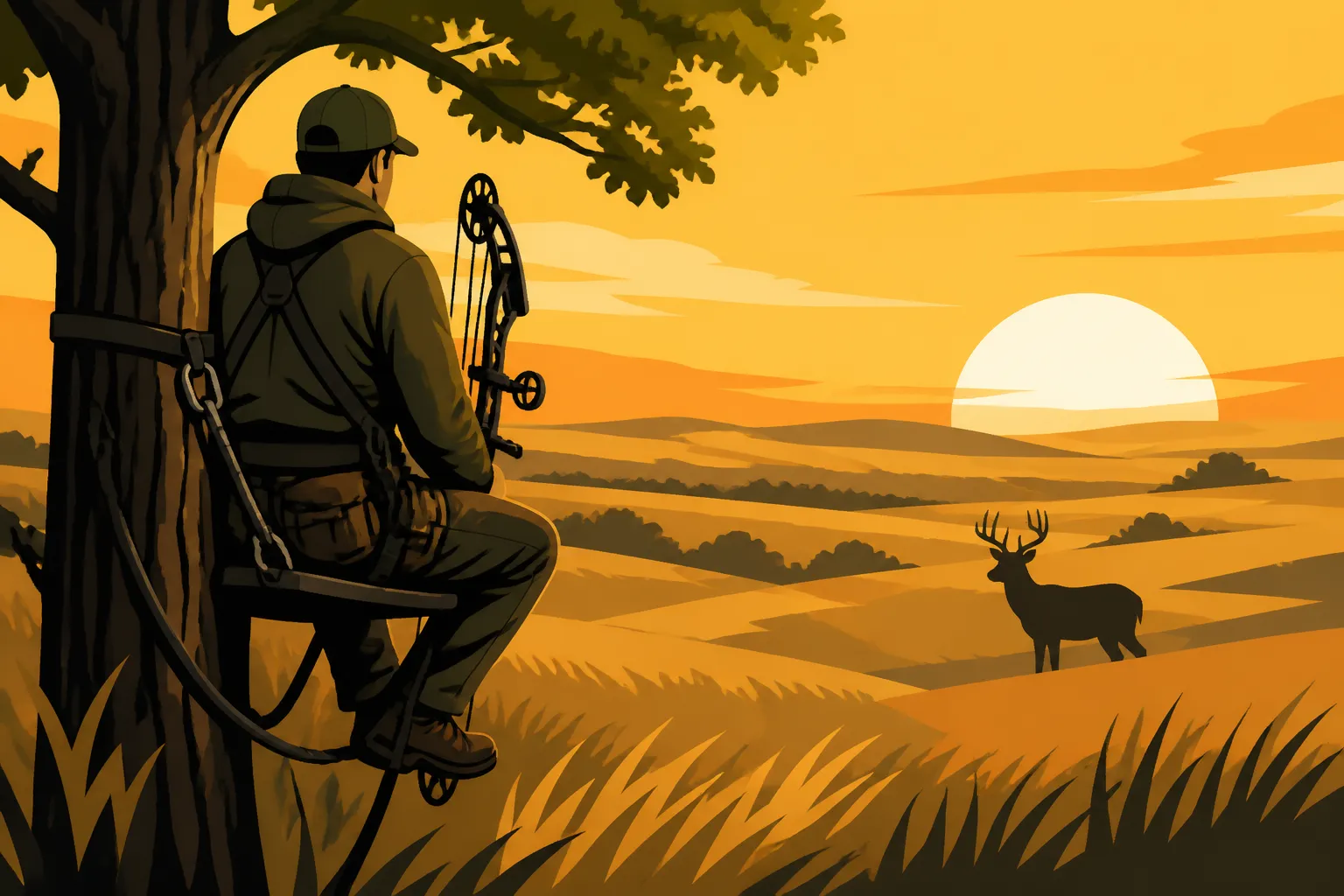
Kansas public land, especially our Walk-In Hunting Access (WIHA) tracts and state wildlife areas, can be incredibly diverse, but it often throws curveballs at the traditional hunter. You might encounter small timber belts, isolated clumps of cedars in a vast CRP field, or narrow creek bottoms winding through open agricultural land. Saddle hunting truly shines in these scenarios, offering a level of flexibility and quiet movement that fixed stands just can't match.
The Undeniable Advantage of Mobility and Stealth
Let's face it, public land deer in Kansas are educated. They feel pressure, and they adapt quickly. Hauling a bulky hang-on stand, sticks, and a pack across a quarter-mile of tall grass or through a dense river bottom can feel like you're announcing your presence with a bullhorn. With saddle hunting, your entire setup is compact and relatively lightweight. You can move fast, silently, and change your setup on a dime. This isn't just about getting to your spot; it's about being able to adjust your ambush point mid-hunt if the wind shifts unexpectedly, or if you spot a new travel corridor.
Think about those narrow shelterbelts or small timber points often found in Kansas farm country. A traditional stand might force you into a specific tree, regardless of whether it offers the best shot angles or concealment. A saddle, however, lets you choose almost any tree with a straight enough trunk, giving you a 360-degree shooting radius and the ability to pivot around the tree for ultimate stealth. This becomes a game-changer when you're trying to hunt tight spots or penetrate deep into bedding areas without leaving a trace, something crucial when you're trying to avoid creating too much Hunting Pressure Patterns on Kansas Public Land.
Adapting to Diverse Kansas Terrain and Tree Cover
Kansas isn't known for its vast, mature forests like some other deer hunting states. Our public land often features smaller, more scattered timber, young saplings, or even just plum thickets. Finding a "perfect" tree for a traditional stand can sometimes feel like searching for a needle in a haystack. Saddle hunting dramatically expands your options. If it's sturdy enough to hold your weight and you can safely ascend it, it's a potential saddle tree.
I've personally saddle hunted in cottonwood trees along the Arkansas River, small oaks in state parks, and even in robust hedge rows on WIHA ground. The ability to climb higher and get better visibility in flat farm country is a huge benefit. Being able to get 20-25 feet up in a tree that might only be 30 feet tall offers incredible concealment and a much better vantage point over fields and thickets. This versatility allows you to exploit subtle terrain features and isolated cover that other hunters might overlook because they can't easily set a traditional stand there. It opens up opportunities to hunt new areas, especially when you're learning how to read a Kansas Creek Bottom for Deer Sign or trying to pinpoint prime bedding areas in the middle of nowhere.
Essential Gear for the Kansas Saddle Hunter
Getting started with saddle hunting means investing in some specific gear, but don't let that intimidate you. Many items are multi-purpose, and the right setup will make your hunts safer, more comfortable, and ultimately more successful. The key is to prioritize lightweight, durable, and reliable equipment that can withstand the demands of Kansas weather and terrain.
The Core Components: Saddle, Aider, and Platform
Your saddle is obviously the star of the show. Brands like Tethrd, Trophyline, and Cruzr are popular choices, each offering slightly different designs for comfort and functionality. What's crucial is finding one that fits you well and feels good when you're hanging in it for hours. Comfort is paramount; you'll be spending a lot of time suspended, so chafing or pressure points will quickly ruin a hunt. I'd highly recommend trying one on and even hanging in it for a bit before committing.
Next up, you'll need a platform. This is your standing surface, providing a stable base to pivot and shoot from. Platforms come in various sizes and styles, from compact ring-style platforms to larger, more traditional shapes. Consider the balance between weight and foot comfort. A smaller platform is lighter, but a slightly larger one can reduce foot fatigue on longer sits.
Finally, for climbing, most saddle hunters use climbing sticks with an aider. An aider is essentially a small strap or rope ladder attached to your climbing stick that allows you to gain extra height with each stick, meaning you carry fewer sticks overall. This significantly reduces your pack weight, which is critical when you're walking long distances across Kansas Walk-In Hunting Access Explained. A three-stick setup with a two-step aider per stick is a common and effective combination for getting into that 18-20 foot range. Brands like Lone Wolf Custom Gear or XOP offer lightweight climbing stick options that pair well with saddle setups.
Accessories for Safety, Comfort, and Convenience
Beyond the core components, several accessories can drastically improve your saddle hunting experience in Kansas. A good lineman's belt is non-negotiable for safety during ascent and descent, allowing you to stay securely attached to the tree at all times. This is especially important when you're navigating tricky branches or setting sticks in less-than-perfect trees. A tether, which attaches your saddle to the tree once you're at hunting height, needs to be adjustable and allow for comfortable maneuvering around the trunk.
For comfort during long sits, a knee pad can be a lifesaver, especially if you plan to brace against the tree or use a knee-hook technique. A small gear hoist or pull rope is also essential for getting your bow and backpack up to your hunting height silently. You don't want to be fumbling with gear at the base of your tree after all that effort to get in undetected. A quality headlamp, like those from Black Diamond or Petzl, is a must-have for those early morning walks in or late-night recoveries, particularly when navigating unfamiliar Public Hunting Land in Kansas in the dark.
Finally, think about how you'll manage your gear at height. A small gear strap or a compact pouch that attaches to your saddle can keep your rangefinder, grunt tube, or release aid easily accessible without having to reach into your pack. This attention to detail in your setup allows for fluid, silent movements when a buck finally makes an appearance.
Tactical Considerations for Kansas Saddle Hunting
Saddle hunting isn't just a different way to hang in a tree; it's a different approach to hunting. It demands a more active, mobile mindset, especially on Kansas public ground where deer patterns can change quickly due to pressure or shifting food sources. Success hinges on precise scouting, quick setup, and understanding how to use the wind and terrain to your advantage.
Scouting for the Mobile Hunter
E-scouting is your best friend when saddle hunting in Kansas. Before you even set foot on a WIHA tract, use tools like GoHunt, OnX Hunt, or Google Earth to identify potential ambush points. Look for pinch points, inside corners of crop fields, isolated timber clumps, or small creek bends that provide cover and funnels deer movement. Pay close attention to subtle elevation changes, as even a small rise can offer a strategic advantage in our generally flat landscape. When you are doing your E-Scouting Kansas Farm Country From Home, focus on areas with varied cover types or edges where deer might naturally transition.
Once you're on the ground, ground scouting is key. Walk the property, looking for fresh sign: tracks, rubs, scrapes, and most importantly, primary travel corridors. Remember, you're looking for any tree that can get you high and offer concealment, not just the "perfect" stand tree. This opens up many more options than traditional stand hunting. Don't be afraid to walk a little farther off the beaten path; often, the best spots are those that require a bit more effort to reach. Remember that a silent, efficient approach is paramount, especially when Scouting Kansas Walk-In Tracts Before the Opener.
Strategic Tree Selection and Setup
With your compact saddle setup, you have the luxury of choosing a tree based purely on tactical advantage. Look for trees that offer natural cover, like a thick canopy or dense cedar branches, to break up your silhouette. Don't shy away from smaller, limbless trees if they allow you to get higher than surrounding cover. The goal is to become part of the tree, disappearing into its form. When considering Best Stand Locations in Flat Farm Country, a strategically placed saddle can often put you in a position that a traditional hang-on couldn't achieve due to tree constraints or wind direction.
When setting up, always prioritize safety. Use your lineman's belt throughout the climbing process. Ascend quietly, placing your climbing sticks deliberately. Once at hunting height, ensure your tether is properly set and allows you to comfortably move around the tree. Practice setting up in the dark before hunting season to build muscle memory and ensure silent operation. Being able to set up quickly and quietly in minimal light is a huge advantage, especially when trying to intercept deer moving at first light or last light.
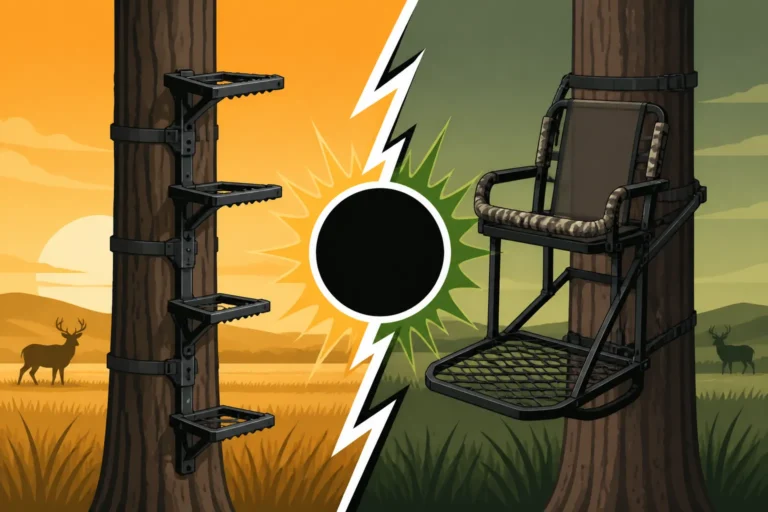
| Feature | Saddle Hunting | Traditional Hang-On Stand |
|---|---|---|
| Mobility | High: Lightweight, compact, easy to move | Moderate: Heavier, bulkier, more effort to move |
| Stealth (Setup) | High: Minimal noise, fluid movement, adaptable | Moderate: Can be noisy, limited tree choices |
| Tree Options | Versatile: Most trees with sufficient girth | Limited: Requires specific limb structure and trunk size |
| Field of View | 360-degree shooting, pivot around tree | Fixed arc, limited by stand placement and tree |
| Concealment | Can use thinner trees, natural cover (tree trunk) | Relies on stand placement and surrounding foliage |
| Pack Weight | Generally lighter (sticks + saddle + platform) | Heavier (stand + sticks) |
| Comfort | Variable, depends on saddle fit and experience | Generally good, can sit or stand, but less flexible |
| Cost | Mid to high initial investment | Mid to high initial investment |
| Public Land Fit | Excellent: Adapts to varied, pressured terrain | Good: Can work, but mobility and stealth are challenges |
Reading the Wind and Thermals
Kansas winds are legendary, and understanding them is paramount for any hunter, especially when you're getting higher in a tree. Always check multiple wind apps and wind indicators before heading out, and carry a puff bottle with you to verify the wind direction at your exact setup location. With a saddle, you have the advantage of being able to shift your position around the tree to keep your scent cone away from where you expect deer to approach. This isn't always possible in a fixed stand.
In creek bottoms or areas with significant cover changes, remember to account for thermals. In the mornings, air tends to flow downhill as the sun warms the higher ground; in the evenings, it typically flows uphill as the low-lying areas cool. Being aware of these subtle air movements, as discussed in Wind and Thermals on a River Bank, can mean the difference between getting busted and getting a shot opportunity. A saddle allows you to adjust your height or position slightly to capitalize on these micro-movements of air, offering another layer of advantage.
Safety and Regulations for Public Land Saddle Hunting
While saddle hunting offers incredible advantages, it also demands a commitment to safety and adherence to public land regulations. Ignoring either can lead to dangerous situations or legal trouble, neither of which is worth the potential for a trophy buck.
Adhering to Public Land Rules and Ethics
Before you ever step foot on a WIHA property or State Wildlife Area, make sure you understand the specific rules regarding stands and climbing devices. Kansas generally permits the use of portable stands on public land, but there are often regulations about how long they can remain in place or if screw-in steps are allowed. Always consult the current Kansas Hunting & Trapping Regulations Summary or check the specific rules for the wildlife area you intend to hunt. For example, some areas might have specific limitations on when and where you can leave equipment overnight, an important consideration when thinking about Overnight Stand Storage on Public Ground. Always err on the side of caution.
Beyond the regulations, uphold ethical hunting practices. Practice Leaving No Trace on Walk-In Ground. This means packing out everything you pack in, being mindful of noise, and minimizing your impact on the environment. If you're using climbing sticks, make sure they don't damage the tree excessively. Remember, we share this public resource, and our actions impact everyone else's hunting experience and the future of public access. Utilizing digital tools like the GoHunt app or the KDWP online mapping portal can help you identify property boundaries and ensure you are always on legal hunting ground, especially when venturing into less familiar areas.
Prioritizing Personal Safety
Saddle hunting, like any elevated hunting method, carries inherent risks. Your safety harness (the saddle itself) is designed to protect you, but only if used correctly. Always double-check your knots, carabiners, and connection points before ascending. Use a lineman's belt at all times while climbing and descending, ensuring you are always tethered to the tree. Never be detached from the tree while off the ground.
Carry an emergency kit that includes a sharp knife, a small first-aid kit, and a whistle. It's also wise to have a communication device like a fully charged cell phone or a satellite messenger, especially if you're hunting alone in remote areas where cell service might be spotty. Tell someone where you're going and when you expect to return. The mobility of saddle hunting allows you to go deep, which is great for finding unpressured deer, but it also means you might be further from immediate help if something goes wrong. Being prepared can make all the difference.
Finally, practice, practice, practice! Don't wait until opening morning to try out your saddle for the first time. Set it up in your backyard, climb a tree, and get comfortable with every aspect of the system. Learn how to ascend, descend, and move around the tree silently and efficiently. Familiarity with your gear will not only make you safer but also more confident and effective in the field. This also helps in understanding what constitutes Portable Stand Rules on Kansas Public Land so you don't inadvertently break any rules.
Disclaimer
The information provided in this guide is for general informational purposes only and does not constitute professional advice. Hunting regulations and safety practices can change, and individual conditions vary. Always consult the latest official regulations from the Kansas Department of Wildlife, Parks and Tourism, and prioritize safety in all hunting activities.