Leaving No Trace on Walk-In Ground
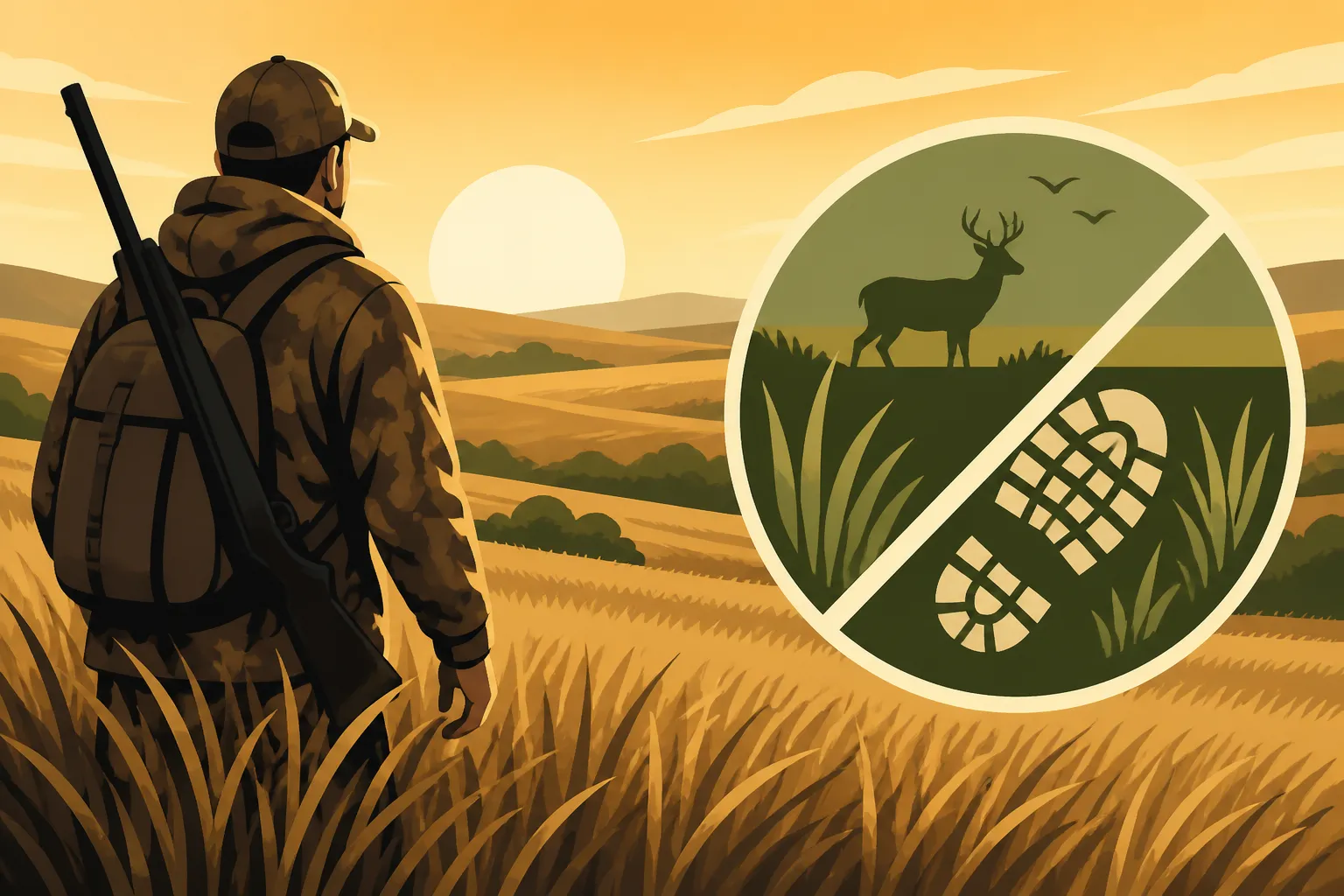
There’s nothing quite like the freedom of stepping onto a Kansas Walk-In Hunting Access (WIHA) tract, knowing you have public ground to roam. But that privilege comes with a massive responsibility: ensuring we leave these areas just as we found them, if not better. It’s tough sometimes, especially when you’re focused on the hunt, but neglecting "Leave No Trace" principles can have serious consequences for future access and the reputation of hunters everywhere. This guide is all about giving you the practical, real-world advice you need to minimize your impact and be a responsible steward of our shared hunting grounds.
Understanding the "Leave No Trace" Ethos on Public Ground
The concept of "Leave No Trace" isn't just some abstract ideal; it's a set of principles designed to help us enjoy the outdoors responsibly, leaving minimal impact on the environment and ensuring its preservation for future generations. For hunters utilizing Kansas's extensive WIHA program, embracing these principles is paramount. We often forget that these tracts are leased from private landowners, and our behavior directly influences whether those landowners continue to participate in the program.
Why Stewardship Matters for Future Access
Imagine finding a fantastic bedding area on a WIHA tract, only to come back next season and discover that the landowner has pulled out of the program because previous hunters left trash, cut down trees, or drove their vehicles off designated paths. This isn't just a hypothetical scenario; it's a very real threat to our hunting opportunities. Landowners are offering a generous privilege, and it’s on us to respect their property and the spirit of the WIHA program. Every candy wrapper, every carelessly discarded broadhead package, every broken tree stand step left behind chips away at that trust. It makes it harder for the Kansas Department of Wildlife, Parks and Tourism (KDWP) to secure new leases and retain existing ones. When hunters demonstrate respect, it validates the program and helps secure its future, meaning more ground for all of us to enjoy.
The Impact of Hunter Footprints
When we talk about "footprints," we're not just referring to the indentations your boots make in the mud. It encompasses everything from the physical mark you leave on the land to the impression you leave on other users and landowners. Consider the simple act of creating a path. While one hunter might not create a noticeable trail, hundreds of hunters using the same route can compact soil, erode pathways, and even alter water flow over time. This is especially true in sensitive areas like creek bottoms or steep draws. Furthermore, any sign of human disturbance, like cut branches, discarded flagging tape, or even excessive scent left behind from not paying attention to Wind and Thermals on a River Bank, can alert other hunters to "your spot," increasing pressure and diminishing the quality of the hunt for everyone. It’s a delicate balance to scout effectively without leaving too many obvious signs.
Ethical Hunting and Respect for the Resource
Beyond the physical impact on the land itself, leaving no trace is deeply intertwined with ethical hunting practices. It’s about more than just legal compliance; it’s about a profound respect for the game we pursue and the environment that sustains them. This includes proper game recovery, like taking the time for Blood Trailing in CRP and Cedars to ensure no animal is wasted, and appropriate field dressing practices to minimize disturbance. When we treat the land, wildlife, and fellow outdoor enthusiasts with respect, we uphold the integrity of hunting itself. This demonstrates to non-hunters that we are not just consumers of wildlife but dedicated conservationists who care deeply about the natural world.
Practical Steps for Minimizing Your Impact on Kansas Walk-In Hunting Areas
Successfully practicing "Leave No Trace" on WIHA grounds requires conscious effort and proactive planning. It's not about being perfect, but about consistently striving to reduce your footprint in every aspect of your hunt. From how you travel to how you manage waste, every decision can make a difference.
Smart Travel and Campsite Selection
The first step in minimizing your impact begins long before you even set foot in the field. Thoughtful planning can drastically reduce your physical footprint.
Planning Your Route and Access Points
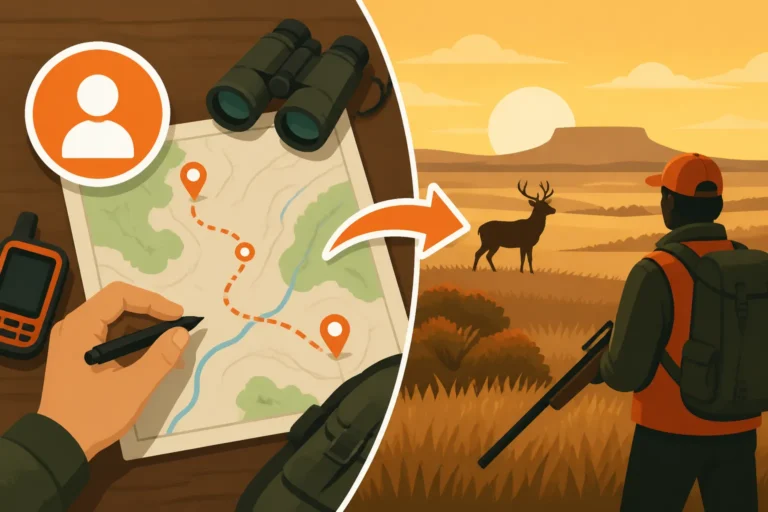
Before you hit the dirt, spend time with a good mapping app like GoHunt to really plan your route. Identify established trails, field edges, or natural travel corridors that minimize disturbance. Avoid creating new trails if possible, especially through dense vegetation or sensitive riparian areas. When you're Scouting Kansas Walk-In Tracts Before the Opener, focus on observation from a distance, using optics rather than stomping through every corner. Pay attention to how deer naturally move through the landscape – they often show you the path of least resistance. This not only keeps your impact low but also helps you find good hunting spots by keying into natural funnels and cover. Plan your approach to your stand or blind to avoid bedding areas and common travel routes, especially when dealing with Access Routes That Do Not Bump Deer. Remember, the goal is to be a ghost in the woods.
Minimizing Camp Impact (When Allowed)
While overnight camping is generally not permitted on Kansas WIHA tracts, some larger public land areas or State Wildlife Areas might allow it in designated spots. If you're utilizing such an area, adhere strictly to designated campsites. Pack out everything you pack in. This means all trash, food scraps, and even human waste should be properly managed and removed. Use existing fire rings if allowed, or better yet, use a portable stove to minimize fire impact. Avoid cutting down live trees for firewood and keep your camp footprint small. The idea is that once you leave, no one should be able to tell you were ever there. Even for day hunts, bring a small trash bag for all your refuse, no matter how small.
Waste Management and Trash Discipline
This might seem like a no-brainer, but it's where many hunters inadvertently fall short. Every piece of trash, no matter how small, adds up and detracts from the wild experience for others.
Pack It In, Pack It Out
This is the golden rule of leaving no trace, and it means everything. Energy bar wrappers, spent shell casings, broadhead packaging, chewing tobacco pouches, water bottles, broken gear – it all needs to come out with you. Don't assume biodegradable items will disappear quickly; even an apple core can take weeks or months to break down and can attract unwanted wildlife or look unsightly. Carry a dedicated small trash bag in your pack. Before you leave your stand site or the area you hunted, do a quick visual sweep around you. It’s amazing what a few hours of sitting can cause to accumulate around your feet. The goal is to leave the area cleaner than you found it.
Proper Field Dressing and Game Remains
When it comes to field dressing a harvested animal, the goal is to disperse the remains away from visible areas, trails, or water sources. Quartering a deer in the field, for instance, allows you to pack out the valuable meat and leave the gut pile in a less concentrated, more natural manner for scavengers. Dragging a whole deer out can leave an obvious, messy blood trail, especially if you're pulling it a long distance. If you do quarter, ensure all remains are well off the beaten path. If you field dress on site, push the guts into thick cover or spread them out so they decompose more quickly and naturally without drawing excessive attention from predators that might then become habituated to human presence. When facing situations like Field Dressing in Seventy-Degree Weather, swift, clean processing is even more crucial to preserve the meat and minimize lingering scent.
Respect for Wildlife, Other Users, and Private Property
Beyond the physical land, our interactions with wildlife, other hunters, and adjacent private property are critical aspects of leaving no trace.
Observing Wildlife From a Distance
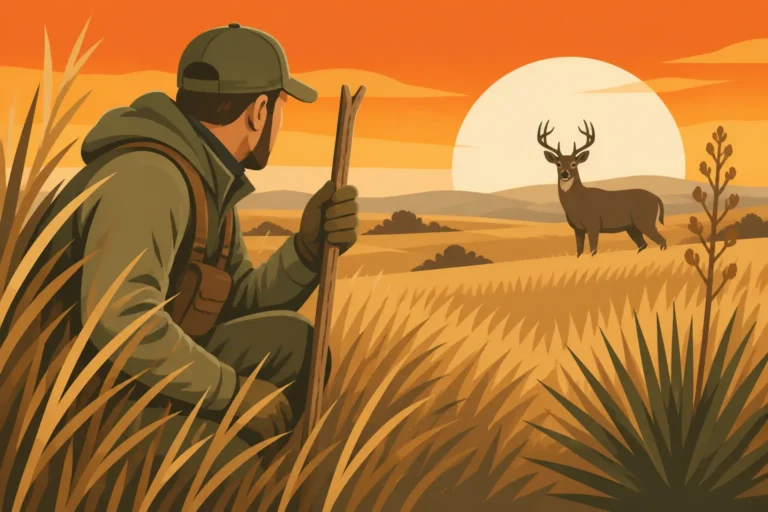
Part of the hunting experience is observing wildlife in their natural state. However, do so without disturbing them. Avoid harassing animals, altering their natural behavior, or getting too close, especially during sensitive times like fawning or nesting seasons. Use binoculars and spotting scopes to enjoy wildlife from afar. When scouting, minimize the amount of pressure you put on deer, especially during the off-season. Continually bumping deer from their bedding areas can cause them to move off your hunting property, impacting your future success.
Being Considerate of Other Hunters and Land Users
WIHA ground is shared by many, including other hunters, hikers, birdwatchers, and sometimes even non-hunting recreational users if the tract overlaps with other public access. Be mindful of their experience. Avoid loud noises, excessive scent, or actions that could interfere with their enjoyment. If you encounter another hunter, a friendly nod or brief greeting is usually sufficient; avoid disclosing your specific hunting spots or critiquing their methods. Park vehicles responsibly, not blocking access roads or gates. If you're utilizing the Kansas iWIHA Check-In Rules, remember that those capacity limits are there to ensure a quality experience for everyone. Always respect the boundaries of private property adjacent to WIHA tracts. Tools like GoHunt with property line overlays are invaluable here to avoid accidental trespass, which can quickly jeopardize WIHA leases.
Gear and Planning for Low-Impact Hunting on WIHA
The right gear and meticulous planning can make a significant difference in your ability to leave no trace. Every item you bring and every decision you make should be considered through the lens of minimizing your footprint.
Choosing Minimal-Impact Gear
Your equipment choices can directly affect your ability to hunt cleanly and responsibly. Think lightweight, efficient, and durable.
Portable Stands and Blinds
For hunters using treestands or ground blinds on WIHA land, portability is key. Most WIHA rules stipulate that stands and blinds must be removed daily. This means heavy, cumbersome setups are not only impractical but also lead to increased effort, more trips, and a greater chance of leaving things behind. Consider a lightweight hang-on stand, a climbing stand, or even a mobile saddle hunting setup for maximum flexibility and minimal impact. For more specific guidance, check out articles on Portable Stand Rules on Kansas Public Land and Overnight Stand Storage on Public Ground to ensure you're compliant. Even with ground blinds, choose lighter, pop-up models that are easy to brush in naturally and remove completely after your hunt. Avoid cutting large amounts of brush from the area; instead, use existing deadfall or sparse branches.
Essential Tools for Cleanup and Game Recovery
Don’t underestimate the power of a few simple tools. A small folding saw for trimming shooting lanes (only dead branches, and sparingly!) is better than breaking branches. Always carry a strong, brightly colored cord for retrieving game or helping to secure gear. A durable pair of game bags will make Quartering a Deer in the Field cleaner and more efficient. And, as mentioned, a small, sealable trash bag for all your refuse is a non-negotiable item. If you plan to use a deer cart, select one that is rugged but can navigate rough terrain without tearing up delicate ground, especially important when Getting a Deer Out of a River Bottom Alone.
Pre-Hunt Preparation and Post-Hunt Discipline
The true "Leave No Trace" hunter extends their discipline from the moment they start planning to well after they’ve left the field.
E-Scouting and Minimizing Physical Scouting
Before you ever set foot on a WIHA tract, leverage technology. Tools like GoHunt allow you to extensively E-Scouting Kansas Farm Country From Home. You can identify potential bedding areas, food sources, funnels, and access routes using satellite imagery and topo maps. This minimizes the need for excessive physical scouting, which reduces human scent, visual disturbance, and the chance of bumping deer or leaving physical signs before the season even begins. By refining your potential spots virtually, you can make your actual scouting trips shorter, more focused, and less impactful. This is particularly important for public land, which often sees higher pressure.
Post-Hunt Site Assessment and Cleanup
After each hunt, and especially after your final hunt of the season on a particular tract, take a moment to assess the area. Did you drop anything? Are there any broken branches from setting up your stand? Did you leave flagging tape? Go back and meticulously remove anything you brought in. If you used temporary markers, like biodegradable ribbon, make sure it’s gone. Even if Are Screw-In Steps Legal in Kansas? is on your mind, remember that leaving any permanent or semi-permanent fixtures can negatively impact the land and future access. The goal is to leave the area in such a pristine state that a casual observer would never know a hunter had been there. This final act of discipline is the capstone of truly leaving no trace.
Summary of Leave No Trace Principles for Hunters
To help visualize the difference responsible choices make, here’s a quick overview of key Leave No Trace principles applied to hunting.
| Principle | Responsible Hunting Practice | Potential Negative Impact (if ignored) |
|---|---|---|
| Plan Ahead & Prepare | E-scout, choose lightweight gear, know regulations. | Trespass, lost gear, unnecessary disturbance, legal issues. |
| Travel & Camp on Durable Surfaces | Stick to existing trails, field edges; avoid sensitive areas. | Erosion, vegetation damage, habitat destruction. |
| Dispose of Waste Properly | Pack out all trash; proper field dressing away from water. | Litter, pollution, attracting scavengers, landowner complaints. |
| Leave What You Find | Don't build structures, cut live trees, or remove artifacts. | Altered habitat, illegal stand placement, historical loss. |
| Minimize Campfire Impacts | Use stoves; if fires allowed, use existing rings; burn small. | Wildfires, unsightly scars, resource depletion. |
| Respect Wildlife | Observe from distance, avoid disturbance, proper game recovery. | Stress to animals, altered behavior, wasted game. |
| Be Considerate of Other Visitors | Maintain low profile, respect property lines, manage noise. | Conflict with others, loss of public goodwill, reduced access. |
Disclaimer
The information provided in this guide is for general informational purposes only and does not constitute legal advice. Hunting regulations and access rules for Kansas Walk-In Hunting Access (WIHA) tracts and other public lands can change frequently. It is the responsibility of each hunter to consult the most current Kansas Department of Wildlife, Parks and Tourism (KDWP) regulations, local ordinances, and any specific signage or guidelines posted at hunting locations before engaging in any hunting activity. Always obtain necessary licenses and permits, and prioritize safety and ethical hunting practices.