Locker Plants During Firearm Season
You've finally put in the time, navigated the unpredictable Kansas weather, and punched your deer tag during firearm season. That surge of adrenaline and satisfaction is quickly followed by the very real, often stressful question: "Where in the world am I going to get this deer processed, and can I even get it in today?" This is a common and incredibly frustrating scenario for many hunters, especially during the brief but intense firearm season. This guide is all about helping you understand why locker plants get so overwhelmed, how to strategically navigate the chaos, and what steps you can take to ensure your hard-earned venison makes it from the field to your freezer without a hitch.
The Firearm Season Rush at Kansas Locker Plants
Kansas deer firearm season is a whirlwind. It’s a relatively short window, typically just 12 days in early December, and it’s when a huge number of hunters are out in full force. The sheer volume of deer that hit the ground in such a condensed timeframe creates an enormous bottleneck at local locker plants and meat processors. It’s not just about getting your deer in; it’s about making sure it gets processed quickly and correctly to preserve that precious meat.
Why Locker Plants Get So Busy
Imagine a small business that typically handles a steady flow of customers suddenly getting hit with a tidal wave. That's precisely what happens to many small-town locker plants across Kansas when the firearm season opens. Hunters who might not bow hunt or muzzleloader hunt often wait for this specific season, creating an intense, synchronized harvest.
The biggest factor is simply the sheer number of deer harvested. While archery season offers a long, spread-out opportunity from September through December, and muzzleloader season has its own unique window, the firearm season is short, sweet, and incredibly popular. This means that a significant portion of the annual deer harvest in Kansas happens within a couple of weeks, with the opening weekend being particularly explosive. Every hunter wants their deer processed quickly, cleanly, and safely, and the processors, despite their best efforts, have finite space, staff, and cooling capacity. They're working around the clock, but there's only so much they can do when dozens, sometimes hundreds, of deer show up at their doorsteps within days.
Common Frustrations Hunters Face
Let’s be honest, standing in line with your deer in the back of your truck, watching the clock tick, and hoping the locker plant doesn’t put up a "FULL" sign is far from the ideal end to a successful hunt. This concentrated rush leads to a host of frustrations that can easily sour the experience if you're not prepared.
One of the most common complaints is the extensive wait times. You might wait hours just to drop off your deer, only to be told it could be days, or even a week, before they can actually begin processing it. This delay creates anxiety about meat quality, especially if you haven't been able to adequately cool the animal yourself. Many hunters have experienced the heartbreak of being turned away entirely, sometimes after driving a considerable distance, because the plant has simply reached its absolute maximum capacity. The scramble to find an alternative processor, often further afield, just adds to the stress. Concerns about how long your deer might sit before being broken down, and the potential impact on flavor and tenderness, are also legitimate worries. It's a race against the clock and the elements, and sometimes it feels like the system is working against you. Properly cooling a deer, especially if you're facing delays, becomes paramount. You can learn more about Getting a Deer Cooled in September, and while it's colder in December, the principles of removing heat from the carcass quickly remain vital.
Planning Ahead: Securing Your Spot
The key to avoiding those firearm season processing headaches isn't just about luck; it's about preparation. Just as you scout your hunting grounds and prepare your gear, you need to scout and prepare your processing plan. This proactive approach can make all the difference between a smooth end to your hunt and a logistical nightmare.
Booking Your Processing Slot in Advance
This is arguably the most crucial step you can take. Don’t wait until you’ve got a deer on the ground to start calling around. Many established locker plants, especially those known for quality work, will begin taking appointments for firearm season weeks, sometimes even months, in advance. Think of it like booking a popular restaurant reservation – you wouldn't just show up on a Saturday night hoping for a table.
Start making calls in October or early November, long before the Kansas Firearm Season Dates roll around. Ask about their firearm season policy: Do they take walk-ins? Is it appointment only? What's their expected turnaround time? Be prepared to provide some basic information, like your name, contact details, and perhaps an estimated date you expect to drop off your deer. While you won’t have your tag number yet, indicating you’ll have all necessary Kansas Deer Tagging Requirements in order will put their mind at ease. Some places might even require a small deposit to hold your slot, which is a small price to pay for peace of mind. Remember, the earlier you get on their books, the less stressful your post-harvest logistics will be.
Researching Local Locker Plants
Not all locker plants are created equal, and knowing what to expect from different processors can save you a lot of grief. Don't just pick the closest one on the map; do a little homework. Word-of-mouth recommendations from fellow hunters are invaluable. Ask friends, family, or even folks at your local sporting goods store who they trust and why. Online reviews can also offer insights, though take them with a grain of salt.
When you call or visit a plant, have a list of questions ready. Inquire about their pricing structure (per pound, flat fee, etc.), available cuts (steaks, roasts, grind ratios, jerky, sausage options), and packaging methods (vacuum-sealed, paper-wrapped). Ask about their typical turnaround time for firearm season, and perhaps most importantly, their policy on Chronic Wasting Disease (CWD) testing. Some processors offer CWD testing services, which is a good thing to know, especially if you're hunting in a CWD-management unit. Don't be afraid to ask about their capacity for cooling carcasses quickly. A good processor will be transparent and happy to answer your questions. Many hunters use apps like GoHunt to e-scout and plan their hunts; this same proactive mindset applies to finding reliable local services like locker plants, especially in towns known for being in Kansas Deer Units With the Most Deer, where demand will be highest.
Field Prep and Drop-Off Best Practices
Even with a booked slot at a locker plant, your work isn't done in the field. How you handle your deer immediately after the shot can significantly impact the quality of the meat and whether a processor will even accept it. Proper field care is the ultimate respect you can show to the animal and yourself.
Essential Field Dressing and Cooling Before Drop-Off
No matter the time of year, immediate and thorough field dressing is critical. During firearm season in December, temperatures can range from frigid to unseasonably warm. While cold weather helps, the internal organs still hold a lot of heat, and if left too long, that heat can cause spoilage.
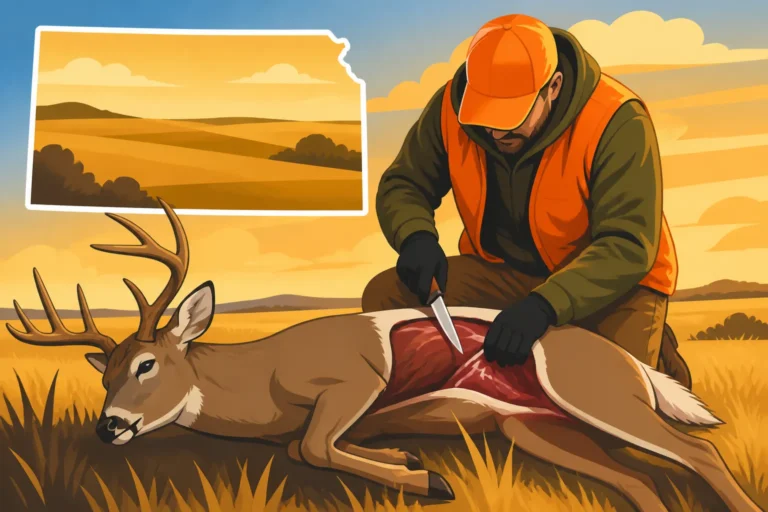
Once your deer is down, get it field-dressed as quickly and cleanly as possible. Remove all the internal organs to allow the body cavity to cool. If temperatures are above freezing, or if you anticipate any delay in getting to the processor, you need to take active steps to cool that carcass. If you're near a vehicle, a clean cooler packed with ice is your best friend. Even if it's cold outside, packing ice into the chest cavity can draw out residual heat, especially from thick areas like the shoulders and hindquarters. Hang the deer in the shade if possible, or prop the cavity open to allow air circulation. Ensure the deer is kept clean, away from dirt and debris. A processor wants a clean, well-cared-for carcass, and they might turn away a deer that shows signs of improper handling or spoilage. Learning the principles of Field Dressing in Warm Kansas Weather still applies here; the goal is always to get that core temperature down. If you're in a situation where you might have to drive a long way or wait, consider Quartering a Deer in the Field to make cooling and transport easier.
What to Bring and Expect at the Locker Plant
When it’s time to drop off your deer, arrive prepared. First and foremost, your deer must be properly tagged according to Kansas regulations. This means your deer permit must be attached immediately after the kill. You’ll also need your Kansas hunting license and deer permit details handy when you check in. The Kansas Department of Wildlife, Parks and Tourism (KDWP) requires all harvested deer to be reported via the electronic check-in system, so familiarize yourself with Kansas Electronic Deer Check-In procedures before you go. The processor will likely ask for your confirmation number or require you to complete the check-in on-site.
Beyond the regulatory requirements, have a clear idea of how you want your deer processed. Most plants will give you a "cut sheet" to fill out. This is where you specify everything: how thick you want your steaks, if you want roasts, what percentage of fat in your ground venison (usually a blend with beef or pork), and if you want any specialty items like jerky, summer sausage, or breakfast sausage. Don't be shy about asking for recommendations or clarification if you're unsure. Expect a bustling, potentially noisy environment, especially during peak hours. The staff will be efficient but busy, so have your questions and requests ready. Remember, proper Kansas Hunter Orange Requirements are critical during the firearm season, even if you’re just transporting your deer; always be safe.
Alternative Processing Options
Even with the best planning, sometimes circumstances prevent you from securing a spot at a commercial locker plant. Or maybe, you're just looking for a more hands-on, self-sufficient approach to processing your harvest. Thankfully, there are excellent alternatives that many Kansas hunters embrace.
Processing Your Own Deer at Home
Taking on the task of butchering your own deer at home is a fantastic way to truly connect with your harvest and gain valuable skills. The benefits are numerous: you save money on processing fees, you have complete control over every cut and how it’s packaged, and you know exactly how the meat was handled from field to freezer. It's an incredibly rewarding experience that deepens your understanding and appreciation for the entire hunting process.
However, it's not without its challenges. It requires time, especially for your first few deer. You'll need some basic equipment: a good set of sharp knives, a meat saw (manual or electric), a grinder if you want ground venison, vacuum sealer or freezer paper, and plenty of clean working space. A cool garage or basement is ideal. Cleanup can also be a significant undertaking. If you're new to it, there's a learning curve, but there are countless online tutorials and videos that can guide you step-by-step. Many experienced hunters are also happy to share their knowledge. Consider it an investment in your hunting future; the satisfaction of pulling a steak from your freezer that you personally processed is unmatched. For a deeper dive, check out our guide on Processing Your Own Deer at Home.
Collaborating with Fellow Hunters
Hunting is often a communal activity, and so can be the processing of your game. If you're hunting with a group, or even if you have friends who are also avid hunters, collaborating on processing can be a game-changer, especially during the firearm season crunch.
This might look like pooling resources to collectively process a few deer at someone’s home setup, sharing the workload and learning from each other. One person might be an expert at deboning, another at grinding, and someone else at packaging. It can also involve group drop-offs if a locker plant has limited capacity but is willing to take multiple deer from a single party at once. This strategy requires good communication and coordination, but it can alleviate individual stress and make the process much more enjoyable. Perhaps one hunter has a large walk-in cooler that can serve as a temporary holding spot for several deer until a locker plant has an opening, or until the group can tackle home processing together. Using shared knowledge and resources, especially when planning multi-hunter trips to public land or Walk-In Hunting Access (WIHA) areas, is a smart play. Utilizing apps like GoHunt can help coordinate group movements and planning, making these collaborations smoother.
Key Questions for Your Kansas Locker Plant
| Question Category | Specific Questions to Ask | Why It Matters |
|---|---|---|
| Availability | Do you take appointments for firearm season? | Secures your spot and avoids being turned away. |
| What are your operating hours during firearm season? | Ensures you can drop off your deer promptly. | |
| What is your typical turnaround time for deer processing? | Manages expectations for when your meat will be ready. | |
| Pricing & Cuts | What is your processing fee structure (per pound, flat fee, etc.)? | Helps budget for the total cost. |
| What cuts do you offer (steaks, roasts, grind, jerky, sausage)? | Ensures you get the desired cuts from your deer. | |
| Do you blend ground venison, and what are the fat options/costs? | Crucial for flavor and texture of ground meat. | |
| Carcass Prep | What are your requirements for field-dressed deer? | Ensures your deer is accepted and processed cleanly. |
| Do you require CWD testing, or do you offer it as a service? | Important for health and regulatory compliance, especially in certain units. | |
| General | What payment methods do you accept? | Be prepared for payment upon pickup. |
| What is your procedure for calling when meat is ready? | Helps you plan for pickup. | |
| Do you require a Kansas Electronic Deer Check-In confirmation? | Ensures compliance with KDWP regulations. |
Disclaimer
Please remember that hunting regulations and locker plant policies can change. Always consult the most current Kansas Department of Wildlife, Parks and Tourism (KDWP) regulations and directly contact your chosen locker plant for their specific requirements and availability before and during the hunting season. This guide is for informational purposes only and should not replace official sources.