Kansas Hunter Orange Requirements
It can be incredibly frustrating to spend countless hours scouting, practicing, and preparing for a hunt, only to second-guess if you're even dressed appropriately once you hit the field. The rules around hunter orange in Kansas can sometimes feel a bit like a maze, especially with different seasons and varying weapon choices. This guide is designed to cut through the confusion, clearly outlining Kansas's hunter orange requirements so you can focus on the hunt itself, confident that you’re safe and compliant.
Understanding Kansas Hunter Orange Regulations
Kansas takes hunter safety seriously, and one of the most effective tools for preventing accidents in the field is the requirement for hunter orange. It’s not just an arbitrary rule; it's a critical safety measure designed to make hunters highly visible to one another, especially during periods of high hunting pressure. Ignoring these regulations isn't just a potential ticket; it's putting yourself and others at risk.
Why Hunter Orange is Crucial
Think about it: in the low light of dawn or dusk, or amidst dense timber and tall prairie grass, a hunter dressed in camouflage can be almost impossible to distinguish from the natural environment. This is where hunter orange becomes your best friend. Its vibrant, unmistakable color stands out dramatically, even to color-blind individuals, because of its unique spectrum. It shouts "human hunter" to anyone else in the woods, drastically reducing the chance of someone mistaking you for game. We've all heard the tragic stories of hunting accidents where mistaken identity played a role; hunter orange is designed specifically to prevent those heartbreaking scenarios. It’s a simple, non-negotiable layer of protection that benefits everyone in the field, making sure that even if a fellow hunter isn't scanning every single tree, your presence is still undeniable.
General Requirements During Firearm Seasons
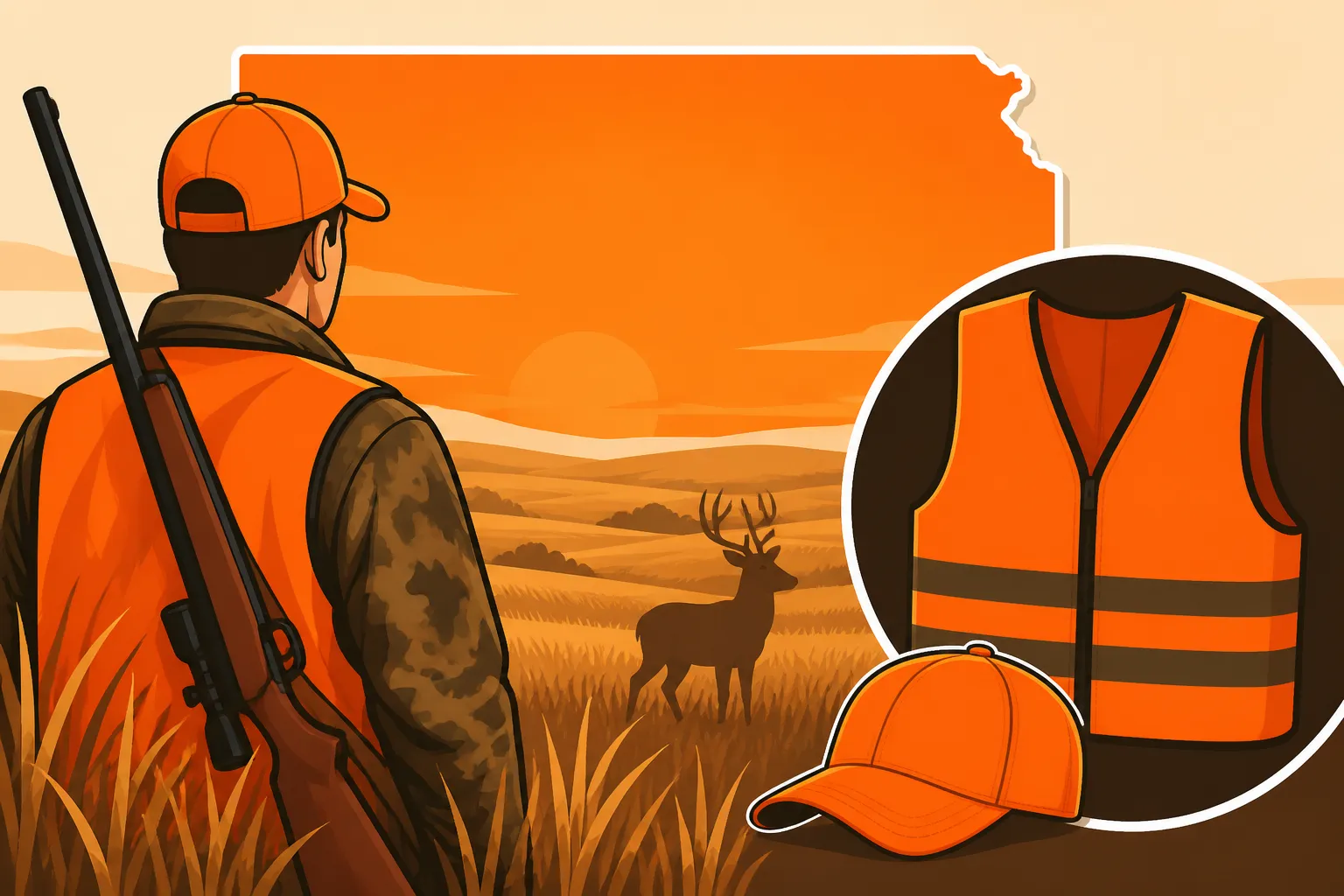
When it comes to firearm hunting for big game in Kansas, hunter orange is generally mandatory. Specifically, during any firearm deer season, including the popular Kansas Firearm Deer Season in December, as well as Kansas Youth and Disability Deer Season, every hunter afield is required to prominently display hunter orange. The primary goal is maximum visibility from all angles. The Kansas Department of Wildlife and Parks (KDWP) regulations are quite clear on this: you need at least 100 square inches of hunter orange visible from the front and at least 100 square inches visible from the back. This usually means a vest or a coat, and often, a hunter orange hat is a smart addition, though not always explicitly mandated as part of the minimum square inches depending on the specific regulation year. It’s about ensuring that no matter which direction another hunter might be looking, or from what angle you might be approached, you are easily identifiable as a human and not a target. This applies universally across both public and private lands, because safety doesn't recognize property lines.
Specific Garment and Color Standards
So, what exactly counts as "hunter orange"? It's not just any bright orange. The regulations specify a solid fluorescent orange or blaze orange color. This means no camouflage patterns that incorporate orange, unless the orange itself meets the minimum square inch requirements and is truly blaze orange. Think about those vivid, almost glowing orange colors often associated with safety vests on construction sites. That's the kind of visibility we're talking about. Common garments include vests, jackets, and hats. While a hat is a great idea for head-level visibility, make sure your torso is also covered with the required square inches. Some hunters prefer to layer their blaze orange over their other hunting clothes, which is perfectly acceptable and often necessary for Cold Weather Stand Clothing in late seasons. The key is that the orange must be visible and unobstructed. Tucking a vest under a backpack, for instance, would defeat the purpose by blocking visibility from the back. Always ensure your gear is worn on your outermost layer, free from anything that would obscure its bright, life-saving color.
Exceptions and Special Considerations
While hunter orange is a cornerstone of safety for many Kansas hunting seasons, it's important to know when it isn't required. Misunderstanding these nuances can lead to unnecessary discomfort or, conversely, a dangerous lack of visibility when it is needed. Always double-check the current KDWP regulations, as they can sometimes have minor adjustments from year to year. Many hunters use resources like the GoHunt app to keep up-to-date on regulations and unit boundaries, which can be invaluable.
Archery and Muzzleloader Seasons
The primary exception to the hunter orange rule revolves around specific weapon seasons. During Kansas Archery Deer Season Dates, hunters pursuing deer or elk with a bow are generally not required to wear hunter orange. This is largely due to the nature of bowhunting, which often relies on stealth and concealment to get within close range of game. Wearing bright orange would severely hinder a bowhunter's ability to remain undetected. Similarly, during the dedicated Kansas Muzzleloader Deer Season, hunters are typically exempt from wearing hunter orange. Again, the method of hunting with a muzzleloader often involves a more stealthy approach, akin to archery in terms of needing to remain hidden from sharp-eyed whitetails. However, this exception is only for those actively hunting with a bow or muzzleloader during their respective exclusive seasons. If these seasons overlap with a general firearm season, or if you're carrying a firearm for a different species during your muzzleloader hunt, the rules can change, so always confirm.
Turkey and Upland Bird Hunting
When it comes to pursuing other popular game species in Kansas, the hunter orange rules often differ significantly. For Kansas Turkey Hunting Tactics for Spring Gobblers, hunter orange is typically not required. Turkeys have exceptional eyesight, and wearing bright colors would make it virtually impossible to successfully call in a wary gobbler. Most turkey hunters opt for full camouflage, including face masks and gloves, to blend seamlessly into their surroundings. The emphasis for turkey hunting shifts from hunter-to-hunter visibility to hunter-to-game concealment.
The situation for Kansas Upland Bird Hunting Kansas Grass and Milo Edges is a bit more nuanced. While hunter orange isn't usually mandated by law for species like pheasant, quail, or prairie chicken, it is highly recommended and often worn by responsible upland bird hunters, especially when hunting in groups or areas with heavy hunting pressure. Many seasoned bird hunters will wear a blaze orange vest or hat out of common sense safety, even if the regulations don't explicitly demand it. This is particularly true when working with hunting dogs, as it helps differentiate human hunters from dogs or game in thick cover. When you're driving through dense plum thickets or tall CRP grass, even without a firearm season in effect, wearing a patch of bright orange is just smart practice. For waterfowl hunting, such as Waterfowl Hunting Kansas Reservoirs and Playas, hunter orange is generally not required, as duck and goose hunting often involves hiding in blinds or camouflaged setups.
Hunting on Private Versus Public Land
A common misconception among hunters is that the rules change when you step onto private land. In Kansas, the hunter orange requirements for firearm deer seasons are universal, applying equally to both public and private ground. This means if you're hunting deer with a firearm on your own property, leased land, or any of the vast Public Hunting Land in Kansas, you must adhere to the same hunter orange standards. Property boundaries do not negate safety regulations designed to protect all hunters.
However, there can be subtle differences in the type of land. For instance, specific wildlife areas or managed public lands might have additional safety recommendations or rules beyond the state minimums. It's always a good idea to check the specific regulations for the particular property you're hunting, which can often be found on the KDWP website or through mapping applications like GoHunt that often integrate specific land-use rules. While the core hunter orange requirements for firearm deer remain consistent, individual management areas might suggest or require additional safety measures, particularly during special hunts or periods of extremely high use. This ensures a consistent level of safety across all hunting landscapes in the state.
Practical Tips for Staying Compliant and Safe
Meeting the letter of the law when it comes to hunter orange is one thing, but truly embracing the spirit of safety goes a step further. It's not just about avoiding a ticket; it's about making sure everyone, including yourself, comes home safely at the end of the day. A bit of foresight and the right gear can make all the difference.
Choosing the Right Gear
When selecting your hunter orange gear, don't just grab the cheapest vest you can find. Quality matters, especially when it comes to durability and visibility. Look for materials that can withstand the rigors of the field – briars, dirt, and repeated washing. Breathability is also key, especially during warmer early-season firearm hunts, to prevent overheating. Consider vests or jackets with multiple pockets for small essentials. For colder weather, choose an orange vest that can comfortably fit over your bulkiest layers, ensuring it doesn't bunch up or restrict movement. A hunter orange hat is almost always a good idea, as it keeps your head visible above tall grass or brush.
Don't forget that the minimum 100 square inches front and back is just that – a minimum. There's no harm in exceeding it. Some hunters opt for full hunter orange outerwear for maximum visibility. Always try on your gear to ensure it fits well and allows for a full range of motion, especially if you're going to be carrying a firearm or bow. And remember, bright orange can fade over time with sun exposure and washing, so inspect your gear annually for any significant dulling and replace it if necessary to maintain peak visibility.
Common Mistakes to Avoid
One of the most common pitfalls hunters fall into is assuming their regular camouflage with some orange accents meets the requirements. Unless those orange accents add up to the explicit square inch minimums of solid blaze orange, it's often not sufficient. Many camo patterns incorporate muted orange or brown tones, but these typically don't count. Always ensure the orange is bright, unbroken blaze orange. Another mistake is forgetting about the back. Hunters often focus on the front, but equal visibility from the rear is crucial, especially when still-hunting or walking through timber.
Overlooking season dates is another frequent error. Just because it's December doesn't automatically mean hunter orange is required for all hunting. Be precise about the current season for the species you're pursuing and the weapon you're using. Using a reliable source like the KDWP's annual hunting regulations summary or a digital tool like GoHunt for quick reference can prevent these mix-ups. Also, remember that hunter education courses, mandatory for those born after a certain date, thoroughly cover these safety aspects. If you're a new hunter or bringing a youth hunter along (who might benefit from Kansas Hunter Education Age Requirement), these courses are invaluable refreshers.
Beyond the Regulations: Extra Safety Measures
While complying with the rules is paramount, true safety goes beyond ticking boxes. Always practice situational awareness. Know where your hunting partners are, and if you're hunting alone, be acutely aware of your surroundings and any potential movement. Consider using a safety harness when hunting from a treestand, regardless of hunter orange rules. Before your hunt, discuss your plans, routes, and meeting points with your companions.
Another often-overlooked aspect is target identification. Never, ever shoot at sound or movement. Always clearly identify your target and what is beyond it. This fundamental rule, combined with hunter orange, forms the bedrock of safe firearm handling. Carrying a whistle can be a simple, effective tool for signaling if you get separated or need assistance. Finally, consider the weather conditions. Fog, heavy rain, or snow can significantly reduce visibility, even with hunter orange. In such conditions, extra caution is always warranted, and sometimes, the safest decision is to call it a day. Safety isn't just a rule; it's a mindset that helps ensure a successful and memorable hunting experience for everyone.
Here's a quick reference table for Kansas hunter orange requirements:
| Hunting Activity / Season | Hunter Orange Required? | Specifics |
|---|---|---|
| Firearm Deer Season (any) | YES | 100 sq. inches visible front, 100 sq. inches visible back (vest/jacket), often a hat is recommended. |
| Archery Deer Season (exclusive) | NO | Stealth/concealment preferred. |
| Muzzleloader Deer Season (exclusive) | NO | Stealth/concealment preferred. |
| Spring Turkey Hunting | NO | Full camouflage preferred due to turkey's keen eyesight. |
| Fall Turkey Hunting | NO | Full camouflage preferred. |
| Upland Bird Hunting (Pheasant, Quail, Prairie Chicken) | NO (but HIGHLY Recommended) | Not legally required, but wearing a vest/hat is strongly advised for safety, especially in groups or thick cover. |
| Waterfowl Hunting | NO | Camouflage/hiding in blinds. |
| Small Game Hunting (Rabbit, Squirrel) | NO (but Recommended) | Not legally required, but wise to wear in areas where other hunters might be present. |
Disclaimer
The information provided in this article is for general guidance and informational purposes only. While we strive to be accurate, hunting regulations can change frequently. It is the individual hunter's responsibility to consult the most current Kansas Department of Wildlife and Parks (KDWP) official regulations and statutes before engaging in any hunting activities.