Kansas Nonresident Whitetail Permit Price
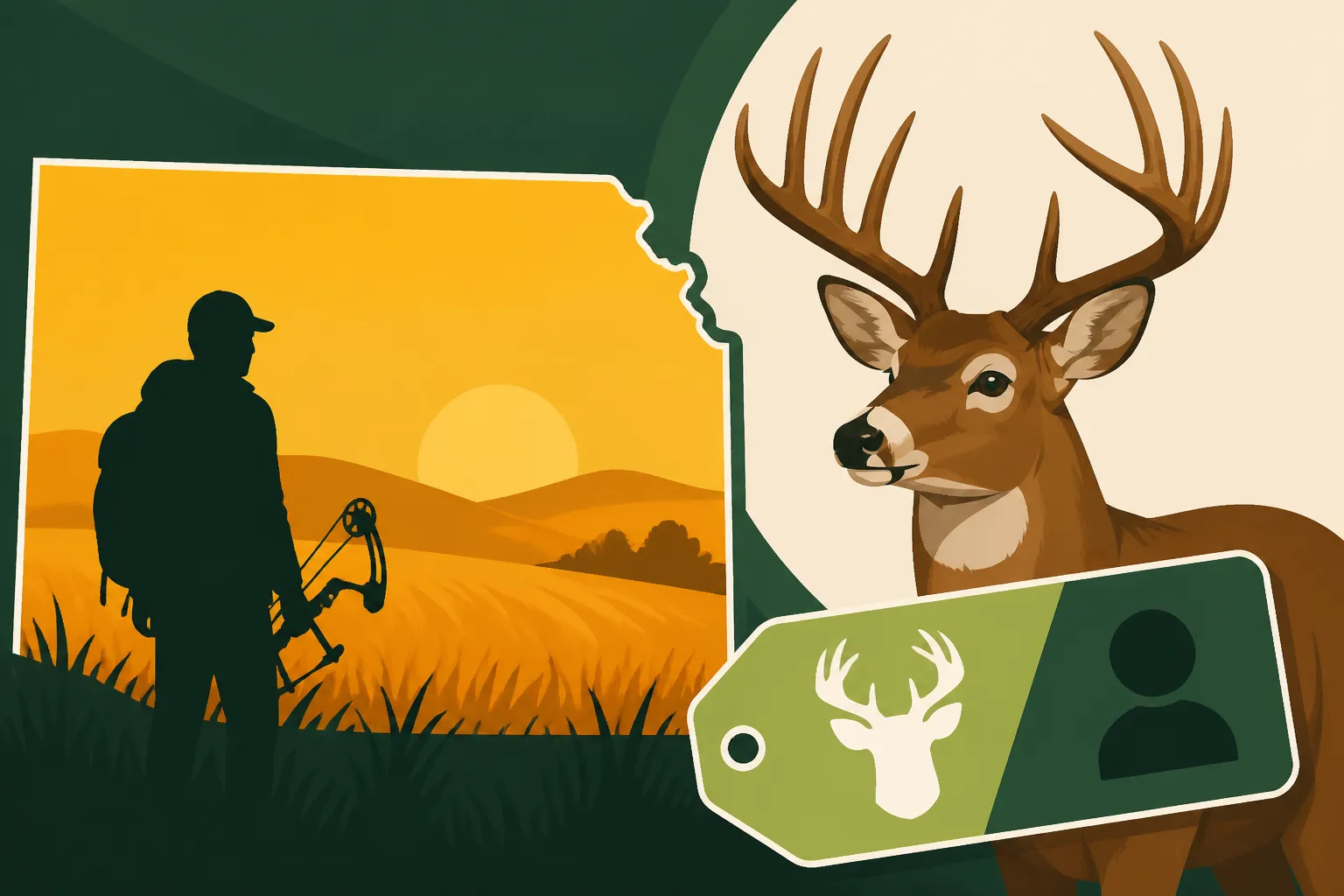
It's no secret that the allure of a big Kansas whitetail can bring hunters from all corners of the country, but the reality for many nonresidents is often a mix of excitement and a good deal of financial apprehension. Figuring out the true cost of hunting in a new state, especially one with a draw system, can feel like navigating a maze of fees, licenses, and permits. This comprehensive guide is here to untangle the numbers, lay out the specific costs for a nonresident whitetail permit in Kansas, and help you budget effectively for your dream hunt.
Understanding the Kansas Nonresident Deer Permit Structure
Before we dive into the exact dollar amounts, it's crucial to grasp the fundamental structure of how Kansas handles nonresident deer permits. Unlike some states where you can simply walk into a store and buy a tag, Kansas operates on a draw system, particularly for antlered whitetail permits for nonresidents. This adds layers of application fees and the strategic consideration of preference points, all impacting your overall financial commitment.
Why Nonresident Permits Differ
Kansas, like many states renowned for their hunting opportunities, has a vested interest in managing its wildlife resources carefully. This often means different rules and, consequently, different pricing structures for residents versus nonresidents. For hunters coming from out of state, the higher fees help offset the costs of wildlife management, conservation programs, and enforcement, while also managing hunting pressure. It's a common practice that, while sometimes frustrating, ensures the sustainability of the excellent hunting opportunities Kansas offers. The state's commitment to providing world-class whitetail hunting is reflected in these regulations, ensuring that the resource remains healthy for years to come.
The "Either-Species/Either-Sex" Permit
For nonresidents pursuing deer in Kansas, the primary permit you'll be applying for is generally an "either-species/either-sex white-tailed deer permit." This means that if you are successful in the draw, your permit will allow you to harvest either a whitetail or a mule deer (if hunting in a unit where mule deer are legal to harvest and you also possess a valid mule deer stamp, if required), and it will be valid for either a buck or a doe. However, it's extremely important to note that mule deer in Kansas are far less common and are almost exclusively found in the western units, often requiring an additional, highly sought-after mule deer stamp. Most nonresident hunters specifically target whitetails, and this permit covers that goal perfectly. This flexibility is a significant advantage, allowing hunters to adapt to conditions and opportunities in the field.
Annual Changes and Staying Updated
One of the biggest frustrations for hunters, especially those planning a trip months or even years in advance, is that regulations and prices aren't set in stone. The Kansas Department of Wildlife and Parks (KDWP) reviews and sometimes adjusts fees and regulations annually. While core permit prices tend to be more stable, smaller fees or specific season dates can shift. This is why it's absolutely vital to always check the official KDWP website or the latest hunting regulations summary each year before applying or planning your hunt. Relying on outdated information can lead to unexpected costs or even invalidating your permit. Websites like GoHunt often compile this information, but always cross-reference with the official source to be absolutely sure. For a comprehensive overview, checking the Kansas Hunting Licence and Permit Costs resource is a must.
Breaking Down the Core Permit Fees
When you decide to pursue a nonresident whitetail in Kansas, you’re not just paying for a "deer tag." There are several components that make up the total fee, each essential for legal hunting. Understanding each part of this financial puzzle is key to accurately budgeting your trip.
The Whitetail Deer Permit Itself
The centerpiece of your Kansas hunting endeavor is the nonresident either-species/either-sex white-tailed deer permit. As of recent seasons, the cost for this permit typically hovers around $442.50. This fee grants you the right to hunt and harvest one deer within your designated unit during the specified season (archery, muzzleloader, or firearm, as declared on your application). It’s a significant investment, but when you consider the quality of hunting and the potential for a trophy animal that Kansas offers, many hunters find it a worthwhile expenditure. This permit is what you're truly hoping to draw after the application period. Make sure to understand the intricacies of Kansas Deer Permits and the Nonresident Draw as you plan your application.
Mandatory Nonresident Hunting License
Beyond the deer permit itself, every nonresident hunter in Kansas must possess a valid annual hunting license. This isn't just for deer; it's a general license required for hunting any game species in the state. The nonresident annual hunting license typically costs around $97.50. This license is a foundational requirement, and without it, even a valid deer permit is useless. Think of it as your entry ticket into the Kansas hunting landscape. It's separate from your deer permit and must be purchased in addition to the deer tag. Remember that this license covers a full year, so if you decide to hunt other species or return for a second hunt in the same license year, you won't need to repurchase this specific item. For more details on this, you can refer to the Kansas Nonresident Hunting Licence Price article.
Avoiding Hidden Costs
While the permit and license are the two main expenses, it's easy for smaller fees to accumulate and catch you off guard. Beyond the obvious, consider potential costs for federal duck stamps if you plan to combine deer hunting with waterfowl, or even an archery stamp if you are hunting during the archery season and did not specify it on your primary permit application. However, for a straightforward deer hunt, the main components are usually the deer permit and the hunting license. Always scrutinize the KDWP regulations for any specific stamps or endorsements related to your chosen weapon or species, though for a standard whitetail-only hunt with an "either-species/either-sex" permit, these are generally covered. The key is thorough research, leaving no stone unturned when it comes to understanding all the requirements.
Navigating the Application Process and Associated Costs
Getting a nonresident whitetail permit in Kansas isn't as simple as purchasing it over the counter; it involves navigating a draw system. This process introduces its own set of unique financial considerations, primarily the application fee and the option to purchase preference points.
The Non-Refundable Application Fee
Every time a nonresident hunter applies for a deer permit in Kansas, there's a non-refundable application fee. This fee, typically around $27.50, is charged regardless of whether you successfully draw a permit or not. It covers the administrative costs of processing your application, managing the draw, and maintaining the system. Many hunters find this frustrating, as it feels like paying for the chance to pay more. However, it's a standard practice in draw states. Even if you choose to simply buy a preference point instead of applying for a permit, this fee will likely still apply. It's a small but unavoidable part of the financial commitment, and it's important to factor it into your budget, especially if you anticipate applying multiple years before drawing. You can find more information about how this fee operates in Kansas Application Fee and Refund Rules.
Preference Points: Investing in Future Hunts
Kansas offers a preference point system for nonresident deer hunters, which can be a valuable tool for those committed to hunting the state. A preference point essentially gives you an advantage in future draws, increasing your odds each year you accumulate one. The cost to purchase a single preference point is also typically around $27.50, in addition to the application fee. If you apply for a permit and are unsuccessful, you will automatically be awarded a preference point. Alternatively, if you know you can't hunt this year but want to build points for the future, you can choose to apply for a preference point only. This is a strategic investment; while it adds to your annual outlay, it significantly improves your chances of drawing a coveted permit in prime units down the line. Many hunters use this system as a long-term strategy, building points for several years with tools like GoHunt to estimate draw odds for specific units before applying for a permit. For a detailed breakdown, check out Kansas Preference Point Price.
The Draw System and Financial Implications
The entire draw system in Kansas, while necessary, carries significant financial implications. If you are applying for a permit, you will be charged the full permit fee ($442.50) at the time of application, in addition to the hunting license ($97.50) and application fee ($27.50). If you are not drawn, Kansas will refund the permit fee and the hunting license fee, but not the application fee. This means your money is tied up for several months during the application and draw period. This can be a substantial amount, so ensure your finances are prepared for this temporary hold. For those who choose to only purchase a preference point, only the preference point fee and the application fee are charged. Understanding How to Apply for a Kansas Nonresident Deer Permit and When Kansas Deer Applications Open are critical steps to navigate this process successfully. Being fully aware of the financial commitment and the potential for a refund (minus the application fee) is essential for effective planning.
Total Financial Picture: Beyond Just the Permit
While the permit and license fees are the upfront and non-negotiable costs, a nonresident hunt in Kansas involves many other expenses that can quickly add up. Overlooking these can lead to significant budget overruns and unexpected stress during your trip.
Travel, Lodging, and Other Essentials
Getting to Kansas is often the first major expense after securing your permit. If you're driving, factor in fuel costs for potentially hundreds or even thousands of miles. If flying, consider airfare to one of Kansas's larger airports like Kansas City International (MCI) or Wichita Dwight D. Eisenhower (ICT), plus the cost of a rental car, especially if you need a truck for hauling gear and possibly a deer.
Lodging is another considerable variable. Do you plan to camp on public land or a state park, or will you opt for hotels, motels, or Airbnbs in nearby towns? Hotel rates in rural Kansas towns can vary widely depending on the season and local demand. For a typical 5-7 day hunt, this can easily add hundreds of dollars to your budget. Remember to factor in food expenses as well. Will you cook your own meals to save money, or will you be eating out? These "soft" costs, while not permit-related, are essential to your overall hunt budget. Understanding the local area, especially which Kansas Deer Units and What Each Holds can help you determine the closest towns and accommodation options.
Gear, Supplies, and Unexpected Expenses
A deer hunt requires more than just a permit and a weapon. Consider the cost of specialized hunting apparel suitable for Kansas's often unpredictable weather, from warm September bows to frigid December firearm seasons. You might need new boots, rain gear, or layered clothing. Ammunition or broadheads are essential consumables. Don't forget field dressing supplies, coolers for meat transport, and processing costs if you don't do it yourself.
Beyond the essentials, there are always unexpected expenses. A flat tire on a gravel road, an unforeseen equipment malfunction, or even just needing extra ice for your coolers can all chip away at your budget. It's always wise to build a contingency fund into your overall hunt budget, perhaps 10-15% extra, to cover these unforeseen circumstances. For those tracking their hunt planning, online tools like GoHunt's Insider platform often help budget and track these varied expenses, providing a clearer overall financial picture.
Planning Your Kansas Hunt Budget
Creating a comprehensive budget is your best defense against financial surprises. Start with the fixed costs: the permit, the hunting license, and the application fee. Then, meticulously estimate travel costs (fuel/airfare, rental car), lodging, and food. Next, factor in gear and supplies, making a list of what you already own and what you need to purchase or replenish.
Here’s a simplified breakdown to illustrate typical nonresident costs:
| Expense Category | Estimated Cost Range (Nonresident) | Notes |
|---|---|---|
| Deer Permit (Either-Species/Either-Sex) | ~$442.50 | Required if drawn; charged upon application. |
| Annual Hunting License | ~$97.50 | Mandatory for all nonresident hunters. |
| Application Fee | ~$27.50 | Non-refundable, paid each year you apply. |
| Preference Point (Optional) | ~$27.50 | Paid if applying for point only or if unsuccessful in draw. |
| Fuel/Travel | $300 – $1,000+ | Varies significantly by distance and vehicle MPG. |
| Lodging (5-7 nights) | $350 – $1,000+ | Varies by type (camping vs. hotel/Airbnb) and location. |
| Food & Drink (5-7 days) | $150 – $400 | Varies by cooking yourself vs. eating out. |
| Gear/Supplies | $50 – $300+ | Ammunition, broadheads, field dressing, unforeseen small purchases. |
| Meat Processing/Coolers | $100 – $250+ | If not processing yourself, includes ice. |
| Total Estimated Low-End | ~$1,500 | Barebones, conservative estimate for a successful draw. |
| Total Estimated High-End | ~$3,500+ | More comfortable lodging, longer trip, potential gear upgrades. |
This table provides a snapshot, but your individual costs will certainly vary. Planning is essential, and considering all these factors helps you develop a realistic budget for your Kansas hunting adventure. Don't forget to consider the specific Kansas Deer Season Dates by Weapon that might influence travel and lodging availability.
Disclaimer
Please note that all prices and regulations mentioned in this guide are based on recent information and are subject to change by the Kansas Department of Wildlife and Parks. Hunters are always responsible for verifying the most current regulations and fees directly on the official KDWP website before applying or hunting. This guide is for informational purposes only and does not constitute legal or financial advice.