Changing Weapon Choice on a Kansas Permit
We've all been there: you meticulously fill out your Kansas deer permit application, double-checking every detail, only to have your hunting plans shift unexpectedly after you've submitted it. Maybe a buddy got a new muzzleloader you want to try, or your work schedule suddenly aligns better with the firearm season instead of archery. The burning question becomes, can you change your weapon choice on a Kansas deer permit once it's already in the system, or worse, after you've drawn it? This guide is here to shed light on the strict realities of Kansas's permit system and help you navigate these often frustrating waters.
The Strict Reality: Your Initial Kansas Weapon Choice is Binding
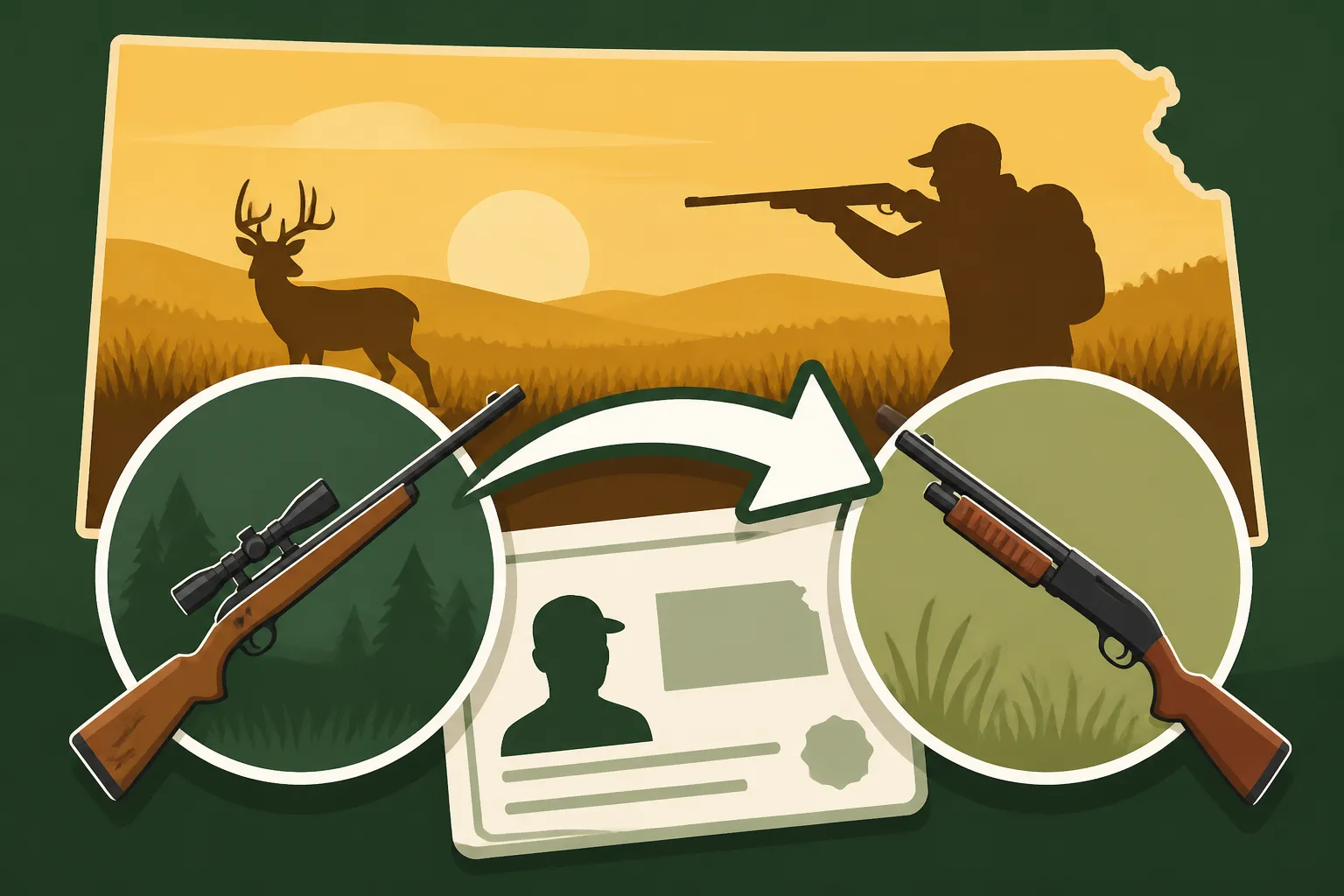
Let's cut right to the chase: Kansas's deer permit system is designed with a high degree of finality once your application is submitted and certainly once a permit is issued. Unlike some other states where you might have a little wiggle room or a post-draw conversion option, Kansas generally locks in your weapon choice early in the process. This isn't meant to be difficult; it's simply how the system manages quotas and ensures fairness in the draw for various hunting methods.
Why Kansas Regulations Make Weapon Choices Firm
The Kansas Department of Wildlife, Parks and Tourism (KDWP) manages deer populations and hunting pressure through a carefully balanced permit system. Each deer management unit has specific quotas for different weapon types – archery, muzzleloader, and firearm. These quotas are established based on biological data, harvest goals, and historical demand. If hunters could easily switch weapon types after the draw, it would throw these carefully planned quotas into disarray. Imagine if everyone who drew an archery tag suddenly decided they wanted to hunt during the firearm season; it would dramatically over-pressurize the firearm season and potentially lead to an unsustainable harvest.
Because of this, when you apply for your deer permit, whether you're a resident or a nonresident, you are explicitly declaring your intent to hunt with a specific weapon type. This declaration is a fundamental part of the application process. The computer system that runs the draw allocates permits based on these choices, attempting to fulfill as many first-choice applications as possible within the unit-specific weapon quotas. Once the draw is complete and a permit is assigned to you, that permit is inherently tied to the weapon choice you made during the application period. Trying to alter it afterward would be like trying to change your lottery ticket numbers after the winning numbers have already been announced – it's just not how the game works.
The Limited Scenarios Where Your Weapon Type Might Differ
While directly changing the weapon on an issued permit is generally not an option, there are a couple of indirect scenarios where you might end up hunting with a different weapon than your initial primary plan if your draw strategy didn't work out as expected. These aren't "changes" to a successful draw, but rather outcomes of the draw process itself or subsequent opportunities.
The most common scenario involves unsuccessful primary draws. For instance, if you apply for a nonresident either-sex archery permit in a popular unit like Unit 16, and you don't have enough Kansas Preference Points Explained to draw it, your application might then roll over to consider your second choice or be put into a pool for leftover permits. It's during this process that you might find opportunities for a different weapon. Sometimes, leftover permits might be available for specific units or for antlerless-only hunts that permit any legal weapon during certain seasons. This isn't you changing your drawn permit, but rather receiving a different type of permit because your initial, preferred draw was unsuccessful. You would then need to purchase this new permit with its specified weapon and season type. To understand all options, be sure to review the Kansas Deer Season Dates by Weapon each year.
Another less frequent scenario involves "Either-Species, Either-Sex, Either-Weapon" permits. These are generally less common, especially for nonresidents seeking a buck tag. If such a permit were drawn, it offers the broadest flexibility. However, most hunters apply for more specific permits to maximize their chances of drawing a desirable tag. The key takeaway here is that any deviation from your initial weapon choice happens due to the draw results or subsequent sales of leftover permits, not through an amendment to an already assigned, weapon-specific tag.
Understanding the Implications of Your Weapon Declaration
Your weapon choice on a Kansas deer permit application isn't just a minor detail; it's a foundational decision that impacts everything from your draw odds to the specific days you can hunt. Understanding these implications fully before you click "submit" is paramount to a successful Kansas hunt.
What Declaring a Weapon Means for Your Season Opportunities
When you declare "Archery" on your application, you are specifically applying for a permit that allows you to hunt during the Kansas Archery Season Opening Date to Kansas Archery Season Closing Date, which typically runs from mid-September through December, with a break for the firearm season. This offers a very long season, including the early season, the pre-rut, and the bulk of the rut. If you declare "Muzzleloader," you're eyeing the specific Kansas Muzzleloader Deer Season dates, usually a short, concentrated window in September. Similarly, choosing "Firearm" means you're applying for the widely popular Kansas Firearm Deer Season in December, a crucial period for many hunters.
The permit you ultimately draw will dictate which of these distinct seasons you are legally allowed to participate in. For example, if you draw an archery-only either-sex permit, you cannot legally use a rifle or muzzleloader during their respective seasons. You are restricted to archery equipment. This is a critical point that sometimes catches new Kansas hunters off guard. The permit explicitly states the weapon. This is why thorough planning is so important; your weapon choice isn't just a preference, it's a commitment to a specific hunting methodology and timeline.
How Weapon Choices Influence Your Draw Success and Unit Selection
Different weapon types often have vastly different draw odds, especially for nonresidents. Generally, archery permits tend to be easier to draw than firearm permits in many units, simply because the archery season is longer, requires more specialized skills, and offers a more challenging hunt for many. Muzzleloader permits can sometimes fall in between, depending on the unit and year. This means your weapon choice can directly impact whether you draw a coveted tag in your desired unit.
Consider a scenario where you're looking at Kansas Deer Units 1 Through 19 and want to hunt a specific Western Kansas unit known for big bucks. If firearm permits for that unit require several preference points to draw, but archery permits can be drawn with fewer points, your weapon declaration becomes a strategic tool. You might choose archery to increase your immediate chances of drawing a tag in that unit, even if your ultimate preference might lean towards firearm hunting. It's a calculated risk and a trade-off many nonresident hunters consider when trying to get their foot in the door in Kansas.
Furthermore, some specific hunts, like special antlerless opportunities or extended seasons, might be restricted to certain weapons. For instance, you might see "Archery-only Antlerless" periods in January in certain units, or "Firearm Antlerless" during a specific late-season window. Your permit's weapon type directly dictates if you can participate in these specialized hunts, too. Making an informed decision during the Kansas Deer Application Window in April is crucial for setting your entire hunting season up for success. Resources like GoHunt often provide tools and data analysis that can help you understand these draw odds and make a more strategic weapon choice.
Strategies for Making the Right Weapon Choice from the Start
Given the rigid nature of Kansas's permit system regarding weapon changes, the best approach is to make the correct decision upfront. This requires careful consideration of your hunting style, available time, and realistic expectations.
Researching Season Dates and Personal Hunting Goals
Before you even think about applying, sit down and map out your hunting season. Look at the Kansas Deer Season Dates by Weapon for the upcoming year. Ask yourself:
- What are your primary hunting goals? Are you after a trophy buck, or simply looking to fill the freezer with venison? Do you prefer the challenge of bowhunting, or the range and power of a rifle?
- When can you realistically hunt? Do you have vacation time in September for archery or muzzleloader, or are you primarily limited to the firearm season around the holidays? Is your work schedule more conducive to the long, flexible archery season or the short, intense firearm season?
- What equipment do you own and are proficient with? While trying a new weapon can be fun, your permit choice should align with what you can confidently and ethically hunt with. It's not the time to buy a new crossbow and hope for the best on an archery tag if you've never shot one.
- Consider the weather: Early September archery can be hot. Late December firearm season can be brutally cold. Factor in your tolerance and preparation for different weather conditions.
For example, if you primarily have the first two weeks of November off, you'll want to aim for an archery tag, as that puts you squarely in the middle of the When the Kansas Rut Peaks, which is prime time for bowhunters. If your schedule only allows for a few days around Christmas, a firearm permit is likely your only viable option. Don't just apply for what you wish you could do; apply for what you can do, realistically and practically.
Leveraging Planning Tools for Informed Decisions
In today's digital age, there are incredible resources available to help you make these critical decisions. Websites and apps specializing in hunting permit data, like GoHunt, offer detailed analysis of draw odds, harvest statistics, and unit breakdowns for different weapon types. They can show you how many points it actually took to draw an archery tag versus a firearm tag in a given unit over the past few years. This kind of data is invaluable.
Here's how you can use these tools:
- Analyze Draw Odds: Look at the historical success rates for archery, muzzleloader, and firearm tags in your chosen unit. This will give you a clear picture of How Many Points to Draw a Kansas Unit you might need for each weapon. If a firearm tag requires 5 points but an archery tag is a 1-point draw, that's a significant factor if you're a nonresident.
- Study Harvest Data: Some platforms provide harvest data broken down by weapon type. This can show you the success rates hunters have with each weapon, which might influence your confidence in choosing a particular method.
- Unit-Specific Information: Beyond just draw odds, these tools can offer insights into the terrain, habitat, and public land availability for specific units. For instance, if you're planning on Public Land Deer Hunting in Kansas, an archery tag might give you more flexibility to move and adapt to pressure compared to the more confined nature of a firearm hunt.
- Digital Scouting: Combine your permit planning with E-Scouting Kansas Farm Country From Home. Use satellite imagery to identify potential hunting spots for each weapon type. Do you see dense timber for close-range archery shots, or wide-open fields where a rifle would be more appropriate? This can help solidify your weapon choice based on the actual hunting conditions you anticipate.
By combining your personal hunting goals with hard data from reliable sources, you can make a highly informed weapon choice that maximizes your chances of drawing a permit and having a successful hunt.
What to Do If Your Hunting Plans Change After Applying
Even with the best intentions and meticulous planning, sometimes life just throws a curveball. A job change, a family emergency, or an unexpected injury might make your chosen weapon or season impossible. So, what are your options if your permit's weapon choice no longer suits your reality?
Exploring Options When a Permit's Weapon No Longer Suits
Let's be blunt: if you've already drawn a specific weapon permit, your options for changing the weapon on that permit are practically zero. Kansas regulations do not typically allow for a direct conversion or amendment to an issued permit's weapon type. This means if you drew an archery tag but now can only hunt during the December firearm season, you're in a tough spot.
However, there might be a few indirect avenues, though none involve changing the weapon on your existing permit:
- Look for Leftover Permits: If your original permit no longer works, you might be able to purchase a leftover permit for a different season or weapon, assuming any are available. These are usually antlerless-only or for specific units with lower demand. You would still be bound by the rules of this new permit. Keep an eye on the KDWP website after the main draw results are announced; they typically list available leftover permits.
- Purchase an Antlerless-Only Permit: Kansas offers antlerless-only permits that often have a "any legal weapon" option during their designated seasons, or are specific to archery or firearm. If your primary goal is just to harvest venison and your original permit is now unusable, an antlerless-only tag could be a viable alternative. Check the specific regulations for these permits, as they often have unit and season restrictions.
- Hunter Education and Apprentice Licenses: If your ability to hunt with a certain weapon is due to a lack of certification (e.g., you can't hunt with a firearm because you haven't taken hunter education), it might be too late to rectify that for the current season. However, Kansas does have an Kansas Apprentice Hunting Licence program which allows uncertified hunters to hunt under the supervision of an experienced hunter. This could be a consideration for future seasons.
It’s crucial to understand that none of these options alter your original drawn permit. They are separate hunting opportunities you might pursue if your initial plans fall through. For specific financial implications, review the Kansas Application Fee and Refund Rules to understand if any partial refunds are possible if you opt not to use your drawn tag (though this is rarely the case once drawn).
The Unfortunate Truth About Selling or Transferring Permits
In most states, including Kansas, hunting permits are issued to a specific individual and are generally non-transferable and non-refundable once issued. You cannot sell your Kansas deer permit to another hunter, nor can you transfer it to a family member or friend. Doing so would be a serious violation of hunting regulations and could result in significant fines, loss of hunting privileges, and other legal consequences.
This strict policy is in place to prevent commercialization of permits, maintain fairness in the draw system, and ensure that tags are used by the individuals they were allocated to. While it might feel frustrating if you have a drawn tag you can no longer use, these rules are a cornerstone of ethical and regulated hunting.
So, if you draw a permit and your plans change such that you cannot use it, unfortunately, you will likely forfeit that permit for the season. You won't get a refund for the permit cost or your application fee. This reinforces the primary message: put in the effort upfront to make the most informed weapon choice possible, because once that permit is in your name, it's largely set in stone for that specific weapon and season.
| Weapon Choice | Season Dates (General) | Draw Difficulty (Nonresident) | Flexibility for Change | Primary Use Case |
|---|---|---|---|---|
| Archery | Mid-Sept to Dec 31 (excl. firearm season) | Easier (often 0-1 point) | Virtually None | Long season, rut, challenging |
| Muzzleloader | Mid-Sept (short window) | Moderate (varies by unit) | Virtually None | Early season, specific dates |
| Firearm | Early Dec (short window) | Hardest (often multiple points) | Virtually None | Popular, high success rate |
| Antlerless | Varies, often extended seasons | Easier, sometimes OTC | Limited (check specific permit) | Meat harvest, population control |
Disclaimer
Please note: Hunting regulations are subject to change. Always consult the most current Kansas Department of Wildlife, Parks and Tourism (KDWP) hunting regulations manual or their official website before applying for permits or engaging in any hunting activities. This guide provides general information and does not supersede official state regulations.