Kansas Elk Unit 3 Over-the-Counter Permits
For many hunters, the dream of chasing elk usually conjures images of the Rockies or the vast landscapes of the Pacific Northwest. The idea of Kansas elk hunting, let alone securing a permit without battling a fierce draw, often sounds like a tall tale. However, the reality for Kansas residents holds a unique, often overlooked opportunity in specific areas. This guide will walk you through the specifics of Kansas Elk Unit 3 and how eligible hunters can obtain an over-the-counter permit, offering a realistic look at what it takes to pursue elk in the Sunflower State.
Understanding Kansas Elk Permit Opportunities
Hunting elk in Kansas is a truly special, almost mythical pursuit for most, primarily because the opportunities are incredibly limited. Unlike deer or turkey, the elk herd is small and tightly managed, making any chance to hunt them highly sought after. Most of the permits in Kansas are allocated through a very restrictive draw, designed to manage the population and provide unique experiences.
The Rarity of Kansas Elk Opportunities
Let's be honest, when most people think of Kansas, they think of whitetail deer, pheasants, and vast open plains. Elk are simply not on the radar for many, and for good reason. The state's elk population is concentrated in a few specific areas, notably around the Fort Riley military installation, which holds the largest and most consistently hunted herd. Beyond Fort Riley, smaller, free-ranging herds exist but are far less predictable. The Kansas Department of Wildlife and Parks (KDWP) issues a very limited number of permits annually, reflecting the small size of the herd and the challenge of managing them in a largely agricultural landscape. If you've been frustrated by the seemingly impossible odds of drawing a coveted western elk tag, Kansas presents a different kind of challenge and a different kind of opportunity, albeit still rare. Understanding the overall landscape of Kansas Elk Permits and Fort Riley Hunts is crucial before diving into Unit 3 specifics.
Draw Hunts Versus Over-the-Counter Options
When it comes to Kansas elk, there are essentially two paths to a permit: the draw and over-the-counter (OTC). The vast majority of permits, especially those for larger bull elk, are allocated through a lottery draw system. These draw permits are highly competitive, even for residents, and often require preference points accumulated over several years. They typically target the Fort Riley herd, offering a unique hunt experience within military boundaries.
However, a very specific and limited over-the-counter opportunity exists, and this is where Unit 3 comes into play. OTC permits bypass the draw system entirely, allowing eligible individuals to purchase a permit directly. This sounds fantastic, but it comes with significant caveats, which we'll delve into shortly. It's not a free-for-all; rather, it's a specific permit designed for a very particular demographic and geographic area.
Kansas Elk Unit Boundaries
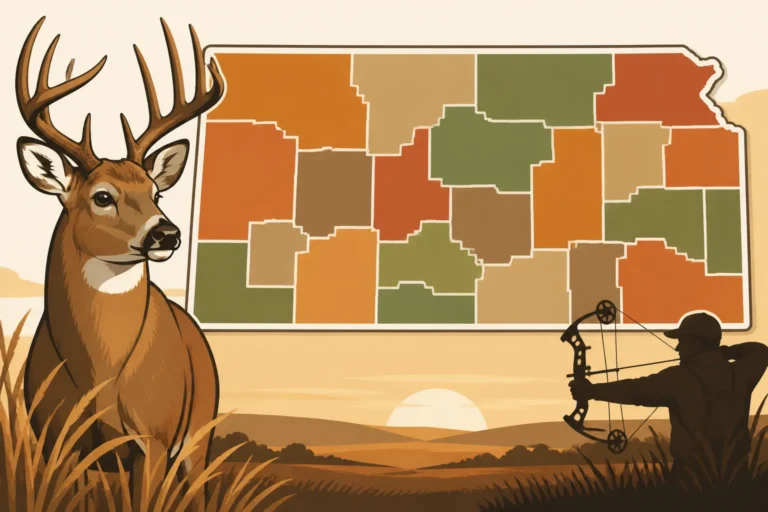
Kansas is divided into three elk management units: Units 1, 2, and 3.
- Unit 1: This unit encompasses the Fort Riley Military Reservation. Hunting here is restricted to active duty military personnel and other specific individuals drawn in a special lottery. It's essentially a controlled hunt within the base.
- Unit 2: This unit covers most of western Kansas, where a small, free-ranging herd exists. Permits for Unit 2 are incredibly rare and highly sought after, allocated through the regular draw, and success rates can be very low due to the sparse, spread-out nature of the elk.
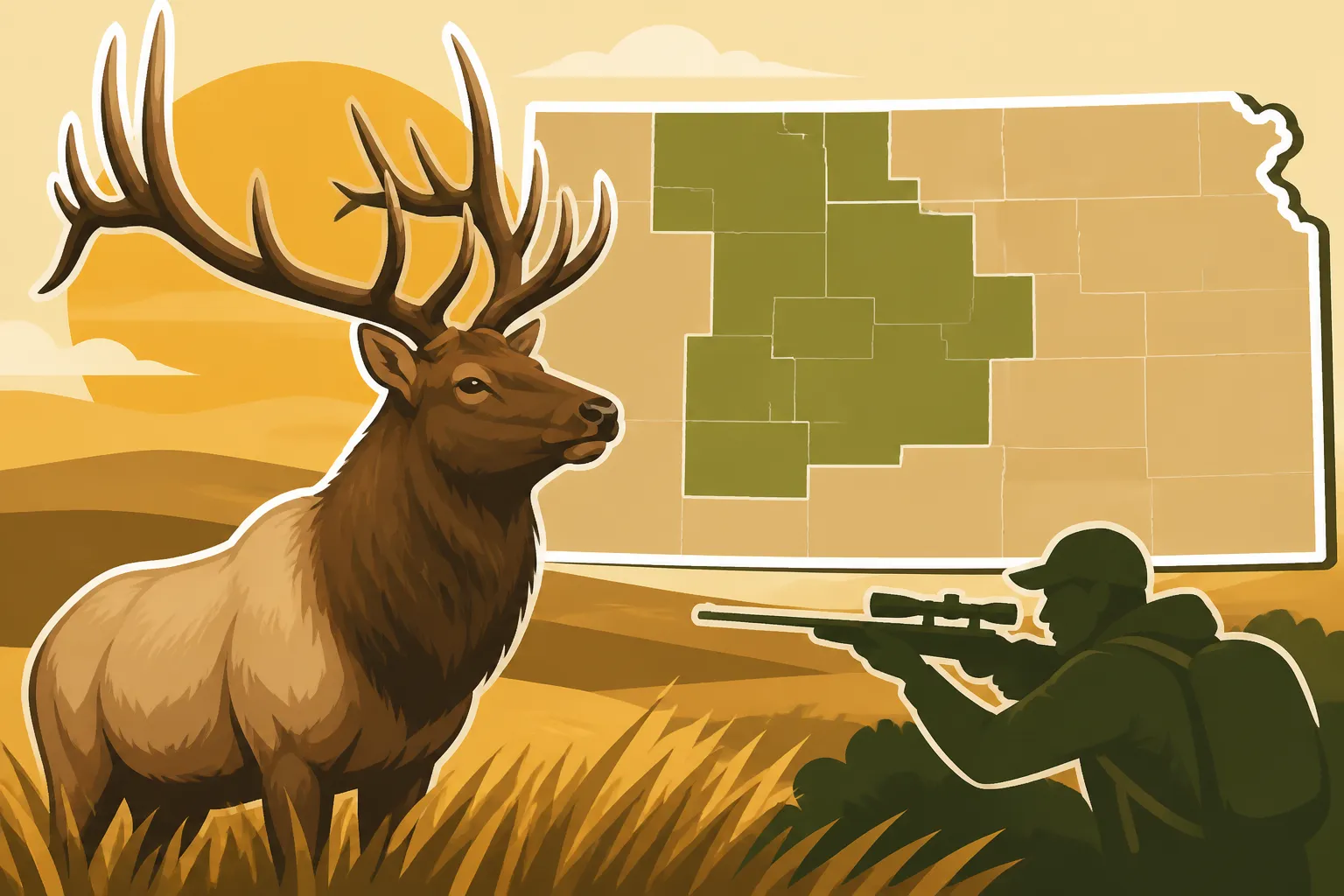
- Unit 3: This is the unit we're focusing on for over-the-counter permits. Unit 3 is composed of all counties in Kansas except those designated for Units 1 and 2. Essentially, if an area isn't Fort Riley or the western-most counties, it falls into Unit 3. The key here is understanding that while the unit covers a large portion of the state, the huntable elk within it are extremely isolated and often problematic. The Kansas Elk Unit Boundaries are clearly defined by the KDWP, and knowing these is your first step.
Focusing on Unit 3: Over-the-Counter Elk Hunting
Now, let's get down to the nitty-gritty of Unit 3 and its unique over-the-counter permit structure. This isn't a typical "walk into any store and buy one" scenario like a fishing license. There are very specific conditions that must be met.
Defining Over-the-Counter in Unit 3
When KDWP refers to over-the-counter elk permits for Unit 3, they are specifically referring to permits that can be purchased directly by eligible residents without going through the competitive draw system. However, these are not designed to provide a general elk hunting opportunity across the entire Unit 3. Instead, these permits are almost exclusively tied to situations where elk have wandered onto private agricultural land and are causing damage or creating a public safety concern. Think of it less as a recreational hunt and more as a problem-animal management tool. This is a critical distinction that many new to Kansas elk hunting often misunderstand. If you're looking for an expansive wilderness hunt, Unit 3 OTC permits are likely not what you're imagining. GoHunt subscribers familiar with western states' OTC options might find this system quite different.
Who Qualifies for These Permits
The qualifications for a Unit 3 over-the-counter elk permit are very specific and narrow, designed to prioritize Kansas residents and address agricultural concerns.
- Kansas Residency: First and foremost, you must be a Kansas resident. Non-residents are not eligible for any over-the-counter elk permits in Kansas. This immediately narrows the field significantly.
- Landowner Permission or Specific Damage Permits: This is the most crucial aspect. These OTC permits are primarily intended for individuals (often landowners or those with explicit landowner permission) who are dealing with elk depredation on agricultural crops or property. The KDWP typically issues these permits on a case-by-case basis when an elk herd has moved outside its traditional range (like from Fort Riley) and is causing significant damage to private property. Sometimes, the KDWP will even designate specific individuals to take an elk to alleviate a problem. It's not about randomly showing up in Unit 3; it's about being in the right place at the right time with the explicit need to manage a specific problem animal or herd. Without verifiable damage or KDWP directive, simply wanting to hunt in Unit 3 with an OTC permit is usually not an option.
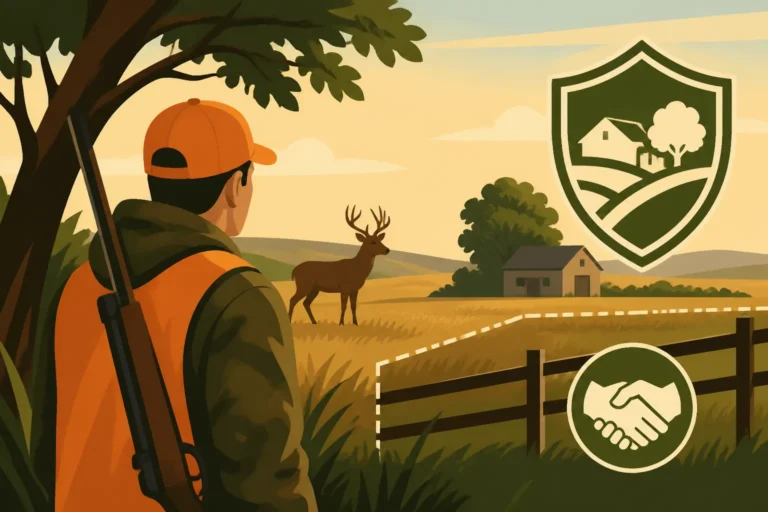
It's a system designed to protect farmers and ranchers first, and provide a hunting opportunity second. Therefore, cultivating relationships with landowners in potential elk corridors (often river bottoms or areas bordering military lands) is paramount.
Season Dates and Weapon Choices for Unit 3
The season dates for Unit 3 over-the-counter elk permits are generally quite flexible, often extending for several months, typically from early December through the end of March. This extended season reflects the problem-animal management nature of the permit – giving hunters ample time to address the depredation issue when elk are present.
Key Season Information for Unit 3 Over-the-Counter Elk:
| Permit Type | Eligibility | Season Dates (Typical) | Weapon Choices | Notes |
|---|---|---|---|---|
| Unit 3 OTC (Antlerless) | Kansas Resident, specific need | Dec 1 – Mar 31 (approx.) | Archery, Muzzleloader, Firearm | Primarily for problem elk, often antlerless only |
- Weapon Choices: For Unit 3 OTC permits, hunters generally have a wide range of weapon choices, including archery equipment, muzzleloaders, and firearms. This flexibility ensures that the individual tasked with taking the elk has the best chance to do so efficiently and safely, given the varied situations they might encounter on agricultural land.
- Antlerless Only Focus: It's important to note that many, if not most, of these Unit 3 OTC permits are for antlerless elk. The goal is to reduce herd numbers and alleviate damage, not necessarily to pursue trophy bulls. While a bull might occasionally be part of a damage control scenario, the primary focus is on cow elk. For detailed yearly updates on specific Kansas Elk Season Dates and weapon legality, always consult the current KDWP regulations.
Practical Considerations for Hunting Elk in Unit 3
Even with an over-the-counter permit, hunting elk in Unit 3 presents significant challenges. This isn't your typical western elk experience where you might hike for miles into national forest land.
Public Land Access Challenges
Kansas is predominantly private land, and finding public land that holds elk outside of Fort Riley or the sparse western herds is incredibly difficult. For Unit 3, where these OTC permits are most likely to be utilized for damage control, the elk are almost exclusively found on private agricultural properties. This means that access is the biggest hurdle. You can't just expect to show up on a Kansas State Wildlife Areas or Corps of Engineers property and find elk. You need to have pre-existing relationships or actively seek permission from landowners where elk have been spotted causing trouble.
This often involves:
- Networking: Talking to farmers, ranchers, and rural residents in areas bordering Fort Riley or where smaller, free-ranging herds have been reported.
- Being Prepared: If you do find a landowner with an elk problem, be ready to act quickly once a permit is secured. Elk can move on rapidly.
- Respecting Property: Remember, you are a guest. Adhering to all rules, being discreet, and minimizing impact are critical to maintaining future opportunities.
GoHunt maps or similar mapping apps can help identify landowners, but nothing beats old-fashioned door-knocking and relationship building.
Scouting Strategies and Expectations
Scouting for elk in Unit 3 is vastly different from scouting for deer or even turkeys. Given their sporadic presence and the focus on damage control, traditional preseason scouting might not be as effective. Instead, it becomes more about real-time intelligence and opportunistic hunting.
- Focus on Corridors: Elk that wander into Unit 3 often do so from established herds, typically from Fort Riley, or they are part of small, isolated groups. They tend to follow river bottoms, creek draws, and dense timber blocks that offer cover and water. Learning to effectively read a Kansas Creek Bottom for Deer Sign can also translate to identifying travel corridors for elk.
- Damage Assessment: The "scouting" often involves understanding where elk are currently causing damage to crops (corn, alfalfa, wheat) or breaking fences. This intelligence usually comes from the landowner themselves or local KDWP staff.
- Mobile and Flexible: Since elk can be here today and gone tomorrow, a highly mobile and flexible hunting approach is key. You might not have the luxury of setting up a treestand for days. It might be a quick, reactive hunt to a fresh sighting.
- Realistic Expectations: Do not expect to find large herds of elk roaming freely. These are typically small groups, often single animals, or a cow with a calf or two. The goal is problem abatement, not necessarily a trophy hunt. While a lucky hunter might tag a respectable bull, most Unit 3 OTC permits are for antlerless animals, making the experience more about the unique opportunity to hunt elk in Kansas than about antler size.
Hunting Tactics for Kansas Elk
Hunting elk in Unit 3 will likely require a blend of deer hunting tactics with an elk mindset. Given the often flat, open nature of much of Kansas, long-range shooting opportunities might present themselves, or tight timber encounters if elk are holed up.
- Stalking and Spot-and-Stalk: If you locate elk on private land, careful stalking will be crucial. Utilizing topography, ditches, and any available cover to close the distance without spooking them is paramount. For hunters accustomed to Hunting Terrain Funnels in Flat Country, applying similar principles to elk movement can be effective.
- Ambush Points: If elk are consistently hitting a specific food source or using a particular travel route, setting up an ambush point can be effective. This might be a ground blind or even a carefully placed treestand, but it's often a reactive setup rather than a long-term plan.
- Patience and Persistence: These elk are often skittish due to human proximity or past encounters. Patience is a virtue, and being persistent in monitoring their movements is critical.
- Ethical Shot Placement: Regardless of the weapon, always prioritize an ethical shot. Elk are tough animals, and good shot placement is essential for a quick, humane harvest. If you're using a rifle, ensure you're sighted in for distances you might encounter. If bowhunting, practice at various ranges and angles. Don't forget to practice your Shot Placement on a Whitetail at Twenty Yards, as similar principles apply to elk vitals.
Navigating the Application and Purchase Process
Securing a Unit 3 over-the-counter permit is a specific process that deviates from the standard draw system. It requires direct interaction with the KDWP and often hinges on verified damage reports.
When and Where to Buy Your Permit
Unlike standard hunting licenses which can be purchased online or at retailers anytime, Unit 3 OTC elk permits are not typically available for general purchase. Their availability is contingent upon KDWP identifying a problem elk situation.
- KDWP Intervention: The process usually starts with a landowner reporting elk damage to the KDWP. A KDWP game warden or wildlife biologist will then investigate the complaint.
- Permit Issuance: If KDWP determines that an elk is causing damage or poses a threat, they may then issue a special permit. This permit might be offered to the affected landowner, or the KDWP might designate an individual to harvest the animal. In some cases, if multiple elk are involved, a limited number of permits might be made available to Kansas residents for purchase through the KDWP licensing system or a designated regional office.
- Stay Informed: Your best bet is to stay in close communication with local KDWP offices in areas where elk are known to occasionally stray (e.g., counties adjacent to Fort Riley or areas with historical free-ranging elk sightings). Regularly check the KDWP website for any special announcements or opportunities, though these are typically communicated directly to those involved in damage control.
Required Licenses and Stamps
Before you can even think about an elk permit, you'll need the foundational Kansas hunting licenses.
- Kansas Hunting License: All hunters, regardless of the species they pursue, must possess a valid Kansas Nonresident Hunting Licence Price (or resident equivalent) for the current season. This is your base credential.
- Hunter Education: If you were born on or after July 1, 1957, you must have successfully completed a KDWP-approved hunter education course to hunt in Kansas.
- Big Game Permit: The Unit 3 OTC permit itself acts as your specific big game tag for elk. There are no additional elk stamps required beyond this specific permit.
- HIP Registration (Optional for Elk): While HIP (Harvest Information Program) registration is required for migratory birds, it is not necessary for elk.
- Federal Duck Stamp (Not for Elk): Similarly, a federal duck stamp is only required for waterfowl hunting, not for elk.
Always double-check the current KDWP regulations for the most up-to-date requirements. The Kansas Regulation Summary Release Date is typically in the spring, and reviewing it yearly is crucial.
Post-Harvest Reporting Requirements
After the incredible experience of harvesting a Kansas elk, your responsibility isn't over. Proper reporting is critical for wildlife management.
- Immediate Tagging: Upon harvesting an elk, you must immediately tag the animal with your permit. Follow all instructions on the tag precisely, including species, date, and time of harvest.
- Electronic Check-In: Kansas utilizes an electronic check-in system for big game animals. You will need to report your harvest online via the KDWP website or through the "Go Outdoors Kansas" mobile app within a specific timeframe (usually 24-48 hours). This system collects vital data on harvest location, date, sex, and age of the animal, all of which are crucial for KDWP to monitor the small elk population. This process is similar to Kansas Electronic Deer Check-In.
- Carcass Transportation: Be aware of any specific carcass transportation rules, especially regarding Chronic Wasting Disease (CWD). While CWD in elk is less prevalent than in deer in Kansas, proper carcass handling and transport are essential to prevent the potential spread of diseases. Always consult the latest KDWP CWD regulations before transporting any cervid carcass across county or state lines.
- Biological Samples: In some instances, KDWP may request biological samples (e.g., lymph nodes for CWD testing). Cooperating with these requests is vital for the health of the state's wildlife.
Disclaimer
All information provided in this guide is for informational purposes only. Hunting regulations, season dates, and permit requirements are subject to change by the Kansas Department of Wildlife and Parks (KDWP). Hunters are solely responsible for reviewing and complying with all current KDWP laws, regulations, and permit conditions before engaging in any hunting activities. Always confirm specific rules directly with KDWP.