Kansas Upland Bird and Waterfowl Seasons
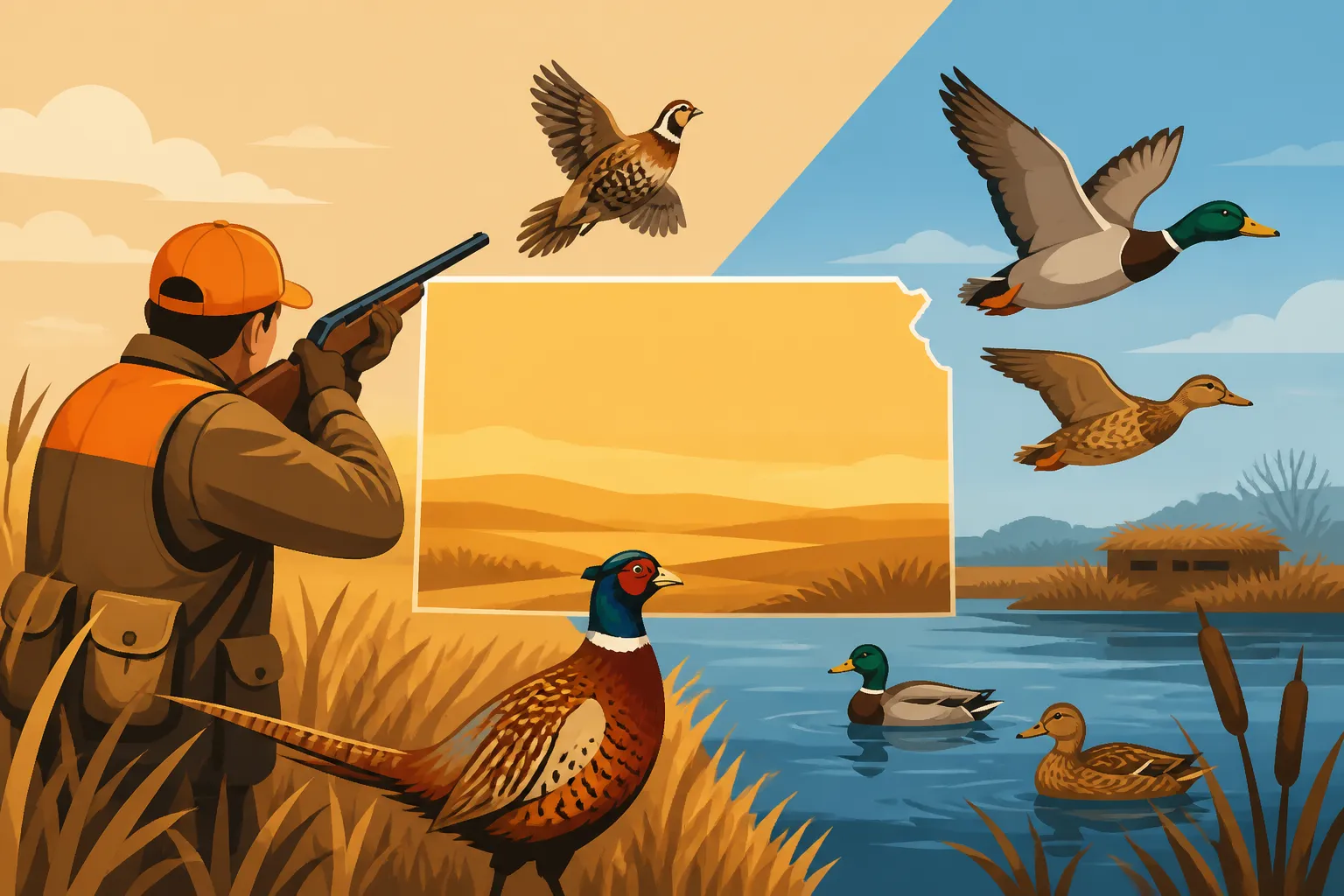
Trying to keep track of all the different hunting seasons in Kansas can feel like you need a full-time administrative assistant, especially when you're juggling dates for upland birds, migratory waterfowl, and everything in between. It's a real headache to plan a hunting trip only to realize a season either hasn't opened yet or, worse, closed last week. The Kansas Department of Wildlife and Parks (KDWP) does its best to publish all the information, but translating those regulations into a clear, actionable plan for your time in the field can be a challenge. This comprehensive guide is designed to cut through the confusion, offering a deep dive into the specific season dates, permits, and regulations you’ll need to understand for a successful upland bird and waterfowl hunting experience in the Sunflower State.
Navigating the Complexities of Kansas Hunting Seasons
Kansas offers an incredible array of hunting opportunities, from the explosive flush of a pheasant to the breathtaking V of geese against a winter sky. But with this abundance comes a labyrinth of season dates, zone distinctions, and permit requirements that can easily overwhelm even seasoned hunters. It’s not just about knowing when you can hunt; it’s about understanding the biological reasons behind these dates and how they impact your hunting strategy.
Why Season Dates Matter So Much
The KDWP doesn't just pull these dates out of a hat. Every season opening and closing, every zone boundary, is carefully considered based on years of data, wildlife biology, and population health. For upland birds, season dates often align with when young birds are mature enough to be robust, and when habitat conditions allow for fair chase. For example, pheasant and quail seasons typically open in early November, after crops have been harvested and the birds have matured, and before the harshest winter weather sets in. This timing also allows for maximum reproductive success in the spring and summer before hunting pressure begins.
For migratory birds like ducks and geese, the science gets even more intricate. Their seasons are often split into multiple segments, and different zones exist across the state to account for varying migration patterns and localized bird populations. Kansas sits right in the heart of the Central Flyway, a superhighway for millions of birds heading south for the winter. These split seasons are a way to offer hunting opportunities during different phases of the migration, maximizing success for hunters while also protecting breeding populations. Missing a season segment by a week can mean missing the peak of the mallard migration, or being too early for the bulk of light geese to arrive. It's crucial not just to know the dates but to appreciate the biological rhythms they represent.
The Role of KDWP in Setting Seasons
The KDWP plays a pivotal role in maintaining healthy game populations and ensuring sustainable hunting opportunities. Their biologists conduct annual surveys, monitor habitat conditions, and track harvest data to make informed decisions. These decisions are then presented to the KDWP Commission, a citizen board appointed by the Governor, for approval. This process allows for public input and ensures that the regulations reflect both scientific principles and the interests of Kansas hunters.
Because KDWP is constantly monitoring environmental factors and bird populations, season dates and regulations aren't always set in stone years in advance. While core upland seasons remain fairly consistent, waterfowl dates can see slight shifts each year due to federal frameworks set by the U.S. Fish and Wildlife Service, which manages migratory bird populations across North America. Hunters often find themselves checking the KDWP website or the annual Kansas Hunting and Trapping Regulations Summary as soon as it's released, usually in late summer, to confirm the exact dates. Ignoring this annual update is a surefire way to end up on the wrong side of a regulation, potentially impacting your hunt or even leading to a citation. It’s also why digital tools that track these dates are so popular, making it easier to stay current.
Understanding Kansas Upland Bird Seasons
Kansas is legendary for its upland bird hunting, drawing enthusiasts from all corners of the country. From the explosive flush of a rooster pheasant to the dizzying rise of a quail covey, the excitement is palpable. But to experience it, you first need to know when and where to go.
Ring-necked Pheasant Season Details
The Kansas pheasant season is a highlight for many hunters. Generally, the season kicks off in early November and runs through late January. This timing is ideal because it allows young pheasants to mature, provides ample time for landowners to complete their crop harvests, and typically coincides with cooler weather that's more comfortable for both hunters and their dogs.
Historically, the best pheasant hunting is found in the western and central parts of the state, where agriculture mixes with CRP (Conservation Reserve Program) grasslands and native cover. Counties like Thomas, Sherman, Wallace, and Cheyenne in the northwest, or Stafford, Barton, and Rush in the central region, are often mentioned when discussing strong pheasant populations. The daily bag limit is usually four roosters, with a possession limit of 16. These limits are designed to allow for a rewarding hunt while ensuring the sustainability of the population. Knowing the specific Kansas pheasant season dates is your first step to planning a successful hunt, and many hunters will start scouting fields and talking to landowners months in advance of the opener.
Bobwhite Quail Season Breakdown
Kansas bobwhite quail hunting offers a completely different, yet equally thrilling, experience. Quail often hold tighter than pheasants, erupting in a blur of wings and calls right at your feet. The quail season typically runs concurrently with pheasant season, also opening in early November and closing in late January. This allows hunters to pursue both species on a single outing, which is a common practice across much of the state.
Quail habitat is different from pheasants; they prefer a mix of shrubby cover, plum thickets, brushy draws, and overgrown fencerows adjacent to crop fields or native grass. Eastern and central Kansas traditionally offer the best quail hunting, with counties like Butler, Greenwood, and Chase in the Flint Hills region, or Republic and Washington further north, often reporting good numbers. The daily bag limit for quail is generally eight birds, with a possession limit of 32. It’s important to understand these specific limits as they are different from pheasants. To really get into quail, you'll want to study the habitat and learn about Quail Coveys in Plum Thickets, as these are often key holding areas.
Greater Prairie Chicken Season Specifics
Hunting greater prairie chickens in Kansas is a truly unique experience, a dive into the state's natural heritage. These magnificent birds inhabit the vast grasslands of the Flint Hills and parts of western Kansas. The season structure for prairie chickens is usually split, with an earlier segment in September or October and a later segment in November and December. This split allows hunters to experience both early-season hunting when birds might be in smaller groups and later-season hunting when they tend to congregate more.
Unlike pheasants and quail, a special permit is required to hunt greater prairie chickens, in addition to your regular hunting license. This permit helps KDWP monitor harvest rates and manage this sensitive population. The daily bag limit is typically two birds, with a possession limit of four. Hunting prairie chickens often involves extensive walking in vast, open grasslands, or strategic setup near their booming grounds (leks) during the season. Understanding the specific Kansas Prairie Chicken Season Segments is paramount, as these dates can sometimes vary slightly from year to year, and the limited permits make it a sought-after opportunity. Many hunters use digital mapping tools like GoHunt to pinpoint suitable grassland tracts, particularly on public lands or Walk-In Hunting Access (WIHA) areas.
Diving into Kansas Waterfowl Seasons
For many Kansas hunters, the allure of the Central Flyway is irresistible. When cold fronts sweep down from the north, ducks and geese fill the skies, offering thrilling hunting experiences. However, keeping up with the varying zones, species-specific dates, and bag limits requires diligent attention.
Duck Seasons and Zone Management
Kansas duck hunting is a complex affair, primarily due to the state being divided into three distinct zones: the High Plains Zone, the Low Plains Early Zone, and the Low Plains Late Zone. Each zone has its own set of opening and closing dates, often with a split season within each zone. This system is designed to provide hunting opportunities as different waves of ducks migrate through the state.
- High Plains Zone: Generally located in the western third of the state. This zone often has an earlier opening, sometimes in late September or early October, with a split, then reopening in November and running into January. It's often where the earliest migrants like teal and pintails can be found.
- Low Plains Early Zone: Covers the northern and eastern parts of the central and eastern Kansas. Season typically opens in late October or early November, often with a mid-season closure, and then reopens into January.
- Low Plains Late Zone: Primarily the southeastern part of the state. This zone usually opens in early November, often with a split, and extends into late January or early February, aiming to catch later-migrating birds.
The duck bag limit is a composite of specific species, typically allowing for six ducks per day, but with restrictions on certain species like mallards (usually only two hens), pintails (one), canvasbacks (one), or wood ducks (two). Staying on top of these specific limits, which can change annually, is critical. For instance, knowing the exact Kansas Duck Migration Timing for your chosen zone can significantly improve your chances of being in the right place at the right time.
Goose Seasons and Bag Limits
Goose hunting in Kansas is equally popular, with abundant populations of Canada geese, snow geese, and white-fronted geese passing through or wintering in the state. Like ducks, goose seasons are often split and can have slightly different dates depending on the species and management zone.
- Canada Geese: These large, resident birds and migrants are a staple for many hunters. Their season typically opens in early November and can run into mid-February, often with a split in between. Bag limits for Canada geese are generally generous, often three to five birds per day, depending on the zone and federal framework.
- Light Geese (Snow, Blue, Ross's): These highly migratory geese offer some of the most spectacular hunting opportunities. Their regular season dates often mirror Canada geese, running from early November through mid-February. However, Kansas also offers an extended Conservation Order Light Goose Season, which often begins in mid-February and continues through late March. During this special season, daily bag limits are greatly expanded (often 20 or more birds), and special regulations apply, such as the allowance of electronic calls and unplugged shotguns.
- White-fronted Geese: Also known as "specklebellies," these geese have a shorter season, typically running from late October or early November through early January. Their bag limit is usually smaller, often two birds per day.
Successfully hunting geese often involves scouting large stubble fields, particularly corn and milo, or setting up near major water bodies. Understanding the particular challenges and rewards of Field Hunting Geese in Stubble can make or break a hunt. Staying up-to-date with these dates and bag limits is essential, as federal waterfowl regulations frequently adjust based on continental population estimates.
Sandhill Crane Season Information
While perhaps not as widely pursued as ducks and geese, sandhill cranes offer a unique and challenging migratory bird hunting experience in Kansas. These majestic birds, often seen flying in large flocks and heard by their distinctive rattling calls, have a dedicated season.
The sandhill crane season in Kansas typically opens in early November and runs through early January. A special federal sandhill crane permit is required in addition to your Kansas hunting license and a Kansas HIP (Harvest Information Program) stamp. The daily bag limit is generally three cranes, with a possession limit of nine. Cranes primarily feed in crop fields, particularly corn, and roost on large, open water bodies or sandbars in rivers. Hunting them often involves decoys and careful concealment. Due to their size and distinct nature, understanding the specific Kansas Sandhill Crane Migration Timing and hunting regulations is crucial to ensure a legal and ethical hunt.
Essential Permits, Stamps, and Registration
Beyond just knowing the season dates, you need to ensure all your paperwork is in order. Hunting in Kansas requires specific licenses, and for migratory birds, additional stamps and registrations are non-negotiable. Skipping these steps can lead to significant fines and penalties.
Kansas Hunting License Requirements
First and foremost, any individual 16 years of age or older must possess a valid Kansas hunting license to hunt upland birds or waterfowl. For non-residents, this is a Nonresident Hunting License. Residents have various options, including annual licenses, five-year licenses, or even lifetime licenses. It’s important to note that youth hunters under 16 may have different requirements, often able to hunt without a license when accompanied by a licensed adult, or under an apprentice hunting license program.
The cost of a Kansas Hunting Licence and Permit Costs varies depending on residency and duration, but it's a foundational requirement. You can purchase your license online through the KDWP website or at authorized vendors across the state. Always carry your license with you while hunting, either a physical copy or an electronic version on your phone, as wardens frequently check.
Federal and State Stamp Necessities
For waterfowl and sandhill cranes, additional stamps are required on top of your base hunting license. These stamps contribute directly to conservation efforts, funding habitat projects that benefit the very birds you're pursuing.
- Federal Duck Stamp: Anyone 16 years of age or older hunting ducks, geese, or other migratory waterfowl must possess a valid Federal Migratory Bird Hunting and Conservation Stamp, commonly known as a Federal Duck Stamp. This stamp is required nationwide and must be signed across its face to be valid. The funds generated from these stamps go directly to acquiring and preserving wetlands and waterfowl habitat. Remember, if you plan on going after ducks or geese, the Kansas Duck Stamp Requirements are a federal mandate, not just a state one.
- Kansas Waterfowl Habitat Stamp: In addition to the federal stamp, Kansas also requires its own state waterfowl habitat stamp for anyone 16 years of age or older hunting ducks, geese, or other migratory waterfowl. This state-specific stamp contributes to wetland habitat conservation projects within Kansas.
- Federal Sandhill Crane Permit: As mentioned, if you plan to hunt sandhill cranes, you'll need to obtain a specific federal sandhill crane permit. This is usually free but is mandatory for tracking harvest.
These stamps are crucial, and enforcement is strict. Make sure they are purchased and valid before heading into the field.
HIP Registration Explained
HIP stands for Harvest Information Program. It's a federal program designed to collect harvest data on migratory birds across the United States. If you plan to hunt any migratory birds in Kansas – including doves, snipe, rails, woodcock, ducks, geese, or sandhill cranes – you must register with HIP annually.
HIP registration is free and simply involves answering a few questions about your previous year's migratory bird hunting activity. Once registered, you'll receive an endorsement on your hunting license or a separate HIP certification number. This number must be carried with you while hunting migratory birds. Even if you plan to hunt only doves for a single day, Kansas HIP Registration is required. The data collected helps wildlife agencies make informed decisions about migratory bird seasons and conservation efforts. It's a small but vital step that often gets overlooked by hunters focused solely on deer or upland game.
Key Regulations and Best Practices for Upland and Waterfowl
Beyond licenses and season dates, a successful and ethical hunt requires adherence to specific regulations covering everything from how many birds you can take to when you can legally shoot. These rules are in place for safety, conservation, and fair chase.
Daily Bag and Possession Limits
Understanding the difference between daily bag limits and possession limits is critical for all hunters.
- Daily Bag Limit: This is the maximum number of a specific species you can harvest in one calendar day. For example, a daily bag limit of four pheasants means you cannot shoot more than four roosters from legal shooting hours in the morning until legal shooting hours the next morning.
- Possession Limit: This is the maximum number of a specific species you can have in your possession at any given time, whether in the field, in your vehicle, at your home, or stored in a freezer. Possession limits are typically two or three times the daily bag limit. So, if the pheasant daily bag limit is four, the possession limit is 16. This allows hunters to accumulate birds over multiple days of hunting.
It's common for hunters to exceed possession limits by mistake, especially on multi-day trips or when hunting different species. Always double-check the current regulations for each species you pursue. Exceeding either limit is a serious violation. Keeping your game birds properly tagged and separated, especially when traveling, can help avoid confusion.
Legal Hunting Hours and Safety Considerations
Legal hunting hours in Kansas for both upland birds and waterfowl generally run from ½ hour before sunrise to sunset. This is a statewide rule, though specific refuge areas or managed public lands might have slightly different hours, so always check local regulations if you're hunting in those areas. Hunting outside of these hours is illegal and can be dangerous, as visibility is poor.
Safety is paramount, especially when hunting with others. For upland bird hunting, particularly pheasants and quail, wearing hunter orange is highly recommended, and often required during specific firearm seasons. While not always mandated for migratory bird hunting, especially in layout blinds or concealed positions, wearing some orange during transit to and from your blind is a good practice. Always identify your target clearly and be absolutely certain of what lies beyond it. When hunting in groups, establish clear shooting lanes and communicate constantly. For Kansas Hunter Orange Rules During Firearm Season, it's vital to know the specifics, as adherence is legally required and saves lives.
Ethical Hunting and Conservation Efforts
Ethical hunting goes beyond simply following the rules; it's about respecting the game, the land, and other hunters. This includes practicing good sportsmanship, avoiding sky-busting at waterfowl (shooting at birds too far out of range), retrieving all downed game, and minimizing disturbance to wildlife. For upland birds, this means not "burning out" prime public land by walking it repeatedly and loudly, or for waterfowl, setting up your decoys and blind well before legal shooting light to allow birds to settle.
Conservation is the backbone of hunting. Your license and stamp purchases directly fund habitat acquisition and restoration. Hunters are often called the original conservationists, and upholding this legacy means doing your part. This includes leaving no trace on public or private lands, proper disposal of spent shells, and reporting any suspicious activity or poaching to KDWP game wardens. Tools like the KDWP’s Go Outdoors Kansas app can assist with reporting violations or even just checking into iWIHA tracts, demonstrating your commitment to responsible hunting.
Staying Informed: Tools and Resources
In today's fast-paced world, staying current with regulations, accessing maps, and understanding hunting opportunities is easier than ever, thanks to a wealth of digital and traditional resources. Don't leave your hunt to guesswork.
Utilizing the Kansas Hunting Atlas and iWIHA
The Kansas Walk-in Hunting Access (WIHA) program is a game-changer for public land hunters, especially for upland birds and waterfowl. WIHA leases private land from landowners and opens it to public hunting for various seasons. The KDWP publishes an annual Kansas Hunting Atlas, available both online and in print, which details all WIHA tracts, public lands, and special regulations.
The atlas is an invaluable resource. It shows boundaries, parking areas, and dates of access for each WIHA property. Many of these tracts are prime pheasant, quail, and sometimes even waterfowl habitat. More recently, KDWP introduced iWIHA, which stands for "interactive WIHA." These tracts have daily capacity limits and require hunters to check in and out via the Go Outdoors Kansas app or website. This helps manage pressure on smaller, popular areas. Understanding the Kansas WIHA Acres and Enrollment and regularly checking the online atlas are crucial steps to finding new spots and avoiding surprises in the field.
Leveraging Digital Tools like GoHunt
In the modern era, digital scouting tools have become indispensable for serious hunters. Platforms like GoHunt offer comprehensive mapping features that can be incredibly useful for planning your Kansas upland or waterfowl hunt. GoHunt allows you to overlay public and private land boundaries, identify habitat features like CRP fields, timber edges, water sources, and even historical satellite imagery to track changes in landscape over time. This kind of e-scouting can save you countless hours of driving and walking.
For example, when planning a pheasant hunt, you can use GoHunt to identify WIHA tracts with good pheasant cover near agricultural fields. For waterfowl, you can use it to pinpoint publicly accessible playas, reservoirs, or river oxbows that might attract ducks and geese. The ability to drop waypoints, measure distances, and share maps with hunting partners makes these tools highly efficient. While KDWP provides its own online mapping system, GoHunt often offers additional layers and advanced functionalities that serious hunters appreciate for detailed planning and real-time navigation in the field.
KDWP Resources and Updates
Beyond the hunting atlas and their main website, the KDWP offers several other ways to stay informed:
- Email Newsletters and Alerts: Subscribe to KDWP's email lists to receive timely updates on season changes, application deadlines, and important news.
- Social Media: Follow KDWP on platforms like Facebook and Twitter for quick announcements and reminders.
- Local Office Contacts: Don't hesitate to call your regional KDWP office. Biologists and game wardens are valuable resources who can often provide insights into local conditions, although they cannot give specific hunting location advice.
- Printed Regulation Summaries: While often available online first, picking up a physical copy of the Kansas Hunting and Trapping Regulations Summary is always a good idea. It's concise, portable, and contains all the legal specifics you need in one place. These are usually available at license vendors and KDWP offices by late summer.
Regularly checking these resources is vital, as regulations can occasionally be amended, or emergency season changes might occur due to extreme weather or disease outbreaks.
Planning Your Kansas Hunt: Timing and Strategy
Knowing the season dates is just the beginning. To truly maximize your success, you need to understand the nuances of timing and develop strategies tailored to the species you’re pursuing.
Optimal Times for Upland Success
For pheasants and quail, the early part of the season in November is often characterized by dense cover and milder temperatures. Birds might be holding tighter, and dogs can tire quickly if it's too warm. As the season progresses into December and January, cold fronts and snow can push birds into heavier thermal cover, making them more predictable. This can be an excellent time to find birds concentrated in specific areas like cattail sloughs, cedar thickets, or deep draws. Late season hunting, especially after a good snow, can reveal patterns that were invisible earlier on. Many hunters find that weekday hunts after the initial opening weekend rush can also be very productive, especially on public lands where pressure tends to drop off. This is also when understanding Working Pheasant Fields Without a Dog becomes an important skill for those who hunt solo or without canine companions.
Waterfowl Migration Patterns and Peak Hunting
Waterfowl hunting success is heavily tied to the weather and migration patterns. Early season duck hunting in the High Plains zone might offer good opportunities for local birds and early migrants like teal, but the main event usually starts with the first major cold fronts pushing birds down the Central Flyway.
- November: Often sees the peak of the mallard and pintail migration. This is a prime time for many hunters.
- December/January: Can be excellent for later migrants, divers, and strong numbers of Canada geese. As local water bodies freeze, birds concentrate on larger, open reservoirs or rivers.
- February/March (Conservation Order): The extended light goose season offers a unique opportunity to target snow, blue, and Ross's geese in massive flocks, often using specialized tactics like large decoy spreads and electronic calls.
Successful waterfowl hunting depends heavily on scouting. Drive around, look for birds, check weather forecasts for impending cold fronts, and pay attention to Reading a Kansas Wind for Waterfowl. Birds will often change their flight paths and feeding locations based on wind direction and temperature shifts. A powerful mapping tool like GoHunt can help you mark potential roosting and feeding areas you observe during your scouting drives.
Weather's Impact on Bird Hunting
Weather isn't just a factor; it's often the factor that dictates hunting success in Kansas.
- Upland Birds:
- Cold Fronts: Often get pheasants and quail moving and feeding, making them more active and predictable in their travel routes between cover and food.
- Snow: Can be a blessing and a curse. Light snow can push birds into heavier cover, making them easier to find and hold for dogs. Heavy snow, however, can make access difficult and put stress on bird populations.
- Wind: High winds make it harder for both hunters and dogs to hear and smell birds, and birds tend to hold tighter. Hunting with the wind, or along cover that breaks the wind, is often more productive.
- Waterfowl:
- Freezing Temperatures: As smaller ponds and shallow marshes freeze, ducks and geese are forced onto larger, deeper water bodies or open rivers. This can concentrate birds, creating excellent hunting opportunities.
- North Winds and Storms: These are the hunter's best friends for migratory birds, as they push new waves of ducks and geese south.
- Warm Spells: Can cause birds to spread out and become less concentrated, making hunting more challenging.
Always check the forecast before heading out. Dressing appropriately for the weather, whether it's bitter cold, windy, or a mild autumn day, is essential for comfort and safety.
Special Considerations and Youth Opportunities
Kansas is committed to fostering new generations of hunters and ensuring that hunting remains accessible and inclusive. Several programs and special seasons are in place to support these goals.
Youth Hunting Seasons and Mentorship
To encourage youth participation and provide unique hunting opportunities, Kansas offers special youth seasons for both upland birds and waterfowl.
- Youth Pheasant and Quail Season: Typically held a week or two before the regular statewide opener in November. This allows young hunters (usually 16 years old and younger) to hunt pheasants and quail with a licensed adult mentor without competing with the larger crowds of the regular opener. It's a fantastic chance for kids to gain experience in a less pressured environment.
- Youth Waterfowl Seasons: Specific youth-only waterfowl days are often provided for ducks, typically in late September or early October, and sometimes later in the season. These dates are generally restricted to hunters 16 years and younger and must be accompanied by an adult 18 years or older who is not hunting.
These youth seasons are invaluable for teaching safe hunting practices, fostering an appreciation for wildlife, and creating lasting memories. They provide a relaxed atmosphere where the focus can truly be on the experience rather than just the harvest.
Apprentice Hunter Programs
For adults who are new to hunting or those who haven't yet completed a hunter education course, Kansas offers an Apprentice Hunter License. This program allows an individual, regardless of age, to hunt without having successfully completed a hunter education course, provided they are accompanied by a licensed hunter who is 18 years of age or older.
The accompanying hunter must be experienced and responsible, and they must remain within sight and direct voice contact of the apprentice hunter. This program provides a pathway for individuals to try hunting and experience it firsthand before committing to a full hunter education course. It's a great way to introduce friends or family members to the outdoors and share your passion. Eventually, anyone planning to hunt independently will need to complete the required hunter education, so the apprentice license is a stepping stone.
Disclaimer
The information provided in this guide is intended for general informational purposes only and is not a substitute for the official regulations published by the Kansas Department of Wildlife and Parks (KDWP) and the U.S. Fish and Wildlife Service. Hunting seasons, bag limits, and regulations can change annually and sometimes without extensive prior notice. Always consult the most current official Kansas Hunting and Trapping Regulations Summary and federal migratory bird hunting regulations before engaging in any hunting activity. Failure to do so may result in legal penalties.