Why Points Do Not Count for the Mule Deer Draw
It's incredibly frustrating when you're trying to figure out how to stack the deck in your favor for a coveted Kansas tag, only to discover that one of the core mechanisms for improving your draw odds—preference points—doesn't even apply to the permit you want most. Many hopeful hunters, especially those dreaming of a majestic mule deer, get caught in this confusion, applying year after year, buying points, and wondering why their strategy isn't paying off for that specific species. This guide is going to clear up precisely why Kansas preference points don't factor into the mule deer stamp draw and what that means for your application strategy.
Understanding the Kansas Mule Deer Permit System
Kansas is renowned for its whitetail hunting, drawing hunters from all over the country eager for a chance at a trophy buck. But lurking in the western reaches of the state is another prize, one that's far more elusive and governed by a completely different set of rules: the Kansas mule deer. It's a system that can be puzzling, especially if you're used to how preference points work for other species or states.
The Rarity of Kansas Mule Deer
Let's be real, Kansas isn't exactly a mule deer mecca. While states further west boast robust populations, the mule deer in Kansas are primarily found in the western third of the state, often clinging to the rugged breaks and canyons or the expansive grasslands. Their numbers are relatively small compared to their whitetail cousins, which is precisely why drawing a tag for them is such a long shot and why the state manages them so carefully. They are truly a special animal to encounter in Kansas, making any opportunity to hunt them incredibly valuable. If you want to dive deeper into where these ghost-like deer roam, you can learn more about Mule Deer in Western Kansas. This limited population is the root cause of the restrictive and challenging draw system.
The Mule Deer Stamp Explained
So, how do you even get a shot at a Kansas mule deer? It's not a standalone permit that you apply for directly. Instead, it operates as an "add-on" or "stamp" to a regular Kansas nonresident whitetail deer permit. When you apply for your nonresident whitetail permit, you have the option to also apply for a mule deer stamp. If drawn for the stamp, your whitetail permit then becomes an "either-species/either-sex" permit, allowing you to harvest either a whitetail or a mule deer. This subtle difference is crucial. You must successfully draw a regular nonresident whitetail permit first, and then, separately, you must be drawn for the mule deer stamp. This dual-draw process adds a layer of complexity and significantly reduces the odds for mule deer. Understanding the Kansas Mule Deer Stamp Cost is also a key part of planning your application.
Why Preference Points Don't Apply to Mule Deer
This is where many hunters get hung up, and it's completely understandable. Most draw systems, especially for coveted big game, utilize a preference or bonus point system to reward loyalty and increase your chances over time. But the Kansas mule deer draw bucks that trend entirely.
The Whitetail-First Structure
The entire preference point system in Kansas is fundamentally built around the allocation of whitetail deer permits. When you apply for a nonresident whitetail permit, you accumulate preference points if you're unsuccessful in the draw. These points then improve your odds in subsequent years, giving you a better chance to draw a whitetail tag in a unit of your choice. This system is designed to provide some predictability and reward for persistent applicants. You can get a detailed breakdown of the overall Kansas Deer Permits and the Nonresident Draw and how the Kansas Preference Points Explained article covers the mechanics of this system. It's a robust system that works well for whitetails, but it simply wasn't designed with the rarity of the mule deer in mind.
The True Random Chance of the Mule Deer Draw
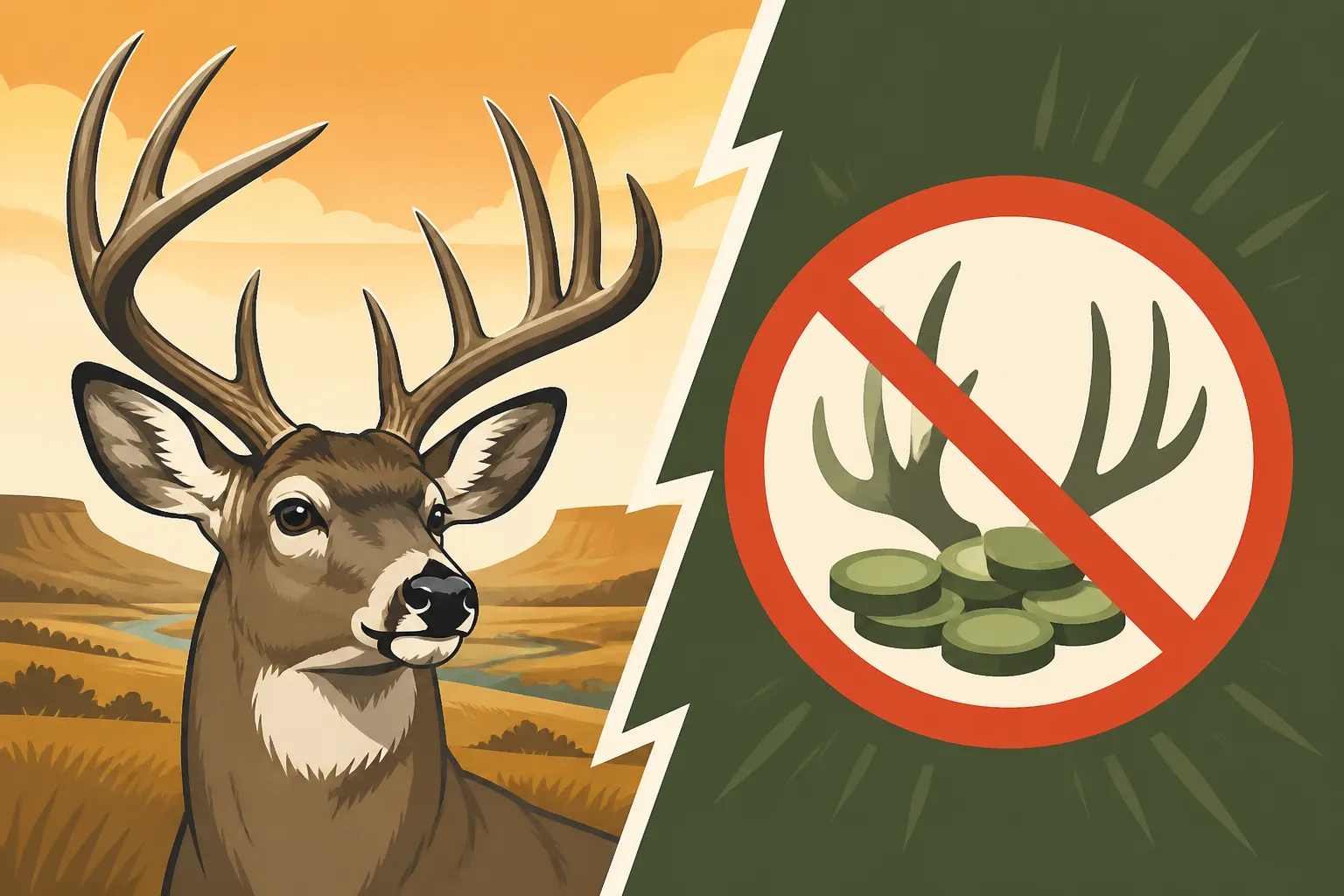
Here's the kicker: the mule deer stamp draw is a pure lottery. It's truly random chance, irrespective of how many preference points you've accumulated for the whitetail draw. Think of it like a separate drawing entirely, where every applicant starts with an equal probability of being selected each year, assuming they've also applied for and successfully drawn a whitetail permit. Your years of buying points or unsuccessfully drawing a whitetail tag won't give you even a fractional advantage in the mule deer stamp lottery. This can feel incredibly unfair, especially when you've invested time and money into building up points. It means that a first-time applicant has the exact same statistical chance of drawing a mule deer stamp as someone who has been applying for twenty years. It's the ultimate equalizer, but also the ultimate test of patience and luck.
Strategies for Drawing a Kansas Mule Deer Stamp
Given that preference points are out of the picture for mule deer, your strategy shifts from accumulation to consistency and smart application. It’s less about building a points empire and more about staying in the game and playing the odds.
Maximizing Your Odds Annually
Since every year is a fresh slate for the mule deer stamp, the single most important strategy is simply to apply every single year. Don't skip a year thinking your points will carry over an advantage – they won't. If you want a chance, you have to throw your hat in the ring annually. It’s a marathon, not a sprint, and persistence is your only real lever for increasing cumulative opportunity. Staying on top of application deadlines is crucial; a missed deadline means a missed year. Resources like GoHunt are invaluable for keeping track of these critical dates and ensuring you never miss a chance to apply. They offer tools and reminders that can simplify the complex application process, so you’re always in the running. Make sure you're aware of the Kansas Deer Application Window in April so you don't miss out.
Unit Choices and Mule Deer Stamps
While your preference points don't directly influence the mule deer stamp draw, your choice of primary and adjacent whitetail units still matters for your overall application strategy. You can only be drawn for a mule deer stamp if you successfully draw a whitetail permit in one of the units that actually has mule deer. This typically means focusing on the western units of Kansas. Applying for a whitetail permit in an eastern unit where mule deer simply don't exist, even if you draw the whitetail tag, means you won't have any mule deer stamp opportunity. You need to align your whitetail unit choice with mule deer habitat. You can find detailed information on Which Kansas Units Allow a Mule Deer Stamp to guide your selections. This ensures that even though the mule deer stamp draw is random, you're at least applying in the correct geographical area to be eligible. GoHunt also provides detailed draw odds and unit breakdowns that can help you identify these critical areas, so you're not just shooting in the dark.
Realistic Expectations and Alternatives
The reality of drawing a Kansas mule deer stamp can be a bitter pill to swallow for many hunters. It’s a testament to the low population numbers and high demand, creating a scenario where patience and luck are your primary currency.
The Long Game for a Mule Deer Tag
Let’s be brutally honest: drawing a Kansas mule deer stamp is often a very long game. It's not uncommon for hunters to apply for a decade or more before finally seeing that coveted mule deer stamp on their permit. This is the nature of a pure lottery for a highly sought-after, limited resource. You need to go into the application process with your eyes wide open, understanding that it might take many years of applying and many non-draw notifications before your number finally comes up. It requires a significant amount of financial commitment in application fees and permit costs over those years, all for a chance. Set your expectations accordingly, and don't let repeated rejections deter you if a Kansas mule deer is truly a bucket-list animal for you.
Focusing on Quality Whitetail Hunting
While the mule deer stamp is undeniably alluring, it's essential not to overlook the incredible whitetail hunting opportunities Kansas offers. Kansas consistently produces world-class whitetails, and the preference point system does work to improve your chances for these magnificent animals. Many hunters come to Kansas primarily for whitetails and leave with an unforgettable experience. If the mule deer draw continues to evade you, consider shifting your focus to maximizing your whitetail opportunities. You can use your accumulated points to draw a prime whitetail unit, or explore various strategies like those outlined in Kansas Whitetail Hunting Tactics Through the Rut. You might find that the thrill of chasing a mature Kansas whitetail is more than enough to satisfy your hunting desires. For detailed information on why these giants thrive here, check out Why Kansas Grows Trophy Whitetails.
Utilizing Data Resources
Even with a pure lottery for mule deer, data is still your friend. Understanding the odds, even if they don't improve with points, helps manage expectations. Resources like GoHunt are fantastic for analyzing historical draw data for both mule deer stamps and whitetail permits. They can show you the overall success rates for the mule deer stamp and help you understand the true level of competition. While it won't help you jump the line, it empowers you with knowledge to make informed decisions about where to apply for your whitetail permit, which in turn dictates your eligibility for the mule deer stamp. You can also leverage these resources to understand How Many Points to Draw a Kansas Unit for whitetails, helping you formulate a comprehensive strategy even if the mule deer aspect remains a pure gamble.
Kansas Mule Deer Stamp Draw Comparison
To help illustrate the difference, here's a quick comparison of the two systems:
| Feature | Kansas Whitetail Permit Draw | Kansas Mule Deer Stamp Draw |
|---|---|---|
| Purpose | Allocate whitetail deer permits | Convert whitetail permit to either-species |
| Preference Points | YES, directly increase odds | NO, pure lottery |
| Application Method | Primary application for a unit | Add-on option during whitetail application |
| Draw Mechanic | Point-based draw (weighted) | Random lottery |
| Eligibility | Apply directly | Must apply for and draw a whitetail permit first |
| Likelihood of Success | Improves with points over time | Remains constant each year for eligible applicants |
| Management Focus | Herd management, hunter access | Species rarity, controlled harvest |
Disclaimer
The information provided in this guide is for general informational purposes only and does not constitute legal advice. Hunting regulations, fees, and draw procedures are subject to change by the Kansas Department of Wildlife and Parks (KDWP). Always consult the official KDWP regulations and website for the most current and accurate information before planning any hunting activity.