What Counts as 80 Acres in Kansas
It's incredibly frustrating when you're trying to do everything right for your Kansas hunt, especially when it comes to understanding the specifics of land ownership and how it applies to your permits. The question of "what counts as 80 acres" for hunting purposes in Kansas isn't as simple as it might seem on the surface, and navigating the Kansas Department of Wildlife and Parks (KDWP) regulations can feel like trying to solve a puzzle. This comprehensive guide is here to break down the nuances, clarify common misunderstandings, and ensure you're squared away when it comes to your Kansas acreage.
The Core Definition of Acreage in Kansas for Landowners
When we talk about "80 acres" in Kansas hunting circles, we're almost always referring to the minimum land requirement for a resident landowner to be eligible for specific deer permits. This isn't just a random number; it's a foundational element of how KDWP manages game and supports property owners.
Understanding KDWP's Landowner Permit Criteria
The KDWP defines a "landowner" for permit purposes as a person who owns 80 acres or more of farm or ranch land in Kansas. This land must be actively used for agricultural purposes, which could mean anything from raising crops and livestock to timber production. The intent behind this rule is to offer specific hunting privileges to those who have a vested interest in the land and contribute to its management, not just someone who happens to own a small parcel. This permit allows residents to hunt on their own land, which is a significant advantage.
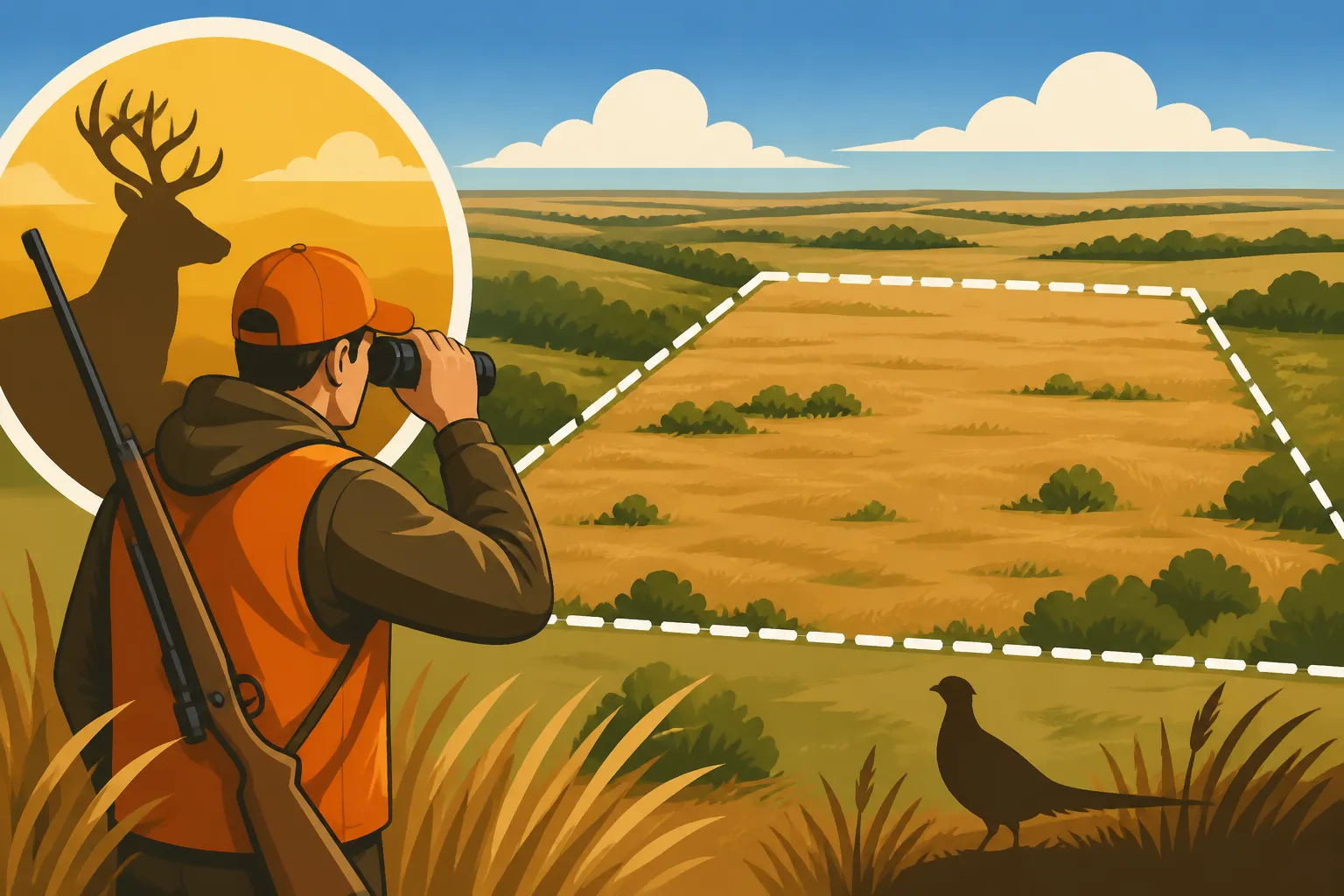
A common question that arises is whether these 80 acres need to be contiguous, meaning one unbroken block of land. While the ideal scenario for ease of management and hunting is a single, uninterrupted parcel, KDWP regulations often take a practical approach. If you own two separate 40-acre tracts that are managed together, or perhaps a property divided by a public road but still under your single ownership and management, these scenarios can often qualify as 80 contiguous acres in the spirit of the law. However, it’s crucial that these parcels are genuinely part of a single operational unit.
It's also important to differentiate between merely having permission to hunt on someone else's 80 acres and actually owning those acres. Simply having access, even exclusive access, does not make you a landowner in the eyes of the KDWP. Eligibility for landowner permits hinges on having legal title to the property. This distinction is vital when considering options like Kansas Landowner and Tenant Deer Permits or when trying to understand all the specific Kansas Landowner Deer Permit Rules. Getting this wrong can lead to serious headaches, so always be certain of your exact status.
What Qualifies as "Owned" or "Operated" Land?
Delving deeper into what "owned" truly means, it typically refers to holding the deed to the property. This is your undeniable proof of ownership. However, modern land ownership can be complex. What about land held in a family trust, a partnership, or an LLC? Generally, KDWP regulations are designed to accommodate legitimate ownership structures, but direct individual ownership through a deed is usually the clearest path. If your land is held under a complex legal entity, it's always best to contact KDWP directly to ensure your specific situation meets the criteria for a landowner permit. The last thing you want is to apply and find out your setup doesn't quite fit.
The term "operated" is equally important, particularly for tenant permits but also in understanding the spirit of landowner eligibility. "Operated" usually implies active use of the land for bona fide agricultural or ranching purposes. This isn't just about owning a plot of land for personal recreation; it suggests active management, such as tilling fields, grazing cattle, or maintaining timber stands. This rule helps prevent the exploitation of landowner permits by individuals who might otherwise not qualify as true resident landowners contributing to Kansas's agricultural economy. It's a way to recognize those actively working the land.
Consider situations like inherited land where the deed might be held jointly or by an estate, or land that is under a purchase contract but not yet fully owned. These are all scenarios where the definition of "owned and operated" can become blurry. In such cases, the wisest course of action is always to consult with KDWP. Their guidance will be definitive for your specific circumstances. To help verify the exact boundaries and ownership details of a property, digital mapping tools are invaluable. Services like GoHunt provide detailed property information, including ownership and acreage overlays, which can be incredibly helpful for confirming your land’s specifics before you ever fill out a permit application.
Navigating Common Acreage Misconceptions and Verifications
The concept of 80 acres might seem straightforward on paper, but in the real world of diverse land parcels and property lines, it can quickly become confusing. Many hunters encounter hurdles when trying to confirm their acreage and ensure it complies with KDWP's requirements.
The Contiguous vs. Non-Contiguous Debate
One of the biggest questions that trips people up is whether their 80 acres must be one solid, unbroken block. Imagine you own a 40-acre field, and across a county blacktop road, you own another 40-acre timber patch. Do these two parcels count as 80 acres, or are they considered separate? For the purpose of Kansas landowner permits, if these parcels are truly managed as a single unit—meaning they're both yours, you operate them together, and they're reasonably close—they often can count toward the 80-acre minimum. The key is "contiguous" in the sense of being part of the same managed property, even if a public thoroughfare or natural feature divides them.
However, the situation changes if those two 40-acre parcels are separated by a neighbor's property, even a small strip. In that case, they would likely be considered non-contiguous, and while you still own 80 acres total, they might not meet the specific contiguous requirement for a landowner permit unless otherwise specified by KDWP in unique situations. The spirit of the law is often about having a manageable block of land for the landowner's benefit. This is one of those grey areas where checking with the KDWP can save you a lot of grief.
This is precisely where accurate mapping and property information become indispensable. Tools like GoHunt allow you to view detailed property lines, overlay satellite imagery, and confirm the exact acreage of each parcel you own. This visual confirmation can be a game-changer when trying to understand how your property fits within the KDWP guidelines. It's also crucial for other land-related issues, such as understanding Kansas Trespass Law and Posted Land when your property borders someone else's or when considering Finding Private Land Access in Kansas for additional hunting opportunities. Always double-check your boundaries.
Practical Steps to Verify Your Acreage
So, you think you own 80 acres or more, but how do you prove it, especially to the KDWP? The verification process is critical, and there are several reliable ways to get the official numbers.
First and foremost, your official property deed and annual property tax statements are your primary sources of truth. These legal documents specify the exact legal description of your land and the surveyed acreage. If there's any discrepancy, these are the documents KDWP will refer to. It's always a good idea to keep these records readily accessible, especially when applying for permits or discussing your land with officials.
Beyond your personal documents, county-level resources are incredibly helpful. Most Kansas counties maintain public Geographic Information System (GIS) maps or offer detailed parcel information through their county assessor or clerk websites. These online portals often allow you to search by address or parcel ID and will display an interactive map showing property boundaries, ownership information, and the official acreage for each parcel. This is a fantastic public resource for anyone needing to verify land details.
In addition to government resources, modern digital mapping applications provide powerful tools for land verification. Platforms like GoHunt (there's that third mention!) are excellent for this. They aggregate public land data and overlay it onto high-resolution maps, allowing you to see your exact property boundaries, calculate acreage, and even identify neighboring landowners. This kind of e-scouting can confirm your acreage from the comfort of your home, and it’s an invaluable asset for planning any hunt. If you have any remaining doubts, especially for permit applications, a quick, direct call to the Kansas Department of Wildlife and Parks is always the safest bet. They can clarify any specific questions about your property's eligibility.
Acreage Requirements for Different Kansas Permits
The 80-acre rule isn't a blanket statement for every hunting scenario in Kansas. Its primary application is for resident landowner permits, but understanding how it relates to other permits, such as those for tenants, is equally important.
Landowner Deer Permits and the 80-Acre Rule
The 80-acre threshold is specifically tied to the resident landowner deer permit. This permit is a significant benefit for Kansans who own and operate substantial agricultural land. It allows them to obtain an either-sex deer permit to hunt on their qualifying property, often outside the general draw for other hunters. This is a form of recognition for their land stewardship and contribution to the state's natural resources. It's a privilege, not an automatic right, and is contingent upon meeting those specific ownership and acreage criteria.
It's absolutely vital to understand that this specific 80-acre rule primarily benefits resident landowners. Nonresident landowners face different regulations and typically do not receive the same permit advantages. A nonresident who owns 80 acres in Kansas generally still has to apply through the general nonresident draw, competing for permits like any other nonresident hunter. While they can hunt their own land if drawn, the ownership itself doesn't grant them a special permit type like it does for residents. This is a crucial distinction that often leads to confusion, so anyone from out-of-state looking to purchase land for hunting purposes should deeply research Nonresident Landowner Permits in Kansas.
Furthermore, while the landowner permit provides a valuable opportunity, it doesn't exempt you from all other hunting regulations. You still need to adhere to season dates, bag limits, and reporting requirements. This permit is designed to facilitate hunting on your own land, but it fits into the broader framework of Kansas deer management. Understanding the various options, including Kansas Hunt-on-Your-Own-Land Permits, is key to fully leveraging your landowner status.
Below is a table summarizing the general acreage considerations for various permit types in Kansas.
| Permit Type | Minimum Acreage | Key Considerations |
|---|---|---|
| Resident Landowner Deer Permit | 80 contiguous acres | Must be legally owned and actively operated by a Kansas resident. Allows an either-sex deer permit. |
| Resident Tenant Deer Permit | 80 contiguous acres | Must be actively farming, ranching, or managing land as primary livelihood by a Kansas resident. Allows an either-sex deer permit. |
| Nonresident Landowner Permit | Not applicable directly for special permit | Nonresidents owning land still apply through general draw; ownership doesn't confer special permit type. |
| General Public Deer Permit (Resident/Nonresident) | N/A | No acreage requirement; depends on drawing a tag and securing access to public or private land. |
Tenant Permits and Operational Requirements
Beyond direct ownership, Kansas also recognizes the significant role of tenants in managing its agricultural lands. A "tenant" for permit purposes is typically defined as an individual who actively occupies and operates 80 acres or more of farm or ranch land in Kansas, specifically for agricultural purposes that constitute a regular and substantial portion of their livelihood. This isn't just someone who occasionally helps out on a farm; it implies a deep, ongoing involvement in the land's operation, such as a farmer leasing ground for crops or a rancher running livestock.
The criteria for a tenant permit often mirror those for a landowner permit in terms of acreage, requiring 80 contiguous acres. However, the distinction lies in "operating" the land rather than "owning" it. A tenant, by definition, leases or works the land owned by someone else. They are intimately involved in the day-to-day management and productivity of that land, making them eligible for similar hunting privileges on the specific property they operate. This recognizes their investment in the land's health and productivity.
It’s crucial to understand that simply having a verbal agreement to hunt on someone else’s land, or even a casual lease agreement, does not make you a tenant in the eyes of the KDWP for permit eligibility. The definition is much more stringent, focusing on agricultural operation as a primary livelihood. This is a critical point that many hunters misunderstand, leading to potential issues if they apply for a tenant permit without meeting the strict KDWP criteria. It's also distinct from the general need for Written Permission Requirements in Kansas to hunt on any private land you don't own. Even with a tenant permit, if you're not the landowner, you'd still need permission from the owner to legally access the property for hunting.
Why Precise Acreage Matters for Hunting Legally
Getting the details right about your acreage isn't just about avoiding a minor inconvenience; it's about ensuring you're hunting legally and ethically in Kansas. Misunderstandings or misrepresentations can lead to serious consequences, impacting your hunting privileges and potentially incurring significant penalties.
Avoiding Legal Pitfalls and Violations
The Kansas Department of Wildlife and Parks takes its regulations seriously, and that includes the specifics around landowner and tenant permit eligibility. Misrepresenting your acreage or your status as a landowner or tenant to obtain a permit is not a trivial matter. It can be considered a wildlife violation, and the consequences can be severe. This isn't just about a simple fine; it can involve loss of hunting privileges, mandatory court appearances, and even more significant penalties depending on the nature and severity of the misrepresentation.
KDWP wardens are trained to verify claims, and they have access to public records, including county property tax and GIS information, which allows them to cross-reference your permit application details with official land ownership data. Trying to bend the rules or create a loophole around the 80-acre contiguous requirement is risky. The state has a vested interest in managing its deer population fairly and protecting the integrity of its permit system. Knowing this, it should be clear why ensuring your land genuinely meets the criteria is so important.
If you're ever in doubt, it's far better to clarify with KDWP before applying than to face potential charges later. Understanding the full scope of Kansas Wildlife Violation Penalties can be a sobering reminder of why absolute compliance is paramount. Tools like GoHunt can give you confidence in your property's details, helping you avoid any unintentional missteps that could lead to legal trouble. Always err on the side of caution and complete verification.
Planning Your Hunt Based on Legitimate Access
Understanding your precise acreage and how it qualifies for Kansas permits isn't just about the paperwork; it profoundly impacts how you plan and execute your hunt. Your land's size and legal status determine what permits you can secure, where you can legally hunt, and even aspects of game recovery and access.
If you don't own the requisite 80 acres, or if your property isn't considered contiguous in a way that qualifies you for a landowner permit, you'll need to pursue other avenues for deer hunting. This might mean applying for a general resident or nonresident permit through the public draw and then seeking permission on private land or exploring the extensive Public Hunting Land in Kansas options. Accurate knowledge of your land's status allows you to make informed decisions about your permit applications and hunt planning from the outset, saving you time, money, and potential disappointment.
Even if you meet the 80-acre rule, always be meticulously aware of your property boundaries. When hunting, especially near edges, it’s critical to know where your land ends and a neighbor’s or public land begins. Unintentionally stepping onto adjacent private land without permission can lead to trespass violations, even if you are a legitimate landowner on your own property. Always use detailed maps from resources like GoHunt to stay within your legal hunting zone. Finally, remember that regulations are not static; they can change from year to year. Make it a habit to review the latest KDWP regulations summary, checking the Kansas Regulation Summary Release Date to ensure you're always working with the most current information.
Disclaimer
The information provided in this guide is for informational purposes only and is not intended as legal advice. Hunting regulations in Kansas can be complex and are subject to change. Always consult the official Kansas Department of Wildlife and Parks (KDWP) regulations and, if necessary, seek legal counsel to ensure complete compliance with all applicable laws and rules.