Kansas Unit 19 Extended Archery Antlerless
There’s nothing quite as frustrating as feeling like your deer season is winding down, especially if you haven't filled that freezer or still have a tag burning a hole in your pocket. For many Kansas deer hunters, particularly bowhunters, the standard archery season can feel too short, or maybe life just got in the way. Thankfully, specific units like Kansas Unit 19 offer an incredible opportunity to extend your time in the woods with an extended archery antlerless season, providing another chance to put venison on the table and help manage the local deer herd effectively. This guide will walk you through everything you need to know to make the most of this unique opportunity.
Why the Extended Archery Antlerless Season Matters in Kansas
When you think about deer hunting, the focus often drifts to big antlers and rutting bucks. And while that thrill is undeniable, the health of the entire deer herd, and indeed, the future of our hunting opportunities, relies heavily on thoughtful management. That's where antlerless seasons, especially extended ones, become absolutely crucial.
Managing Deer Populations and Hunting Opportunity
Kansas has a phenomenal deer population, and that's not by accident. It's a testament to good habitat, excellent genetics, and smart management practices by the Kansas Department of Wildlife and Parks (KDWP). However, unchecked doe populations can lead to several problems. Too many deer in one area can overbrowse habitat, reducing food availability for all deer and other wildlife. This often results in smaller, less healthy deer, lower fawn survival rates, and increased disease transmission. Extended antlerless seasons are a key tool in maintaining a balanced sex ratio and ensuring the herd stays healthy and vibrant. It's not just about taking a deer; it's about contributing to the long-term sustainability of the resource we all cherish. Plus, let's be honest, it gives us more time to be out there!
The Importance of Doe Harvest for Herd Health
I've heard plenty of hunters say, "I only shoot bucks." While admirable in its pursuit of trophy animals, it's a mindset that can actually harm the herd in the long run if broadly adopted. The backbone of a healthy deer population is a balanced doe-to-buck ratio. When there are too many does for the available bucks, it can lead to delayed breeding, does breeding at younger ages, and a general strain on the resources. By carefully harvesting antlerless deer, hunters directly contribute to a healthier population pyramid. This means more nutritious food for the remaining deer, better fawn recruitment, and ultimately, bigger, healthier bucks for future seasons. Think of it as investing in the future of the herd, one doe at a time. This careful management also reduces potential conflicts with agriculture, as fewer deer mean less crop damage for our farmer neighbors.
Extending Your Time in the Field
Beyond the ecological benefits, the extended archery antlerless season is a pure gift for bowhunters. Who doesn't want more time in a treestand or ground blind? The regular Kansas Archery Season Closing Date often leaves us longing for just a few more days, especially if we didn't fill all our tags. This extended period, typically running deep into January, offers a fantastic opportunity to stay sharp, practice your skills, and truly savor those quiet winter woods moments. The landscape changes dramatically after the leaves fall, offering different challenges and new perspectives on deer movement. It's a chance to refine your late-season strategies, from understanding how deer react to colder temperatures to pinpointing critical food sources that become magnets for deer in the lean months. It also gives you more flexibility to deal with unexpected weather or personal commitments that might have limited your time during the main season.
Diving Deep into Kansas Unit 19's Extended Archery Season
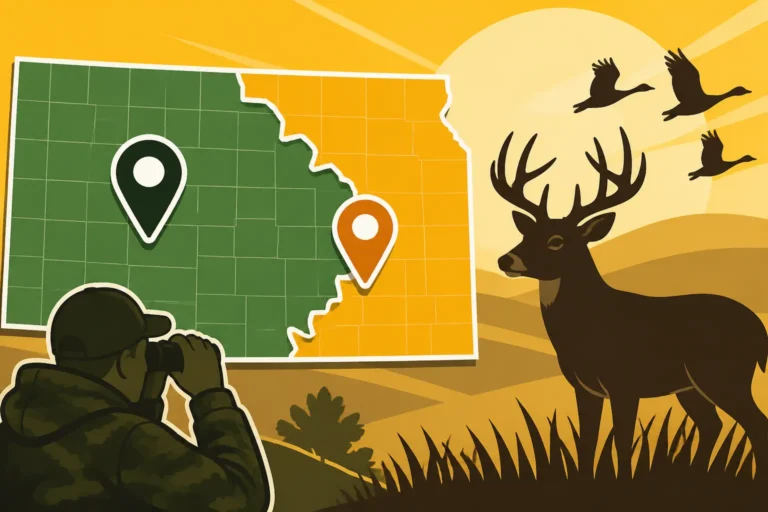
Not all Kansas units offer the same extended opportunities, which is why understanding the specifics of Unit 19 is so vital. This particular unit, located in the central-eastern part of the state, provides a unique advantage for bowhunters.
Understanding Unit 19's Unique Characteristics
Kansas Deer Units 1 Through 19 each have their own nuances, and Unit 19 is no exception. It encompasses a diverse landscape, featuring a mix of agricultural fields, river bottoms, small timber blocks, and some suburban fringe areas. This varied habitat often leads to a healthy deer population, but also introduces unique hunting challenges and opportunities. Because of its location and habitat, deer in Unit 19 often display specific patterns of movement driven by food availability and localized pressure. They might be heavily concentrated around standing crops or winter food plots, or they could be holed up in thicker cover near urban boundaries where hunting pressure is lower. Using resources like the Kansas Deer Unit Map or an app like GoHunt to scout aerial imagery can help you identify these specific characteristics, such as key bedding areas, travel corridors, and late-season food sources within the unit.
Key Dates and Regulations for Extended Antlerless
The most critical information for the Unit 19 extended archery antlerless season revolves around its specific dates and regulations. While the general archery season for deer typically runs from late September through the end of December, the extended antlerless season for archery often picks up right after the regular firearm seasons conclude and stretches well into January. For example, in recent years, the extended season for Unit 19 has run from January 1st to January 31st.
It’s absolutely paramount to check the current year’s Kansas Department of Wildlife and Parks (KDWP) regulations summary. These dates can shift slightly year to year based on population objectives and harvest data. During this extended period, only antlerless deer may be harvested with archery equipment. This means no antlered bucks, no firearm hunting, just does and fawns with your bow or crossbow. Adhering strictly to these rules ensures you stay legal and contribute positively to the KDWP’s management efforts. Knowing these dates allows you to plan vacation days, scout effectively, and make sure your gear is dialed in for those colder, late-season hunts.
The "Antlerless-Only" Permit Specifics
To participate in this extended season, you’ll need the correct permit. This isn't just an extra tag you get with your regular deer permit. You must specifically acquire an Antlerless-Only permit. These are often easier to come by than the coveted either-sex permits for residents, and even non-residents can often purchase them over the counter or online after the draw processes, depending on availability in the specific unit. The Kansas Antlerless-Only Permit Cost is generally quite reasonable, making it an accessible option for many hunters looking to extend their season or fill their freezer.
When you apply or purchase, make sure you designate it for Unit 19 if that's where you intend to hunt. These permits are unit-specific. Remember, this permit only allows the harvest of antlerless deer. There are no exceptions for spike bucks or small antlered deer during this specific season; if it has antlers, it’s off-limits. This focus helps concentrate harvest pressure on the reproductive segment of the herd, which is precisely the goal of these extended opportunities. Always double-check your permit details before heading afield to confirm it’s valid for the dates and unit you're hunting.
| Permit Type | Valid Species | Weapon | Valid Season Dates (Example) | Unit Restrictions | Cost (Example Resident) |
|---|---|---|---|---|---|
| Archery Antlerless | Whitetail Deer | Archery | Jan 1 – Jan 31 (Unit 19 only) | Unit-Specific | $27.50 |
| Either-Species Archery | Whitetail/Mule Deer | Archery | Sept 16 – Dec 31 (All Units) | Unit-Specific | $47.50 |
| Any-Deer Firearm | Whitetail/Mule Deer | Firearm | Dec 4 – Dec 15 (All Units) | Unit-Specific | $47.50 |
Note: Permit types, dates, and costs are examples and subject to change annually by KDWP. Always consult the most current KDWP regulations.
Strategies for a Successful Unit 19 Archery Antlerless Hunt
Hunting in January presents a whole new set of challenges compared to the early season or the rut. Deer behavior shifts dramatically, and successful hunters are those who can adapt.
Focusing on Late-Season Food Sources
By January, many of the prime food sources from early fall are long gone. Crop fields might be harvested, acorns depleted, and lush green growth scarce. This makes identifying and targeting remaining, high-energy food sources absolutely critical. Think about standing crops like corn or soybeans that haven't been fully harvested, winter wheat fields, or dedicated food plots that are designed to provide sustenance through the colder months. Deer in Unit 19, like anywhere else, are primarily driven by survival and calorie intake during winter.
Scout thoroughly for these "hot" food sources. A good strategy is to observe fields from a distance during the late afternoon or early morning to identify where deer are entering and exiting. Pay attention to droppings and tracks – fresh sign near a food source is a golden ticket. Deer will often bed close to these crucial food supplies to minimize energy expenditure, so your approach needs to be calculated. Leveraging tools like GoHunt to analyze satellite imagery can help pinpoint potential food plots or unharvested fields that might be deer magnets. Remember, the colder it gets, the more vital these calorie-rich foods become, making them excellent locations to set up your stand or blind. This is a time when understanding the role of Late-Season Food Source Hunting can truly pay off.
Utilizing Cover and Terrain for Close Encounters
With leaves off the trees, visibility increases, which can be both a blessing and a curse. While you might spot deer from further away, they can also spot you! Effective late-season hunting demands a keen understanding of how deer use remaining cover and terrain features for both bedding and travel. In Unit 19's mix of agriculture and timber, this means looking for thickets, brushy draws, CRP fields with tall grass, and dense timber blocks that offer thermal protection and security. Deer will often seek out the densest cover available, especially on cold, windy days.
Consider how terrain funnels, even subtle ones in flat country, will concentrate movement. A slight dip, a fenceline, or even a line of cedars can become a natural highway. When Reading Aerial Imagery for Bedding Cover, look for these features. Creek bottoms and river corridors, prevalent in Unit 19, are also major travel routes and offer crucial thermal cover. Setting up between a bedding area and a preferred food source, using the cover to break up your silhouette, is often the most effective tactic. Remember that deer will also use terrain to escape wind and find sunny spots to warm up, so factor that into your stand placement.
Adapting to Hunting Pressure and Weather Changes
Unit 19, being somewhat accessible, can experience significant hunting pressure, especially during regular seasons. By the extended antlerless season in January, this pressure might have lessened, but the deer are certainly "educated." They will be more nocturnal and wary. Understanding Hunting Pressure Patterns on Kansas Public Land is key. This means focusing on access routes that don't spook deer, utilizing natural barriers, and possibly even hunting mid-day when other hunters might be out of the woods.
Weather is perhaps the biggest variable in late-season hunting. Extreme cold, snow, and wind will drastically influence deer movement. On bitter cold days, deer will move less, focusing on getting to and from food sources quickly, often during midday when temperatures peak. Snowfall, however, can be a bowhunter's best friend. Fresh snow reveals fresh tracks, making it easier to pattern deer movement and identify active areas. Moreover, snow acts as a natural sound dampener, allowing for quieter approaches. Being prepared for the cold with appropriate Cold Weather Stand Clothing is non-negotiable for comfort and success. Don't let a cold snap deter you; often, the colder it is, the more predictable deer become in their pursuit of calories.
Securing Your Unit 19 Antlerless Permit and Planning Your Trip
Don't let the logistics overshadow the excitement of the hunt. Planning ahead is crucial for a smooth and successful experience.
Navigating the Kansas Deer Permit System
For residents, obtaining an antlerless permit for Unit 19 is usually straightforward through the KDWP website or licensed vendors. Non-residents face a slightly different process. While the primary Kansas Deer Permits and the Nonresident Draw are a highly competitive affair for either-sex tags, antlerless-only permits for non-residents are sometimes available over-the-counter after the main draw, often in late summer or fall, or as leftover permits. You'll need a valid Kansas hunting license first, of course.
The KDWP website is your best friend here. Keep an eye on their "Permit & License" section for announcements regarding leftover tags and sale dates. Often, these extended season antlerless permits are exactly what becomes available as leftovers. Remember, applying for any deer permit, even antlerless-only, is done through the official KDWP licensing system, which often integrates with services like Go Outdoors Kansas. Be diligent with deadlines, as you don't want to miss the opportunity to grab one of these valuable tags. The small investment in a permit can lead to a ton of venison and invaluable time in the field.
E-Scouting and On-the-Ground Preparation
Before you even step foot in Unit 19, extensive e-scouting can save you countless hours and ensure you’re making the most of your limited time. Use online mapping tools, like those offered by GoHunt, to identify potential public land tracts, WIHA (Walk-In Hunting Access) areas, and promising private land features if you have permission. Look for the confluence of bedding cover, water sources, and late-season food plots. Pay close attention to terrain features, how they might funnel deer, and potential access points that minimize disturbance.
Once you’ve identified promising spots, put boots on the ground. This could be in the late fall before the snow flies, or even during a scouting trip a few days before your hunt. Look for fresh deer sign, verify food sources, and identify potential stand locations. In the late season, deer are creatures of habit, often sticking to well-worn trails between bedding and feeding areas. Confirm these trails, and identify rub lines or scrapes (though less active in January) that indicate mature deer activity. Also, make sure to mark potential blood trailing routes and recovery paths, especially if you're hunting in thick cover. This preparation is a crucial step in ensuring you're ready when the moment of truth arrives.
Gear Considerations for Late-Season Archery
January in Kansas can be brutal, with temperatures often dropping well below freezing and harsh winds sweeping across the plains. Your gear needs to be up to the challenge. Layering is key for Staying Warm on a December Sit, and this applies doubly for January. Start with good base layers, add insulating mid-layers, and top it off with a windproof and waterproof outer shell. Hand warmers, insulated boots, and a warm hat are absolute necessities.
Beyond clothing, consider your archery setup. Ensure your bow is tuned, and your arrows are ready for potentially thick winter coats. A good rangefinder is always important, but especially in open country where judging distance can be tricky. A quality headlamp with a red light setting is invaluable for pre-dawn walks and post-shot tracking. If you’re hunting public land, remember to bring essential tools like a small handsaw for clearing shooting lanes and a sturdy pull rope for deer recovery. Finally, always have a small first-aid kit, a fully charged phone, and let someone know exactly where you’re going and when you expect to return. Being prepared isn't just about comfort; it's about safety.
Disclaimer
Hunting is an activity with inherent risks. This guide is for informational purposes only and does not supersede local, state, or federal hunting regulations. Always consult the most current Kansas Department of Wildlife and Parks (KDWP) regulations and obtain all necessary licenses and permits before hunting. Your safety and adherence to ethical hunting practices are your responsibility.