Kansas Antelope Permits and Seasons
Trying to navigate the complex world of Kansas antelope permits can feel like searching for a needle in a haystack, especially when you consider how few tags are available each year. Many hunters, particularly nonresidents, find themselves scratching their heads, wondering if drawing one of these coveted permits is even a realistic goal. This comprehensive guide aims to clear up the confusion, walking you through everything you need to know about applying for and, hopefully, successfully hunting antelope in the Sunflower State.
Understanding Kansas Antelope Management and Distribution
Kansas might be known for its massive whitetails and abundant pheasants, but antelope, often called pronghorn, offer a unique and challenging hunting experience for those lucky enough to draw a tag. Their management is critical due to their limited population and specific habitat needs.
Why Antelope Permits Are So Scarce
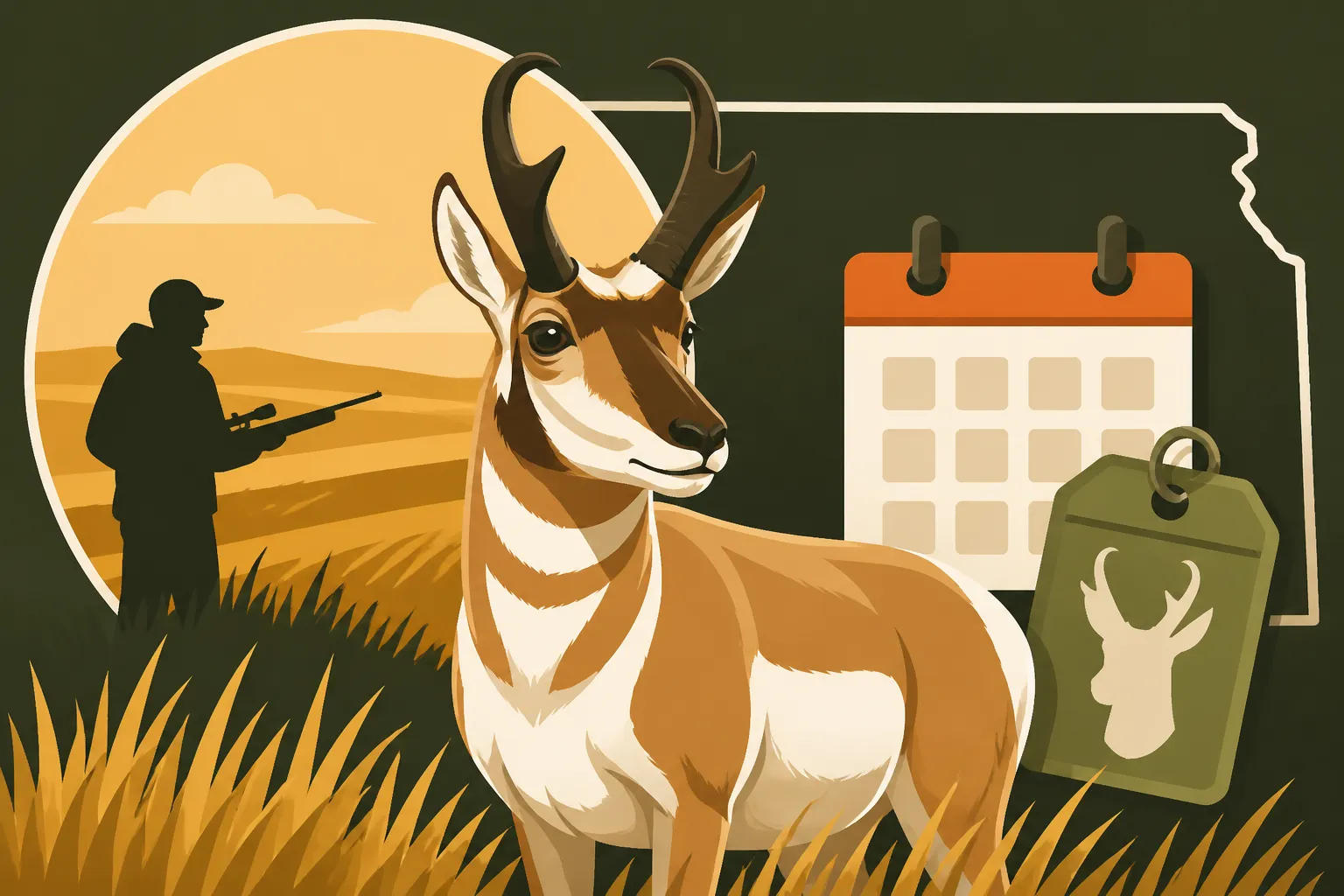
Unlike the widespread deer population, Kansas's antelope herd is relatively small and concentrated in very specific areas, primarily in the far western counties. These animals thrive in open, arid grasslands, a habitat that, while present in Kansas, is not as extensive or continuous as in states like Wyoming or Montana. The Kansas Department of Wildlife, Parks and Tourism (KDWP) carefully manages the herd, issuing a very limited number of permits each year to ensure the population remains stable and healthy. This scarcity is the primary reason why drawing an antelope tag feels like winning the lottery; it's a testament to the KDWP's dedication to sustainable wildlife management. The Kansas Antelope Herd Size is meticulously monitored, and permit numbers directly reflect these population estimates, making every tag highly valuable.
Key Antelope Hunting Units in Kansas
The majority of Kansas's antelope population resides in the extreme western and northwestern regions of the state. Specifically, most permits are typically issued for units 1, 2, 17, and 18, with the highest concentrations usually found in units 1 and 2, which encompass counties like Cheyenne, Sherman, Wallace, Greeley, and Wichita. These units are characterized by vast expanses of shortgrass prairie, often interspersed with wheat fields and minimal timber cover. It's a landscape that, at first glance, might seem barren, but it's precisely what these incredible animals call home. Understanding the Antelope Range in Northwest Kansas is crucial for any aspiring antelope hunter, as it highlights the limited geographical footprint these animals occupy within the state. Public land access can be quite limited in these areas, making private land permission or strategically chosen Walk-In Hunting Access (WIHA) tracts even more vital once a permit is secured.
Navigating the Kansas Antelope Permit Draw Process
Securing a Kansas antelope permit requires a deep understanding of the KDWP's draw system, which can be a bit intricate, especially for those accustomed to deer draws. The application process is generally streamlined, but careful attention to details and deadlines is paramount.
Eligibility and Application Requirements
To even throw your hat in the ring for a Kansas antelope permit, you'll first need a valid Kansas hunting license. For nonresidents, this means purchasing the appropriate annual non-resident hunting license, which is a prerequisite for any big game permit application. You can find details on the Kansas Nonresident Hunting Licence Price on the KDWP website. The application period for antelope permits usually runs in late spring, often overlapping with or just after the deer application period, typically in May or early June. It's crucial to mark these dates on your calendar because missing the deadline means waiting another year. Applications are submitted online through the KDWP licensing portal. While the process itself is straightforward, ensure all your personal information and license details are correct to avoid any hiccups.
Maximizing Your Draw Odds Preference Points
Kansas operates a preference point system for its antelope draw, meaning that hunters who are unsuccessful in drawing a permit can choose to purchase a preference point for the following year. These points accumulate, and in subsequent draws, applicants with more points theoretically have better odds. However, it's important to understand that unlike some states where a certain number of points almost guarantees a tag, Kansas antelope permits are so few that even maximum points don't guarantee a draw every year. The system aims to give loyal applicants a better chance, but it's still a lottery in many respects.
Many hunters use tools like GoHunt's Insider service to analyze draw odds and strategize their applications. While GoHunt can provide valuable data on past draws and point requirements, the sheer rarity of Kansas antelope tags means that even with excellent data, it often comes down to luck. Still, consistently buying a preference point if you don't draw is the best long-term strategy. For a broader understanding of how these points generally work across different species, you can refer to our guide on Kansas Preference Points Explained, though be mindful that antelope specifics can differ slightly due to their unique scarcity.
Understanding Permit Types and Limitations
The Kansas antelope draw primarily offers either-sex permits, which means if you're successful, you can harvest a buck or a doe. Occasionally, very limited antlerless-only permits might be available, usually in an attempt to manage local herd segments, but these are even rarer. The permit also typically dictates the legal weapon choice. Most often, separate archery, muzzleloader, and firearm permits are offered, each with its own season dates (which we'll delve into shortly). You'll specify your preferred weapon type during the application process.
The number of permits allocated is extremely small, often in the single digits for nonresidents across all units combined, and only slightly higher for residents. This highlights the intensely competitive nature of the draw. There are no over-the-counter antelope permits in Kansas; all tags are allocated exclusively through the draw, making careful application a critical first step for anyone hoping to pursue these animals.
Kansas Antelope Season Dates and Weapon Choices
Once you've navigated the draw and, fingers crossed, secured an antelope permit, the next step is understanding the specific season dates tied to your chosen weapon. Each season offers a distinct hunting experience, with its own set of challenges and rewards.
Archery Antelope Season Specifics
The archery antelope season typically opens earlier than firearm or muzzleloader seasons, usually starting in late August or early September. This early timing can mean hot weather in western Kansas, posing challenges for hunters and for game care post-harvest. Bowhunting antelope is arguably the most demanding method due to the animal's incredible eyesight and the open terrain they inhabit. Stalking within bow range requires immense patience, stealth, and often a bit of luck. Hunters frequently employ decoys, particularly buck decoys during the rut, to draw curious or territorial bucks into range. The season generally runs for several weeks, often closing before the firearm seasons begin, giving bowhunters an exclusive window to pursue these elusive speedsters. Success in this season often hinges on being able to effectively use the subtle topography of the prairie to hide your approach.
Firearm and Muzzleloader Antelope Seasons
The muzzleloader and firearm seasons generally occur later in the fall, often in September or early October, and are usually much shorter in duration than the archery season, sometimes lasting only a week or two. The muzzleloader season usually precedes the general firearm season. Hunting with a firearm significantly increases your effective range, which can be a huge advantage in the vast, open landscapes antelope call home. However, it also means that antelope are often even warier, having been pressured by earlier hunters. For those using a rifle, practicing long-range shooting is highly recommended, as shots over 200 yards are common. Before heading out, make sure your rifle is properly sighted in. Our guide on Sighting In Before Firearm Season offers excellent advice that applies directly to the precision needed for antelope. Muzzleloader hunting offers a unique challenge, bridging the gap between archery and modern firearms, often requiring a similar close-range approach as archery but with the power of a single projectile.
Post-Draw Considerations and Permit Usage
Once that coveted permit is in hand, you must adhere to strict tagging and reporting requirements. Immediately after harvesting an antelope, you are required to tag it according to KDWP regulations, which typically involves attaching your permit to the animal in a specific manner. Within a short timeframe (usually 24 or 48 hours), you must then report your harvest to the KDWP. While the system is primarily designed for deer, the process for antelope is similar to the Kansas Electronic Deer Check-In. This reporting is vital for wildlife managers to track harvest numbers and inform future permit allocations.
Securing access to land is often the biggest hurdle after drawing a permit. Western Kansas, though sparsely populated, is predominantly private land. Hunters often spend considerable time seeking permission from landowners or meticulously scouting WIHA tracts that hold antelope. Always verify land boundaries, and respect private property.
| Season Type | Typical Dates (Approx.) | Primary Weapon | Advantages | Challenges |
|---|---|---|---|---|
| Archery | Late August – September | Bow/Crossbow | Early season, less pressure from firearm hunters | Extreme heat, close-range stalk difficult in open terrain |
| Muzzleloader | Late September – Early October | Muzzleloader | Longer range than archery, more primitive experience | Limited shot opportunities, typically short season |
| Firearm | Early – Mid October | Rifle | Longest effective range, highest success rates | Antelope are wariest, short season, competitive |
Scouting and Hunting Strategies for Kansas Antelope
Antelope are truly remarkable animals, possessing vision equivalent to an 8x binocular and speeds that make them the fastest land mammal in North America. Hunting them successfully requires a blend of meticulous scouting, strategic field tactics, and an understanding of their behavior.
Pre-Season Scouting and E-Scouting
Effective scouting is paramount for antelope, especially in the vast, open landscapes of western Kansas. Pre-season trips to the area are invaluable, allowing you to locate herds, identify preferred feeding and watering areas, and pinpoint potential stalking routes. However, not everyone can make multiple trips. That's where e-scouting comes into play. Utilizing satellite imagery and public land mapping apps like those offered by GoHunt or onX Hunt is critical. You can identify crucial features such as subtle draws, small rolling hills, isolated CRP (Conservation Reserve Program) fields, and even fence lines that antelope might use as travel corridors or to cross. Learn how to leverage these tools effectively with our guide on E-Scouting Kansas Farm Country From Home. Look for darker green areas indicating vegetation, potential water sources like stock ponds, and any terrain breaks that could offer cover for an approach. Pay close attention to corners of large crop fields or pastures where antelope might concentrate.
Field Tactics for Antelope Hunting
Once you're in the field, success often boils down to patience and adaptability. Antelope are incredibly wary, and a direct approach in open country is almost always doomed. The key is to use the terrain to your advantage. Walk the back side of small hills, crawl through shallow ditches, or use tall grass or wheat stubble as cover to get within range. This is where high-quality optics become indispensable. You'll spend hours glassing vast expanses from a vantage point, looking for movement or a tell-tale flash of white.
When you spot a buck you want to pursue, plan your stalk meticulously. Consider the wind direction—antelope have an excellent sense of smell. Take your time, sometimes crawling for hundreds of yards. If the antelope spots you, often the best strategy is to freeze or slowly back out and try another approach later. Decoying can be highly effective, especially for archery hunters during the rut. A full-body antelope decoy, or even a simple silhouette, can distract a buck or draw him closer, allowing you to close the distance. Understanding Rangefinding in Flat Country is critical, as judging distances can be deceiving without reference points.
Understanding Antelope Behavior and Habitat
Antelope are creatures of habit, often following predictable patterns from day to day, especially concerning feeding and watering. They typically feed in the mornings and evenings, often bedding down midday in open areas where their incredible eyesight can detect danger from afar. Water sources are critical, particularly in the arid conditions of western Kansas. Identifying these key resources will significantly increase your odds.
Their primary habitat includes open grasslands, sagebrush flats, and agricultural fields. They thrive on native grasses, forbs, and even some agricultural crops. Unlike deer, which seek out thick cover, antelope prefer to use their vision to avoid predators in wide-open spaces. Wind direction and speed can influence their movement, sometimes pushing them into more sheltered areas or affecting their feeding patterns. Paying attention to these nuances can give you an edge in predicting their movements.
Essential Gear and Preparation for a Kansas Antelope Hunt
Preparing for an antelope hunt in Kansas is different from preparing for a whitetail hunt. The open country, potential for extreme weather shifts, and the long distances you might cover demand specific gear choices.
Optics and Ranging Equipment
Quality optics are non-negotiable for antelope hunting. You'll spend hours behind glass, so investing in good binoculars (10×42 or 10×50 are popular choices) and a spotting scope (20-60x or higher) is crucial. The spotting scope allows you to evaluate bucks from a long distance without disturbing them, helping you decide if a stalk is even warranted. A reliable rangefinder is equally important. In flat, featureless terrain, judging distance is incredibly difficult, and misjudging by even a few yards can mean a missed shot. Our guide on Rangefinding in Flat Country offers further insights into this essential skill. Having a solid tripod for your binoculars or spotting scope will also save your neck and eyes from strain during long glassing sessions.
Clothing, Footwear, and Hydration
Kansas weather, particularly in the fall, can be highly unpredictable. You might start your day in cool, crisp air only for temperatures to soar by midday. Layered clothing is essential, allowing you to adjust to changing conditions. Lightweight, breathable, moisture-wicking fabrics are ideal for the potential heat and physical exertion. Opt for muted earth tones or camouflage patterns that blend into the prairie. Our article on Cold Weather Stand Clothing offers principles of layering that can be adapted for any hunt, regardless of temperature.
Comfortable, durable footwear is also critical. You'll likely be covering many miles on foot, often over uneven ground, stubble fields, and rough prairie. Well-broken-in hiking boots with good ankle support are a must. Lastly, and perhaps most importantly, hydration is not a suggestion—it's a requirement. Western Kansas can be very dry, and you'll be exerting yourself. Carry more water than you think you'll need, especially on long stalks or remote scouting trips. Electrolyte supplements can also be a wise addition.
Other Crucial Items for the Field
Beyond optics and appropriate clothing, several other items will make your antelope hunt safer and more successful. A good quality backpack is essential for carrying your water, snacks, extra layers, and any field dressing supplies. A comprehensive first-aid kit is always a smart addition. Navigation tools, whether a handheld GPS or a robust mapping app on your smartphone (like the GoHunt app), are indispensable for tracking your movements, marking locations, and confirming property boundaries. A shooting stick or bipod can be a game-changer for firearm hunters, providing a stable rest for those potentially long shots in the open. Don't forget sun protection—a wide-brimmed hat, sunglasses, and sunscreen are vital on the exposed plains.
Post-Harvest Care and Regulations
Successfully harvesting an antelope is an exciting achievement, but the work isn't over. Proper field dressing and care are crucial, especially in potentially warm weather, to ensure the meat is of the highest quality.
Field Dressing and Cooling Your Antelope
Antelope meat is known for its lean, distinct flavor, but it can spoil quickly if not handled properly. The moment an antelope is down, getting it field-dressed as quickly as possible is paramount. This removes the internal organs, allowing the carcass to cool down rapidly. In the often-warm conditions of western Kansas during the early seasons, every minute counts. Our guide on Field Dressing in Warm Kansas Weather provides detailed steps that are highly applicable to antelope. After gutting, if you're a long way from your vehicle, consider skinning the animal in the field and quartering it to further facilitate cooling and ease of transport. This is a common practice for remote hunts and is covered in our article on Quartering a Deer in the Field. Getting air circulating around the meat is key; hang the quarters if possible, even temporarily, while you prepare for transport.
Transporting and Processing Your Harvest
Once field dressed and cooled, you'll need to legally transport your antelope. Ensure your permit is properly tagged and attached to the animal. If you've quartered the animal, keep all parts together to prove legal harvest. Kansas has specific regulations regarding the transport of deer carcasses, particularly concerning Chronic Wasting Disease (CWD), and while CWD is less prevalent in antelope, it's always wise to follow general best practices, especially if transporting across state lines. Typically, only deboned meat, skull plates, and capes are allowed across state lines from CWD-positive areas. Always check the latest KDWP regulations before you leave the field.
You have a couple of options for processing: take it to a local locker plant or process it yourself at home. If you're using a locker plant, call ahead to ensure they are equipped to handle antelope and understand their processing times. If you're processing at home, make sure you have a clean workspace and the proper tools. No matter your choice, quick, clean, and cool handling will ensure delicious antelope meat for your table.
Disclaimer
Please note: Hunting regulations and season dates are subject to change. Always consult the most current Kansas Department of Wildlife, Parks and Tourism (KDWP) regulations and official publications before planning and undertaking any hunting activities. This guide is for informational purposes only and does not supersede state laws or regulations.