Kansas Antelope Herd Size
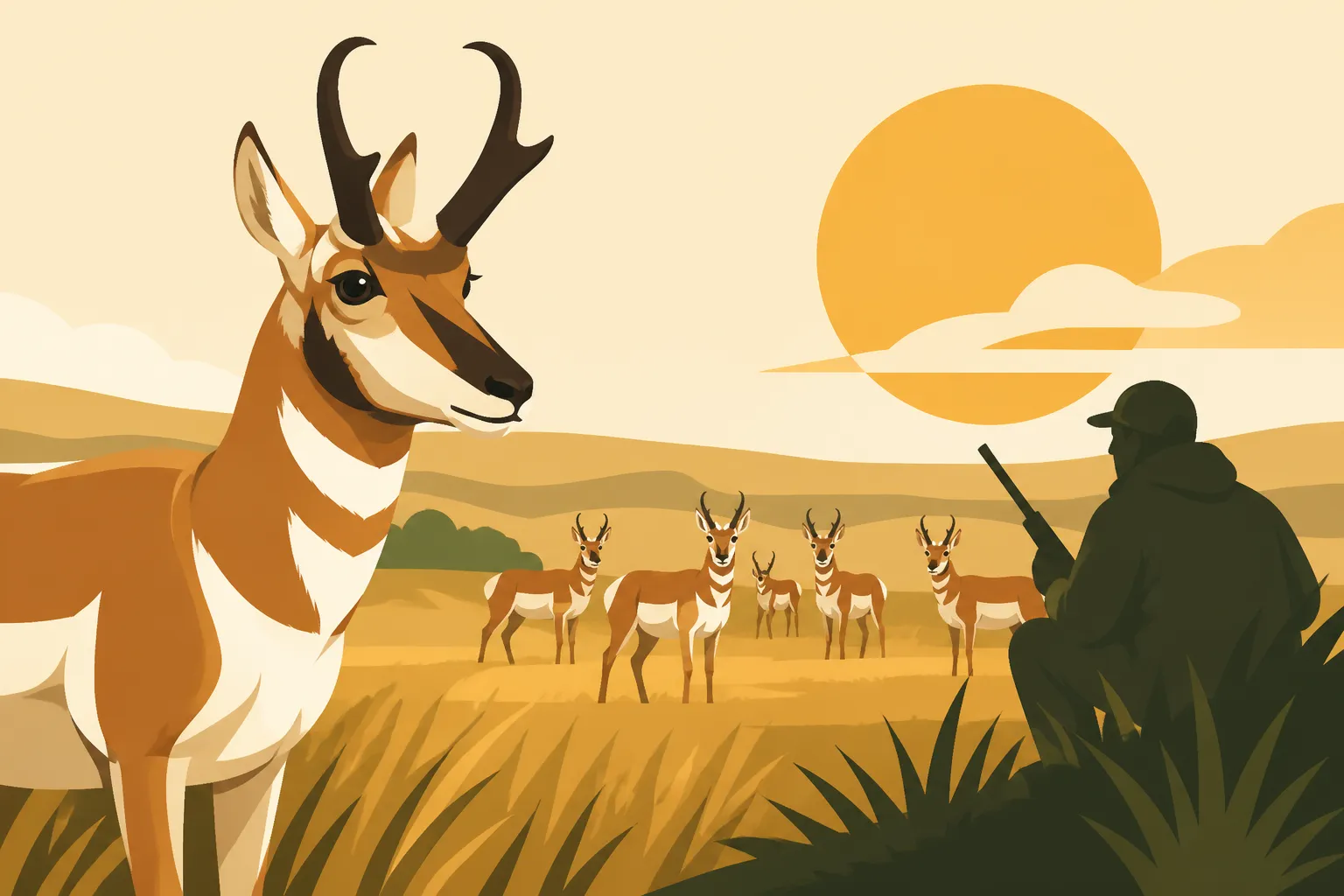
It’s a common misconception, even among seasoned hunters, that Kansas isn't home to viable antelope populations. Many people picture vast, open country for pronghorn hunting and naturally think of states like Wyoming or Montana, not the sunflower state. But the truth is, Kansas does have antelope, albeit in much smaller, more concentrated herds, primarily in the far western reaches. For those looking to understand the real story behind these elusive speedsters and what it takes to pursue them in Kansas, this guide will delve deep into their history, current numbers, and the unique challenges and opportunities involved.
Understanding Kansas Antelope History and Range
The story of antelope in Kansas is one of resilience, near-extinction, and a slow, steady return. It’s not the booming population story you hear in some western states, but it's a testament to conservation efforts.
Historical Presence and Decline
Long before Kansas was crisscrossed with barbed wire and crop fields, vast herds of American pronghorn, often mistakenly called antelope, roamed the Great Plains. Historical accounts and archaeological evidence suggest that these incredibly swift animals were once abundant across much of western and central Kansas, sharing the landscape with bison and elk. They were perfectly adapted to the wide-open shortgrass prairie, where their incredible eyesight and blistering speed offered their primary defense against predators.
However, the late 19th and early 20th centuries brought significant changes that decimated these populations. Market hunting, driven by demand for meat and hides, took a heavy toll. But perhaps even more devastating was the rapid conversion of their native prairie habitat into agricultural land. Pronghorns need expansive, unobstructed views and the ability to travel freely, often covering many miles in a day. Fences, cultivated fields, and human settlement fragmented their habitat, severely impacting their ability to find food, water, and escape routes. By the mid-20th century, pronghorns were almost entirely extirpated from Kansas, with only tiny, isolated pockets remaining in the extreme western counties. It was a truly disheartening decline, reflecting a common narrative for many American wildlife species during that era.
Current Geographic Distribution
Fast forward to today, and while you won't find pronghorn roaming throughout the entire state, they have made a cautious comeback in their traditional strongholds. The current distribution of antelope in Kansas is overwhelmingly concentrated in the far western and southwestern corners of the state. Think counties like Wallace, Sherman, Greeley, Hamilton, Morton, Stanton, Cheyenne, Rawlins, and Thomas. These are the areas where the landscape still retains enough of its original shortgrass prairie character, coupled with vast stretches of wheat and milo fields, to support these animals.
The specific habitat preferences of pronghorns are key to understanding their limited range. They thrive in shortgrass and mixed-grass prairies, often interspersed with sagebrush and other low-growing shrubs. These environments provide the necessary forage while maintaining the open sightlines they rely on. They aren't typically found in heavily timbered river bottoms or rolling hills, which is why you won't see them east of, say, Highway 283. These areas simply don't offer the specific blend of cover, food, and escape terrain they require. The scarcity of these critical habitat types in central and eastern Kansas is the primary reason the Antelope Range in Northwest Kansas remains so restricted. Even within these western counties, their presence is often tied to specific large tracts of undisturbed pasture or agricultural land where they can find sanctuary and forage.
Current Herd Size and Population Estimates
For hunters and conservationists alike, knowing the actual numbers is crucial. It’s not just about a good hunt; it’s about the health of the species in Kansas.
How KDWP Monitors Antelope Populations
Counting wildlife, especially animals as wary and wide-ranging as pronghorn, is never an exact science, but the Kansas Department of Wildlife and Parks (KDWP) employs several methods to get the most accurate picture possible. The primary tool for estimating Kansas's antelope population is aerial surveys. These surveys are typically conducted from aircraft, often helicopters or small planes, flying established transects across known antelope habitats. Biologists on board count observed animals, classifying them by sex and age (bucks, does, fawns). These surveys are usually conducted during specific times of the year, like late summer or early fall, when animals are grouped up and easier to spot, and before hunting seasons begin.
Beyond aerial counts, KDWP also relies on ground observations from their staff and, importantly, hunter harvest data. Every successful hunter is required to report their harvest, providing valuable data points on where animals are being taken, the age and sex structure of the harvest, and overall success rates. While ground observations and harvest reports don't give a total population number, they help validate and refine the estimates from aerial surveys, providing a more comprehensive understanding of herd dynamics. The challenges in obtaining precise numbers are significant; antelope are constantly moving, camouflage well against the prairie, and their numbers are relatively low, making them harder to track than, say, whitetail deer.
The Latest Population Figures
Given the limited range and habitat availability, the Kansas antelope population is relatively small compared to neighboring states. While specific real-time numbers can fluctuate year to year due to environmental factors, KDWP estimates the statewide pronghorn population to be in the low thousands, often ranging between 1,500 to 2,500 animals. It's a modest number, but it represents a hard-won recovery from near absence.
In recent years, the trend has largely been one of stability, with some minor fluctuations tied to weather patterns. For instance, severe droughts can impact fawn survival and overall herd health, while periods of good rainfall can lead to a slight uptick. When you compare this to states like Wyoming, which boasts hundreds of thousands of pronghorn, Kansas's herd is indeed small. However, for a state on the eastern fringe of pronghorn habitat, maintaining a stable, huntable population is a significant conservation achievement. These numbers directly influence the number of limited Kansas Antelope Permits and Seasons offered each year, ensuring that hunting pressure doesn't jeopardize the long-term health of the herd. These limited tags are highly coveted, as even a small population provides a unique hunting opportunity in the Sunflower State.
Factors Influencing Antelope Numbers in Kansas
Understanding what limits or boosts antelope numbers in Kansas helps us appreciate the delicate balance these animals navigate in the state.
Habitat Availability and Quality
The single most critical factor dictating antelope numbers in Kansas is the availability and quality of their specific habitat. Pronghorn are animals of the open prairie, and as mentioned earlier, large, contiguous blocks of shortgrass prairie are increasingly scarce. The ongoing conversion of native grasslands into agricultural croplands, while economically important for the state, directly reduces the acreage suitable for antelope. They need vast spaces to roam, feed, and escape predators, and every new field or development chips away at that essential requirement.
Beyond just the acreage, the quality of the habitat matters immensely. Intact prairie ecosystems provide a diverse array of forbs and grasses that are crucial to their diet. Fragmented or overgrazed pastures may not offer the necessary nutrition, especially for does trying to raise fawns. Another huge challenge for antelope, especially in an agricultural state like Kansas, is fencing. Unlike deer, which readily jump fences, pronghorns prefer to go under them. Traditional barbed wire fences can be major obstacles, hindering their movement to critical food or water sources and disrupting their migratory patterns, even short-distance ones. Special wildlife-friendly fencing designs that allow pronghorn to pass underneath are vital in areas where they persist. Without these specific habitat requirements met, any growth in the antelope population becomes an uphill battle.
Environmental Challenges and Predation
Even with suitable habitat, Kansas pronghorns face an array of environmental challenges that directly impact their survival and population growth. Drought is a recurring antagonist in western Kansas. Prolonged periods of low rainfall reduce the quantity and quality of forage, making it harder for does to nourish themselves and their fawns. Water sources can also become scarce, forcing animals to travel further or concentrate in vulnerable areas. The impact on Antelope Fawn Survival in Dry Years can be particularly severe, as does may be in poorer condition to produce milk, and young fawns struggle to find adequate sustenance.
Conversely, exceptionally harsh winters, while less common, can also take a toll. Deep snow and extreme cold can make foraging difficult and increase energy expenditure, leading to winter mortality, especially among younger or older animals. Predation, primarily from coyotes, also plays a significant role, particularly for newborn fawns. While adult pronghorn are incredibly fast, fawns are vulnerable in their first few weeks of life. When fawn recruitment is low due to drought or high predation pressure, the overall herd growth stalls or even declines. Diseases, such as epizootic hemorrhagic disease (EHD) which affects deer, can sometimes impact antelope, though it's less common than in whitetails. All these factors combined mean that even a stable population requires constant vigilance and management to buffer against these environmental swings.
Antelope Management and Hunting Opportunities
The existence of antelope hunting in Kansas isn't an accident; it's the result of strategic management by KDWP aimed at sustaining these unique herds.
KDWP Management Strategies
The Kansas Department of Wildlife and Parks (KDWP) plays a crucial role in managing the state's pronghorn population, especially given its relatively low numbers and limited range. Their strategies are primarily focused on maintaining a healthy, stable herd through regulated hunting and habitat conservation. A cornerstone of their management is a highly controlled permit allocation system. Unlike some species with over-the-counter tags, antelope permits are almost exclusively issued through a limited draw, ensuring that only a small, sustainable number of animals are harvested each year. This careful approach prevents overharvesting and protects the breeding population.
KDWP also engages in habitat improvement initiatives where possible, often working with private landowners and federal agencies. This might involve recommending wildlife-friendly fencing, promoting sustainable grazing practices, or participating in efforts to restore native grasslands in key antelope areas. Conservation partnerships are vital here, as much of western Kansas is private land. By working with landowners, KDWP aims to ensure that agricultural practices and development don't unduly harm the already limited antelope habitat. This holistic approach, blending strict harvest limits with proactive habitat stewardship, is essential for the long-term viability of pronghorn in Kansas.
Understanding the Kansas Antelope Draw
If you're dreaming of chasing pronghorn across the Kansas plains, understanding the draw system is your first, and arguably most important, step. The Kansas Antelope Permit Draw is one of the most challenging in the state due to the extremely limited number of permits issued annually. KDWP typically allocates a very small number of permits for both resident and non-resident hunters, often just a handful for non-residents, depending on the current population estimates and management goals.
Permits are usually offered for specific western units, reflecting the animal's limited range. Due to the high demand and low supply, drawing a Kansas antelope tag is often considered a "trophy" tag, not because of the antler size necessarily, but because of its rarity and the unique hunting experience it offers in this state. The draw odds are notoriously low, making preference points incredibly valuable over time, though even with points, it's still a tough draw. Many hunters will utilize resources like GoHunt to research draw odds, historical data, and application strategies to maximize their chances. These platforms provide invaluable insights into how many points it might take to draw a particular unit, or which units have even a slightly better chance. It's a system that rewards patience and persistence, and for many, the anticipation of the draw results is almost as exciting as the hunt itself.
| Year | Estimated Population | Permits Issued (Resident) | Permits Issued (Non-Resident) | Draw Odds (Non-Resident) |
|---|---|---|---|---|
| 2021 | 2,100 | 250 | 8 | < 1% |
| 2022 | 2,250 | 275 | 9 | < 1% |
| 2023 | 2,050 | 260 | 8 | < 1% |
| 2024 (projected) | 2,150 | 270 | 8 | < 1% |
Note: These numbers are illustrative and based on typical KDWP reporting; actual numbers may vary slightly year to year. Always check current KDWP regulations for precise figures.
Hunting Antelope in Kansas
Securing an antelope tag in Kansas is a special achievement, and the hunt itself is unlike deer hunting, demanding a different set of skills and strategies.
Season Dates and Regulations
Once you've beaten the odds and drawn a coveted Kansas antelope tag, knowing the specific season dates and regulations is paramount. Kansas typically offers three distinct seasons for pronghorn: Archery, Muzzleloader, and Firearm. The Archery season usually opens in late September, providing an early opportunity to hunt before the rut. Muzzleloader season often runs concurrently or slightly overlaps, offering a unique challenge for those who prefer traditional arms. The Firearm season is generally much shorter, often a concentrated weekend in early October. These seasons are strictly unit-restricted, meaning your permit is valid only in the specific western Kansas unit for which it was drawn.
Regulations also dictate legal hunting hours, tagging requirements, and harvest reporting deadlines. It’s crucial to familiarize yourself with the current KDWP hunting regulations summary for the exact dates and rules, as they can shift slightly year to year. Given the low success rates (due to both low population and challenging hunting conditions), every detail matters. Hunters must ensure they have all necessary licenses and permits, including a valid Kansas hunting license in addition to their antelope permit. Understanding these nuances will help ensure a legal and enjoyable hunt.
Tactics for Success in Limited Habitat
Hunting antelope in Kansas is a true test of a hunter's patience, glassing ability, and stalking prowess. Forget treestands; this is almost exclusively a spot-and-stalk game. The wide-open nature of Western Kansas Plains Hunting Country means that pronghorn can spot you from an incredible distance, thanks to their legendary eyesight – roughly equivalent to an 8x binocular. Your best friends will be high-quality optics: powerful binoculars (10x or 12x are common) mounted on a tripod, and a good spotting scope. You'll spend hours, even days, glassing from elevated positions like hilltops or even the tops of vehicles, searching for that distinctive white patch against the vast landscape. Many successful Kansas hunters also leverage e-scouting tools, like GoHunt maps or other GPS mapping apps, to identify potential hide-and-seek terrain features like subtle draws, creeks, or shelterbelts before they even leave home. This allows them to formulate a strategic approach, considering potential stalk routes and escape cover.
Once an animal is spotted, the real challenge begins. A successful stalk requires using every subtle dip, rise, and patch of cover the prairie offers. Often, this means crawling on your hands and knees or even belly-crawling for hundreds of yards, getting dirty and staying out of sight. The wind direction is also a critical factor, as antelope have an excellent sense of smell. You'll need to know Wind and Thermals on a River Bank even in flatter country, as slight air currents can give you away. The ability to accurately range your target in flat, featureless country is also paramount, making a good rangefinder indispensable. The distances can be deceiving, and taking a shot at a running antelope is often an exercise in futility. Patience, discipline, and a willingness to put in the hard work are the keys to success when hunting these amazing speed goats in Kansas's limited habitat.
Disclaimer
Please be aware that hunting regulations, season dates, and permit allocations are subject to change by the Kansas Department of Wildlife and Parks (KDWP). Always consult the most current KDWP official regulations summary before planning any hunting activity. This guide is for informational purposes only and should not be considered a substitute for official KDWP publications.