Game You Cannot Hunt in Kansas
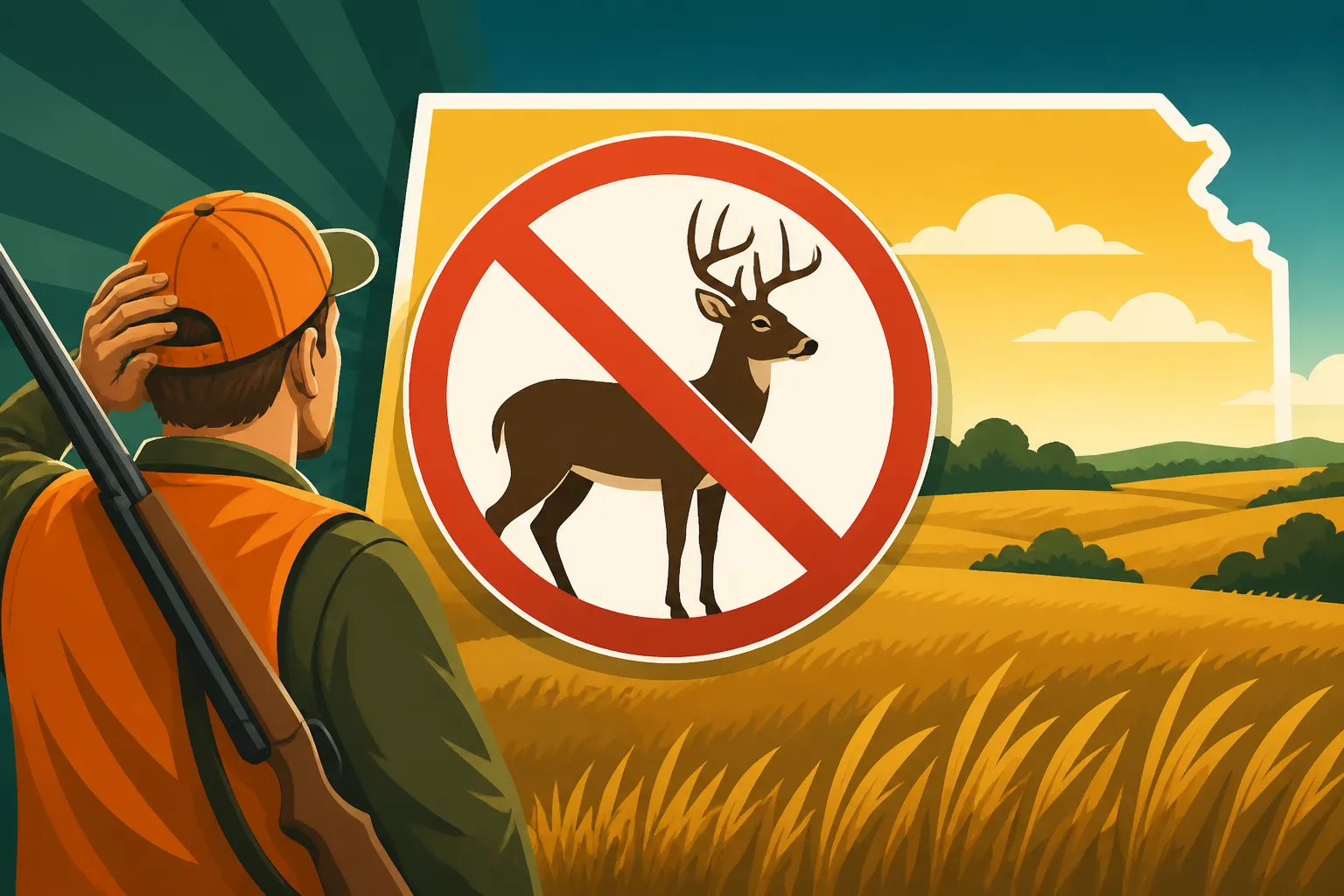
It can be incredibly frustrating to feel like you're navigating a labyrinth of regulations, trying to figure out what's fair game when you're geared up and ready to hit the Kansas countryside. Many of us grow up with certain ideas about hunting, only to find that wildlife management is a complex system of protections, seasons, and specific species designations. This guide is here to untangle that knot for you, clearly outlining the various game you absolutely cannot hunt in Kansas, helping you stay legal, ethical, and fully informed before your next adventure.
Federally and State Protected Non-Game Wildlife
Kansas is a state rich in biodiversity, and while we're renowned for our deer, turkey, and upland birds, there's a vast array of other creatures that call this landscape home. Many of these animals, though fascinating to observe, are strictly protected by either federal or state law, meaning they are absolutely off-limits to hunters. Understanding these categories is crucial, not just for legal compliance, but for appreciating the delicate ecological balance that allows all wildlife, including our game species, to thrive.
Endangered and Threatened Species
At the top of the protection hierarchy are species listed as endangered or threatened under the federal Endangered Species Act (ESA) or by the state of Kansas. These animals are in dire straits, often facing habitat loss, disease, or other threats that have pushed their populations to critically low levels. Hunting them, or even disturbing their habitat, is illegal and carries severe penalties. It's not just about what you can't shoot; it's about what you must help conserve.
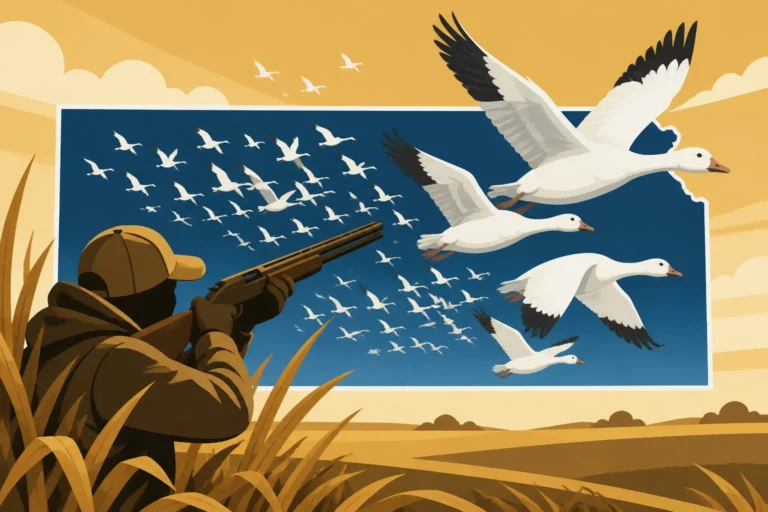
For example, the majestic Whooping Crane, a truly iconic bird, migrates through Kansas. While many waterfowl hunters might be out pursuing geese or ducks, it's paramount to be able to identify a Whooping Crane on the wing. These birds are tall, white, with black wingtips, and fly with necks and legs extended – a distinctive profile that differentiates them from any legal game bird. Mistaking one could lead to serious legal repercussions. Similarly, bats, like the Indiana Bat, are federally protected. You might never intentionally hunt a bat, but understanding their protected status reminds us that all parts of the ecosystem are important. You can find excellent resources on identifying protected species on the Kansas Department of Wildlife and Parks (KDWP) website, and tools like GoHunt can help you overlay critical habitat areas to be extra vigilant. Checking resources like Whooping Cranes and Hunter Caution is vital for hunters.
Native Non-Game Birds
Beyond the ESA list, Kansas protects a multitude of native non-game birds. This means pretty much any bird that isn't specifically designated as a game bird with an open season is off-limits. This includes all our beautiful songbirds, from the vibrant Northern Cardinal to the industrious Carolina Chickadee. It also extends to all raptors – the eagles, hawks, falcons, and owls that are vital predators in the Kansas ecosystem.
Think about the sheer number of bird species you encounter while hunting: a Red-tailed Hawk circling overhead, a Great Horned Owl hooting from a timber edge, or a flock of sparrows flitting through a hedgerow. None of these are fair game, and for good reason. Raptors, for instance, play a critical role in controlling rodent populations, which in turn can impact agricultural health and even deer browse. Their protection ensures a balanced food web. Even birds like the American Crow, while not technically a "game bird" and often seen as a nuisance by farmers, typically have specific seasons and bag limits if they are to be hunted at all, and often require a migratory bird stamp, illustrating that "non-game" doesn't always mean no season, but often means significant protection outside of specific, limited circumstances. Always refer to the most current KDWP regulations, which are usually updated around the Kansas Regulation Summary Release Date.
Most Reptiles, Amphibians, and Small Mammals
The protection umbrella extends to many other fascinating creatures in Kansas. Most native reptiles, such as snakes and lizards, and amphibians like frogs and salamanders, are not considered game animals and are protected. While some states might have frog seasons, Kansas generally doesn't, and definitely not for snakes or lizards. This is often due to their ecological role in pest control or their declining populations in certain areas.
Consider the diverse array of snakes found in Kansas, from the common Garter Snake to the venomous Copperhead or Timber Rattlesnake. While you certainly don't want to get too close to the latter, they are not legal to hunt. Their presence helps keep rodent populations in check. The same goes for the many species of frogs and toads that serenade us on summer evenings; they consume vast quantities of insects, benefiting local agriculture and keeping mosquito populations down. Even tiny mammals like moles, shrews, and most bat species are typically non-game. While a mole might tear up your lawn, it is not a legal target for a hunter. It’s a good rule of thumb that if it's not explicitly listed as a game animal in the regulations with a season and bag limit, it's generally protected. If you're ever in doubt, the KDWP is the definitive source for current regulations.
Domesticated Animals and Livestock
This might seem incredibly obvious, but it's a critical point to cover: no domesticated animals or livestock are legal to hunt in Kansas. This category includes everything from the cattle grazing in pastures to the farm dog trotting across a field, and even feral animals that were once domesticated. This isn't just a matter of hunting ethics; it's a matter of law regarding private property and animal welfare.
Farm Animals and Pets
Imagine you're hunting a deer stand near a field, and a farmer's cow wanders too close. It might seem like a silly scenario to bring up, but the line between wildlife and livestock can sometimes blur, especially if you're hunting on or near agricultural land. Any animal that is owned by a person, whether it's a cow, horse, sheep, goat, or even a domestic pig, is absolutely not a hunting target. These are private property, and harming them is not only illegal but can lead to significant financial and legal consequences, including charges of animal cruelty or destruction of property.
The same applies to pets. A dog or cat, even if it appears to be stray or wandering, is typically considered someone's property. Hunters must exercise extreme caution and always positively identify their target as a legal game animal before taking a shot. This is especially true when hunting on land adjacent to residences or farms. Part of being a responsible hunter, as taught in Kansas Hunter Education and Licensing Basics, is knowing your target and what's beyond it, and this extends to ensuring you never mistake a pet for a game animal.
Feral Hogs, Dogs, and Cats
This is where things can get a little murky for some, as "feral" implies a wild existence. However, in Kansas, feral hogs are not considered game animals and are generally managed as a nuisance species. While you can take them on private land with landowner permission, it's typically through specific control efforts rather than conventional "hunting" with seasons and limits. They are often managed under depredation permits or during other hunting seasons as an opportunistic take. It’s vital to understand that they aren't state-managed game.
Feral dogs and cats are also not classified as game animals. While these animals can sometimes cause significant ecological damage by preying on native wildlife, they are not legal hunting targets in the same vein as deer or turkeys. Feral dogs are often considered livestock or pets that have strayed, and feral cats, while often a scourge on bird populations, are still not designated as huntable game in Kansas. Dealing with these animals typically falls under animal control, local ordinances, or private landowner actions, not recreational hunting. Always consult the KDWP guidelines, but generally, if it's got four legs and barks or meows, it's not a legal hunting target in Kansas. If you witness someone hunting domestic animals or other protected species, you should consider Reporting Poaching in Kansas.
Species with Highly Restricted or Special Status
While most game animals in Kansas have defined seasons and bag limits, there are some species that fall into a category of having either extremely limited hunting opportunities, or whose status can change based on conservation needs, making them effectively "unhuntable" for most hunters or in most years. These aren't necessarily non-game, but their accessibility to hunters is severely curtailed.
Lesser Prairie Chickens
The Lesser Prairie Chicken is a prime example of a species whose hunting status is precarious and often closed. These iconic grassland birds, native to the western prairie regions of Kansas, have faced significant population declines due to habitat loss and other factors. As a result, the species has been the subject of federal listing considerations, leading to very stringent management. In many recent years, the hunting season for Lesser Prairie Chickens in Kansas has been closed entirely.
Even when a season might be open, it's often for an incredibly short period, with very specific units, and requires a special permit or a specific understanding of their Lesser Prairie Chicken Listing Status. This makes them effectively unhuntable for the vast majority of hunters who are not specifically targeting them or who aren't in the very specific areas where a season might sporadically occur. The emphasis here is on conservation, and the KDWP closely monitors their populations to make difficult decisions about hunting opportunities. Hunters should always check the absolute latest regulations directly from KDWP, as the status of these birds can change.
River Otters and Other Furbearers with Strict Controls
Kansas has a variety of furbearer species, many of which can be legally harvested during specific seasons by licensed furharvesters. This includes coyotes, bobcats, raccoons, and others. However, certain furbearers, like the River Otter, have highly restricted seasons, and sometimes the season is closed entirely or limited to very specific harvest methods or areas. River Otters, for example, have experienced a resurgence in population in parts of Kansas, but their management remains cautious.
The regulations surrounding furbearers are often more complex than those for deer or turkey, involving trapping licenses, specific harvest methods, and very short windows. For the average hunter primarily focused on big game or upland birds, these animals are effectively unhuntable unless they dedicate themselves to understanding the very niche regulations. It's crucial not to confuse "furbearer" with "game animal" in the conventional sense, as their management often serves different objectives. You can review information like Kansas Furbearer Harvest Numbers to see how intensively specific species are managed. While many furbearers are open for harvest, others are closely monitored, and some may be temporarily or permanently protected from hunting or trapping.
Understanding Regulatory Principles and Identification
Navigating the world of hunting regulations can feel like a full-time job, but a few core principles can help clarify what game you cannot hunt in Kansas. It boils down to conservation, property rights, and responsible wildlife management. Knowing these principles, alongside honing your identification skills, is your best defense against accidental violations.
The "If It's Not Listed, Don't Hunt It" Rule
One of the simplest, yet most effective, rules of thumb for any hunter in Kansas is this: if a species is not explicitly listed in the current KDWP hunting regulations as a legal game animal with an open season and defined bag limits, then you cannot hunt it. This applies to most small rodents like squirrels and rabbits (which are game species with seasons), but it also covers countless other mammals, birds, reptiles, and amphibians that simply aren't managed for hunting.
This principle emphasizes that hunting is a privilege tied to specific, managed populations. It's not a free-for-all. KDWP invests considerable resources into scientific population surveys and habitat assessments to determine sustainable harvest levels for game species. Non-game species, by contrast, are managed for their intrinsic value, ecological role, or simply their survival, often meaning they receive full protection. Don't assume something is fair game just because you see it in the woods. Always consult the current regulations booklet or the KDWP website. GoHunt is a fantastic tool to assist with e-scouting and understanding terrain, but for species-specific hunting laws, the KDWP is your ultimate source. If you're unsure about a species, err on the side of caution and leave it alone. Ignoring this can lead to Kansas Wildlife Violation Penalties.
Importance of Positive Identification
This ties directly into the previous point: you must be able to positively identify your target before you ever consider taking a shot. This isn't just about distinguishing a deer from a cow; it's about distinguishing between similar-looking species, some of which might be protected while others are fair game. The consequences of misidentification can range from a missed opportunity to a serious legal violation.
Consider waterfowl hunting, where differentiating between various duck species, some with different bag limits or even closed seasons, is paramount. Or, as mentioned earlier, distinguishing a protected Whooping Crane from a huntable Sandhill Crane can literally keep you out of federal court. In western Kansas, you might even encounter a mule deer in areas that are predominantly whitetail country; while both are typically huntable deer species, understanding the nuances of local populations and potential for unique permit restrictions is important. Learning wildlife identification should be an ongoing process for any hunter. Spend time studying field guides, practicing with binoculars, and even using apps that help identify species. The more you know, the safer and more ethical your hunt will be. Always double-check your target, its species, and its legal status before making a decision in the field.
Ecological Roles and Conservation Efforts
Finally, understanding why certain species are not hunted in Kansas often comes down to their ecological role and ongoing conservation efforts. Every creature, from the smallest insect to the largest mammal, plays a part in the intricate web of life. Protecting non-game species ensures that these ecosystems remain healthy and resilient, which ultimately benefits game species as well.
For instance, predators like coyotes are huntable in Kansas, and they play a vital role in keeping deer and small mammal populations healthy. However, species further up the food chain like eagles and owls are protected because their populations are slower to recover, and their removal could have cascading negative effects on the ecosystem. Similarly, preserving diverse populations of songbirds, reptiles, and amphibians contributes to healthy habitats, which in turn supports the deer, turkey, and pheasants we all love to pursue. Conservation is a shared responsibility, and knowing what you cannot hunt is just as important as knowing what you can. By respecting these regulations, we all contribute to the long-term health of Kansas's wildlife legacy, making sure that future generations have opportunities to experience the outdoors and appreciate its diverse inhabitants. Remember that agencies like KDWP continually monitor Kansas Wildlife Disease Monitoring to protect all species.
| Category | Examples (Kansas) | General Reason for Protection |
|---|---|---|
| Federally Protected | Whooping Crane, Least Tern, Indiana Bat | Endangered Species Act, critical population status, migratory treaties |
| State Protected | Many songbirds, raptors (eagles, hawks), owls, moles, shrews, bats, most snakes and lizards, most frogs and salamanders | Non-game status, ecological importance, low population, public safety (e.g., bats with disease), lack of sustainable harvest data |
| Domesticated Animals | Cattle, pigs, sheep, goats, horses, dogs, cats, chickens, other pets | Owned private property, not wildlife, potential legal and ethical consequences for harm |
| Historically Hunted with Closed/Limited Seasons | Lesser Prairie Chicken (often closed), River Otter (highly regulated/closed) | Conservation efforts, low population, specific management plans, federal listing impacts |
Disclaimer
This article is for general informational purposes only and does not constitute professional advice. Laws, prices and regulations vary by location and change over time. Consult a qualified professional for guidance on your specific situation.