Lesser Prairie Chicken Listing Status
For those of us who cherish the wide-open spaces of Kansas and the unique wildlife that calls them home, the ongoing saga of the Lesser Prairie Chicken's listing status has been a source of both concern and confusion. It directly impacts hunting opportunities, land management decisions, and the overall future of these iconic birds. This guide aims to demystify what the listing status means, why it’s so complex, and how it can affect hunters and landowners across the state.
Understanding the Lesser Prairie Chicken's Conservation Status
The Lesser Prairie Chicken is a bird steeped in the history of the Great Plains, a true symbol of our grasslands. However, their populations have faced significant challenges over the years, leading to various proposals and decisions regarding their protection under federal law. It's a complicated dance between science, economics, and differing views on conservation, and it often leaves hunters scratching their heads about what they can and can't do.
What "Listing Status" Actually Means
When we talk about a species' "listing status," we're usually referring to its classification under the Endangered Species Act (ESA). This federal law is designed to protect species and their ecosystems that are deemed imperiled. There are different levels of listing, primarily "threatened" and "endangered," each carrying distinct legal implications. A "threatened" designation means a species is likely to become endangered in the foreseeable future throughout all or a significant portion of its range. "Endangered" means it's in danger of extinction throughout all or a significant portion of its range. These classifications aren't just labels; they trigger a whole suite of protections, regulations, and often, controversy.
The process involves extensive scientific review by the U.S. Fish and Wildlife Service (USFWS), considering factors like habitat loss, disease, predation, and the species' ability to reproduce and survive. For a bird like the Lesser Prairie Chicken, which lives across a vast, multi-state range that includes extensive agricultural and energy development, these decisions become incredibly complex and often contentious. It's not just about counting birds; it's about balancing the needs of wildlife with the livelihoods and activities of people on the land.
The Fluctuating History of Protection Decisions
The Lesser Prairie Chicken has been on a roller coaster ride when it comes to its official protected status. Over the years, we've seen various proposals, temporary listings, and even court-ordered removals from the list. This isn't just bureaucratic red tape; it reflects the real difficulty in assessing the bird's true population health across such a vast and varied landscape, as well as the ongoing legal challenges from different stakeholders.
For a while, they were considered "threatened" in some parts of their range, and then those designations were sometimes challenged or overturned. More recently, there have been renewed efforts to list them, with different segments of their population potentially receiving different statuses. This back-and-forth creates immense uncertainty for farmers, ranchers, and hunters. You might plan your season around one set of rules, only to find them shifting due to a new decision or a court ruling. It’s enough to make you throw your hands up in frustration, but staying informed is crucial, even when the ground seems to be constantly shifting. The legal challenges often revolve around the scientific data used to make the decision, the economic impacts, and whether less restrictive conservation measures could achieve the same goals.
The Impact on Kansas Hunters and Landowners
This isn't just academic; a federal listing for the Lesser Prairie Chicken has very real-world consequences for those of us who live, work, and recreate in Kansas's prime prairie chicken country. It affects everything from how we manage our land to where we can hunt and even the permits we might need. It's a sensitive topic because it touches on property rights, economic viability, and deeply held traditions.
How a Listing Can Affect Hunting Seasons and Opportunities
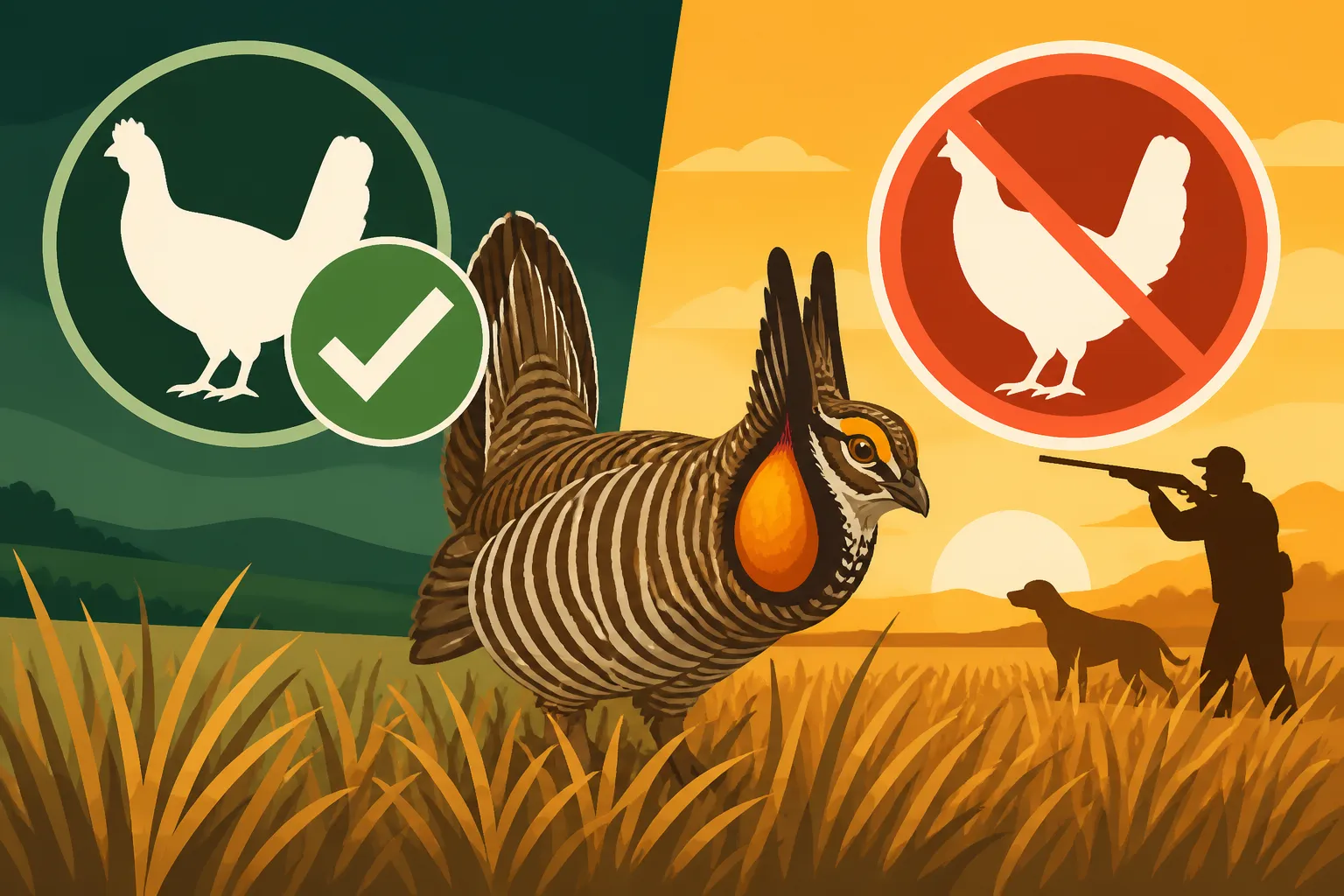
If the Lesser Prairie Chicken is listed as threatened or endangered, hunting seasons can be significantly altered or even completely closed. This isn't a surprise to anyone familiar with ESA protections; the primary goal is species recovery, and hunting, even when carefully managed, can be seen as an additional stressor. In Kansas, where prairie chicken hunting is a cherished tradition, this hits particularly hard. Imagine having your annual pursuit of these magnificent birds suddenly put on hold.
A listing might lead to emergency closures, reduced bag limits, or restrictions on hunting methods and areas. For example, specific prairie chicken units might become entirely off-limits, or certain dates might be removed from the hunting calendar. It might even affect how Kansas Parks and Wildlife structures its Kansas Prairie Chicken Season Segments. This uncertainty makes planning difficult for resident hunters and those who travel to Kansas for the experience. Outfitters and local businesses that rely on hunting tourism also feel the pinch. We all want healthy wildlife populations, but the suddenness and breadth of these changes can be jarring for communities that have coexisted with these birds for generations.
Land Management Regulations and Their Ripple Effects
Beyond hunting, a listing can impose new regulations on land management practices, especially for landowners with Lesser Prairie Chicken habitat. This is where the tension really arises. The ESA aims to protect habitat, which often means restricting activities that could disturb the birds or their environment. This could include limitations on tilling, grazing regimes, prescribed burning, or even oil and gas development.
For example, a farmer might face restrictions on when they can mow certain grasslands or plant specific crops if those activities are deemed harmful to nesting or brooding prairie chickens. Ranchers might have to adjust their cattle rotations or fence lines. While voluntary conservation programs often exist to help mitigate these impacts, they don't always cover the full economic burden, and they don't always align perfectly with a landowner's operational needs. These regulations can be frustrating, especially for multi-generational farm families who feel they've been good stewards of the land for decades. The goal, of course, is to ensure the birds have the space and resources they need to thrive, but the implementation can feel heavy-handed and economically punitive to those on the front lines.
Navigating the Future: Information and Adaptation
With the conservation status of Lesser Prairie Chickens constantly in flux, staying informed and being prepared to adapt are the best strategies for hunters and landowners alike. This isn't just about reading a news headline; it's about understanding the nuances and knowing where to find reliable, up-to-date information.
Staying Informed About Regulatory Changes
The landscape of regulations around listed species can change rapidly. The most reliable sources for current information will always be the official channels. Keep a close eye on announcements from the U.S. Fish and Wildlife Service (USFWS) and the Kansas Department of Wildlife, Parks and Tourism (KDWPT). These agencies are the ones making the decisions and enforcing the rules, so their websites and press releases are your go-to.
I always recommend regularly checking the KDWPT website for their annual hunting regulations summary, which will reflect any changes due to federal listings. Services like GoHunt can also be invaluable for keeping tabs on regulatory updates and news that might impact your hunting plans across different states. Subscribing to email newsletters from these agencies can ensure you get critical updates directly in your inbox. It’s also wise to join local conservation groups or hunter organizations, as they often track these issues closely and can provide a community forum for discussion and shared information. Don’t rely solely on social media or forum discussions, as misinformation can spread quickly when emotions run high. Always double-check with an official source. This is especially true for complex topics like Kansas Regulation Summary Release Date.
Proactive Conservation and Habitat Management
Even amidst regulatory uncertainty, proactive habitat management remains one of the most powerful tools for supporting Lesser Prairie Chicken populations. Many landowners are already doing incredible work, creating and maintaining the very grasslands these birds need to survive. Programs exist that can assist landowners with habitat improvement projects, often offering financial incentives. These might include efforts to combat invasive species, implement rotational grazing, or restore native grasses.
For hunters, understanding and supporting these efforts is vital. When you're out scouting, pay attention to the habitat. Are you seeing signs of good nesting cover? Healthy native grasses? These are the elements that sustain prairie chickens. Tools like a mapping app from GoHunt can help you identify potential habitat zones, whether you're looking at CRP Grass and Where Bucks Bed or exploring Prairie Chicken Range and Leks. Furthermore, advocating for sound, science-based conservation policies and supporting organizations dedicated to grassland ecosystems helps ensure a future for these birds, and by extension, a future for hunting them. We all have a role to play in stewardship, even if it's just by being respectful of the land and its wildlife when we're in the field.
The Broader Picture: Lesser Prairie Chickens in Kansas's Ecosystem
The Lesser Prairie Chicken doesn't exist in a vacuum. Its fate is intrinsically linked to the health of the entire grassland ecosystem in Kansas. Understanding this broader ecological context helps us appreciate why their listing status is such a critical issue, not just for hunters but for the natural heritage of our state.
Threats to Lesser Prairie Chicken Habitat
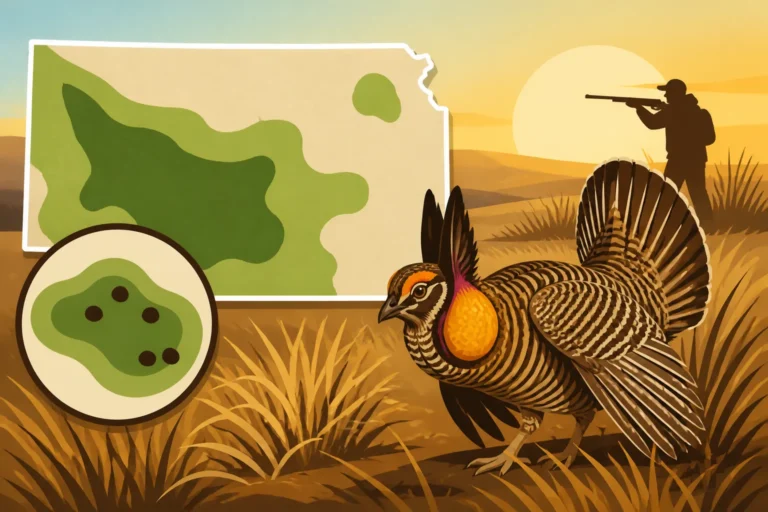
The primary driver behind the Lesser Prairie Chicken's struggles is habitat loss and fragmentation. These birds need large, unbroken tracts of native prairie and rangeland to thrive. Think about the way a Prairie Chicken Tactics in Flint Hills Grass hunt plays out; it requires vast stretches. Unfortunately, Kansas, like much of the Great Plains, has seen significant conversion of these native grasslands to agriculture, especially row crops like corn and milo. While these crops provide important food sources for deer and other game, they don't offer the dense, resilient cover that prairie chickens rely on for nesting, brood-rearing, and protection from predators.
Beyond direct conversion, habitat fragmentation—where remaining patches of prairie are broken up by roads, power lines, and oil and gas infrastructure—also poses a major threat. These disruptions create barriers for movement, increase edge effects (which can lead to higher predation rates), and reduce the overall quality of the habitat. Drought cycles, which are a natural part of the prairie, can exacerbate these issues, making recovery more difficult. When considering Flint Hills Burning and Prairie Chickens, for example, the timing and frequency of burns are critical; too much or too little fire can negatively impact the habitat structure needed by these birds.
The Role of Hunters in Conservation
It's easy to feel disheartened by the complexities surrounding the Lesser Prairie Chicken, but hunters have historically been, and continue to be, a powerful force for conservation. The funding generated through hunting licenses, permits, and excise taxes on hunting equipment directly supports wildlife management and habitat restoration efforts by KDWPT. This funding is critical for programs that benefit not just game species, but all wildlife, including threatened or endangered ones.
Beyond financial contributions, hunters are often the first to notice changes in wildlife populations and habitat. We are out on the land, observing and connecting with the natural world in a way few others do. Our passionate advocacy for wild spaces and healthy ecosystems is invaluable. By staying engaged, supporting sound wildlife management principles, and practicing ethical hunting, we play a crucial role in ensuring that future generations can also experience the thrill of hearing a Lesser Prairie Chicken boom on a crisp spring morning, or the challenge of a Run-and-Gun Turkey Tactics on Kansas Walk-In Ground hunt. It's about being part of the solution, even when the path forward is unclear. Understanding the distinction between Lesser Versus Greater Prairie Chickens is also important, as their conservation needs and ranges differ.
| Listing Status Category (General) | General Implications for Species | Potential Impact on Hunting (General) | Landowner Considerations (General) |
|---|---|---|---|
| Not Listed | No specific federal protections | Regulated by state; hunting allowed | Minimal federal restrictions |
| Candidate | Under review for listing | Hunting may continue, but future uncertain | Voluntary conservation encouraged |
| Threatened | Likely to become endangered | Hunting highly restricted or prohibited | Mandatory habitat protections, voluntary incentives |
| Endangered | Imminent danger of extinction | Hunting almost certainly prohibited | Strict habitat protections, substantial restrictions |
Living with Lesser Prairie Chickens: A Shared Responsibility
The discussion around the Lesser Prairie Chicken listing status is more than just a regulatory debate; it's a conversation about our values, our responsibilities, and the future of Kansas's natural heritage. These birds are a living testament to the wildness that once covered the vast prairies, and their survival is a barometer for the health of those remaining ecosystems.
The Balancing Act: Wildlife Needs and Human Activities
Finding the right balance between protecting a species like the Lesser Prairie Chicken and allowing for essential human activities – farming, ranching, energy development, and even hunting – is incredibly challenging. There's no easy answer, and solutions often require compromise and a willingness to understand different perspectives. Landowners are often caught in the middle, feeling the pressure to be stewards of the land while also needing to make a living. Hunters want to preserve their traditions but also recognize the importance of healthy wildlife populations.
This is where collaborative conservation efforts become so important. Working together, rather than in opposition, can yield better outcomes for both the birds and the people who share their landscape. Programs that offer incentives for voluntary conservation, clear communication from wildlife agencies, and respectful dialogue between all stakeholders are vital. We need to remember that everyone, in their own way, cares about the land and its future. Public access to land, such as through the Kansas Walk-In Hunting Access Explained program, can also play a role in promoting understanding and appreciation for these habitats.
What Lies Ahead for Kansas's Prairie Chickens
The future of the Lesser Prairie Chicken in Kansas will undoubtedly involve continued scientific research, ongoing monitoring of populations, and likely more legal and policy discussions. It's a dynamic situation that requires vigilance from all of us who care about Kansas wildlife. The decisions made today, whether by federal agencies, state departments, or individual landowners, will shape the destiny of these unique birds for generations to come.
As hunters, our commitment to ethical practices, our financial contributions to conservation, and our active participation in discussions about wildlife management are more important than ever. We must continue to be vocal advocates for healthy ecosystems and responsible land use. The opportunity to pursue these magnificent birds, or simply to know they are thriving on the Kansas prairies, is a privilege we want to pass on. And that requires a dedication to understanding, adapting, and working together. So, whether you're using GoHunt to scout a new Cimarron National Grassland Hunting tract or simply enjoying a sunset over the Flint Hills, remember the Lesser Prairie Chicken and the vital role it plays in the heart of America.
Disclaimer
This article is for general informational purposes only and does not constitute professional advice. Laws, prices and regulations vary by location and change over time. Consult a qualified professional for guidance on your specific situation.