Kansas Prairie Chicken Season Segments
Figuring out the exact timing for Kansas prairie chicken season can feel like solving a puzzle, especially with the way the state segments its seasons and carves up the landscape into different units. It's not as straightforward as just "deer season" or "turkey season," and many hunters, even seasoned ones, get tripped up trying to keep track of the specific segments and regulations. This guide is designed to cut through that confusion, giving you a clear, detailed breakdown of when and where you can pursue these magnificent grassland birds in Kansas.
The Unique Structure of Kansas Prairie Chicken Seasons
Kansas is a state deeply committed to wildlife conservation, and its hunting regulations, especially for a species as sensitive as the prairie chicken, reflect that dedication. Unlike many other game birds, prairie chickens face unique pressures from habitat loss and fragmentation, making careful management of their hunting seasons absolutely critical. This is why you'll see a thoughtful, segmented approach to hunting these birds, designed to balance hunter opportunity with the long-term health of the population.
Why Seasons Are Broken Into Segments
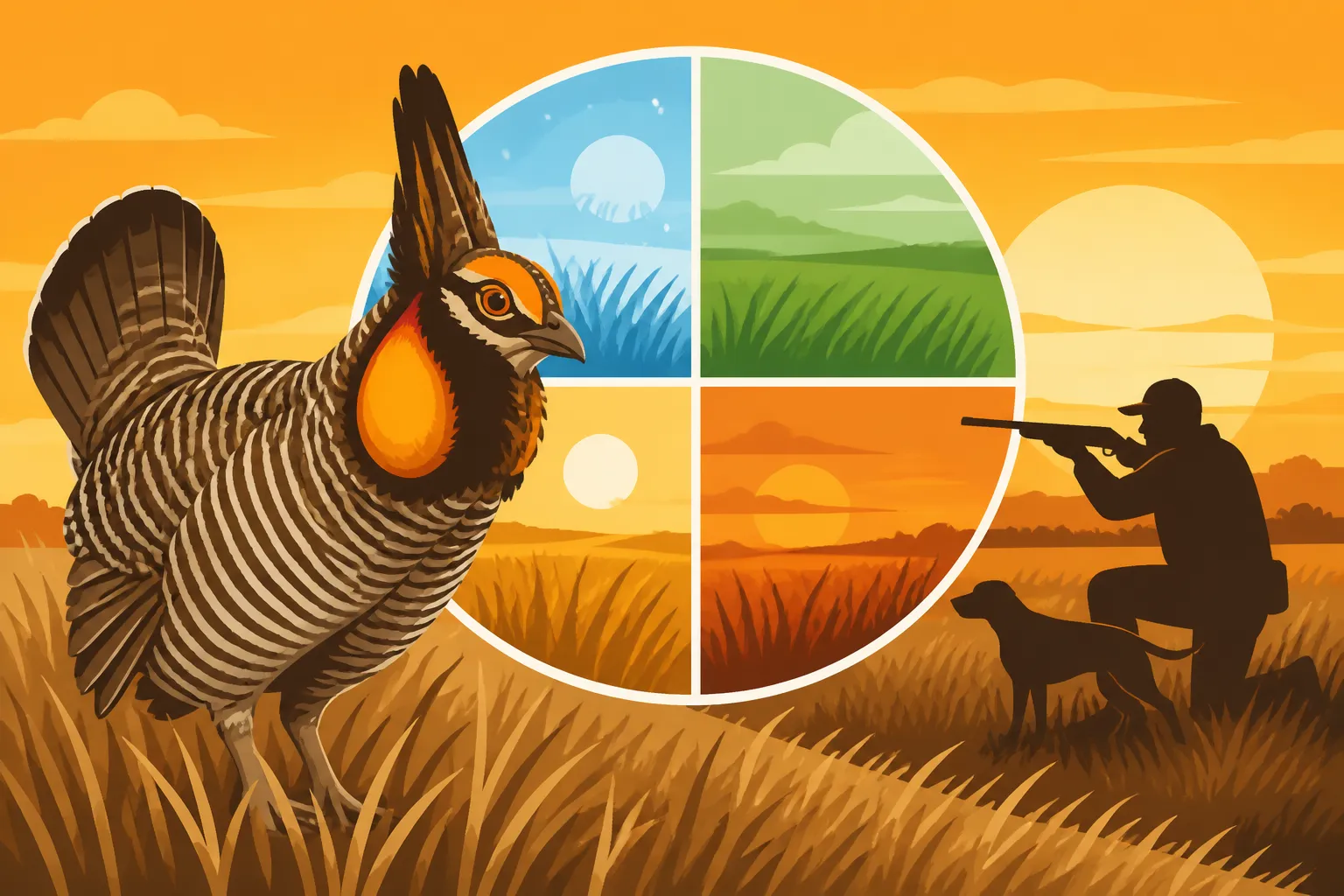
The primary reason Kansas breaks its prairie chicken season into segments is to manage hunting pressure effectively and to align hunting opportunities with different biological phases of the birds. Prairie chickens exhibit distinct behaviors throughout the fall and winter, from smaller, more spread-out coveys in the early season to larger, more concentrated flocks later in the year. By segmenting the season, the Kansas Department of Wildlife and Parks (KDWP) can:
- Distribute Pressure: Prevent excessive pressure on a single population segment during its most vulnerable times or when birds are concentrated in specific areas.
- Target Specific Hunter Groups: Create opportunities for various types of hunters, such as an early archery/youth season, which caters to different hunting styles and demographics.
- Respond to Population Data: Adjust season lengths or bag limits between segments based on annual population surveys, nesting success, and habitat conditions. This dynamic approach helps ensure sustainability.
- Minimize Disturbance During Critical Periods: For instance, avoiding hunting during the breeding season (lekking) in spring is paramount. Even in the fall, understanding how Prairie Chicken Range and Leks influences their behavior is key, as areas around active leks might be sensitive.
This scientific approach ensures that while hunters get to enjoy the pursuit of these iconic birds, the overall population remains healthy and viable for future generations.
Overview of Geographic Zones and Their Impact
Kansas is a big state, and the habitat for prairie chickens isn't uniform. To account for regional differences in population density, habitat quality, and species distribution, the KDWP divides the state into specific hunting units or zones. For prairie chickens, this typically means two main zones:
- Northwest Zone: This zone generally covers the counties in the northwestern quarter of the state. It's often characterized by mixed-grass prairies, CRP (Conservation Reserve Program) fields, and agricultural lands that provide crucial habitat. This area typically holds good numbers of Greater Prairie Chickens.
- East Zone (Flint Hills): This zone encompasses the famous Flint Hills region and potentially other eastern counties. The Flint Hills are renowned for their vast, unplowed tallgrass prairies, which are prime Greater Prairie Chicken habitat. While the habitat is excellent, regulations might differ slightly from the Northwest Zone due to specific population dynamics or land management practices, such as prescribed burning.
The existence of these zones means that season dates, bag limits, and even the types of permits might vary. What's legal and open in the Northwest Zone might not be the same for the East Zone. Hunters must pay very close attention to which zone their hunting grounds fall into to ensure compliance. You might be planning to hunt the Prairie Chicken Hunting in the Flint Hills region, for example, and the rules there could be distinct from those further west.
Delving Into the Primary Season Segments
Prairie chicken seasons in Kansas are structured to provide opportunities throughout the fall and into the early winter, but the specific dates and even the legal species can vary significantly between segments and zones. It's crucial to consult the most current Kansas Hunting & Trapping Regulations Summary, as these dates can be subject to change annually. However, the general structure usually involves an early season and a later, main firearm season.
The Early Archery/Youth Season
Historically, Kansas has offered an early, limited season for prairie chickens, often concurrent with the early archery deer season or designed for youth hunters. This segment is typically a very short window, sometimes only a few days or a week, usually in September or early October.
- Timing: Expect this season to open sometime in mid to late September.
- Weapon Restrictions: This segment is often restricted to archery equipment or perhaps even shotguns with certain shot sizes for youth hunters, depending on the year's regulations. The intent is generally to provide a low-impact opportunity.
- Species: Only Greater Prairie Chickens are typically legal to harvest in this early segment, within specified zones. The Lesser Prairie Chicken is a federally protected species and is generally off-limits for hunting across Kansas, though there have been very limited exceptions in specific regions during extremely robust population years. Always, always verify this.
- Hunter Experience: Hunting prairie chickens in the early season means dealing with warmer temperatures. The birds are often in smaller coveys, more dispersed, and can be holding tight in taller cover. This type of hunting often involves extensive walking, relying on good dog work if you have one, or keen eyesight to flush birds from dense grass.
This early segment offers a unique experience, allowing hunters to be out in the grasslands when the weather is still pleasant and other early fall hunting opportunities are just kicking off.
The Regular Fall Firearms Season
This is the main event for most prairie chicken hunters. The regular fall firearms season is typically much longer than the early segment and provides the bulk of the hunting opportunity. It usually opens later in the fall and extends into winter.
- Timing: The regular season often kicks off in November, extending through December, and sometimes even into January of the following year, though the exact end date varies by zone. For instance, the Northwest Zone might have a different end date than the East Zone.
- Weapon: Shotguns are the standard for this season, with specific shot size restrictions (e.g., lead shot size 2 or smaller, or non-toxic shot as required on some public lands).
- Bird Behavior: As the season progresses and the weather cools, prairie chickens tend to gather in larger flocks. They will often utilize taller cover for roosting but might feed in harvested crop fields or short-grass areas. This shift in behavior influences hunting tactics significantly. Late-season birds can be very wary, flushing at long distances. You might also encounter Working Pheasant Fields Without a Dog at this time, as pheasant seasons often overlap, and the techniques can be similar in some habitats.
- Overlap with Other Seasons: This segment frequently overlaps with other major hunting seasons, such as pheasant, quail, and deer firearm seasons. This can create opportunities for combination hunts but also means potential competition for public access spots or shared hunting pressure.
Specific Dates and Unit Restrictions
It bears repeating: the specific opening and closing dates for both the early and regular seasons, as well as the delineation of the Northwest and East zones, are subject to change annually by the KDWP. You must verify the current year's regulations.
A table outlining the typical structure might look something like this, but remember, these dates are illustrative and change annually:
| Season Segment | Typical Start Date | Typical End Date | Zone(s) Covered | Weapon Restrictions (Typical) | Bag Limit (Typical) | Possession Limit (Typical) |
|---|---|---|---|---|---|---|
| Early Archery/Youth (Greater PC) | Mid-September | Late September/Early Oct | Northwest & East Zones (Check Map) | Archery, Shotgun (Youth) | 1 Greater PC daily | 3 Greater PC |
| Regular Season (Greater PC) | November 1 | January 31 (following year) | Northwest Zone | Shotgun (Lead #2 or smaller) | 2 Greater PC daily | 6 Greater PC |
| Regular Season (Greater PC) | November 1 | December 31 | East Zone (Flint Hills) | Shotgun (Lead #2 or smaller) | 2 Greater PC daily | 6 Greater PC |
Please always consult the official Kansas Department of Wildlife and Parks regulations for the current hunting year before planning your hunt.
Essential Permits, Regulations, and Identification
Beyond just knowing when to hunt, understanding the full scope of requirements is paramount. Hunting prairie chickens involves specific permits, adherence to strict bag and possession limits, and most critically, the ability to correctly identify your target species. Getting any of these wrong can lead to serious legal issues.
Securing Your Prairie Chicken Permit
To hunt prairie chickens in Kansas, you're going to need more than just a general hunting license. A specific Kansas Prairie Chicken Permit is required, in addition to your annual Kansas hunting license. For non-residents, this means purchasing a non-resident hunting license first, and then adding the prairie chicken permit.
- Where to Purchase: These permits can usually be purchased online through the KDWP's Go Outdoors Kansas portal, or in person at licensed vendors throughout the state. Many hunters use digital platforms, and services like GoHunt often provide helpful resources for navigating permit applications and understanding regulations in various states.
- Application Period: Unlike deer or turkey permits, which often have specific draw periods, prairie chicken permits are generally available over-the-counter once the season is set. However, it’s always wise to purchase yours well in advance of your planned hunt.
- Cost: The cost of the permit will vary for residents and non-residents, and it's an additional fee on top of your standard hunting license. Be sure to budget for both.
Without this specific permit, even with a valid hunting license, you are not legally allowed to hunt prairie chickens.
Understanding Bag Limits and Possession Rules
Bag limits and possession limits are put in place to ensure fair chase and to prevent overharvesting, directly contributing to the conservation goals for prairie chickens.
- Daily Bag Limit: This is the maximum number of birds you can legally harvest in one day. For example, if the daily bag limit is two Greater Prairie Chickens, you cannot shoot a third bird even if you've already dressed the first two.
- Possession Limit: This is the total number of birds you can have in your possession at any given time, including those in your cooler, at your camp, or back home. This limit is usually higher than the daily bag limit, often two or three times the daily limit, to allow hunters to accumulate birds over several days of hunting.
- Species Specificity: Remember, these limits apply specifically to Greater Prairie Chickens. Due to their federally protected status, Lesser Prairie Chickens have their own distinct, and almost always more restrictive, regulations if any hunting is permitted at all.
It's your responsibility to know and abide by these limits. Exceeding either limit is a serious violation. When you're successful, you'll want to know about Field Dressing in Warm Kansas Weather to properly prepare your birds, ensuring they count toward your legal possession limit.
Identifying Greater Versus Lesser Prairie Chickens
This is perhaps the single most critical regulation for prairie chicken hunters in Kansas: you must be able to distinguish between a Greater Prairie Chicken and a Lesser Prairie Chicken. This isn't just a suggestion; it's a legal imperative due to the Lesser Prairie Chicken's endangered species status.
- Lesser Prairie Chicken: Generally smaller, lighter in color, with less barring on its underside. The males have smaller, reddish-orange air sacs during booming. Their range is typically restricted to the extreme southwestern parts of Kansas, historically in drier, sand-sage prairie habitats.
- Greater Prairie Chicken: Larger, darker, with distinct dark barring on their underparts. Males have prominent yellowish-orange air sacs during their booming displays. These are the birds found in the Flint Hills and the northwest.
The most important rule: If you are anywhere in the potential Lesser Prairie Chicken range (generally southwest Kansas), or if you are unsure of the identification, DO NOT SHOOT. The penalties for illegally taking a federally protected species are severe. KDWP provides excellent identification guides in their annual regulations summary and on their website, which includes detailed photos and range maps. Studying these before you hunt is non-negotiable.
Strategies for Hunting Each Season Segment
The tactics you employ to successfully hunt prairie chickens will vary significantly depending on which season segment you're targeting. The birds' behavior changes with the weather, food availability, and hunting pressure, so adapting your approach is key to filling your bag.
Early Season Tactics for Roosted Birds and Cover
The early season, often in September or early October, means warmer weather and birds that haven't faced much hunting pressure. They're typically still in smaller coveys, feeding heavily, and holding tight in dense cover.
- Focus on Cover: Target areas with tall, undisturbed native prairie grasses, CRP fields, and brushy draws. These provide excellent loafing and roosting cover. Look for slight changes in elevation or thicker stands of weeds within these areas where birds might feel secure. CRP Grass and Where Bucks Bed might also hold pheasants and prairie chickens, showcasing how valuable these tracts are.
- Walk, Walk, Walk: This is often a walking man's game. Spread out your hunting party (if you have one) to cover more ground, moving slowly and deliberately. Prairie chickens can sit incredibly tight, often flushing at your feet, so be ready.
- Utilize Dogs: A good bird dog, especially a pointing breed, is an invaluable asset in the early season. They can locate birds holding tight in dense cover, helping to conserve your energy and increase your chances of getting a shot. A well-trained retriever ensures you don't lose birds in the tall grass.
- Morning and Evening Hunts: Like many upland birds, prairie chickens are most active at dawn and dusk. Focus your efforts during these periods when birds are moving to and from feeding areas. Later in the day, they might be loafing in dense thermal cover.
- Scouting is Crucial: Use tools like GoHunt's mapping features or aerial imagery to identify large tracts of ideal habitat before you ever step foot in the field. Look for diverse cover types, edge habitats, and potential travel corridors.
Late Season Approaches for Flocked Birds
As winter approaches and the regular season stretches into November, December, and January, prairie chickens undergo a significant behavioral shift. They group into larger flocks, often in the hundreds, and become much warier. The cover might be less dense, and food sources can be scarcer.
- Locating Flocks: The first challenge is finding these large flocks. They often concentrate in specific areas where food is plentiful (e.g., harvested crop fields like milo or corn stubble) or where dense, tall cover offers protection from the elements. Spotting scopes and binoculars from elevated vantage points can be useful for locating birds at long distances early in the morning.
- Blocking and Driving: With larger flocks, a common and effective tactic is "blocking" or "driving." This involves positioning hunters at one end of a large field or prairie tract (the blockers) while other hunters (the drivers) walk toward them, pushing the birds. This requires good communication, safety planning, and understanding how birds will try to escape. It's similar to Blocking and Driving Kansas Milo Fields for pheasants, but with prairie chickens, the birds may flush at a higher altitude and fly farther.
- Hunting Field Edges and Cover Breaks: While large fields are important, don't overlook the edges where fields meet undisturbed grassland, or isolated patches of cover within or adjacent to agricultural fields. Birds might use these as transition zones.
- Persistence and Patience: Late-season birds are educated birds. They've been hunted, and they've seen predators. They'll often flush far out, well before you're in range. You need patience and the willingness to pursue them over long distances. Sometimes, getting ahead of a flying flock and setting up an ambush can be effective.
- Cold Weather Gear: Dress in layers appropriate for cold Kansas winter weather. You'll still be doing a lot of walking, so moisture-wicking base layers and warm, waterproof outer shells are essential. Don't forget good gloves and a warm hat.
Hunting prairie chickens is a demanding but incredibly rewarding experience. By understanding their seasonal behaviors and adapting your strategies accordingly, you can increase your chances of success and gain a deeper appreciation for these magnificent birds of the Kansas grasslands.
Disclaimer
Always consult the official Kansas Department of Wildlife and Parks (KDWP) regulations for the most current and accurate information regarding season dates, bag limits, permit requirements, and species identification before planning any hunting trip. Regulations are subject to change annually and without notice.