Kansas Quail Bag and Possession Limits
For many Kansas hunters, the crisp autumn air and the explosive flush of a covey of bobwhite quail are synonymous with the hunting season. But with the excitement of the chase comes the responsibility of knowing and adhering to the regulations. It's easy to get tangled up in the specifics, especially when trying to remember daily limits versus possession limits, and nobody wants to inadvertently break the rules. This comprehensive guide is designed to cut through the confusion, clearly outlining the Kansas quail bag and possession limits so you can focus on the hunt with confidence.
Understanding Kansas Quail Bag Limits
When you head out into the vast prairies and brushy draws of Kansas in pursuit of bobwhite quail, one of the most fundamental rules you need to have ingrained is the daily bag limit. This isn't just a suggestion; it's a critical component of wildlife management that helps ensure sustainable populations for generations of hunters to come. Getting a clear grasp of what constitutes a "daily bag" and how it differs from a "possession limit" is the first step toward responsible hunting.
Daily Bag Limit Explained
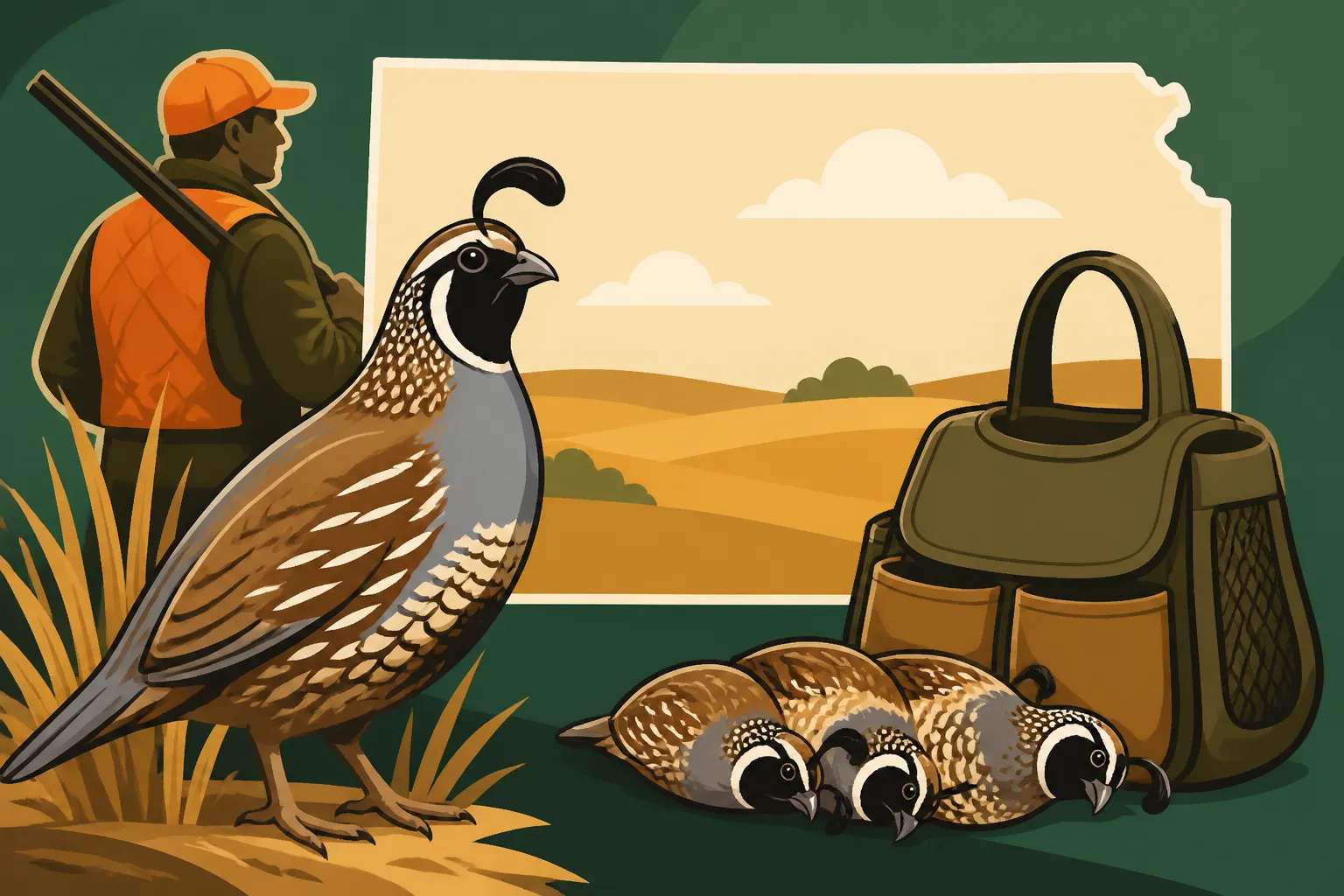
The "daily bag limit" refers to the maximum number of a specific game species that an individual hunter is legally allowed to harvest in a single calendar day. For bobwhite quail in Kansas, this number is eight birds. This means that from midnight to midnight, regardless of how many times you go out or where you hunt within the legal areas, you cannot exceed eight quail. It’s a hard and fast rule designed to spread the harvest pressure and give more hunters an opportunity, while also preventing overharvesting in a short period.
Imagine you're out with a group of friends, enjoying the beautiful Kansas countryside. If there are three hunters in your party, each hunter is individually responsible for their own daily bag limit of eight quail. You cannot combine your birds to exceed one person's limit, even if the total group harvest is within what three individuals could harvest separately. Each hunter must cease hunting for quail once they have personally reached their eight-bird limit for that day. This individual accountability is crucial and ensures fairness across all participants. The Kansas Department of Wildlife and Parks (KDWP) sets these limits after extensive surveys and data analysis, taking into account factors like population trends, nesting success, and available habitat. It’s a science-backed effort to maintain healthy wildlife populations.
Possession Limit Clarified
While the daily bag limit governs what you can harvest in a single day, the "possession limit" dictates the maximum number of game birds you can have in your possession at any given time, regardless of when or where they were taken. For Kansas bobwhite quail, the possession limit is currently three times the daily bag limit, which means twenty-four birds. This limit applies to all places where you might store birds: your cooler in the field, your vehicle, your camp, your home freezer, or even if they're with a taxidermist or processor.
Let's say you've had a fantastic weekend hunt. On Friday, you bagged eight birds, and on Saturday, you added another eight. By Saturday evening, you have sixteen quail in your cooler at camp. That's perfectly legal, as it's below the twenty-four bird possession limit. If you hunt again on Sunday and bag another eight, bringing your total to twenty-four birds, you've reached your possession limit. At this point, you cannot harvest any more quail until you've consumed or given away enough birds to fall back under the twenty-four bird threshold. This rule prevents hunters from stockpiling an excessive number of birds over multiple hunting trips and ensures that the overall harvest remains within sustainable levels. Understanding the difference between these two limits is paramount to staying compliant. It's not just about what you shoot today; it's about the total you hold.
The Rationale Behind Quail Limits and Conservation
Hunting regulations aren't arbitrary rules concocted to make things difficult; they are carefully crafted tools based on scientific data and conservation principles. The bag and possession limits for Kansas quail are direct results of diligent population management efforts aimed at ensuring these iconic birds thrive for years to come. It’s a balancing act between providing recreational opportunities for hunters and safeguarding the future of the species.
Population Management and Sustainable Harvest
The KDWP doesn't just pull numbers out of a hat when setting these limits. They employ a team of wildlife biologists who conduct extensive surveys, monitor habitat conditions, and analyze harvest data annually. Factors like nesting success, chick survival, and overwintering populations are all critically assessed. For example, a severe winter with heavy snow or a prolonged drought can significantly impact quail numbers, often leading to adjustments in season length or bag limits in subsequent years. You might find it useful to check out resources like Quail Numbers After a Wet Spring to understand how environmental factors directly influence population health and, consequently, hunting regulations.
The goal is always "sustainable harvest." This means allowing hunters to take a portion of the population without jeopardizing the species' ability to reproduce and maintain healthy numbers. Quail, like many small game species, have high reproductive rates but also high mortality rates. This natural "surplus" is what hunters are allowed to harvest. By participating in regulated hunting, hunters actually become crucial partners in conservation. The revenue generated from hunting licenses and permits, often managed through programs assisted by tools like GoHunt for application processes, directly funds wildlife research, habitat restoration, and enforcement efforts across the state. Without these funds and the engagement of the hunting community, many conservation initiatives simply wouldn't be possible.
Interplay with Other Upland Bird Regulations
It’s also important to remember that while quail limits are specific, they exist within a broader framework of upland bird regulations. Kansas is famous for its diverse upland bird hunting, including pheasants, prairie chickens, and even partridge in certain areas. Each of these species has its own distinct daily bag and possession limits, as well as specific season dates. For instance, the daily bag limit for pheasants is different from that for quail. This highlights the importance of species-specific identification and careful adherence to each regulation.
You can't, for example, tag a quail using a pheasant limit, or vice-versa. While you might be hunting in the same general areas – perhaps working Quail Coveys in Plum Thickets one moment and then finding pheasants along a milo edge the next – you must track each species separately. Always consult the official Kansas Outdoor Regulations summary, which is released annually, to ensure you have the most current information. This comprehensive document, which you can usually find the Kansas Regulation Summary Release Date for, will detail everything from season dates to specific county restrictions, providing a holistic view of Kansas Upland Bird Season Dates and Limits. A reliable digital mapping platform like GoHunt can also be invaluable for keeping track of open seasons and public hunting areas right on your phone.
Practical Tips for Staying Compliant in the Field
Knowing the rules is one thing; consistently applying them in the heat of the moment or over a multi-day hunt is another. Responsible hunting requires preparation, vigilance, and good habits in the field. Nobody wants to face a situation where they're unsure if they're within legal limits, or worse, accidentally break the law. A few simple practices can make all the difference in ensuring a smooth and enjoyable hunting experience.
Before You Head Out: Preparation is Key
Your compliance with bag and possession limits starts long before you ever step foot in the field. First and foremost, always confirm the current season dates and regulations. While this guide provides current information, regulations can and do change annually. Always refer to the official KDWP hunting regulations for the current year. You’ll also need to ensure your Kansas Small Game Licence Requirements are met and you have all necessary permits. A solid understanding of the regulations is a cornerstone of safe and legal hunting.
Next, plan your hunt with limits in mind. If you’re planning a multi-day trip, especially if you’re staying overnight at a camp or lodge, you need to factor in the possession limit. Consider how many birds you anticipate harvesting each day and how that will accumulate towards your total possession limit of twenty-four quail. Using a mapping app like GoHunt can help you scout potential hunting grounds, identify Working Grass Edges Without a Dog, and even mark areas where you find birds, giving you a better idea of your daily opportunities. This upfront planning can prevent a situation where you're forced to stop hunting early because you've reached your possession limit too quickly.
In the Field and Post-Hunt Best Practices
Once you're actually hunting, keeping an accurate count of your harvested birds is crucial. Some hunters use a simple clicker counter, others keep a mental tally, and some jot down notes on their phone or a small notepad. Whatever method you choose, make sure it’s effective for you. If you're hunting with a party, ensure everyone is aware of their individual daily limits and keeps their birds separate until they can be combined for transport.
After the hunt, proper handling of your harvested birds is important not just for meat quality but also for compliance. Kansas regulations often require that a "wing or head be attached" to upland birds during transport to allow for species identification. This means you can't just breast out all your birds in the field before heading home. Make sure you check the specific transport rules in the current regulations. If you're on a multi-day hunt, remember that birds stored in your camp cooler or freezer still count towards your possession limit. Periodically review your total count to ensure you're not inadvertently exceeding the possession limit as birds accumulate. For those interested in improving their field skills, exploring resources on Dogless Quail Hunting Tactics can provide valuable insights on how to maximize your chances while staying within ethical and legal boundaries.
Avoiding Common Pitfalls and Legal Ramifications
One of the easiest ways to fall into a compliance pitfall is misinterpreting the possession limit. Remember, it's the total number of birds in your possession. This includes birds in your freezer at home from previous hunts, not just the ones you shot today or this week. If you have twenty-four quail in your freezer from last month, you cannot harvest any new quail until you’ve consumed or legally transferred some of those birds. Ignorance of the law is not a valid defense, and violating these limits can lead to significant Kansas Wildlife Violation Penalties, including fines and potential loss of hunting privileges.
Always carry a copy of the current KDWP hunting regulations with you, either a physical pamphlet or a digital version on your phone. Many hunting apps, including GoHunt, integrate state regulations directly, making it easy to cross-reference rules on the fly. This simple practice can save you a lot of grief and ensure you have an enjoyable, worry-free hunt.
Here’s a quick overview of the key limits for Kansas Bobwhite Quail:
| Category | Limit | Description |
|---|---|---|
| Daily Bag Limit | 8 Bobwhite Quail | Maximum number of birds an individual hunter can harvest in a single calendar day (midnight to midnight). |
| Possession Limit | 24 Bobwhite Quail | Maximum number of birds an individual hunter can have in their possession at any given time. |
| Applies To | Individual Hunter | Limits apply per licensed hunter, not per group or household. |
| Season Dates | Varies Annually | Always check the current KDWP regulations for precise season opening and closing dates. |
| Legal Hours | ½ hour before sunrise to sunset | Hunting allowed only during these hours. |
Disclaimer
The information provided in this guide is intended for general informational purposes only and is subject to change. Hunting regulations, season dates, and limits are determined by the Kansas Department of Wildlife and Parks (KDWP) and are updated annually. While every effort has been made to ensure accuracy at the time of publication, it is the individual hunter's responsibility to consult the most current official KDWP hunting regulations before engaging in any hunting activities. Always prioritize safety and adherence to all applicable laws.