Kansas Small Game Licence Requirements
Trying to figure out exactly which licenses and permits you need for a simple small game hunt in Kansas can feel like trying to untangle a ball of fishing line after a long day on the water – frustrating, confusing, and with plenty of snag points. It’s easy to get overwhelmed by all the regulations, especially when you just want to enjoy a crisp fall morning chasing pheasants or a quiet afternoon squirrel hunting. This comprehensive guide is here to cut through that confusion, clearly outlining all the Kansas small game license requirements so you can hit the field with confidence and legality.
Who Needs a Small Game License in Kansas?
It's a common question, and one that trips up a lot of folks, both new hunters and seasoned veterans who might be visiting from out of state. The basic premise is simple: if you're out there pursuing small game species in Kansas, odds are you're going to need a license. But, as with most things in life, there are always a few exceptions and specifics that make it a bit more nuanced. Let's break down exactly who falls into this category and who might get a pass.
Age Requirements and Exemptions
Kansas, like many states, has provisions to encourage youth participation and acknowledge that some of our elder statesmen have earned a break. For the most part, if you are 16 years of age or older, you will need a valid hunting license to pursue small game in Kansas. This is the baseline. It doesn't matter if you're hunting squirrels in a timber patch or walking milo stubble for pheasants, that general hunting license is your entry ticket.
However, young hunters get a fantastic opportunity through the youth hunting exemptions. If you are under 16 years old, you are generally exempt from needing a hunting license. This is huge for getting kids involved, as it removes a barrier to entry. They still need to abide by all other hunting regulations, like bag limits and season dates, and often need to be supervised by a licensed adult. It’s a great way to introduce them to the outdoors without the immediate cost and paperwork burden. Similarly, if you're looking into an adult's Kansas Hunter Education Age Requirement, you'll find different stipulations for that certificate. For our seasoned citizens, those 65 years and older, Kansas offers special senior hunting licenses at a reduced rate or, in some cases, exemptions depending on specific circumstances. It’s always best to double-check the latest regulations as these can sometimes change, but the spirit is usually to honor and encourage participation across all age groups.
Resident vs. Nonresident Definitions
This distinction is absolutely critical, as the cost and availability of licenses can differ dramatically. Many hunters, especially those new to a state, get this wrong, and it can lead to trouble. In Kansas, a resident is generally someone who has lived in the state continuously for at least 60 days immediately prior to applying for a license. There are specific criteria like domicile, voter registration, and vehicle registration that factor into this. You can't just rent a cheap motel room for two months and declare residency; it needs to be your bona fide, primary place of abode.
For everyone else, you’re considered a nonresident. This applies to hunters visiting from Missouri, Oklahoma, Nebraska, Colorado, or anywhere else beyond Kansas's borders. Nonresident licenses are almost always more expensive than resident ones, and sometimes have different season structures or bag limits for certain species. It’s vital to be honest and accurate about your residency status, as misrepresenting it is a serious violation. If you're planning a trip to Kansas, be sure to budget for the nonresident fees. For example, a nonresident small game license will run you more than a resident one, and that’s before you even consider any stamps or permits. Understanding these nuances is key to planning your hunting trip, whether you're a local or coming from afar.
Specific Game Species Covered
When we talk about "small game" in Kansas, it’s not just a blanket term for anything that isn't a deer or turkey. The Kansas Department of Wildlife and Parks (KDWP) specifically defines which species fall under this category, and thus require the general hunting license (often referred to as a "small game license" or "hunting license"). These typically include upland birds and small mammals.
So, what are we talking about? Think about the classic Kansas hunts:
- Pheasants: These iconic ringnecks are a major draw, and you'll definitely need a small game license to pursue them during Kansas Pheasant Season Dates.
- Quail: Both bobwhite and scaled quail are popular, and just like pheasants, require the appropriate license for Kansas Quail Season Dates.
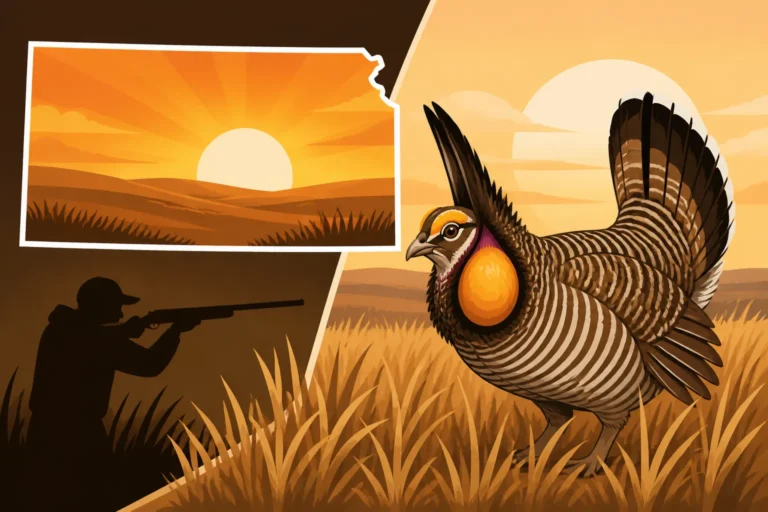
- Prairie Chickens: While they often require an additional permit, a general small game license is the foundational requirement for hunting these unique birds.
- Rabbits: Cottontails and jackrabbits are abundant and provide excellent hunting opportunities, particularly for newer hunters.
- Squirrels: Both fox and gray squirrels are common in timbered areas across the state.
Crucially, this license does not cover big game like deer, elk, or antelope, which require separate permits. Nor does it typically cover migratory birds like doves, ducks, or geese, which have their own set of requirements, including federal and state stamps, as we’ll discuss later. Essentially, if it flies and isn't a waterfowl, or scurries and isn't a furbearer (like coyote or bobcat), it's probably covered by your small game hunting license.
Navigating the Kansas Small Game License Purchase Process
Once you’ve determined you need a license, the next step is actually getting your hands on one. In this digital age, it's easier than ever, but knowing your options and what to expect can save you a headache or two. Whether you're a tech-savvy planner or prefer a good old-fashioned in-person transaction, Kansas offers pathways for everyone.
Online Purchase Options and Platforms
Let's be real, most of us live on our phones and computers these days, and buying your hunting license online is often the most convenient route. The Kansas Department of Wildlife and Parks (KDWP) provides a robust online licensing system through their "Go Outdoors Kansas" portal. This is your primary, official go-to spot. You can access it from any device with internet access, whether you're at home planning your season or sitting in a coffee shop the morning of your hunt. The process is generally straightforward: create an account (or log in if you already have one), select the licenses and permits you need, pay with a credit card, and print your license or save it to your phone. This portal also handles things like your Kansas HIP Registration and special permits, making it a true one-stop shop.
Beyond the official state portal, you might also use third-party tools that integrate with state systems. For example, some hunters use resources like GoHunt to help them plan out-of-state hunts. While GoHunt itself doesn't issue licenses, it often provides valuable links and guides to the official state portals, simplifying the navigation for nonresident hunters who might be less familiar with Kansas's specific websites. It can be a great way to stay organized, especially if you're juggling applications for multiple states. Just remember, no matter how you get there, you'll ultimately be making your purchase through the KDWP's system to ensure legality. The ease of buying a Kansas Nonresident Hunting Licence Price or a resident one online has transformed how hunters prepare for the season.
In-Person Vendor Locations
For those who prefer a more traditional approach, or perhaps find themselves in a remote area without reliable internet access, purchasing a Kansas small game license in person is still very much an option. The KDWP partners with a vast network of authorized license vendors across the state. Think bait shops, sporting goods stores, some county clerk offices, and even certain grocery stores in smaller towns. These vendors have direct access to the state's licensing system and can issue you a physical license on the spot.
This method can be especially helpful if you have questions about specific permits or need clarification, as the staff at these locations are often knowledgeable about local regulations. It's also a fantastic way to support local businesses in the communities you plan to hunt in. Before heading out, a quick call to a potential vendor can confirm their operating hours and ensure they are still an authorized agent. This tried-and-true method ensures that everyone, regardless of their comfort with technology, can secure the necessary permits to enjoy the Kansas outdoors. Always make sure to ask for the current year's hunting regulations booklet when you're there; it's a treasure trove of information.
Required Information for Application
Whether you buy online or in person, you'll need to provide some personal information to get your license. This isn't just bureaucracy for the sake of it; it's essential for identification, managing hunter numbers, and sometimes for emergency contact purposes. Typically, you'll need:
- Full Legal Name: As it appears on your government-issued ID.
- Date of Birth: To verify age requirements and exemptions.
- Physical Address: Crucial for determining residency status.
- Driver's License Number or State ID Number: For primary identification.
- Social Security Number: This is often required by federal law for state-issued licenses, particularly those related to federal aid programs like the Pittman-Robertson Act, which funds wildlife conservation. Don't be surprised or alarmed when asked for this; it's standard practice.
- Hunter Education Certification Number: If you were born on or after July 1, 1957, you generally need to have successfully completed an approved hunter education course. Your certification number will be requested. You can find more details on Kansas Hunter Education and Licensing Basics.
For nonresidents, sometimes additional verification might be required, but usually, the above information is sufficient. Having all this information ready when you start the purchase process, especially online, will make it quick and painless. It's a small investment of your time to ensure everything is above board before you head out into the field.
Additional Stamps and Permits You Might Need
Just when you thought you had it all figured out with the general small game license, Kansas (and federal regulations) throw in a few more curveballs. Depending on what you're hunting and where you're hunting it, you'll likely need to add some specific stamps or permits to your basket. These aren't just extra fees; they often directly contribute to conservation efforts for those particular species or habitats.
Federal and State Waterfowl Stamps
If your idea of small game hunting extends to ducks, geese, or other migratory waterfowl, then you’ll need more than just your basic Kansas hunting license. This is where the federal and state duck stamps come into play, and they are absolutely non-negotiable for waterfowl hunters aged 16 and older.
First, there's the Federal Migratory Bird Hunting and Conservation Stamp, more commonly known as the Federal Duck Stamp. This is a crucial purchase, as 98 cents of every dollar spent on this stamp goes directly to acquiring and protecting wetland habitat for ducks, geese, and a multitude of other wildlife species. You can buy this at most post offices, sporting goods stores, or through the KDWP online portal when you're Buying a Kansas Licence Online. Then, Kansas also requires its own State Waterfowl Stamp. This stamp contributes to waterfowl conservation efforts specifically within the state, supporting habitat projects, research, and management programs. You'll purchase this directly from the KDWP. Both stamps are typically valid from July 1st through June 30th, aligning with the federal waterfowl season structure. Missing either of these means you are hunting illegally, so double-check before you hit those duck blinds or Waterfowl Hunting Kansas Reservoirs and Playas.
HIP Registration Requirements
Beyond the federal and state waterfowl stamps, if you plan to hunt any migratory birds in Kansas – and this includes not just ducks and geese, but also doves, woodcock, snipe, and rails – you are legally required to participate in the Migratory Bird Harvest Information Program (HIP). This isn't a physical stamp or an extra fee, but rather a simple registration process.
HIP registration is a federal requirement implemented by states to collect harvest data on migratory birds. When you register, you answer a few quick questions about your previous year's hunting activity for various migratory species. This data is then used by the U.S. Fish and Wildlife Service to estimate harvest numbers, which are absolutely vital for setting sensible hunting seasons and bag limits in the future. It’s a quick process that takes literally a minute or two, often done at the same time you purchase your hunting license through the KDWP online portal or at a vendor. Without a valid HIP registration, you cannot legally hunt migratory birds in Kansas, even if you have all your stamps. It’s a small step that makes a big difference for conservation. More information can be found on Kansas HIP Registration.
Special Permits for Specific Species
While your general small game license covers a broad spectrum of animals, there are a few specific small game species in Kansas that require an additional, separate permit. The most prominent example of this is the Prairie Chicken Permit. If you're heading out to the Flint Hills or the western plains with hopes of harvesting a greater prairie chicken, you absolutely need this permit in addition to your regular hunting license. This permit helps the KDWP manage harvest pressure and collect specific data on these unique birds, whose populations require careful monitoring. You can learn more about this by looking up Kansas Prairie Chicken Permit Requirement.
It's also worth noting that while coyotes are often hunted by small game hunters, they are classified as furbearers in Kansas, not small game. Therefore, pursuing coyotes requires a furbearer license, not just a small game license, unless you are hunting during the legal firearm deer season with a valid deer permit. While bobcats are also furbearers, they have even more stringent permit requirements. This distinction can be confusing, but understanding the classification is vital for staying within the bounds of the law. Always consult the current Kansas hunting regulations for the exact requirements for any species you plan to pursue.
Understanding License Validity and Regulations
Getting the right license is only half the battle; knowing when it's valid, for how long, and what rules come with it is just as crucial. A license that's expired or improperly used is no better than not having one at all. Let's dig into the finer points of keeping your permits current and correct.
License Year and Expiry Dates
One of the most common mistakes hunters make is assuming their license is valid for a full calendar year from the date of purchase. In Kansas, like many states, hunting licenses operate on a specific "license year" cycle that usually doesn't align perfectly with the calendar year. Generally, most annual hunting licenses, including the small game license, are valid from January 1st through December 31st of the year for which they are issued. So, if you buy a license in July, it's valid through December 31st of that same year, not until next July. If you’re purchasing a license in late December, it’s only good for a few more weeks! This is why many hunters buy their new licenses right at the start of the year or just before their first hunt of the new year.
It's absolutely critical to be aware of this, especially if you hunt across multiple seasons, say from early squirrel season in summer to late-season pheasants in winter. You’ll need to renew your license annually. The Kansas Licence Year Dates are a key piece of information for any hunter. Always check the expiration date printed on your license to avoid any unpleasant surprises or, worse, a violation ticket from a game warden. Staying on top of these dates is just good practice for responsible hunting.
Apprentice and Lifetime License Options
Kansas offers some excellent alternative licensing structures that can benefit both new hunters and those committed to the sport for the long haul. The Apprentice Hunting License is a fantastic program designed to introduce newcomers to hunting. It allows individuals (both youth and adults) who have not completed a hunter education course to hunt under the direct supervision of an experienced, licensed adult. This means you don’t have to wait to take a hunter education class to get started in the field, making it much easier to try hunting out. An apprentice license holder must be accompanied by a licensed hunter 18 years of age or older, and the accompanying hunter must be within sight and hearing of the apprentice and be able to render immediate assistance. It’s an ideal way to get hands-on experience and mentorship. You can learn more about this through Kansas Apprentice Hunting Licence.
For the truly dedicated, a Lifetime Hunting License is a significant investment that pays dividends over time. Purchased once, it remains valid for the rest of your life, freeing you from the annual renewal process and any future price increases. While the upfront cost is higher, it can be a smart financial decision for avid hunters, especially if you start young. It's a great way to show your commitment to Kansas hunting and ensure you'll always have your basic hunting privileges covered. These licenses also often come with other benefits, like being exempt from certain stamps or permits, though you’ll still need federal waterfowl stamps and HIP registration if applicable. Consider exploring Kansas Lifetime Hunting Licence if you plan to hunt Kansas for many years to come.
Carrying and Displaying Your License
This might sound obvious, but it's where a lot of honest hunters get into trouble. Having a valid license is one thing; having it with you and being able to present it is another entirely. In Kansas, when you are actively hunting, you are required to have your valid hunting license (and any necessary permits/stamps) in your possession. This means it needs to be on your person, readily available for inspection by a KDWP Game Warden.
Whether you've printed a physical copy and have it laminated in your wallet, or you have an electronic version displayed on your smartphone (the KDWP's "Go Outdoors Kansas" app or a PDF on your phone is usually acceptable), it must be accessible. Relying on "I have it at home" or "It's in the truck" won't cut it if a game warden asks to see it while you're afield. This rule ensures accountability and helps game wardens verify compliance quickly and efficiently. Make it a habit: before you even load your gun or release your dog, double-check that your license is in your pocket or pack. It's a simple step that can prevent a lot of potential headaches and legal issues.
Common Misconceptions and Troubleshooting License Issues
Even with all the information at your fingertips, it’s easy to get wires crossed or run into unexpected snags. The world of hunting regulations can be complex, and Kansas is no exception. Let's address some of the most frequent points of confusion and offer some practical advice for when things don't go exactly as planned.
Confusing Small Game with Furbearer Licenses
This is a really common one and a source of many questions, especially for those new to hunting in Kansas or expanding their pursuits. Many people group animals like coyotes and bobcats into "small game" because they're not deer or turkey, but legally, Kansas classifies them as furbearers. This distinction is critical because hunting furbearers typically requires a separate Furharvester License, not just a general hunting (small game) license.
For example, if you're out calling coyotes in open Kansas country, you need that furharvester license. The exception usually involves incidental take during a legal deer season while you possess a valid deer permit. But purposefully targeting furbearers for sport or pelt collection outside of that very specific context means you need the correct license. This separation allows the KDWP to manage furbearer populations and track harvest data independently. Always double-check the regulations for specific species like Kansas Coyote Calling in Open Kansas Country or bobcats to ensure you have the right permit. Don’t let a simple misunderstanding turn your exciting hunt into a legal issue.
What if You Lose Your License?
It happens to the best of us. You're out in the field, maybe it’s windy, or your wallet slips out of your pocket, and suddenly, your license is gone. Panic sets in. Thankfully, losing your license isn't a permanent disaster in Kansas, and replacing it is usually a pretty straightforward process.
The quickest and easiest way to replace a lost license is often through the same online "Go Outdoors Kansas" portal where you originally purchased it. Log into your account, and there should be an option to reprint your existing licenses or to view a digital version. You can then print a new physical copy or save the digital version to your phone. If you purchased in person, you can still usually access your account online, or you can visit an authorized license vendor. They can look up your record and issue a duplicate for a small fee. The important thing is to address it immediately. Do not continue hunting without a valid license in your possession. It’s always a good idea to keep a digital copy on your phone as a backup, even if you prefer carrying a physical card. That way, if the physical one vanishes, you're still covered.
Avoiding Violations and Penalties
The best way to deal with license issues is to avoid them entirely! Hunting without the proper license, permits, or stamps is a violation of Kansas law and can carry significant consequences. These aren't just minor inconveniences; they can result in hefty fines, confiscation of game and equipment, and even loss of hunting privileges, not just in Kansas but potentially in other states as well through interstate wildlife violation compacts.
The most important advice here is to read the current year's Kansas hunting regulations booklet. Every single year, KDWP publishes a comprehensive guide that outlines all seasons, bag limits, licensing requirements, and general rules. It's available online and at any license vendor. Don't rely on what you "heard" or what was true five years ago. Wildlife laws change. Also, utilize resources like the KDWP website or contact their offices directly if you have any questions. It’s much better to ask a question than to face a citation. Lastly, consider using digital tools like the official KDWP app or services like GoHunt for quick access to regulations and to keep track of your licenses. Being proactive and informed is your best defense against unintentional violations.
| License Type | Resident Annual Cost (Approx.) | Nonresident Annual Cost (Approx.) | What it Covers | Additional Notes |
|---|---|---|---|---|
| Annual Hunting License | $27.50 | $102.50 | Small game (pheasant, quail, rabbit, squirrel, etc.), general hunting | Required for most hunters 16+, basic hunting authorization |
| Federal Duck Stamp | $25.00 | $25.00 | Migratory waterfowl (ducks, geese) | Required for all waterfowl hunters 16+, supports wetlands |
| Kansas State Waterfowl Stamp | $7.00 | $7.00 | Migratory waterfowl (ducks, geese) | Required for all waterfowl hunters 16+, supports Kansas waterfowl |
| HIP Registration | No Cost | No Cost | Migratory birds (ducks, geese, doves, snipe, woodcock, rails) | Federal requirement, quick online survey, must be completed annually |
| Furharvester License | $27.50 | $252.50 | Furbearers (coyote, bobcat, raccoon, opossum, etc.) | Separate license from general hunting, for targeting furbearers |
| Prairie Chicken Permit | $7.50 | $7.50 | Allows harvest of Greater Prairie Chickens | Required in addition to hunting license, limited availability for non-res |
| Apprentice Hunting License | $27.50 | $102.50 | Small game hunting under supervision for those without Hunter Ed | One-time purchase, requires licensed adult supervision |
| Lifetime Hunting License | Varies by age | Not available for nonresidents | All hunting, exempts some state stamps | Significant upfront cost, permanent license, does not cover Federal Duck Stamp |
Disclaimer
The information provided in this guide is for general informational purposes only and is not intended as legal advice. Hunting regulations in Kansas can change frequently. Always consult the most current Kansas Department of Wildlife and Parks (KDWP) official regulations booklet, available on their website or from authorized license vendors, before engaging in any hunting activities. It is the hunter's responsibility to know and comply with all applicable state and federal laws.