Kansas Hunter Education Age Requirement
Trying to figure out all the rules and regulations for hunting in Kansas can feel a lot like jumping into a complex conversation. You've heard bits and pieces, maybe seen some amazing photos, but when it comes to understanding the actual rules and requirements, especially something as specific as when you need hunter education in Kansas, it can get downright confusing. It's easy to wonder if you're even asking the right questions, or if you're just going to accidentally miss some critical step that keeps you from enjoying the field. Don't worry, you're not alone in feeling that way. This guide is designed to cut through that noise, giving you a crystal-clear understanding of Kansas's hunter education age requirements so you can pursue your passion legally and confidently.
Understanding Kansas Hunter Education: More Than Just a Class
Many people, especially those who grew up around hunting, sometimes wonder why they need to spend valuable time in a classroom or clicking through an online course. It might feel like just another hoop to jump through before you can get out there and enjoy a crisp Kansas morning in the blind. But let me tell you, hunter education is genuinely more than just a piece of paper; it's the bedrock for safe, ethical, and responsible hunting for current and future generations. The Kansas Department of Wildlife, Parks and Tourism (KDWPT) has put this system in place for very good reasons, and the benefits are clear.
The Core Goals of Hunter Education
At its heart, hunter education isn't about turning you into an expert tracker or a marksman overnight. Instead, its primary goal is to arm you with the fundamental knowledge and mindset needed to be a responsible hunter. This means covering a broad range of topics that are crucial for anyone venturing afield with a weapon. You'll learn the cardinal rules of firearm safety – always point the muzzle in a safe direction, treat every firearm as if it's loaded, be sure of your target and what's beyond it, and keep your finger off the trigger until ready to shoot. These aren't just suggestions; they are life-saving principles.
Beyond weapon handling, courses delve into wildlife management and conservation principles. You'll understand why bag limits exist, how seasons are set, and the critical role hunters play in funding conservation efforts across the state. Ethical hunting practices are also a big focus, from respecting private land boundaries (a huge deal in Kansas, where so much land is privately owned, see Kansas Landowner Permission Basics) to ensuring clean kills and proper game recovery. It's about developing a deep respect for the animals you pursue and the environment you hunt in. This comprehensive approach ensures that new hunters understand the full scope of their responsibilities, not just the thrill of the harvest. You'll also learn the value of taking care of your harvest properly, like Field Dressing in Warm Kansas Weather, ensuring the meat doesn't spoil.
The Undeniable Impact on Safety
Before widespread mandatory hunter education, hunting was, statistically, a far more dangerous activity. Accidents, often tragic, were unfortunately more common. The implementation of hunter education programs across the nation, including here in Kansas, has led to a dramatic and sustained reduction in hunting-related incidents. This isn't just about preventing accidental shootings, though that's a massive benefit. It also covers critical aspects like proper treestand safety – a common cause of serious injury – and basic survival skills like how to handle unexpected weather changes or how to react if you get turned around in unfamiliar terrain.
The courses also emphasize the importance of communicating with your hunting partners, establishing zones of fire, and the critical role of Hunter Orange Rules During Firearm Season in increasing visibility and preventing mistaken identity accidents. When everyone understands these fundamental rules, the collective safety of the hunting community skyrockets. It transforms hunting into one of the safest outdoor recreational activities. Being certified means you've absorbed this crucial knowledge, contributing to a safer environment for yourself, your companions, and anyone else who might be enjoying Kansas's beautiful outdoors. This kind of robust education, often detailed on platforms like GoHunt, is what helps keep accident rates low year after year.
Navigating Kansas Hunter Education Age Requirements
This is where many people get tripped up. The question isn't just "Do I need hunter education?" but "At what age do I have to get it?" Kansas has specific guidelines that depend on your birth date, and understanding these nuances is key to hunting legally. Whether you're a seasoned adult, a parent introducing a child to hunting, or a newcomer to the sport, knowing these age requirements is absolutely essential.
Mandatory Requirements Based on Birth Date
The critical date to remember in Kansas is July 1, 1957. Here's how it breaks down:
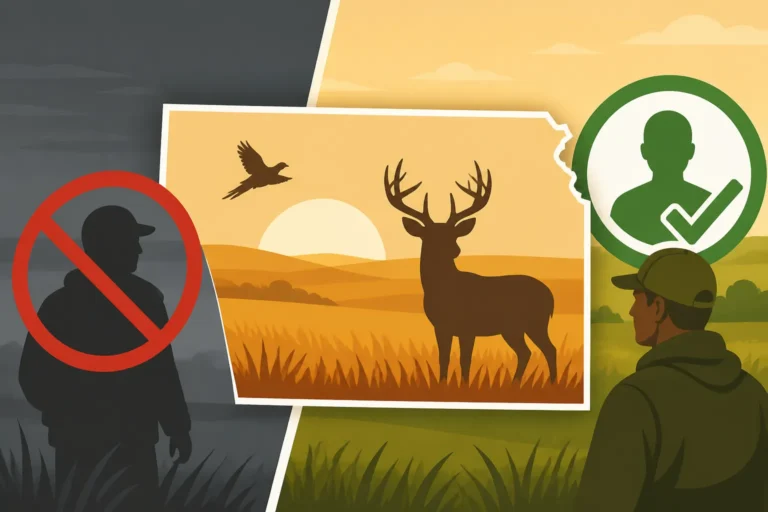
- If you were born on or after July 1, 1957: You must successfully complete a KDWPT-approved hunter education course before you can purchase a hunting license or hunt in Kansas. This applies to everyone, regardless of current age, if your birth date falls on or after this specific date. So, if you're 25, 45, or 65, and you were born after that date, you'll need the certification. This ensures that everyone who has come of hunting age in the modern era receives standardized safety and ethics training.
- If you were born before July 1, 1957: You are generally exempt from the mandatory hunter education requirement. This recognizes that many lifelong hunters from older generations learned their skills and safety principles through experience and family tradition, long before formal hunter education became a statewide mandate. While exempt, it's never a bad idea to brush up on current regulations by looking at the latest Kansas Regulation Summary Release Date. Even experienced hunters can benefit from modern insights and reminders.
This birth date cutoff simplifies things quite a bit. It means that age today isn't the sole determining factor; it's your age relative to that specific date. Always carry proof of your hunter education certification or proof of your birth date if you fall into the exempt category, as a game warden may ask for it. Platforms like GoHunt often advise keeping digital copies handy for quick access in the field.
Young Hunters and Early Certification
Kansas understands that many families want to introduce their children to hunting early, fostering a love for the outdoors from a young age. To accommodate this, the state allows individuals as young as 11 years old to take the hunter education course.
While children under the age of 12 do not need a hunting license to hunt small game (though a Kansas Small Game Licence Requirements applies to older youth), and anyone under 16 can hunt big game without hunter education if directly supervised by a licensed adult, getting certified early has huge advantages.
- Preparation for Independence: A child who completes hunter education at 11 or 12 will have their certification in hand. This means when they turn 16 and want to hunt independently, they've already fulfilled that requirement. No scrambling for a last-minute class during deer season! This is a proactive step that many hunting families appreciate, making the transition to independent hunting much smoother. This also means they’ll be ready when it’s time to look into Kansas Junior Hunter Licence Rates.
- Enhanced Safety and Knowledge: Even when supervised, a child who has gone through hunter education will have a much deeper understanding of safety, ethics, and regulations. This makes them a more informed and safer hunting companion. It gives parents and mentors peace of mind, knowing their young hunter has a solid foundation. You can easily find information on taking the Kansas Hunter Education Online Course which is a flexible option for many families.
It's a really smart move to get youth certified early, especially if hunting is going to be a consistent part of their life. It removes a potential barrier down the road and empowers them with vital knowledge from the start, whether they're pursuing Kansas Upland Bird Season Dates and Limits or learning how to pattern deer.
Specific Age Brackets and Their Nuances
Let’s break down the age specifics into a quick, easy-to-digest table. This should help clarify who needs what and when, making it easier to plan your next hunting trip and ensure everyone in your party is compliant with Kansas law.
| Age Group | Hunter Education Requirement in Kansas | Notes |
|---|---|---|
| Born Before July 1, 1957 | Exempt. Not required to complete a hunter education course. | Still advisable to stay updated on current regulations. |
| Born On or After July 1, 1957, and Age 16+ | Required. Must complete a KDWPT-approved hunter education course. | This is the standard requirement for most adult hunters. |
| Age 11 to 15 | Optional, but highly recommended. Can take the course and receive certification. Not required to hunt if directly supervised by a licensed adult 18 years or older who is hunter education certified or exempt by age. | Getting certified now allows independent hunting at 16. Direct supervision means the adult is within immediate physical control and proximity, providing guidance and intervention as needed. |
| Under Age 11 | Cannot take the course yet. Must wait until age 11. Can hunt small game without a license if accompanied by a licensed adult. Cannot hunt big game without an Kansas Apprentice Hunting Licence or if over 12, without direct supervision of a licensed adult. | No formal hunter education is permitted, but informal mentoring by an experienced adult is encouraged. Focus on safety principles and outdoor ethics. Must be supervised by a licensed adult at all times for any hunting activity. |
| Apprentice Hunter (any age, if born after July 1, 1957) | Not required for the permit, but still needs direct supervision. Allows hunting without certification for one license year under the direct, immediate supervision of a licensed adult. | This is a "try before you buy" option. The supervising adult must be 18+ and hunter education certified (or exempt by age). The apprentice permit itself is usually a one-time use or limited use option. |
This table simplifies the complexities and should be your go-to reference when planning your hunting excursions in Kansas, especially regarding the age for hunter education.
Alternative Paths and Exemptions
Sometimes, the standard hunter education course isn't the right fit, or you might already have equivalent certification. Kansas offers a couple of pathways to address these situations, ensuring that legitimate hunters aren't unfairly excluded from participating in the sport. It's important to understand these options fully to determine if they apply to your specific circumstances.
The Apprentice Hunter Program Explained
For those who don't have their hunter education certificate and were born after July 1, 1957, but want to experience hunting before committing to the full course, Kansas offers the Apprentice Hunter Program. This program is a fantastic way to "try before you buy" the full hunter education commitment, giving you a taste of the field without the immediate classroom demand.
- How it Works: The program allows individuals who are not hunter education certified to hunt under the direct supervision of a licensed adult hunter who is at least 18 years old. This supervising adult must have a valid Kansas hunting license (unless exempt) and must remain within "immediate proximity and control" of the apprentice hunter. Think of it as a mentor-protégé system, where safety and guidance are paramount. They're essentially acting as your on-the-spot instructor for that hunt.
- Who Can Use It: This program is great for adults who are new to hunting and want to see if it's for them, or for older youth (16 and older) who haven't completed hunter education yet. It removes the immediate barrier of the course but still prioritizes safety through direct oversight. It’s also often chosen by those who plan to hunt with family or friends who are already certified. For specific details on this, you'd look for info on the Kansas Apprentice Hunting Licence.
- Limitations: While useful, the apprentice hunter permit isn't a long-term solution. It's designed as an introductory pathway, not a permanent exemption from hunter education for those who need it. It typically allows you to hunt for one license year. If you find yourself loving the experience, the next logical step would be to complete your hunter education course to gain full hunting privileges. Many resources, like GoHunt, provide clear information on these permits and how they integrate with broader hunting regulations. This program also teaches the importance of responsible hunting, such as understanding Access Routes That Do Not Bump Deer while under supervision.
This program embodies the spirit of mentorship in hunting, allowing newcomers to learn firsthand from experienced hunters in a controlled, safe environment, ensuring they grasp the fundamentals of being a good hunter.
Understanding Exemptions and Previous Certifications
Beyond the age-based exemption for those born before July 1, 1957, there are a couple of other scenarios that might exempt you from needing to take a Kansas hunter education course:
- Equivalent Out-of-State Certification: If you've already completed a hunter education course that is approved by another state, province, or country, Kansas will typically recognize that certification. This is part of a reciprocal agreement among wildlife agencies to standardize safety training. So, if you moved to Kansas from, say, Oklahoma, and already have your hunter ed card, you should be good to go. Just be sure to carry your certificate with you as proof. The standards are generally similar across North America, focusing on the same core principles of safety and ethics, whether you're learning about Shot Placement on a Whitetail at Twenty Yards or how to safely cross a fence line.
- Military Personnel: Active duty military personnel, or those honorably discharged, are often exempt from the hunter education requirement. This recognizes the extensive firearms training and safety protocols inherent in military service. However, specific documentation is usually required to prove this status, such as a valid military ID or discharge papers. It's always best to check the most current KDWPT regulations or consult with a resource like GoHunt to ensure you have the correct paperwork and understanding of the rules. These exemptions are designed to streamline the process for those who have already demonstrated a high level of firearm proficiency and discipline.
It's crucial to understand that simply having experience with firearms or hunting in another country without formal certification usually doesn't count as an exemption. Kansas, like most states, requires official proof of a recognized hunter education program. When in doubt, it’s always better to take the course or consult the KDWPT directly. This way, you avoid any potential misunderstandings or legal issues that could spoil your hunt or even cost you significant fines and penalties.
Completing Your Kansas Hunter Education Course
So, you've figured out that you, or your young hunter, need to get certified. What's next? The good news is that Kansas offers flexible options to complete your hunter education, making it accessible for almost everyone. Whether you prefer a traditional classroom setting or the convenience of online learning, there's a path for you.
Online vs. In-Person: Which is Right for You?
Kansas provides two primary methods for completing hunter education:
- Online Course: This is a popular choice for many, especially adults and busy families, due to its flexibility. You can work through the material at your own pace, from the comfort of your home, and often save time compared to traditional classes. Many reputable providers offer KDWPT-approved online courses. These courses are generally very comprehensive, utilizing interactive modules, videos, and quizzes to ensure you grasp the material. The digital format can make it easier to fit into a hectic schedule. However, it's critical to note that most online courses in Kansas require a mandatory field day or in-person review session to complete the certification. This hands-on component is crucial for practical application of skills, like safe firearm handling and carrying techniques, that can't be fully taught online. GoHunt provides useful pointers on finding these field days and what to expect from them.
- Traditional Classroom Course: For those who prefer a more structured learning environment, or for younger students who benefit from direct instruction, the in-person classroom course is an excellent option. These courses are taught by certified volunteer instructors and typically cover several days or evenings. They offer direct interaction with instructors, opportunities for questions, and immediate feedback. The practical field exercises are usually integrated directly into the course, culminating in a final exam. This format can be particularly beneficial for first-time hunters who may have little prior experience with firearms or hunting, as it allows for hands-on guidance from experienced instructors. You can find schedules for these classes through the KDWPT website.
Choosing between online and in-person often comes down to personal learning style and schedule availability. Both are effective ways to gain the necessary certification, but remember that crucial hands-on component for online learners – it's non-negotiable for practical skill development.
What to Expect During the Course
Regardless of whether you choose an online component or a fully in-person class, the content you'll cover is standardized and comprehensive. Expect to learn about:
- Firearm Safety: This is paramount and will be a recurring theme. You'll cover safe loading and unloading, carrying techniques, storage, and the responsible handling of different types of firearms (rifles, shotguns, handguns, muzzleloaders, and even archery equipment). Practical demonstrations and hands-on practice, especially during a field day or in-person session, are critical. This helps hunters understand things like Sighting In Before Firearm Season in a safe, controlled environment.
- Hunting Ethics and Responsibility: This section focuses on fair chase principles, hunter-landowner relations, respecting wildlife, and leaving minimal impact on the environment. It delves into the importance of identifying game accurately, making ethical shots, and understanding the role of hunting in conservation.
- Wildlife Identification and Management: You'll learn how to identify various game species, understand their habitats, and gain insight into wildlife management principles that ensure healthy populations. This includes recognizing deer, turkey, pheasant, and quail characteristics specific to Kansas.
- Kansas Hunting Laws and Regulations: A significant portion of the course is dedicated to understanding the specific rules you must follow when hunting in Kansas. This covers licensing requirements, season dates, bag limits, legal hunting hours, and specific regulations for different game species. Knowing these rules is crucial to avoid violations. You'll also learn about important safety measures like Leaving a Trip Plan for a Public Hunt, which ensures someone knows your whereabouts.
- Survival and First Aid: Basic outdoor survival skills, like navigating, signaling for help, dressing appropriately for the weather, and treating common injuries, are also included to ensure you're prepared for unexpected situations in the field.
The course culminates in a written exam, and often a practical skills test during the field day, to ensure you've absorbed the material and can apply it safely. Passing these components is what earns you your hunter education certificate.
Getting Your Certificate and Next Steps
Once you've successfully completed all the required modules, passed the exams, and attended any necessary field days, you'll receive your official Kansas Hunter Education Certificate. This certificate is your golden ticket to purchasing hunting licenses and enjoying the freedom of hunting legally in Kansas (provided you meet all other licensing requirements).
- Keeping it Handy: Always carry your hunter education certificate (or proof of exemption) when you are hunting. It's just as important as your hunting license and tags. You can usually print a physical copy or save a digital version on your phone for easy access.
- Purchasing Licenses: With your certificate in hand, you can then proceed to purchase the appropriate hunting licenses and permits. For youth, this would involve getting their Kansas Junior Hunter Licence Rates or other specific tags. For adults, it opens up the full range of opportunities, whether you're after whitetails, turkeys, or upland birds, and helps you understand Kansas Hunting Lease Costs if you're looking for private ground.
- Continued Learning: Hunter education is a foundation, not the end of your learning journey. The world of hunting is constantly evolving, with new gear, tactics, and regulations emerging. Continuously seeking out new knowledge, whether through mentors, advanced courses, or reputable platforms like GoHunt, will make you an even more skilled, safer, and effective hunter. Never stop learning, and always prioritize safety and ethics in the field – it's what makes you a true outdoorsperson.
Conclusion
Navigating the Kansas hunter education age requirements might seem like a daunting task at first, but with a clear understanding of the rules, it's a straightforward path. Remember the key date: July 1, 1957. If you were born on or after that date, hunter education is a mandatory step toward getting your license and heading into the field. For younger hunters, taking the course early can set them up for a lifetime of safe and ethical hunting adventures. And for those who need a gentle introduction, the Apprentice Hunter Program offers a valuable stepping stone under direct supervision.
Ultimately, hunter education isn't a barrier; it's an essential gateway to a richer, safer, and more responsible hunting experience. It equips you with the knowledge to make wise decisions, respect wildlife, and contribute positively to our shared hunting heritage in the Sunflower State. So, take the class, get certified, and join the ranks of informed and ethical Kansas hunters!
Disclaimer
The information provided in this guide is for general informational purposes only and does not constitute legal advice. Hunting regulations can change, and it is the hunter's responsibility to consult the most current Kansas Department of Wildlife, Parks and Tourism (KDWPT) regulations before hunting. Always verify specific requirements and dates with official KDWPT sources.