Kansas Upland Bird Season Dates and Limits
Navigating the ever-changing landscape of Kansas upland bird hunting regulations can feel like trying to hit a fast-flying pheasant with a squirt gun – frustrating and often confusing, especially when you're just trying to plan your next outdoor adventure. This guide cuts through the noise, offering clear, detailed insights into the latest season dates, bag limits, and essential requirements for pheasants, quail, and prairie chickens across the Sunflower State, so you can focus on the hunt itself.
Understanding Kansas's Upland Bird Seasons: More Than Just Dates
Every fall, hunters across Kansas and those traveling from out of state eagerly await the opening of upland bird seasons. It's a cherished tradition, a chance to walk the fabled fields and CRP acres that Kansas is famous for, chasing after fast-flushing pheasants, exploding coveys of quail, and the elusive prairie chickens. But before you even load your dog or pack your shells, understanding the intricate web of season dates, bag limits, and specific regulations is paramount. It’s not just about knowing when you can hunt, but how and where to do it legally and effectively.
The Frustration of Juggling Multiple Season Openers
For many hunters, especially those new to Kansas or coming from states with simpler regulations, the sheer number of different season dates and rules can be a real headache. You might be planning a trip to target pheasants, only to realize that quail season opens a week earlier, or that prairie chickens have completely different permit requirements and limited seasons. It's easy to get dates mixed up, leading to wasted travel, missed opportunities, or worse, an accidental violation. This complexity isn't meant to deter you; rather, it’s a reflection of the state's diverse bird populations and conservation efforts to manage these species responsibly. Trying to keep all these details straight in your head, while also trying to coordinate with hunting buddies, can make the pre-hunt planning almost as challenging as the hunt itself.
General Statewide Season Parameters
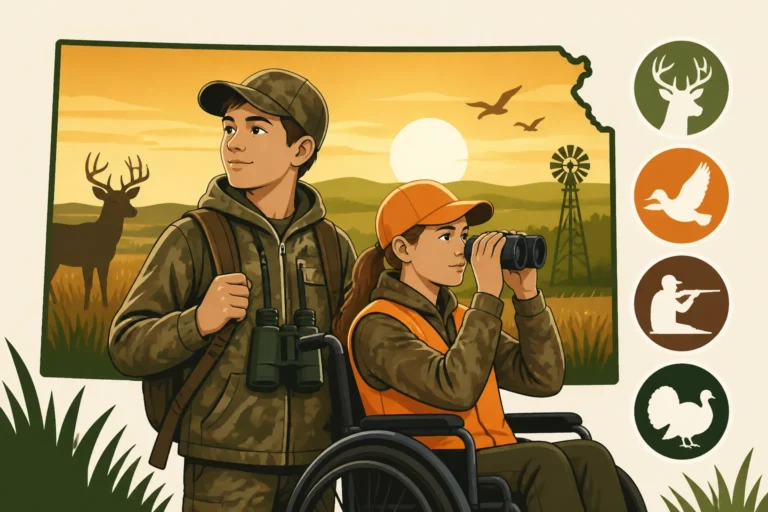
While each species has its specific nuances, there are overarching dates that typically frame the general upland bird season in Kansas. Most often, pheasants and quail seasons tend to open concurrently in early November and run through January, offering a generous window for hunters. These dates are established by the Kansas Department of Wildlife and Parks (KDWP) after careful consideration of breeding success, population surveys, and habitat conditions throughout the year. It’s always wise to double-check the current year's KDWP Hunting Atlas or regulations summary, as dates can shift slightly from year to year. Historically, the youth and physically challenged season might open a week or two earlier, providing a fantastic opportunity for young hunters or those with disabilities to get out before the general rush. This early access is a real boon, offering a less pressured environment and a unique chance to introduce newcomers to the sport.
Ring-Necked Pheasants: Chasing Roosters in the Sunflower State
Kansas is renowned for its pheasant hunting, drawing hunters from all corners of the country. The iconic cackle of a flushing rooster over a field of milo or towering CRP grass is a sound that fuels dreams all year long. But like any good pursuit, there are rules of engagement. Understanding the specific season dates, daily bag limits, and possession limits for pheasants is crucial for a successful and legal hunt. It's not just about finding the birds; it's about respecting the resource and hunting within the established guidelines.
Pheasant Season Specifics: Dates, Daily Bag, and Possession
Generally, the regular pheasant season in Kansas kicks off in early November, often coinciding with the opening of quail season, and runs well into January. For instance, a typical season might begin on the second Saturday of November and extend through January 31st of the following year. This long season offers ample opportunity, whether you prefer the brisk days of early winter or the colder, late-season hunts when pheasants often hold tighter. The daily bag limit for pheasants is usually set at four roosters, meaning you can harvest up to four male pheasants in a single day. The possession limit, which dictates how many pheasants you can have in your possession at any given time (including those back at camp or at home), is typically three times the daily bag limit, or 12 roosters. It’s important to remember that only roosters are legal to harvest in Kansas; hens are protected to ensure strong breeding populations for future seasons. Always confirm the exact dates and limits by checking the official Kansas Pheasant Season Dates for the current year.
Navigating Pheasant Hunting Regulations and Habitat
Beyond the dates and limits, there are other regulations to keep in mind when pursuing pheasants. For instance, legal shooting hours typically run from one-half hour before sunrise to sunset, giving you a full day of hunting. When hunting on Walk-In Hunting Access (WIHA) lands or other public areas, always check for specific local rules, such as restrictions on vehicle access or the use of specific types of blinds. The success of a pheasant hunt often hinges on understanding their preferred habitat. Look for dense cover like CRP grass, plum thickets, or standing row crops like milo and corn. These areas provide food, shelter, and escape cover from predators. Many hunters find tremendous success by focusing on Upland Bird Hunting Kansas Grass and Milo Edges or putting in the work Working Pheasant Fields Without a Dog on smaller, overlooked parcels. Using a mapping tool like those available through GoHunt can be incredibly helpful for identifying potential pheasant habitat and public access points before you even leave your truck. Just remember to always respect private property boundaries and only hunt where you have explicit permission or on designated public land.
Bobwhite Quail: The Explosive Coveys of Kansas
If the cackle of a pheasant is the sound of the plains, then the explosive flush of a bobwhite covey is the heart-stopping adrenaline rush of the Kansas uplands. Bobwhite quail hunting in Kansas is a time-honored tradition, known for its challenging yet incredibly rewarding nature. These small, fast birds demand quick reflexes and often a good bird dog, but the memories made chasing them are priceless. Like pheasants, however, there are specific dates and limits that every hunter must adhere to.
Quail Season Details: Key Dates and Limits
The regular bobwhite quail season in Kansas usually mirrors the pheasant season, kicking off in early November and running through January. This concurrent opening means many hunters can target both species on the same outing, often finding them in similar habitat types. A typical season might start on the second Saturday of November and conclude on January 31st. The daily bag limit for quail is generally more generous than pheasants, typically set at eight quail. This allows for a good harvest when you get into a strong covey. The possession limit, similar to pheasants, is usually three times the daily bag limit, which translates to 24 quail in possession. These limits are designed to allow hunters a fair opportunity while ensuring the long-term health and sustainability of the quail population. Always double-check the most current Kansas Quail Season Dates and limits in the official KDWP regulations for the precise details of the upcoming season.
Finding Quail Coveys and Understanding the Rules
Quail have specific habitat preferences that differ slightly from pheasants, though there can be overlap. They thrive in areas with a mosaic of cover – dense brush for protection, open areas for dusting, and reliable food sources like ragweed seeds or insects. Look for areas with plum thickets, blackberry brambles, and brushy draws alongside agricultural fields. These spots offer the crucial escape cover that quail depend on. Learning to read these landscapes is key to finding Quail Coveys in Plum Thickets. When hunting quail, remember the legal shooting hours, which are typically from one-half hour before sunrise to sunset. While you can hunt quail without a dog, a good bird dog significantly increases your chances of finding coveys and retrieving downed birds, minimizing crippling losses. Be mindful of property lines and always seek permission from landowners before venturing onto private ground. Kansas has a fantastic network of public hunting areas and WIHA tracts that are open to quail hunters, but these areas can receive significant pressure, especially early in the season. Scouting ahead, perhaps using a detailed satellite imagery tool from GoHunt to identify potential quail habitat, can give you a significant advantage.
Greater Prairie Chickens: A Unique Flint Hills Challenge
For the truly adventurous upland hunter seeking a unique experience, the Greater Prairie Chicken offers a challenging pursuit unlike any other in Kansas. These majestic birds, native to the tallgrass prairies, provide a different kind of hunt, often requiring extensive walking and strategic planning. Their limited range and specific habitat mean that pursuing them comes with distinct regulations and a unique set of challenges.
Prairie Chicken Season Structure and Permit Requirements
Hunting Greater Prairie Chickens in Kansas is a privilege that comes with specific regulations designed to protect their populations. Unlike pheasants and quail, prairie chicken seasons are often divided into two segments: an early, limited season (typically in September) and a later season that coincides with the general pheasant and quail season in November and December. The early season is usually very short, perhaps only a few days or a week, and is typically restricted to specific management units. The later season might run from early November through January. What's crucial to understand is that a special permit is required to hunt prairie chickens, in addition to your regular hunting license. This permit is often unit-specific and may have limited availability, sometimes requiring an application process. For instance, the Flint Hills region, famous for its expansive grasslands, is a primary area for these birds. Always check the current Kansas Prairie Chicken Season Segments and permit application procedures well in advance, as these can change annually. The daily bag limit for prairie chickens is usually two birds, and the possession limit is six birds, reflecting the more conservative management approach for this species.
Distinguishing and Respecting Prairie Chicken Regulations
One of the most important aspects of hunting prairie chickens is correctly identifying them in the field. There are two species in Kansas: the Greater Prairie Chicken and the Lesser Prairie Chicken. While only the Greater Prairie Chicken is currently legal to hunt, it's vital to be able to distinguish between the two, as the Lesser Prairie Chicken is a federally protected species. Greater Prairie Chickens are typically larger, darker, and found primarily in the eastern two-thirds of the state, particularly in the Flint Hills. Lesser Prairie Chickens are smaller, paler, and found in the extreme western parts of Kansas. When pursuing Greater Prairie Chickens, respecting their habitat is paramount. They rely on vast tracts of native tallgrass prairie, and successful hunting often involves covering large distances on foot. Areas like the Prairie Chicken Hunting in the Flint Hills are prime locations. It’s a very different hunt than walking corn stubble for pheasants, demanding a higher level of fitness and often a more patient approach. Always confirm legal shooting hours, which are generally one-half hour before sunrise to sunset, and adhere strictly to all permit requirements and unit boundaries.
Essential Licensing and Upland Bird Hunting Logistics
Beyond knowing the season dates and bag limits for individual species, there are fundamental requirements and logistical considerations that apply to all upland bird hunting in Kansas. Ignoring these crucial steps can lead to legal issues, so it's vital to ensure you have all your ducks – or rather, your pheasants and quail – in a row before heading afield. From purchasing the correct licenses to understanding public land access, these details are the foundation of a responsible hunt.
Securing Your Kansas Hunting License and HIP Registration
Before you even step foot in a Kansas field, you must possess a valid hunting license. For Kansas residents, this is straightforward, but for non-residents, you’ll need to purchase a non-resident hunting license. The cost of these licenses can vary, so it's always a good idea to check the current Kansas Hunting Licence and Permit Costs directly on the KDWP website or through their online Go Outdoors Kansas portal. You can easily purchase these online, often print them at home, or acquire them from various license vendors across the state. In addition to your general hunting license, if you plan to hunt any migratory birds (which includes doves, ducks, and geese, but for upland purposes, it’s primarily for dove hunters who might encounter migratory game birds), you'll also need to complete the Harvest Information Program (HIP) registration. While HIP registration isn't strictly required for pheasants, quail, or prairie chickens, it's a good habit to complete if there's any chance you might dabble in other bird hunting during your trip. The Kansas HIP Registration process is quick, free, and can be done online when you purchase your license. It helps wildlife agencies gather vital harvest data, contributing to better management.
Rules for Public and Walk-In Hunting Access for Upland Birds
Kansas offers a fantastic array of public hunting opportunities, including State Wildlife Areas, Corps of Engineers land around reservoirs, and the incredibly popular Walk-In Hunting Access (WIHA) program. Understanding how to access and utilize these lands is key for many upland bird hunters. The Kansas Walk-In Hunting Access Explained program leases private land for public hunting, significantly expanding opportunities across the state. These tracts are often marked with distinctive signs, and details can be found in the annual WIHA atlas or using the GoHunt mapping platform, which often integrates KDWP data.
When utilizing any Public Hunting Land in Kansas, it's crucial to be aware of any special regulations for that specific area. Some wildlife areas might have restricted access times, vehicle limitations, or even special draws for certain species. For WIHA tracts, remember to respect the landowner's property and local rules. For instance, leaving no trace, avoiding driving on fields, and being considerate of agricultural operations are paramount. Some WIHA tracts might be actively managed for specific habitat types, such as CRP Grass and Where Bucks Bed, which can also hold excellent upland bird populations. Always review the detailed maps and regulations for the specific public land you intend to hunt, as rules can vary greatly from one location to another.
Table of Kansas Upland Bird Seasons and Limits (General)
To help keep all those dates and limits straight, here's a general overview of Kansas's primary upland bird seasons. Please remember to consult the official KDWP regulations for the precise, most up-to-date information for the current hunting season, as dates and rules can change annually.
| Species | Typical Season Dates (General) | Daily Bag Limit | Possession Limit | Special Requirements |
|---|---|---|---|---|
| Ring-Necked Pheasant | Early Nov – Jan 31 | 4 Roosters | 12 Roosters | None |
| Bobwhite Quail | Early Nov – Jan 31 | 8 Quail | 24 Quail | None |
| Greater Prairie Chicken | Sept. (Limited) & Early Nov – Dec 31 (Limited Units) | 2 Birds | 6 Birds | Special Permit Required (Unit-Specific) |
| Youth & Disabled Upland | Late Oct – Early Nov (Before General) | Same as General | Same as General | Youth (16 & under) or Physically Challenged Hunter |
This table provides a snapshot, but it's essential to consult the KDWP regulations for specific season openers (e.g., exact Saturday in November) and any unit-specific rules, especially for prairie chickens.
Disclaimer
Please note that hunting regulations, season dates, and bag limits are subject to change by the Kansas Department of Wildlife and Parks. While every effort has been made to provide accurate and up-to-date information in this guide, it is the hunter's responsibility to consult the official KDWP hunting regulations summary for the current year before planning or engaging in any hunting activities. This content is for informational purposes only and should not be considered legal advice.