Upland Bird Hunting Kansas Grass and Milo Edges
There’s nothing quite like the rush of a rooster pheasant exploding from thick cover, or the startling flush of a covey of bobwhite quail from beneath your boots. But if you’ve spent any time chasing upland birds in Kansas, you know it’s rarely as easy as it sounds in those romantic hunting stories. Finding and effectively hunting these wary birds, especially when focusing on specific habitats like grass and milo edges, requires a deep understanding of their behavior, the landscape, and a bit of grit. This guide is here to walk you through the nuances of successful upland bird hunting across the Sunflower State’s diverse terrain, ensuring you’re more prepared for those heart-pounding moments.
Understanding Kansas Upland Bird Habitat and Species
Kansas offers a spectacular variety of upland bird hunting opportunities, but success hinges on knowing where to look for each species. It’s not just about finding "bird cover"; it's about understanding the specific types of cover, food, and water that pheasants, quail, and even prairie chickens prefer. This state’s agricultural dominance and vast grasslands create a mosaic of habitats, each with its own feathered residents.
Pheasant Preferences in Grass and Crops
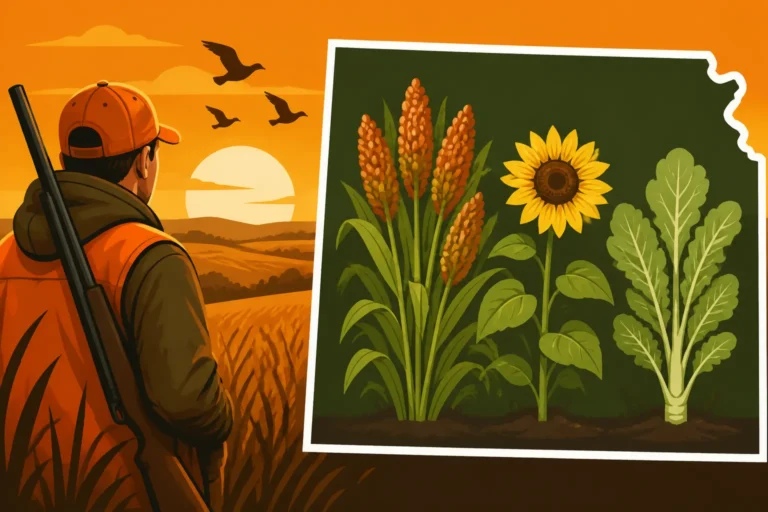
Ring-necked pheasants are truly creatures of the agricultural landscape, thriving where grain crops meet dense cover. They aren't going to be found in the middle of a wide-open pasture with no escape. Instead, they seek out a distinct combination of food, nesting cover, and wintering habitat. Think about those long, chilly Kansas winters – pheasants need protection from the elements, and that often comes in the form of tall, brushy cover. You'll find them concentrating in areas where food sources like milo, corn, or wheat stubble are directly adjacent to heavy cover. This heavy cover might be a dense Conservation Reserve Program (CRP) field, a shelterbelt, or even a deep, brushy ditch. The edges of these habitat types are critical transition zones that pheasants rely on for safety and travel.
During the day, pheasants often feed in crop fields, particularly after harvest, picking up fallen grain. As dusk approaches, or when pressured, they'll move into denser cover to roost or escape predators. A common misconception is that pheasants just live in the crops. While they feed there, it’s the transition areas where you'll consistently find them. Areas with good vertical cover, like tall switchgrass or cattails around sloughs, are prime wintering spots because they offer thermal protection from harsh winds and snow. Knowing these preferences helps you narrow down your search rather than just wandering aimlessly through fields.
Quail Coveys and Their Edge Reliance
Bobwhite quail are social birds, almost always found in coveys, and they are absolute masters of "edge habitat." Unlike pheasants that might push into expansive fields, quail rarely venture far from dense, low-growing cover. They need a perfect blend of escape cover, nesting cover, and accessible food sources, all within a small radius. The ideal quail habitat often looks like a tangled mess to the untrained eye: plum thickets, brushy draws, fencerows overgrown with briars, and field borders choked with native weeds. These spots provide immediate refuge from predators, allowing the covey to "flush" into safety at the slightest disturbance.
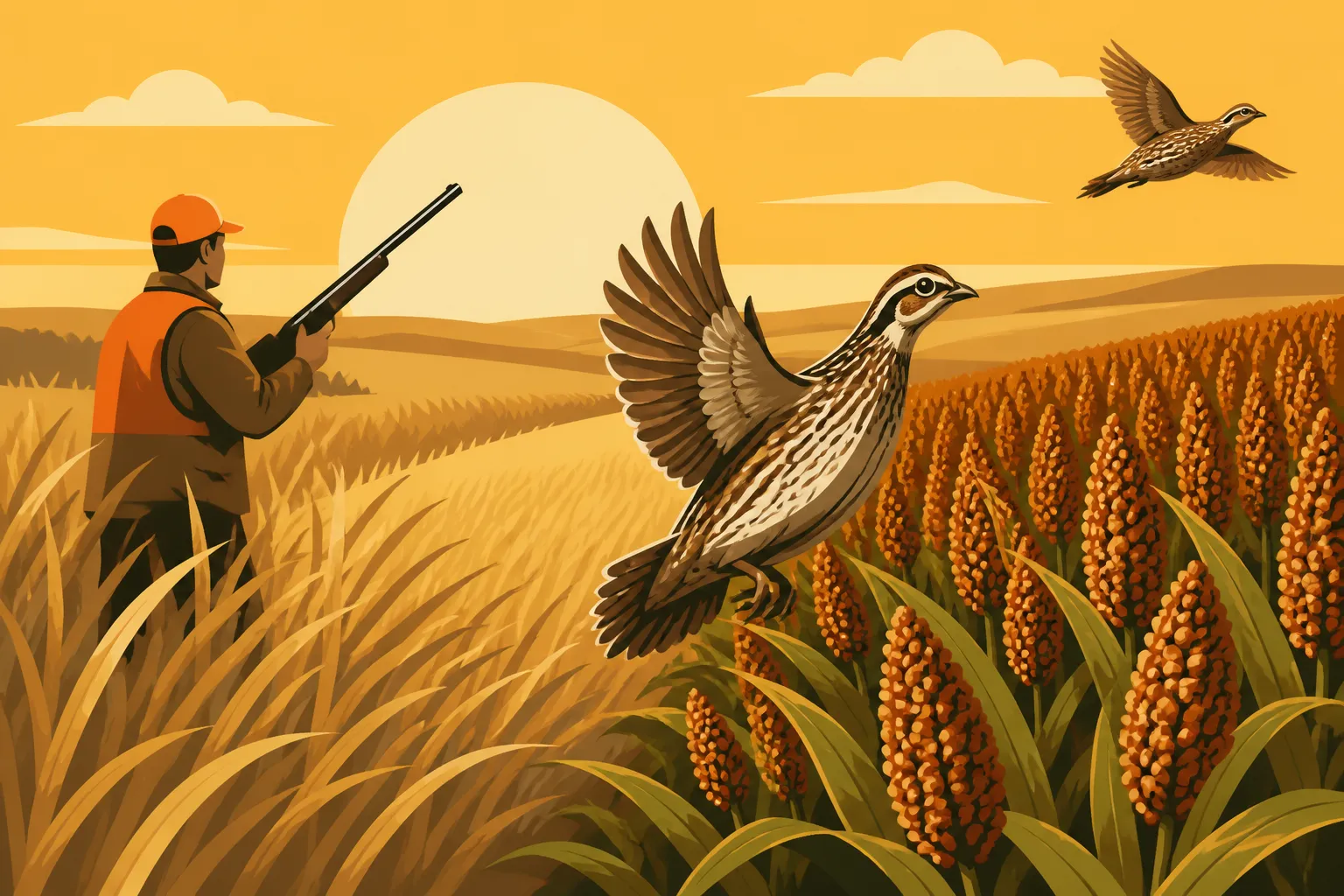
The edges of crop fields, particularly those bordering unmanaged timber or thickets, are magnets for quail. They'll feed on seeds from agricultural crops, native weeds, and insects, but always with that crucial cover just a few yards away. You might find a covey feeding in the stubble of a milo field, but if there's no plum thicket or tangled creek bottom within easy flying distance, they probably aren't there. Think of it as a defensive strategy – they stay close to home. The best quail habitat often reflects a mix of habitat types: bare ground for dusting, dense herbaceous cover for nesting, and woody cover for escape and winter warmth. Understanding this dependency on multi-layered cover and transition zones is paramount for locating those tight-knit coveys.
Prairie Chickens and Native Grasslands
Hunting greater prairie chickens in Kansas is a truly unique experience, taking you to the expansive, often rolling, native grasslands, most famously within the Flint Hills. These birds are distinct from pheasants and quail in their habitat needs, preferring vast tracts of undisturbed tallgrass prairie. They aren't typically found near crop fields or dense timber, as their survival depends on the camouflage and open visibility provided by their natural environment. If you're looking for prairie chickens, you need to be thinking about wide-open spaces, often with some topographical variation like gentle rises and depressions. These areas provide both feeding grounds and lekking (displaying) sites in the spring.
Prairie chickens feed primarily on native grasses, forbs, and insects found within these grasslands. They also need areas where the grass isn't too uniform; they'll utilize slightly shorter grass for dusting and loafing, adjacent to taller, denser stands for concealment. The sheer scale of their habitat can be intimidating, as individual birds or small groups can be difficult to pinpoint. Unlike a pheasant busting out of a milo field, a prairie chicken flush can often be a long-range proposition, with birds taking flight well ahead of hunters. Focusing on subtle changes in terrain within these vast grasslands, or areas that might hold a slightly different mix of native plants, can give you an advantage. It's a hunt that demands patience and the ability to cover significant ground.
Essential Gear for Kansas Upland Hunts
Preparing for an upland hunt in Kansas means more than just grabbing your shotgun and a few shells. The environment can be demanding, from thick cover to unpredictable weather, and having the right gear can make or break your hunt, not to mention your safety and comfort. Thinking through your setup beforehand will save you a lot of grief in the field.
Shotgun Selection and Ammunition
When it comes to shotguns for Kansas upland hunting, versatility is key. While many hunters opt for a 12-gauge, a 20-gauge is perfectly capable and often preferred by those who appreciate a lighter carry, especially when covering many miles. Over-and-unders, side-by-sides, and semi-automatics are all popular choices, each with its advantages. Semi-autos offer quick follow-up shots, while break-actions often feel more balanced for long walks. Whatever your choice, ensure it's one you're comfortable carrying all day and can swing naturally for fast-flushing birds. For pheasants and prairie chickens, open chokes like Improved Cylinder or Modified are generally good starting points, as shots can vary from close flushes to longer passing shots. For quail, a more open choke like Skeet or Cylinder is often preferred due to the rapid, close-range flushes.
Ammunition choice is equally important. For pheasants and prairie chickens, 1 1/4 oz or 1 1/8 oz loads of 5- or 6-shot are popular. These larger shot sizes retain energy better at longer ranges and provide enough knockdown power for tougher birds. When hunting quail, lighter 7 1/2 or 8-shot loads are usually sufficient and spread out more quickly, increasing your chances on those quick-departing coveys. Don't skimp on quality ammunition; consistent patterns and reliable ignition are crucial when that trophy bird flushes. It's also wise to carry a variety if you're hunting multiple species or are unsure of the terrain you'll encounter. Remember, an ethical shot means knowing your gun, your choke, and your ammunition's effective range.
Appropriate Hunting Apparel for the Kansas Landscape
Kansas weather can be notoriously fickle, with wide temperature swings even within a single day. Layering is your best friend. Start with a moisture-wicking base layer, add an insulating mid-layer like fleece, and top it off with a durable, briar-resistant outer shell. For upland hunting, blaze orange is not just a safety recommendation, it's often a legal requirement, especially during firearm deer seasons. A blaze orange vest or hat is usually sufficient, but a full blaze orange jacket is even better for maximum visibility. The briar-resistant outer layer is non-negotiable when you’re pushing through plum thickets and heavy fencerows – trust me, your legs will thank you.
Good quality upland hunting pants or chaps are also essential. They need to be tough enough to withstand thorns and burrs, yet breathable enough to prevent overheating. Waterproof boots with good ankle support are a must, as you'll encounter everything from dew-soaked grass to muddy creek bottoms, and you'll be covering miles. Consider gaiters if your pants aren't fully waterproof or if you anticipate particularly wet conditions. Don't forget a comfortable hat (often blaze orange) for sun protection and a good pair of gloves to protect your hands from briars and cold. The goal is to stay dry, comfortable, and protected, allowing you to focus on the hunt, not your discomfort.
Navigational Tools and Field Safety
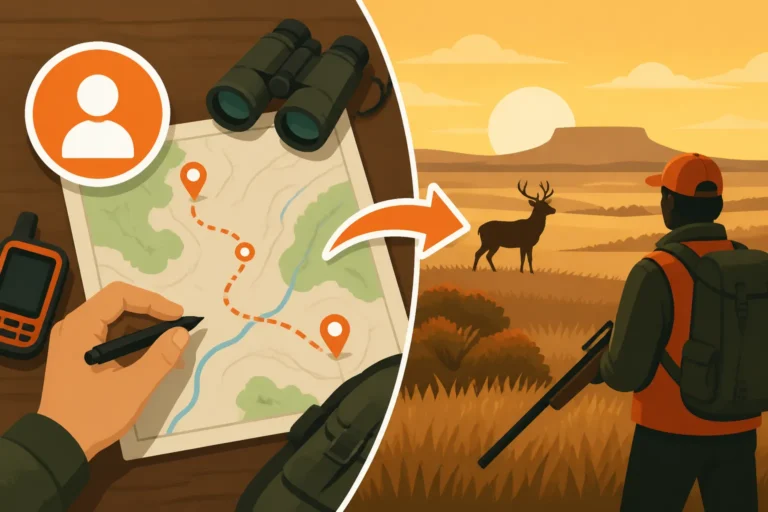
Even seemingly flat Kansas farm country can be disorienting, especially when you're focused on flushing birds. A reliable GPS device or a smartphone app like GoHunt is invaluable. These tools allow you to mark your vehicle, track your path, identify property lines, and locate water sources or dense cover. Knowing exactly where you are and what land you're on prevents accidental trespassing and ensures you can navigate back to your starting point, even as daylight fades. Don't rely solely on your phone; a portable charger is a smart backup, as cold weather can drain batteries quickly. Paper maps, especially a printed WIHA atlas, can serve as a crucial failsafe.
Safety in the field goes beyond just wearing blaze orange. Always know your hunting partners' locations, especially when sweeping fields or driving birds. Communicate clearly and frequently. Treat every firearm as if it's loaded, keep the muzzle pointed in a safe direction, and be absolutely sure of your target and what's beyond it. Carry a small first-aid kit for minor cuts, scrapes, or blisters, and pack plenty of water and snacks. Dehydration can creep up on you, even on cooler days when you're physically active. If you're Hunting Kansas Walk-In Land Without Burning It Out, it's also a good practice to let someone know your hunting plan and expected return time. This combination of navigation and safety preparedness ensures a successful and secure outing.
Reading the Landscape: Locating Birds in Grass and Milo Edges
Kansas is often perceived as flat, endless farmland, but a hunter quickly learns to appreciate its subtle nuances. Every ditch, every timberline, every change in crop stubble holds clues to where birds might be hiding. The key to successful upland hunting here is to become a master at reading the landscape, understanding how different cover types interact, and where those crucial edges form.
Identifying Key Transition Zones
Upland birds are edge creatures. They thrive where two or more habitat types meet, creating a natural corridor or refuge. These transition zones are often where you’ll find the highest concentration of birds. Think about where a vast milo field abruptly ends and transitions into a thick CRP field. That edge is a prime travel and escape route for pheasants. Similarly, a plum thicket bordering a cut corn field offers both food and immediate, impenetrable cover for quail. These transitions aren't always obvious; sometimes it’s a subtle shift from short grass to tall grass, or a wet area with cattails along the edge of a dry field. Successful hunters don't just walk through the middle of fields; they meticulously work these borders and intersections.
Learning to spot these zones requires practice and keen observation, often beginning with E-Scouting Kansas Farm Country From Home before you ever step foot on the ground. Use satellite imagery to identify changes in vegetation, water sources, and man-made features like fencerows or old farmsteads that provide additional cover. When you're in the field, look for subtle changes in elevation that might create thermal cover, or areas where different soil types encourage varied plant growth. The wind also plays a huge role; birds will often tuck into the lee side of cover to escape strong Kansas breezes, so pay attention to how the wind interacts with these edges.
The Importance of Field Edges and Cover Types
Field edges are the lifeblood of upland bird hunting in Kansas. A field of milo or corn provides abundant food, but without adjacent cover, birds feel exposed. This is why you'll rarely find pheasants holding tight in the middle of a vast, open stubble field unless there's an immediate threat. They gravitate towards the borders where they can quickly dive into thicker grass, a shelterbelt, or a brushy creek bottom. These edges serve as safety nets, travel corridors, and even primary feeding zones when birds feel secure enough to venture out from heavy cover. Understanding what constitutes "good" cover is also essential. Not all grass is equal; dense, stiff-stemmed grasses like switchgrass provide far more thermal and escape cover than sparse fescue.
In Kansas, don’t overlook the often-neglected areas that create fantastic edges. Road ditches, for example, can be linear strips of prime pheasant and quail cover, especially if they’re wide and allowed to grow wild. Old equipment lines, forgotten fence rows, and the borders of small, isolated timber blocks that finger out into crop fields are all hotspots. Even a narrow strip of weeds along a fence can hold a covey of quail seeking refuge from an adjacent harvested field. The key is to recognize that birds prioritize security, and these varied cover types along field edges offer that security while keeping food sources within easy reach.
Water Sources and Bird Concentration Areas
While upland birds don't necessarily drink standing water daily like waterfowl, proximity to water is still a critical factor, especially during dry periods or warmer hunting seasons. Water sources can act as magnets, concentrating birds in otherwise sprawling landscapes. This could be a small farm pond, a winding creek, or even just a low-lying area that retains moisture and encourages lush growth. These moister areas often support different vegetation, providing a denser, greener form of cover that birds prefer, or attracting insects which are a vital food source. For example, Early-Season Bowhunting Over Water isn't just for deer; pheasants and quail will also utilize these spots, especially in a drought.
When scouting or hunting, pay close attention to any depressions, sloughs, or stream beds that cut through or run alongside crop fields and grasslands. Even if the water itself isn't immediately visible, the vegetation around it will often be different – taller, thicker, and more resilient. These areas can provide crucial thermal cover during harsh winters or a cool refuge during early-season heat. Birds might roost near these spots, use them as travel corridors, or simply gravitate towards the denser cover they provide. Identifying these subtle water features on a map or with a tool like GoHunt can reveal hidden hotspots you might otherwise overlook in the vast Kansas landscape.
Hunting Strategies for Pheasants in Kansas
Pheasant hunting in Kansas offers a dynamic and challenging experience. These wary birds can hold incredibly tight or flush hundreds of yards away, making a solid strategy essential. It's not just about walking; it's about anticipating, pushing, and sometimes, outsmarting them.
Walking Milo Rows for Pheasants
When milo (grain sorghum) fields are still standing or have been recently harvested, they become prime pheasant habitat, offering both food and cover. Walking these rows effectively requires a methodical approach. Pheasants will often run ahead of hunters, preferring to escape on foot rather than taking to the air. To counter this, you need to work the field methodically, ideally with a line of hunters. Start at one end of the field and walk parallel to the rows, or in a "zigzag" pattern across them. The goal is to push birds towards a pre-determined blocking point or a natural end to the cover.
Pay close attention to changes in density within the rows. Birds often hold up in thicker patches, especially if there's any volunteer growth or weeds mixed in. If you're hunting without a dog, move slowly and deliberately, pausing occasionally. These pauses can often make a nervous pheasant think the danger has passed, causing them to flush. With a dog, let them work the scent carefully, honoring their points. Remember, pheasants are experts at ducking and weaving through rows. Your best bet is often to push them towards an edge where they'll have to choose between flushing or running out into the open. For more insights on this, check out Walking Milo Rows for Pheasants.
Blocking and Driving Kansas Milo Fields
For larger groups or expansive milo fields, blocking and driving is an incredibly effective strategy for pheasants. This involves having a line of "drivers" walk through the field, pushing the birds towards "blockers" strategically positioned at the far end or along the edges of the field. The key to success here is good communication and understanding the birds' likely escape routes. Pheasants will almost always try to run to the densest cover available, or the path of least resistance. Identifying these escape routes beforehand is crucial for placing your blockers effectively.
Blockers should position themselves quietly and out of sight, if possible, along the downwind side of the field or at the end where the heaviest cover is. Drivers should walk slowly and evenly, maintaining a straight line, and making enough noise to encourage birds to move forward. As the drivers near the blockers, the pheasants, now squeezed for space, will often flush. This is when the blockers get their shooting opportunities. This method requires coordination, discipline, and a thorough understanding of the specific field's layout. It's a highly productive way to hunt, especially when those Kansas winds make a single-man push difficult. You can learn more about this technique in Blocking and Driving Kansas Milo Fields.
Working Grass Edges Without a Dog
Hunting pheasants in grass edges without a dog is a tougher challenge, but certainly not impossible. Pheasants can disappear into dense grass as if by magic, and a dog's nose is invaluable for pinpointing them. However, if you're going it alone or your canine companion is at home, a calculated approach can still yield results. Focus on the thickest, tallest grass along field edges, fencerows, and especially those brushy creek bottoms or shelterbelts. These are the areas where pheasants are most likely to hold tight, relying on their camouflage until the very last moment.
Walk slowly and deliberately, taking short steps to allow your eyes to scan the cover. Pausing frequently, sometimes for 10-15 seconds, can often trick a hiding pheasant into thinking you've passed, prompting them to flush. Pay attention to any small depressions, clumps of weeds, or changes in grass height, as these can be where a pheasant might hunker down. Working into the wind can also give you an advantage, allowing you to approach birds more quietly and potentially smell them if the conditions are right (though this is rare for humans!). If hunting with a partner, try to flank edges, with one hunter walking the very edge and the other walking 10-20 yards into the grass, covering different escape angles. For comprehensive advice on this, check out Working Grass Edges Without a Dog.
Tactics for Hunting Kansas Bobwhite Quail
Quail hunting in Kansas is an exhilarating experience, marked by the sudden, explosive flush of a covey. These small but fast birds demand quick reflexes and an understanding of their tight-knit social structure and habitat preferences.
Finding Plum Thickets That Hold Quail
If there's one cover type that screams "quail" in Kansas, it's plum thickets. These dense, often impenetrable stands of wild plum bushes provide everything a bobwhite covey needs: fantastic escape cover, protection from predators, and a buffer against harsh winter weather. Quail feel incredibly secure within a good plum thicket, often holding tight until you are almost on top of them before flushing. They'll use these thickets not just for bedding and refuge but also for feeding on fallen plums and insects in the surrounding undergrowth.
When scouting for plum thickets, look for them along field edges, within brushy creek bottoms, or as isolated islands of woody cover in larger grasslands. A key sign of a productive thicket isn't just its size, but its density – the thicker and thornier, the better for quail. Hunting these spots requires persistence. You often have to push directly through the thicket, or work its edges methodically, making sure to disturb every square foot. If you have a dog, let them work the windward side, as quail scent can be strong. Without a dog, slow, deliberate movement, accompanied by frequent pauses, can surprise a covey. Many a quail hunter has learned the hard way that you need to be ready for an immediate flush when entering one of these tangled havens. For more specific guidance, refer to Quail Coveys in Plum Thickets.
Working Creek Bottoms and Brushy Draws
Beyond plum thickets, creek bottoms and brushy draws are absolute magnets for bobwhite quail in Kansas. These linear features provide a natural combination of water, dense woody cover, and often a rich variety of native food plants. Unlike open fields, creek bottoms offer a sheltered microclimate and a continuous strip of secure habitat that birds can travel along. They act as natural highways for quail, connecting different feeding and bedding areas. The transition zones where these draws meet crop fields or grasslands are particularly productive.
When hunting creek bottoms, work them methodically, pushing downstream or upstream, always being prepared for a flush. Quail will often hold in the thickest pockets of brush, downed timber, or even tall weeds along the banks. If there are small tributaries or finger draws extending from the main creek, be sure to work those thoroughly as well. These smaller offshoots often harbor isolated coveys or provide additional escape routes. In some cases, quail might even be found higher up on the banks, utilizing the cover of erosion cuts or dense fencerows leading away from the water. The best strategy is often to have hunters spaced out, with one working the very bottom of the draw and others walking higher up on the banks, ensuring no birds sneak out unseen. You can find detailed strategies for Reading a Kansas Creek Bottom for Deer Sign, many of which apply to identifying good quail habitat.
The Art of Covey Flushes
The covey flush is the signature moment of bobwhite quail hunting. It's exhilarating, chaotic, and demands immediate, decisive action. When a covey flushes, usually with a burst of wings and chirps, birds will scatter in every direction, often flying low and fast into the nearest dense cover. The "art" of the covey flush lies not just in getting a shot off, but in remembering where the birds landed, as singles often offer excellent follow-up opportunities.
The initial flush happens quickly, so be ready to mount your gun and swing decisively. Pick one bird, focus on it, and don't try to shoot into the "cloud." After the initial shots, mark the general direction and distance where the majority of the birds went down. This is where a good hunting dog shines, as they can quickly locate downed birds and then begin pointing singles. Without a dog, it's much harder, but still possible. Give the birds 10-15 minutes to settle down after the flush, then carefully work the area where you marked their landing. Singles will often hold much tighter than the original covey, offering a better chance for a close-range shot. Patience and good memory are your greatest assets after a covey takes flight.
Hunting Greater Prairie Chickens in Kansas
Hunting greater prairie chickens is a bucket-list experience for many upland bird enthusiasts, offering a taste of true wilderness hunting in the vast Kansas grasslands. These unique birds demand different tactics than pheasants or quail.
Prairie Chicken Tactics in Flint Hills Grass
Hunting prairie chickens in the iconic Flint Hills of Kansas requires covering vast amounts of ground and understanding the nuances of tallgrass prairie. Unlike pheasants that often stick to edges, prairie chickens are creatures of the open prairie, relying on their camouflage and keen eyesight to avoid predators. They will often hold in slightly taller, denser patches of grass, but are prone to flushing far ahead of hunters, especially in open terrain. This is where patience and persistence become key. A successful hunter will cover many miles, walking long, sweeping lines across the prairie.
The best tactic is often to hunt with a group of hunters spread out in a wide line, covering as much ground as possible. This helps to push birds, and also allows you to converge on a flushing bird. Working into the wind is often advantageous, helping to muffle your approach and allowing your dogs (if you have them) to pick up scent more easily. Pay attention to subtle changes in elevation or grass height; a small rise or a draw can provide crucial cover or a thermal advantage for the birds. It’s important to stay alert and be prepared for shots that can be at longer distances than typical pheasant or quail flushes. For more in-depth advice, consult Prairie Chicken Hunting in the Flint Hills.
Early Season Prairie Chicken Timing
Timing is incredibly important for prairie chicken hunting, particularly during the early season. The season usually opens in mid-September, coinciding with warmer temperatures and often still-dense vegetation. During these warmer periods, prairie chickens might be found loafing in the shadier, denser parts of the prairie, or near any available water source. Their activity patterns can also be influenced by the heat; they might be more active in the cooler parts of the morning and evening, retreating to heavy cover during midday.
Early season hunting can also mean encountering birds that are less wary, having seen less hunting pressure. However, the thick cover makes them harder to spot and flush. As the season progresses and the grasses begin to cure and flatten, birds become more visible but also more skittish. Hunting early in the morning, shortly after sunrise, or late in the afternoon can be productive, as birds move from roosting areas to feeding grounds. Pay attention to weather patterns, as a cool front can often invigorate birds and make them more active. Understanding these seasonal nuances can significantly improve your chances of success.
Pass Shooting Prairie Chickens
While many prairie chicken hunts involve flushing birds from cover, pass shooting can also be an effective tactic, particularly if you’ve observed their flight paths or when birds are moving between different areas. Prairie chickens are strong, fast flyers, often flying at a moderate height once airborne. This makes them suitable targets for pass shooting, similar to how one might hunt doves or ducks. This method is especially useful if birds are flushing consistently out of one area and flying towards another, or if you're positioned near a travel corridor they frequently use.
To effectively pass shoot, you'll need to anticipate their flight and position yourself accordingly. This might involve sitting on a slight rise overlooking a large expanse of prairie, or near a known feeding or roosting area. It requires a good understanding of their flight patterns and the ability to lead a fast-moving bird. A 12-gauge shotgun with a modified or full choke and heavier shot (like 4s or 5s) is often preferred for the longer ranges involved in pass shooting. Always be mindful of your surroundings and any other hunters, ensuring a safe shooting lane. This tactic complements traditional walking hunts and can add another dimension to your prairie chicken pursuit.
Hunting Public and Walk-In Lands for Upland Birds
Kansas is renowned for its public access opportunities, particularly through its Walk-In Hunting Access (WIHA) program. Navigating these lands effectively is crucial for any upland hunter, as they represent some of the best opportunities available.
Utilizing Kansas Walk-In Hunting Access Explained
The Kansas Walk-In Hunting Access (WIHA) program is a game-changer for public land hunters, especially for upland birds. It leases hunting rights on private land, opening up thousands of acres for public use. However, WIHA land comes with specific rules and opening/closing dates that differ from traditional public land. Not all WIHA tracts are open for the entire season, and some have specific restrictions. It's essential to consult the current year's Kansas Hunting Atlas, available online or in print, to identify open tracts, their boundaries, and any specific regulations. This atlas is often updated annually, so never rely on outdated information.
When hunting WIHA ground, respect the posted rules, which often include restrictions on vehicle access, camping, and the placement of permanent blinds or stands. The program relies on landowner cooperation, so treating the land with respect ensures its continued availability. Look for WIHA tracts that offer a good mix of habitat – those coveted grass and milo edges, plum thickets, and brushy draws. Early in the season, WIHA tracts can experience significant pressure, so consider hunting weekdays or seeking out less accessible tracts. Understanding Kansas Walk-In Hunting Access Explained is foundational for maximizing your opportunities.
Navigating iWIHA Tracts and Regulations
In addition to traditional WIHA, Kansas has introduced the "iWIHA" system, primarily in some western Kansas counties. These tracts require hunters to check in and out electronically via the "Go Outdoors Kansas" app or website. The iWIHA system often implements daily capacity limits, meaning only a certain number of hunters can be on a specific tract at one time. This system helps manage hunting pressure and improve the quality of the hunting experience.
If you plan to hunt iWIHA land, make sure you have the app downloaded and an account set up well in advance. Connectivity can be spotty in rural Kansas, so don't wait until you're at the property line to try to check in. Check-in rules are strict; if a tract is at capacity, you won't be able to hunt it until another hunter checks out. This system requires a bit more planning but can lead to a more secluded and potentially productive hunt. Being familiar with Checking In and Out on iWIHA Ground is crucial to avoid frustration. Always have a backup plan for a nearby regular WIHA or public tract in case your primary iWIHA choice is full.
Respecting Private Land Boundaries
Whether you're hunting WIHA, state wildlife areas, or federal lands, respecting private property boundaries is paramount. Accidental trespassing is a serious offense and can quickly sour landowner relations, which are already sensitive in Kansas. Always carry a reliable GPS device or use an app like GoHunt with up-to-date property lines. Before you step out of your vehicle, know exactly where you are and where the public land ends. Look for purple paint on fence posts or "No Trespassing" signs, which clearly mark private land.
If a bird you've shot falls on private land, you cannot legally retrieve it without explicit permission from the landowner. This can be a frustrating situation, but it's essential to abide by the law. Make an effort to contact the landowner if possible, but be prepared to lose the bird if permission isn't granted. Being a responsible and ethical hunter means never cutting corners on property boundaries. These laws are in place to protect landowners and hunters alike, and maintaining a good reputation for hunters in Kansas depends on everyone following these simple but critical rules.
Post-Hunt Considerations and Bird Handling
The thrill of the hunt doesn't end with a successful shot; proper post-hunt care ensures your hard-earned game is handled ethically and results in delicious meals. Neglecting these steps can lead to spoiled meat and wasted effort.
Field Dressing and Cooling Upland Birds
Once an upland bird is down, the clock starts ticking, especially if temperatures are warm. Proper field dressing is crucial for preserving meat quality. For pheasants and prairie chickens, many hunters simply "breast out" the bird, taking only the breast meat, wings, and sometimes the legs. This significantly reduces weight and bulk for transport. To do this, simply make an incision through the skin and breastbone, then peel the breast meat away from the bone structure. For quail, many prefer to pluck and gut the entire bird, as there's less meat to justify breasting.
Regardless of your method, the most important step after field dressing is to cool the meat as quickly as possible. If it's a warm day, get the birds into a cooler with ice. Even on cooler days, don't leave them piled in a game bag for hours; air circulation is key. If you're on a multi-day hunt, consider freezing the meat each evening. Rapid cooling inhibits bacterial growth and preserves the flavor and texture of the meat. Leaving birds whole and uncooled for too long, particularly on warm September or October days, is a sure way to ruin your harvest.
Transporting Birds Legally
Transporting upland birds across Kansas, and especially across state lines, comes with specific regulations you need to be aware of. The primary rule in Kansas is that you must leave a "head, wing, or foot attached" to all migratory game birds (like doves) and many upland game birds (like pheasants and turkeys) during transport. This allows game wardens to identify the species and determine sex, if applicable, ensuring compliance with bag limits. While quail are often an exception to this rule due to their small size, it's always best to check the current Kansas hunting regulations for specifics.
If you're traveling out of state, be aware of the laws in your home state and any states you pass through. Some states have specific rules about importing game, particularly concerning Chronic Wasting Disease (CWD) if you've also harvested deer. Always keep your hunting license and permits readily accessible, as game wardens can and will check them during transport. Having your birds properly tagged and identifiable can prevent unnecessary delays or fines. A little preparation goes a long way in ensuring a smooth trip home.
Ensuring a Quality Meal
The ultimate reward for a successful upland hunt is a delicious meal. With proper handling in the field, you're well on your way. Upland birds are lean, flavorful, and incredibly versatile in the kitchen. Pheasant and prairie chicken breasts can be roasted, grilled, fried, or used in stews and casseroles. Quail, being smaller, are often best roasted whole, pan-fried, or even grilled on skewers. The legs and thighs, particularly of larger birds, also offer excellent meat, though they can be tougher and benefit from slower cooking methods like braising.
Consider brining your birds before cooking, especially pheasants, to enhance moisture and tenderness. A simple brine of salt, sugar, and water can make a noticeable difference. Don't overcook upland birds; their lean nature means they can dry out quickly. Aim for an internal temperature of around 160-165°F. Experiment with different recipes and flavor profiles. From classic roasted pheasant with herbs to spicy quail poppers, these birds offer a culinary adventure as rewarding as the hunt itself. Enjoying your harvest with friends and family is the perfect way to cap off a memorable Kansas upland bird hunting experience.
| Upland Bird Species | Preferred Habitat | Primary Food Source | Best Hunting Method | Choke/Shot Size Recommendation |
|---|---|---|---|---|
| Ring-necked Pheasant | Milo/Corn edges, CRP, Shelterbelts, Heavy ditches | Grains (corn, milo, wheat), Insects, Seeds | Walking rows, Driving, Working dense edges | Modified/IC, 5 or 6 shot |
| Bobwhite Quail | Plum thickets, Brushy draws, Fencerows, Crop field edges | Weed seeds, Crop seeds, Insects | Working thick cover, Covey flushing, Dog work | Skeet/IC, 7.5 or 8 shot |
| Greater Prairie Chicken | Tallgrass prairie, Rolling native grasslands | Native grasses, Forbs, Insects | Wide-line walking, Pass shooting, Patience | Modified/Full, 4 or 5 shot |
Disclaimer
Hunting is an inherently dangerous activity. This guide provides general information and recommendations. It is crucial to always prioritize safety, adhere to all local, state, and federal hunting regulations, and obtain proper licenses and permits before engaging in any hunting activities. Consult the official Kansas Department of Wildlife, Parks and Tourism (KDWP) regulations annually, as rules and seasons can change. The author and publisher are not responsible for any accidents, injuries, or legal infractions that may occur.