Rifle Hunting the Kansas December Firearm Season
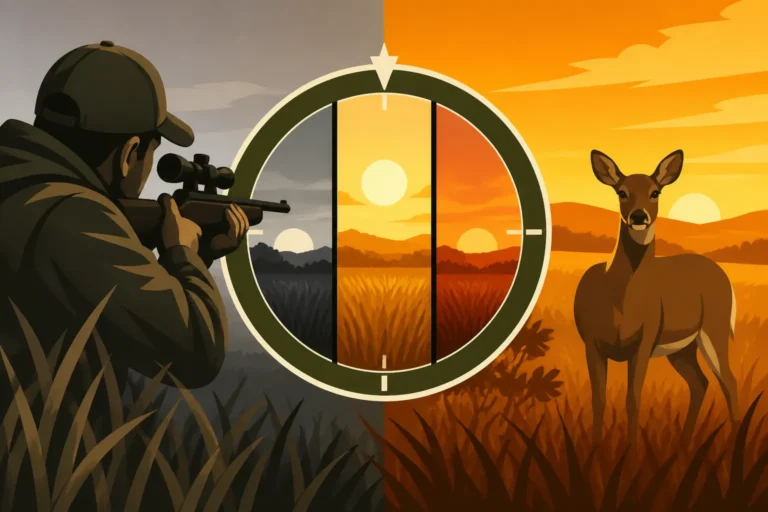
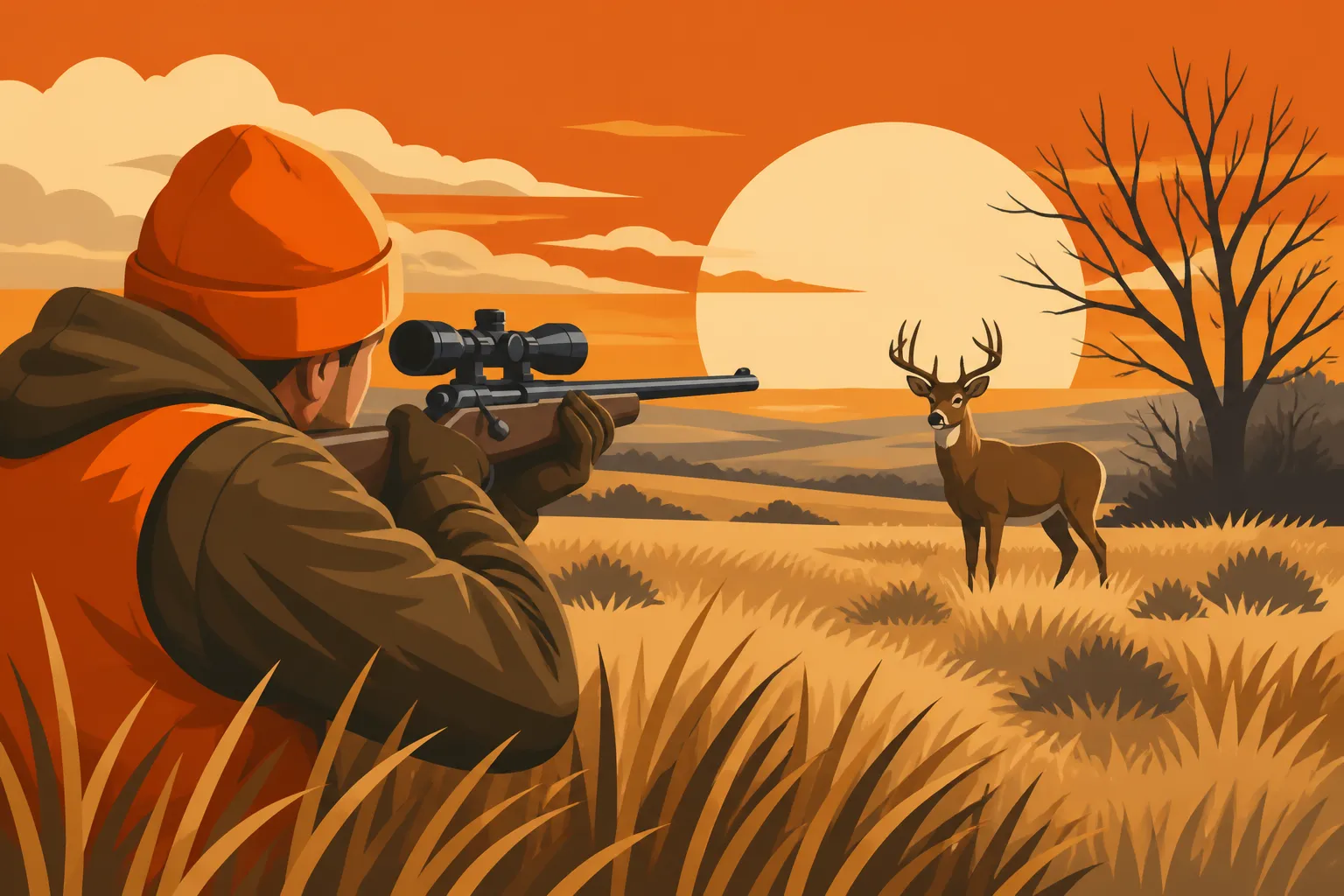
The Kansas December firearm season can feel like a totally different beast compared to the early archery or even the muzzleloader seasons. By this point, deer have been pressured, the rut is long over, and the weather can be downright brutal, making it incredibly frustrating to locate and connect with a whitetail. This guide aims to arm you with the knowledge and strategies to successfully navigate the late-season challenges, from understanding deer behavior to employing effective rifle hunting tactics, ensuring your December hunt is both productive and enjoyable.
Understanding the Kansas December Firearm Season
December in Kansas marks the final major push for deer hunters, especially those with firearm tags. The landscape has often transitioned into a stark, cold environment, and deer behavior reflects both the physical demands of the rut and the constant pressure they've endured. Knowing the specific regulations and how they impact your hunt is paramount.
Season Dates and Regulations
The Kansas firearm season is typically a twelve-day period in early to mid-December, a crucial window for many hunters to fill their freezers or pursue a late-season trophy. Unlike some other states, Kansas has a pretty straightforward firearm season for deer, but you still need to be aware of the specifics. Always double-check the current year's Kansas Department of Wildlife, Parks and Tourism (KDWP) regulations, as dates can shift slightly, and unforeseen changes might occur. Generally, legal hunting hours extend from ½ hour before sunrise to ½ hour after sunset. This generous window allows for prime morning and evening movement, which is particularly important when temperatures drop, and deer might be moving to and from food sources earlier or later in the day.
One critical regulation to remember is the hunter orange requirement. During any firearm deer season, including the December one, all hunters must wear an orange hat and an orange outer garment that has at least 100 square inches of orange material visible from all directions. This isn't just a rule; it's a vital safety measure when more hunters are out in the field. Ignoring this puts both you and others at risk. Moreover, while you're focused on deer, be mindful of other species seasons that might overlap, and ensure you're only targeting legal game with the appropriate permits. Remember that certain equipment, like suppressors, are legal for hunting in Kansas, but fully automatic firearms are not.
Permit Requirements and Unit Selection
Before you even step foot in the field, securing the correct permits is non-negotiable. For the December firearm season, you'll generally need a valid Kansas hunting license, along with your specific deer permit. For non-residents, drawing a Kansas deer permit can be a multi-year process due to the preference point system, making the firearm season permit highly coveted if you're lucky enough to draw one. Residents, of course, have more straightforward access to tags. The type of permit you hold — whether it's an Any-Deer permit (allowing either antlered or antlerless deer) or an Antlerless-Only permit — will dictate what you can legally harvest. During the December firearm season, many hunters focus on filling their freezers with antlerless deer, especially if they've already harvested an antlered buck.
Kansas is divided into 19 deer management units, and your permit is specific to the unit you drew or purchased. Choosing a Kansas primary unit is a decision that often happens months in advance during the application period. Researching units with higher deer densities or those known for larger animals, if that's your goal, is crucial. Keep in mind that some units might have more public land available, while others are predominantly private. For instance, western units might have good numbers of both whitetail and a chance at a mule deer with a specific stamp, whereas eastern units are almost exclusively whitetail. If you're hunting with a firearm, your weapon choice on a Kansas application needs to reflect that. It’s worth noting that if you apply for a muzzleloader or archery permit, you generally cannot hunt during the firearm season with that permit unless it's a bonus tag for antlerless deer. Always confirm the specific species and weapon type allowed on your tag.
Public vs. Private Land Access
Access is often the biggest hurdle for hunters in Kansas, especially during a popular season like the December firearm hunt. Kansas is largely private land, which means knocking on doors and securing permission from landowners is a traditional and often necessary step for success. Don't underestimate the power of a polite conversation and offering to help out around the farm. If you're seeking to hunt on Kansas Walk-In Land Without Burning It Out, understanding the nuances is key. These tracts can offer fantastic opportunities, but they also tend to see higher pressure, especially during firearm season.
The KDWP provides an excellent resource in the form of their WIHA atlas and the iWIHA program, which allows you to check in digitally on certain public tracts. These lands are invaluable, but they require a strategic approach. Deer on WIHA ground will quickly pattern human activity. You'll likely find deer pushed into the thickest, nastiest cover available, often near property lines or in small, isolated pockets of timber that few hunters bother to penetrate. Beyond WIHA, Kansas also boasts a network of state wildlife areas and Corps of Engineers land around its many reservoirs. These areas can vary wildly in hunting pressure and habitat quality. For example, some larger reservoirs might offer extensive timber and creek bottoms that can be productive. Be sure to check specific regulations for each wildlife area, as some might have special restrictions or even draw-only hunts. Remember, effective use of tools like the GoHunt app or other digital mapping resources can help you identify land boundaries, potential access points, and crucial habitat features, whether you're on public or private ground.
Deciphering Late-Season Deer Behavior
By December, the vibrant chaos of the rut has faded, leaving deer focused on a completely different set of priorities: survival, recovery, and finding enough calories to weather the coming winter. Understanding this shift is critical for rifle hunters trying to intercept wary whitetails.
Post-Rut Recovery and Food Sources
The intense activity of the rut leaves bucks physically drained, often losing a significant percentage of their body weight. Their primary drive in December is to replenish those reserves, and that means one thing: food. They're no longer frantically searching for does; instead, they're seeking out the most nutritious and accessible food sources available. This makes late-season food source hunting an incredibly effective tactic.
In Kansas, this often translates to standing crop fields like corn or soybeans that haven't been fully harvested. These fields provide not only a caloric goldmine but also excellent thermal cover, especially on windy or snowy days. Deer will often bed right within these fields or in adjacent thickets, only moving short distances to feed. Beyond standing crops, winter wheat fields can become magnets for deer, offering palatable green browse when other options are scarce. Don't overlook other natural food sources either, such as acorns that might still be present in timbered areas, or even specific types of browse like honeysuckle or multiflora rose in some regions. The key is to identify what is most abundant and desirable in your specific hunting area. A mature buck might travel significant distances to hit a prime food source, especially during cold snaps, so scouting for fresh tracks and droppings in and around these areas is paramount.
Bedding Strategies in Cold Weather
As temperatures plummet and winter settles in, deer bedding preferences shift dramatically. Their survival depends on conserving energy, and that means finding locations that offer maximum thermal protection from wind, cold, and precipitation. Gone are the days of bedding in sparse cover. In December, deer gravitate towards the thickest, nastiest cover they can find.
Think dense cedar thickets, brushy creek bottoms, plum thickets, or deep draws choked with saplings and downed timber. These areas act as natural windbreaks and provide insulation. South-facing slopes, which catch more sunlight, can also be prime bedding locations, particularly during cold, clear days. If snow is on the ground, look for tracks leading into these dense pockets. Deer will often bed with their backs to the wind, facing downwind to catch any approaching threats from behind them with their nose, and threats from upwind with their eyes. This knowledge can help you plan your approach to avoid being scented. If you’re scouting Kansas river bottoms and creek draws, pay close attention to the densest sections, especially those with good sun exposure. In flat farm country, shelterbelts and timber points in Kansas farm country can become critical bedding areas, especially the downwind ends or internal pockets that offer superior cover.
Impact of Hunting Pressure
By December, Kansas deer have been running a gauntlet of human activity for months. Archery season, muzzleloader season, and the early stages of firearm season have all contributed to making deer, especially mature bucks, incredibly wary. This heightened awareness means their daily patterns become much more nocturnal, and they seek refuge in areas hunters are least likely to penetrate. This is where public land deer hunting in Kansas becomes a true chess match.
Deer that have survived weeks of pressure will quickly learn to move under the cover of darkness, or stick to the densest cover during daylight hours. They’ll also use access routes that do not bump deer, often utilizing deep draws, thick fence lines, or river bottoms to move unseen. If you're hunting public land, expect deer to be pushed into sanctuaries — unhuntable private land, steep river bluffs, or inaccessible pockets of thicket. Your strategy needs to adapt to this pressure. Hunting midday can sometimes be productive, as other hunters may be taking breaks, and deer might feel a momentary lull in activity. When hunting pressure patterns on Kansas public land dictate that deer are nocturnal, focusing your efforts on bedding-to-feeding routes right at first light or last light, or even hunting closer to bedding areas, can be effective, but requires an extremely quiet and scent-controlled approach.
Essential Gear for December Rifle Hunting
Successfully rifle hunting in Kansas during December means being prepared for anything Mother Nature can throw at you. From freezing rain to bitter winds and sudden snowfalls, having the right gear isn't just about comfort—it's about safety and effectiveness.
Rifle and Ammunition Selection
When it comes to rifle hunting Kansas deer, reliability and accuracy are paramount. Most popular deer cartridges are more than sufficient for Kansas whitetails, which typically range from 150-250 pounds dressed. Common calibers like .243 Winchester, .270 Winchester, .30-06 Springfield, and .308 Winchester are all excellent choices. The key is to use a rifle you are proficient with and can shoot accurately under field conditions. Before the season, make sure you've sighted in before firearm season, especially if your rifle has been out of the case since last year.
Bullet selection is equally important. Choose a bullet designed for deer hunting that offers controlled expansion and good weight retention to ensure ethical kills. Bonded bullets or those with heavy jackets tend to perform well on larger whitetails. Avoid highly frangible varmint bullets. For Kansas, shots can range from brush-country close to wide-open field crossings potentially out to 300 yards or more, depending on your hunting location. Practice shooting from various positions, including off a rest, kneeling, and even standing, to simulate real-world scenarios. Familiarity with your rifle and ammunition at various ranges will build confidence and ensure a clean harvest.
Cold Weather Clothing and Layering
December in Kansas can be truly miserable if you're not dressed properly. Cold weather stand clothing is critical. The most effective strategy for staying warm is layering. Start with a moisture-wicking base layer that pulls sweat away from your skin; synthetic materials or merino wool are excellent for this. Cotton is a definite no-go as it retains moisture and loses its insulating properties when wet, leading to rapid heat loss.
Your mid-layers should provide insulation, such as fleece, down, or synthetic puff jackets. The number of mid-layers will depend on the day's temperature and your activity level. Finally, your outer layer needs to be windproof, waterproof, and durable. This shell protects you from the elements while allowing your inner layers to do their job. Don't forget your extremities! A warm, insulated hat is essential since a significant amount of body heat is lost through the head. Insulated, waterproof gloves or mittens (often I carry both, using thin shooting gloves and then thick mittens over them) are crucial, as are quality insulated boots designed for cold weather, preferably with good traction for potentially icy or snowy conditions. Chemical hand and foot warmers can also be a game-changer on bitter cold days.
Optics and Ancillary Equipment
Good optics are indispensable for December rifle hunting, particularly for identifying deer in low light or thick cover, and for making accurate shots. A quality pair of binoculars, like those from Zeiss, Swarovski, or Vortex, will allow you to pick apart distant fields, analyze dense bedding areas, and confirm antler characteristics. Binoculars in the 8x to 10x magnification range with large objective lenses (e.g., 8×42 or 10×42) are generally preferred for deer hunting, offering a good balance of magnification and light gathering capability.
A reliable rangefinder is also a must, especially in open country where judging distance can be difficult. Knowing your exact distance to a target is critical for ethical shot placement, particularly if you're pushing the limits of your comfortable shooting range. Many rangefinders now come with angle compensation, which is helpful if you're shooting from an elevated position into a draw or across uneven terrain. Beyond optics, don't forget a good headlamp with a red light option to preserve your night vision, a sharp knife for field dressing, game bags to protect your meat, and a comfortable backpack to carry all your essentials. A GPS device or a mapping app like GoHunt on your phone is also invaluable for navigation, especially on unfamiliar public land or when tracking a deer in thick cover.
Strategic Approach to December Hunting
The December firearm season requires a shift in strategy. Bucks aren't chasing does anymore, and both bucks and does are primarily focused on two things: finding food and minimizing human contact. Your success hinges on understanding and exploiting these late-season priorities.
Focusing on Food Sources
As mentioned, food is king in December. Deer need to pack on calories to survive the winter, and they will gravitate towards the most efficient and abundant food sources. This means your scouting efforts should heavily focus on locating these areas. Look for standing crops, particularly corn and soybeans, that may have been overlooked or intentionally left by landowners. These offer a double benefit: food and excellent thermal cover. Winter wheat fields are another huge draw, especially after a cold snap when other green browse is scarce. Deer will often browse these fields extensively during daylight hours.
Hunting inside corners of crop fields where cover meets a food source can be particularly productive. Look for pinch points or funnels that deer use to transition from bedding to feeding. Setting up a ground blind or treestand overlooking these areas, or along the trails leading to them, is a classic late-season tactic. A key insight is that deer will often hit a food source later in the morning or earlier in the afternoon during the late season compared to the pre-rut, especially if temperatures are brutally cold. Don’t abandon your stand just because the sun is high; be prepared for mid-day movement if it’s a truly frigid day. Use your optics to glass these food sources from a distance, identifying where deer are entering and exiting before committing to a setup.
Hunting Thick Cover and Thermal Hubs
When deer aren't actively feeding, they're bedding, and in December, that means seeking out the thickest, most protective cover available. These "thermal hubs" are your next best bet after food sources. Think dense cedar thickets, plum thickets, brushy creek bottoms, or areas with heavy blowdowns and tangled vegetation. These spots offer refuge from the biting wind, insulating deer from the cold. South-facing slopes that catch direct sunlight are also highly desirable bedding areas on cold, sunny days.
Hunting these thick cover areas requires a different approach than open-country hunting. You'll likely need to still-hunt slowly and deliberately, paying close attention to every sound and movement. Or, if you're sitting, consider setting up a ground blind brushing in within the edge of such cover, allowing you to maximize concealment. Access routes that avoid bedding areas are crucial here; approach from a downwind direction, being incredibly mindful of noise and scent. Deer in these areas will be on high alert. Look for sign leading into these thickets, but also be prepared for deer to be bedded very close by. Often, when you find a thicket that offers good thermal protection, you'll find multiple deer using it.
Utilizing Cold Fronts and Weather Patterns
December weather can be a deer hunter's best friend or worst enemy. Strong cold fronts, especially those accompanied by snow, can trigger significant deer movement. When temperatures plummet, deer know they need to feed to maintain their body heat, and this can lead to increased daytime activity. A cold front movement in December is often a perfect time to be in your stand.
Snowfall itself provides several advantages. First, it quiets the woods, making it easier to move undetected and to hear deer approaching. Second, fresh snow makes blood trailing much easier, which can be a huge benefit when tracking in tall CRP or cedars. Third, it reveals fresh tracks, immediately telling you where deer are moving and what food sources they're hitting. Strong winds, however, can make hunting challenging. Deer typically hunker down in thick cover during high winds, often moving very little. If you must hunt on a windy day, focus on the downwind side of thick cover where deer might be bedded to avoid the direct force of the wind, or hunt very tight to heavy cover, knowing deer will be reluctant to move far. Conversely, the lull immediately after a strong front passes and the wind dies down can be incredibly productive as deer emerge to feed.
Tracking and Recovery in Challenging Conditions
Making a good shot with a rifle during the December firearm season is only half the battle. Retrieving your deer, especially in colder temperatures or across difficult terrain, presents its own set of challenges. Being prepared for the recovery is just as important as the shot itself.
Post-Shot Protocol for Rifle Hunts
After you take a shot with your rifle, the first thing to do is observe the deer's reaction. Did it kick, stumble, or run off like a rocket? Pay close attention to the direction it went and mark the exact spot where it was standing, or where you last saw it, with a landmark. Then, just breathe. Resisting the urge to immediately run after a deer is one of the hardest parts of hunting, but it's crucial. Even with a seemingly good shot, a deer can travel further than you think, and pushing it too soon can make recovery much more difficult.
For a well-hit deer (e.g., heart-lung shot), waiting at least 30 minutes to an hour is generally a good rule of thumb, especially in cold December weather. If you suspect a less-than-ideal hit (gut shot, leg shot), extending that wait to several hours, or even overnight if conditions allow (cold temperatures help preserve the meat), is wise. Always mark your specific shot location and the deer's initial direction of travel. Before you leave your stand, mentally replay the shot, considering the angle, bullet impact point, and the deer's reaction. This information will be invaluable when you start blood trailing.
Blood Trailing in Snow or Frozen Ground
Blood trailing in December can be both a blessing and a curse. If there's snow on the ground, a good blood trail can be easy to follow. However, if the ground is frozen hard, blood might not soak in and can be difficult to see on dry vegetation. Here are some tips for success:
- Take it slow and methodical: Don't rush. Have one person focus solely on finding blood, while others act as spotters looking ahead for the deer itself or further sign.
- Mark the last spot: Every time you find a fresh spot of blood, mark it with flagging tape, toilet paper, or a stick stuck in the ground. This creates a breadcrumb trail and helps you restart if you lose the trail.
- Look for secondary signs: Beyond blood, look for overturned leaves, broken twigs, scuffed earth, or disturbed vegetation. A deer that's hit hard might leave a wide, "plowing" trail in the snow or leaves.
- Look for bone fragments or hair: At the shot site, look for hair (the color can indicate body part hit) or bone fragments. This gives you valuable information about the shot placement.
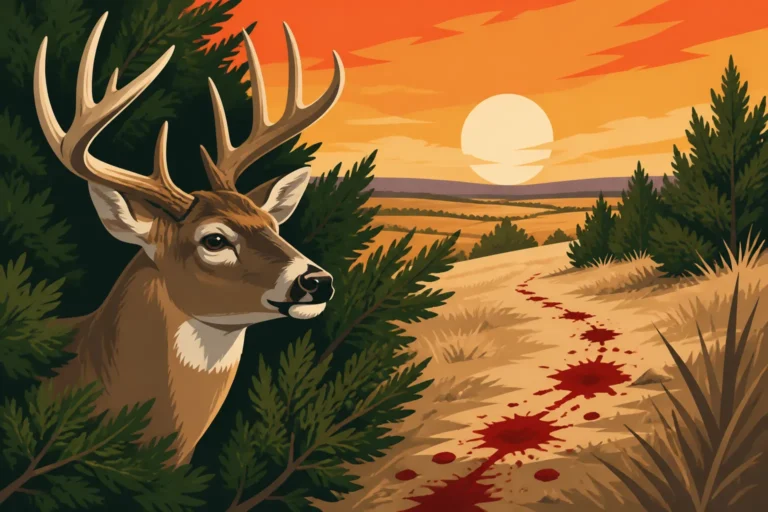
- Consider the type of blood: Bright red, frothy blood indicates a lung hit. Dark red blood suggests a liver or muscle hit. Greenish or brownish blood with stomach contents points to a gut shot, which requires a much longer wait.
- Grid search: If you lose the trail, spread out and do a systematic grid search in the direction the deer was headed. Often, you'll pick up the trail again a short distance away.
- Use a tracking dog: If permitted, and if you're truly stumped, consider bringing in a legal tracking dog. Many professional trackers operate in Kansas and can be invaluable in these situations.
Field Dressing and Cooling Considerations
Once you've recovered your deer, proper field dressing is paramount, even more so in warmer temperatures, but still important in December. While cold weather helps preserve meat, you still want to get the internal organs out quickly to prevent bacterial growth and allow the carcass to cool down as fast as possible.
In December, one advantage is that flies and other insects are generally not an issue. After field dressing, you can often leave the deer for a short period to "set up" or cool down before moving it, especially if you quarter a deer in the field to make it easier to haul out. Be mindful of transporting your deer; Kansas deer tagging requirements include attaching your tag to the deer immediately. For out-of-state hunters, remember to check CWD rules for taking a Kansas deer home, as there are specific regulations about transporting carcasses across state lines. If you're planning to take your deer to a locker plant, try to get it there as soon as possible. Many locker plants during firearm season can be extremely busy, so having a plan or calling ahead is a good idea. For those processing your own deer at home, ensure you have a clean, cool space to work and sharp knives ready. If you're by yourself and dealing with a large buck, getting a deer out of a river bottom alone might require a deer cart on walk-in ground or quartering the animal for easier removal.
Advanced Tactics and Considerations
Beyond the basics, several advanced tactics and critical considerations can significantly enhance your chances of success during the challenging December firearm season. These strategies account for high pressure, wary deer, and the unique opportunities the late season presents.
Small Drive Strategies for Isolated Timber
In Kansas's often sparse timber, especially on public land or small private tracts, deer can be pushed into small, isolated pockets that seem impenetrable. This is where small timber drives with two hunters or more can be highly effective. The key is to be strategic, not simply push deer aimlessly. Identify a block of timber or a thicket where you suspect deer are bedded, often after scouting has revealed fresh sign. Plan your drive carefully, knowing where the deer are likely to exit and positioning blockers accordingly.
The "drivers" should move slowly and deliberately, pausing frequently, making noise, and covering the terrain thoroughly. The "blockers" or "posters" should be set up downwind of likely escape routes, concealed and ready. Best stand locations in flat farm country are often at the corners of small timber blocks or along fence lines that funnel deer movement. Remember, safety is paramount during a drive. Everyone involved must be aware of each other's positions, establish safe zones in a deer drive, and only take clear, ethical shots. This tactic is particularly useful on smaller tracts where deer have been pushed and are reluctant to move far into open areas.
Stand Placement for Rifle Ranges
Rifle hunting inherently offers longer shot opportunities than bowhunting, but this doesn't mean you can throw caution to the wind with stand placement. In fact, thoughtful stand placement is even more critical for rifle hunters to maximize visibility and ethical shot angles. Elevated stands, whether a treestand or a permanent blind, are often ideal. They provide a better vantage point to see over terrain features and vegetation, and they get your scent above the primary deer travel lanes. When practicing shots from a treestand, make sure you're comfortable with various angles.
When hunting in open country, positioning your stand to overlook food sources, pinch points, or terrain funnels that work without hills is key. Consider where deer will approach from, and ensure you have clear shooting lanes within your comfortable range. If possible, set up your stand to maximize morning sun exposure on colder days, both for your own comfort and to help illuminate game. Conversely, be aware of sun glare in your eyes during prime morning or evening hours. Using a decoy in open fields can sometimes draw deer into a more favorable shooting position, but decoy placement and wind direction must be carefully considered. Always have a clear shot in mind, and be aware of your backdrop to ensure bullet safety.
Avoiding and Managing Hunter Interference
December firearm season often means more hunters in the field, especially on popular public land. This increased presence can lead to frustration and decreased deer activity if not managed proactively. One of the best ways to avoid direct interference is to do your homework. E-scouting Kansas farm country from home can reveal tracts of public land that might be harder to access, thus seeing less pressure. The GoHunt app, for example, is excellent for identifying land ownership boundaries, which can help you find overlooked corners of public land or identify potential private land access points.
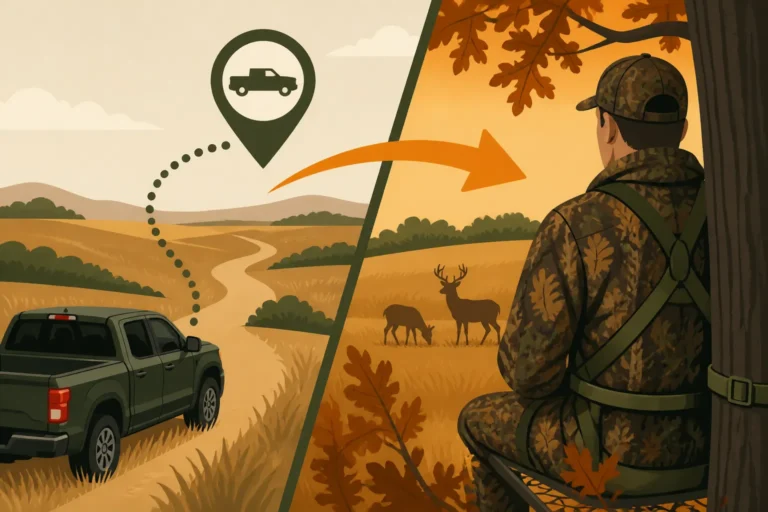
When you do encounter other hunters, always be courteous and respectful. If you arrive at a spot to find someone already there, move on and find another area. There's plenty of ground to cover. If you're on public land, avoid setting up too close to another hunter's vehicle or known stand location. Sometimes, hunters unknowingly push deer to each other. By understanding how hunting pressure after opening weekend affects deer movement, you can predict where deer might be seeking refuge and plan your approach accordingly. Access routes that do not bump deer are critical, and sometimes parking away from your stand and walking in before legal light is necessary to avoid detection by both deer and other hunters. Being flexible and adaptable is key to navigating crowded conditions and still finding success.
Comparison of Key Late-Season Food Sources
| Food Source | Deer Preference | Availability in December | Cover Provided | Hunting Strategy | Notes |
|---|---|---|---|---|---|
| Standing Corn | High | Variable (post-harvest) | High | Hunt edges, internal travel lanes; midday if cold | Excellent calories & thermal cover. Check for unharvested fields. |
| Standing Soybeans | High | Variable (post-harvest) | Medium | Hunt edges, trails leading to/from bedding | High protein & fat. Less thermal cover than corn. |
| Winter Wheat | High | Consistent | Low | Ambush deer entering/exiting field; midday browsing | Green forage is attractive when other foods are scarce. |
| Acorns (Oak) | Medium-High | Variable (if still present) | Low-Medium | Still-hunt oak ridges, transition zones | Depends on mast crop and consumption. Deer will paw through snow for them. |
| Natural Browse | Medium | Consistent | High | Still-hunt thickets, clearcuts; focus on preferred species | Honeysuckle, briars, multiflora rose. Often in thick bedding cover. |
Disclaimer
Hunting is an inherently dangerous activity. Always prioritize safety, adhere to all Kansas hunting regulations, and respect private property. The information provided in this guide is for informational purposes only and should not replace official KDWP regulations or professional guidance. It is your responsibility to ensure you are familiar with and follow all applicable laws.