Weekday Versus Weekend Public Land
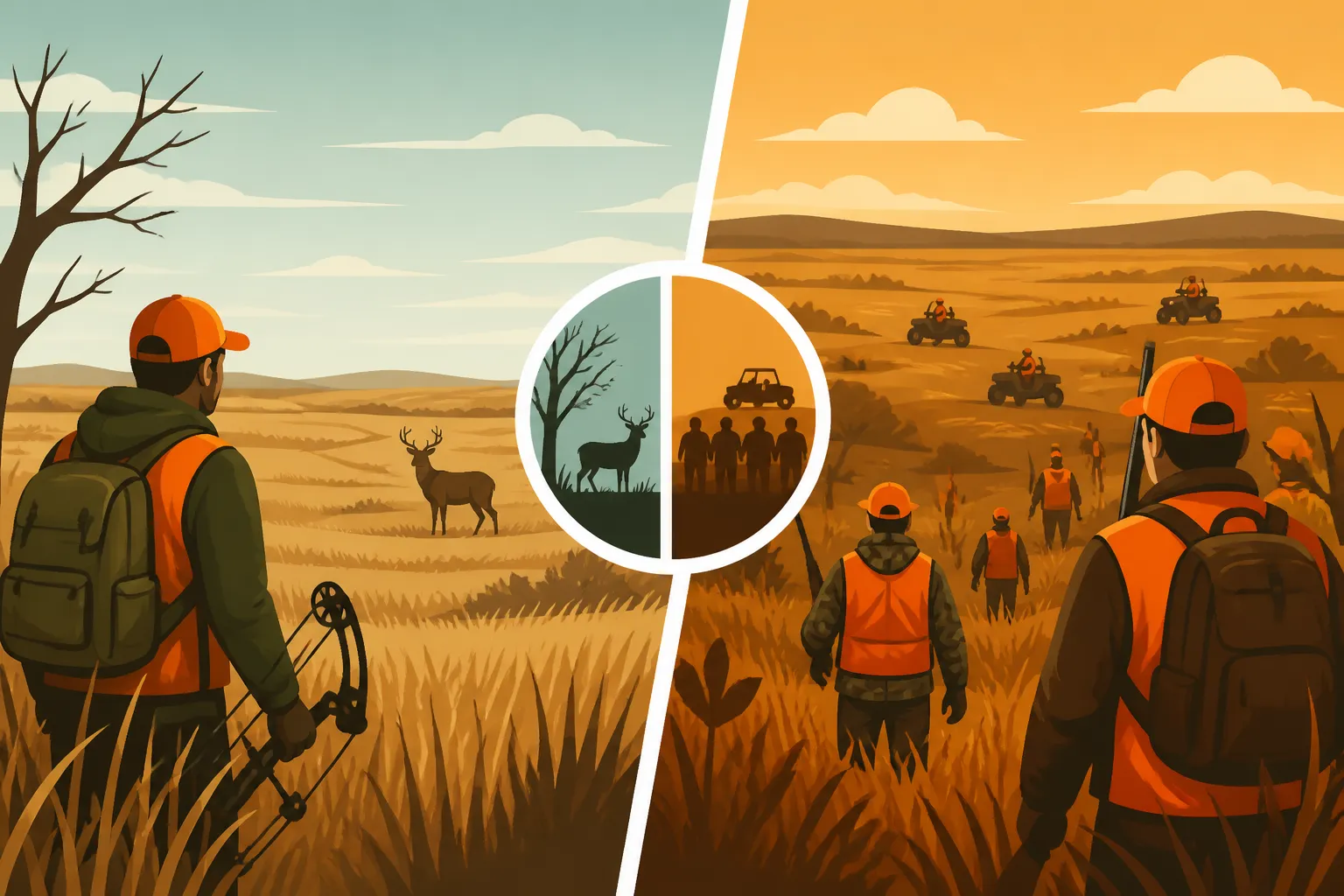
It's a familiar scenario for many Kansas hunters: you've spent all week staring at a computer screen, dreaming of that perfect Saturday morning hunt on public land, only to arrive and find the parking lot overflowing and orange vests everywhere you look. That surge of weekend warriors can make prime spots feel more like a crowded grocery store than a peaceful wilderness. But what if you could understand the rhythm of public land pressure and use it to your advantage? This comprehensive guide will dissect the distinct dynamics of hunting Kansas public lands during weekdays versus weekends, offering actionable strategies to help you find success, no matter when your schedule allows you to hit the timber or the CRP.
Understanding the Shifting Sands of Public Land Pressure
The truth is, public land hunting isn't a static experience. The amount of pressure, and thus the behavior of the game animals, can swing dramatically depending on the day of the week. Recognizing these patterns is your first step toward crafting a more effective hunting strategy.
The Weekend Warrior Phenomenon
Let's be honest, for most folks, the weekend is their only chance to get out. This influx of hunters creates a very specific set of conditions. From Friday evening through Sunday afternoon, public access areas, especially those easily reached, can see significant human traffic. You'll hear more trucks on gravel roads, see more headlamps bobbing in the pre-dawn dark, and potentially bump into more fellow hunters. This pressure often forces deer, turkeys, and upland birds into tighter cover, making them more nocturnal or pushing them into overlooked pockets of habitat. They'll adjust their movements, often avoiding well-used trails and open areas during daylight.
The impact of this human presence is substantial. Deer, for example, will typically bed down earlier and emerge later, often sticking to dense shelterbelts or creek bottoms. Turkeys might be called off the roost but quickly become wary of approaching hunters. Upland birds like pheasants and quail get pushed around relentlessly, often flushing wild or holding incredibly tight in the thickest cover. Many hunters will be out during peak morning and evening hours, but you'll even find consistent traffic midday as people try to make the most of their limited time. This concentrated effort creates distinct Hunting pressure patterns on Kansas public land that you need to be aware of.
The Weekday Advantage
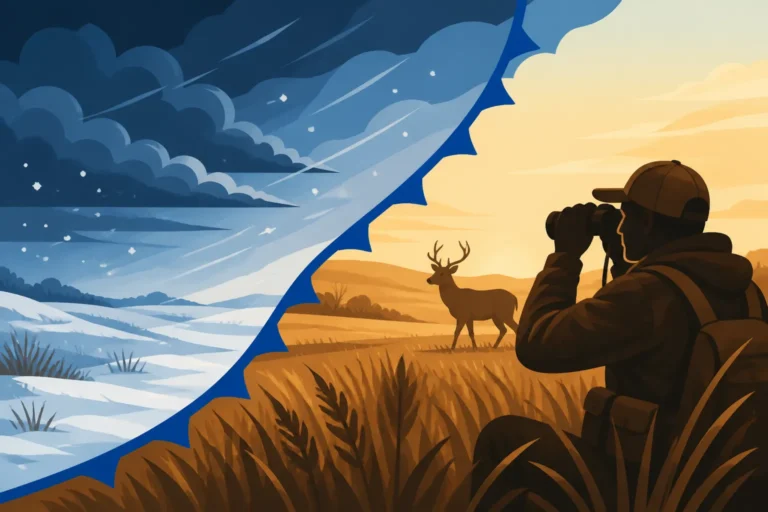
Now, flip that coin. When Monday morning rolls around and everyone else is heading back to work, Kansas public lands often transform. The woods become quieter, the parking lots emptier, and the overall feel is much more serene. With fewer boots on the ground, game animals tend to revert to more natural, predictable patterns. Deer might move more freely during daylight, using those open fields and main travel corridors that were too risky just a day or two prior. Turkeys might respond more readily to calls, and upland birds might hold their ground more confidently.
However, hunting during the week isn't without its challenges. For many, taking time off work isn't feasible, making weekday hunts a rare luxury. Even if you can swing it, traveling to your chosen hunting spot during a workday might mean dealing with different traffic patterns or losing valuable hunting time to the commute. It's a trade-off, but for those who can manage it, the rewards of less crowded woods and more cooperative game can be substantial.
Regional Differences in Pressure
It's not just about weekdays versus weekends; where you hunt in Kansas also dictates the level of pressure you'll encounter. Public lands closer to major metropolitan areas like Kansas City, Topeka, or Wichita often experience heavier use, especially on weekends, simply due to the larger population base nearby. These areas are convenient for day trips, so hunters flock to them.
In contrast, public lands in more remote parts of western Kansas, even on a weekend, might see less intense pressure simply because fewer people live nearby and it requires more travel. State Wildlife Areas (SWAs) often have established parking areas and are well-known, which can concentrate hunters. Walk-In Hunting Access (WIHA) properties, while offering fantastic opportunities, can also vary. Some WIHA tracts are heavily hunted due to easy access or known game populations, while others, perhaps less obvious on the map or requiring a longer walk, might remain relatively unpressured. Using tools like the Kansas Department of Wildlife, Parks and Tourism (KDWP) public land maps or apps like GoHunt can help you scout and differentiate these areas, giving you an edge.
Strategies for Conquering Weekend Crowds
When your only option is to hunt on the weekend, don't despair! With the right strategies, you can still find success. It requires a bit more effort, more careful planning, and often a willingness to go where others won't.
Diving Deeper Than the Rest
The single best piece of advice for weekend public land hunting is simple: go further. Most hunters, being creatures of convenience, stick close to access points. The further you're willing to walk, the better your chances of finding undisturbed game. This means identifying those overlooked pockets of cover, dense thickets, or remote corners of a property that are a pain to reach.
Use your mapping apps, such as GoHunt, to analyze aerial imagery before you even leave home. Look for areas that are difficult to access—perhaps requiring a long walk around a crop field, navigating a tricky creek bottom, or crossing areas of dense, thorny cover. These are the natural sanctuaries where deer will retreat when pressure mounts. Plan to start your mornings extra early to beat the rush to these secluded spots. Remember, deer will try to evade hunters, and their primary goal is survival, which often means finding the quietest, nastiest cover available. Sometimes, this means heading to River Oxbows and Deer Movement in a remote part of a timber block.
Adapting Tactics to Pressure
When hunting pressure is high, you need to adjust your approach. Aggressive tactics like frequent calling or still-hunting through open timber can often backfire as animals are on high alert. Instead, focus on stealth and patience. Consider setting up on the edges of heavy cover, where deer might stage before moving into more open areas, or along escape routes they use when bumped by other hunters.
- Utilize Small, Isolated Cover: Don't overlook small, isolated timber points, brushy draws, or even small patches of CRP grass that other hunters might walk past on their way to larger timber blocks. These spots can act as bedding cover, especially for mature bucks who want to remain undetected. Learning to read a Kansas creek bottom for deer sign can reveal these hidden gems.
- Sit Longer: With disturbed deer, patience is paramount. They might not move until later in the morning or just before dark. Sitting tight in your stand or blind for extended periods, especially during midday, can often pay off when other hunters are back at their trucks for lunch.
- Subtle Calling: If you're deer hunting, grunt calls that work in the pre-rut might need to be softer and less frequent. For turkeys, avoid aggressive calling that might spook birds already wary of human presence. Subtle clucks and yelps can be more effective than loud series.
- Understand Movement: Recognize that deer will be moving in response to pressure, not just natural urges. They'll often try to slip out the back of a property or circle around other hunters. Being aware of this dynamic can help you position yourself for a shot. Look for areas where Shelterbelts and Timber Points in Kansas Farm Country meet, as these can be travel corridors.
Scouting Smart for Weekend Success
Pre-season scouting is always important, but it's absolutely critical for weekend public land hunting. You need to identify those sanctuary areas, escape routes, and hidden food sources that aren't obvious to the casual observer.
- Sanctuary Identification: Spend time during the off-season walking the properties you plan to hunt. Look for the thickest, nastiest cover, especially areas with limited access or natural barriers like steep banks or deep water. These are the places deer will likely retreat to under pressure.
- E-Scouting Power: Before you even put boots on the ground, use tools like GoHunt to e-scout Kansas farm country from home. Look for subtle changes in topography, small pockets of timber, creek bends, or fence lines that create natural funnels. You'll be surprised what you can discover by closely examining satellite imagery. Identify potential Fence Crossings Deer Use Every Day that are off the beaten path.
- Focus on Difficult Access: While scouting, actively seek out areas that look difficult to get to. If it's a pain for you to reach, it's likely a pain for other hunters too, meaning less pressure. This could involve navigating dense cedars or walking extra miles to reach the back side of a property. Knowing how to scout Kansas walk-in tracts before the opener can give you a significant leg up.
Maximizing Your Weekday Opportunities
If you're fortunate enough to have the flexibility to hunt during the week, you're already ahead of the game. The key now is to capitalize on the reduced pressure and take advantage of game animals that are likely more relaxed and active.
Capitalizing on Less Disturbance
With fewer hunters afield, game animals on weekdays often return to more natural movement patterns. This presents opportunities for you to adjust your tactics and explore areas that might be too hot during the weekend.
- Normal Animal Routines: Deer are more likely to use primary trails and feed in open areas during daylight hours. Turkeys might be more willing to come to a call across open fields. You can often focus on prime food sources or bedding areas that would be considered too risky or too exposed on a weekend. For example, deer might be less hesitant to feed in standing corn late in the season if no one is around.
- More Aggressive Tactics: During the week, you might find success with more aggressive calling sequences for both deer and turkeys. Still-hunting through timber can also be more effective, as animals are less jumpy and more likely to hold for a careful approach. If you're comfortable, exploring Muzzleloader Deer Hunting in Kansas's September Season during the week can be very rewarding, especially in less pressured zones.
- Exploiting Core Areas: On public lands, there are often "core" areas that hold the most game but also get the most pressure. During weekdays, these areas can become incredibly productive as game animals move back into them. Don't be afraid to hunt spots that would be a complete bust on a Saturday.
Exploring Prime, Easily Accessible Spots
This is where the weekday advantage really shines. Those easily accessible spots—the ones with big parking lots and obvious trails—that get hammered every Saturday and Sunday can be fantastic on a Tuesday.
- Reclaiming Popular Spots: Consider targeting the same stand locations or fields that are usually overrun. Deer and other game will quickly move back into these areas once the weekend crowds dissipate. You might find a mature buck using an inside corner of a crop field that was completely empty just 48 hours prior.
- Strategic Access: You can often use access routes that would be too disruptive on a weekend, but are perfectly fine during the week because you're the only one there. However, it's still smart to use Access Routes That Do Not Bump Deer whenever possible to minimize your impact.
- Focus on Terrain Funnels: While Kansas is known for being flat, there are still subtle terrain features that create funnels for deer movement. These can include draws, creek lines, or even changes in vegetation density. On weekdays, deer might use these more obvious terrain funnels that work without hills more freely, making them excellent ambush points.
Flexibility in Hunt Planning
One of the biggest perks of weekday hunting is the flexibility it offers. You can often make decisions based on real-time conditions rather than being locked into a rigid weekend plan.
- Weather Adaptation: If a cold front moves in or a significant weather change occurs during the week, you can often pivot your plans to take advantage of these prime conditions without worrying about increased competition. Deer movement is highly influenced by weather, and being able to hunt on the best weather days is a huge advantage.
- Shorter, Productive Hunts: You don't always need a full day. Often, an hour or two in the morning or evening during the week, when pressure is low, can be more productive than a full Saturday spent fighting crowds. This allows you to integrate hunting into your work-week schedule without needing to take a whole day off.
- Midday Movement: On lightly pressured weekdays, deer and other game are often more active during midday hours than they would be on a bustling weekend. Don't dismiss a midday sit as unproductive; it could be your best chance to catch an animal moving between bedding and feeding areas.
Universal Public Land Principles for Kansas Hunters
Regardless of whether you're battling weekend crowds or enjoying weekday solitude, some fundamental principles remain constant for successful public land hunting in Kansas.
The Power of E-Scouting and Physical Recon
Your preparation before the hunt is often as important as the hunt itself. Combining modern technology with old-fashioned boot leather will always put you in a better position.
- Digital Deep Dive: Start your scouting from home. Use online mapping tools and apps like GoHunt to pore over aerial imagery. Look for subtle habitat changes, pinch points, isolated timber blocks, and dense cover where deer might bed. You're looking for patterns, potential travel corridors, and those elusive sanctuary spots. These tools are invaluable for Reading Aerial Imagery for Bedding Cover and identifying optimal stand locations in flat farm country.
- Ground Truthing: E-scouting is a great starting point, but nothing replaces putting boots on the ground. Before the season, take the time to physically scout Kansas walk-in tracts before the opener. Confirm what you saw on the map, look for fresh sign (scrapes, rubs, tracks, droppings), and identify potential stand or blind locations. This also gives you a feel for the terrain, which might not be apparent from a flat map.
- Identifying Key Features: Pay close attention to natural funnels, whether they're subtle changes in elevation, narrow strips of timber between fields, or creek crossings. Deer are creatures of habit, and they'll often use the path of least resistance. These can be Terrain Funnels That Work Without Hills and concentrate deer movement effectively.
Being a Considerate Hunter
Public land is a shared resource, and being mindful of other hunters, even when you don't see them, is crucial. Your actions can impact not only your hunt but also the experience of others.
- Stealthy Access: Whenever possible, park your vehicle in a way that doesn't advertise your presence too heavily or spook nearby game. Walking in before legal light is often a good strategy to avoid bumping deer on your way to your stand. Remember, parking away from your stand minimizes your impact.
- Leave No Trace: Public land means packing out everything you pack in. This includes spent shell casings, food wrappers, and anything else you might bring. When setting up temporary ground blinds or stands, ensure they are removed at the end of your hunt, adhering to rules about portable stand rules on Kansas public land.
- Respect Boundaries: Always be aware of property lines, especially when hunting WIHA or land adjacent to private property. Using mapping apps with property boundaries is essential to avoid trespassing. Knowing the Kansas Trespass Law and Posted Land is critical.
Gear Up for Success (and Comfort)
Having the right gear won't guarantee success, but it will certainly improve your chances and make your time afield more enjoyable.
- Quality Optics: A good pair of binoculars is indispensable for scanning fields, identifying game at a distance, and picking apart distant cover without having to move.
- Quiet Clothing: Layers of quiet, comfortable clothing are essential for staying warm and undetected, especially during colder hunts.
- Reliable Transportation: If you're doing those deep walks, a sturdy deer cart can be a lifesaver for getting a deer out of a river bottom alone or from a distant field. It saves your back and ensures you can retrieve your harvest efficiently.
- Emergency Essentials: Always carry a first-aid kit, a headlamp with spare batteries, a knife, water, and emergency communication (like a fully charged phone or satellite messenger, especially if hunting alone in remote areas). It's better to be over-prepared than under-prepared.
- Mapping Tools: Invest in a reliable hunting app like GoHunt that allows you to download offline maps, mark waypoints, and view public/private land boundaries. These tools are invaluable for navigation and planning.
Weekday vs. Weekend Public Land Hunting Comparison
| Feature | Weekday Hunting | Weekend Hunting |
|---|---|---|
| Hunter Pressure | Generally Low | Generally High |
| Game Movement | More natural, increased daylight activity | Restricted, often nocturnal, pressured into cover |
| Access to Prime Spots | Easier to reach unpressured, easily accessible areas | Requires deeper penetration, more remote spots |
| Calling Effectiveness | Often more effective, less wary game | Requires more subtle, less aggressive approaches |
| Scouting Importance | Still important, but less about avoiding crowds | Critical for finding hidden sanctuaries |
| Flexibility | High, easier to adapt to weather and game patterns | Limited, often locked into specific timeframes |
| Noise Level | Very Quiet | Noticeably Louder (vehicles, voices, gunshots) |
| Time Commitment | Can be productive with shorter sits | Often requires longer sits to wait out pressure |
| Common Strategy | Hunt prime food sources, main travel corridors | Hunt thick cover, escape routes, remote areas |
Disclaimer
Hunting is an inherently dangerous activity. Always prioritize safety, follow all Kansas Department of Wildlife, Parks and Tourism regulations, and obtain proper licenses and permits before heading afield. Be aware of your surroundings, other hunters, and always practice ethical hunting principles. This guide is for informational purposes only and does not supersede official hunting regulations.