Jump Shooting Kansas Farm Ponds
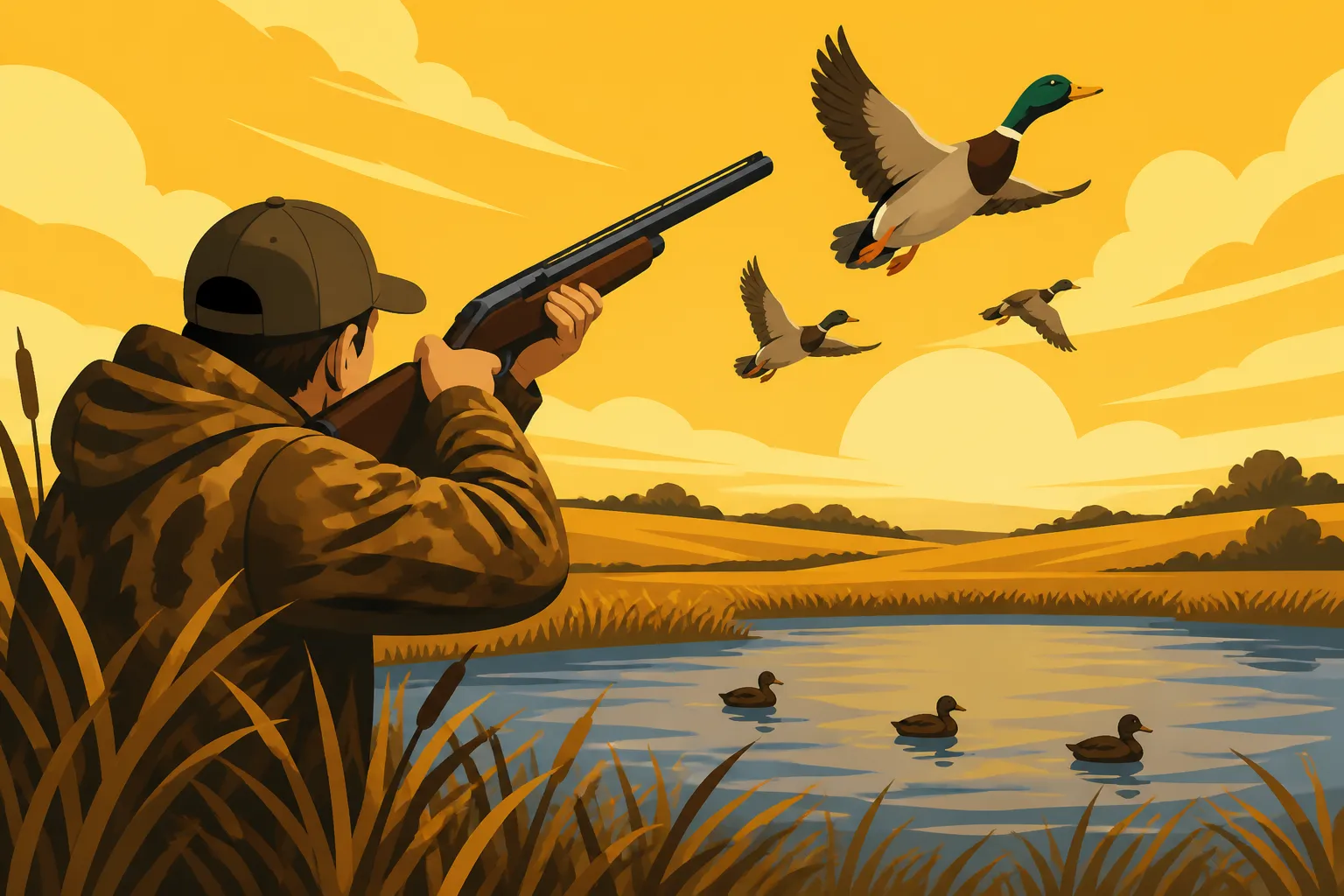
There's nothing quite like the raw, visceral thrill of a spontaneous hunt, especially when it comes to waterfowl. We've all been there, driving down a backroad, spotting a perfect little farm pond shimmering in the distance, and just knowing there are ducks on it. But then the questions flood in: Is it even worth trying? What gear do I need? How do I approach without sending every bird into orbit? This guide is going to walk you through the exciting world of jump shooting Kansas farm ponds, turning those roadside glances into real hunting opportunities and filling your freezer with delicious duck.
Understanding the Appeal of Farm Pond Jump Shooting
For many waterfowlers, the thought of duck hunting conjures images of elaborate decoy spreads, expensive boats, layout blinds, and endless hours setting up in the dark. While there's certainly a time and place for those dedicated hunts, jump shooting offers a refreshing, low-barrier-to-entry alternative that's incredibly effective and exhilarating.
The Allure of Opportunistic Waterfowling
Let's be honest, traditional waterfowl hunting can be a huge commitment. The gear list alone can be daunting: a dozen decoys (or five dozen!), a specialized dog, a boat, a boat blind, waders, calls, multiple shotguns, and often a leased pit blind or an expensive guided hunt. It’s no wonder many aspiring duck hunters get discouraged before they even start. The beauty of jump shooting, however, is its simplicity and its reliance on stealth and quick reflexes rather than an arsenal of expensive equipment.
Imagine this: you've been deer scouting all morning, and as you head back to the truck, you notice a small pond tucked away behind a shelterbelt. Suddenly, a pair of mallards lifts off, startled by your presence. That moment, that instant opportunity, is what jump shooting is all about. It's about being prepared to capitalize on those chance encounters, transforming an ordinary drive into an unexpected hunting adventure. It validates that frustration of seeing birds but feeling unprepared to pursue them. With a little planning and the right mindset, you can turn nearly any drive through Kansas farm country into a potential duck hunt.
What Makes Kansas Farm Ponds Prime Real Estate
Kansas, often seen as flat, open country, is actually crisscrossed with countless small ponds, creeks, and rivers that become vital oases for migrating waterfowl. These farm ponds, often built for livestock or irrigation, serve as critical waypoints on the Central Flyway. They might seem insignificant compared to larger reservoirs, but don't let their size fool you; they are magnets for ducks.
These ponds offer several key attractions for ducks. First, they provide consistent water sources, especially during dry periods when other ephemeral wetlands might be parched. Second, they are frequently surrounded by or adjacent to crop fields – think corn, milo, or soybeans – which provide an abundant and readily available food source. Ducks will often feed in these fields at night and then retreat to the safety and comfort of a nearby pond during the day to rest and loaf. Furthermore, the banks of these ponds often boast cattails, smartweed, or brushy cover, offering protection from predators and the elements. All of these factors combine to make even the smallest Kansas farm pond a potential hotspot for various duck species, from teal and wood ducks to the ever-present mallard.
Essential Gear and Preparation for Jump Shooting
Jump shooting isn't about having all the gear, but it is about having the right gear. A minimalist approach is key, allowing for mobility and stealth, but you still need to be prepared for the elements and the specific demands of waterfowl hunting.
Basic Equipment You'll Need
When you’re planning a jump shoot, leave the elaborate spreads and heavy gear at home. Your primary tools will be your shotgun, good waders, and camouflage.
First up, your shotgun. A 12-gauge or 20-gauge is perfectly adequate, with a modified or improved cylinder choke being versatile enough for the close-quarters flushing shots you'll encounter. For shot size, steel shot is mandatory for waterfowl. Most hunters opt for #2 or #3 steel for mallards and larger ducks, while #4 or even #6 steel can be effective for smaller birds like teal. Having a few different shell options allows you to adapt to whatever flies off the pond.
Next, waders are non-negotiable. You'll likely be wading into the pond to retrieve downed birds, and sometimes even to get into position or move around obstacles. Neoprene waders offer warmth and durability, while breathable waders are excellent for warmer early-season hunts. Ensure they fit well and have sturdy boots for navigating uneven terrain. Always wear a wader belt, which helps prevent your waders from filling completely with water if you take an unexpected spill.
Finally, camouflage that blends with the local environment is crucial. Think natural tones – browns, greens, tans – to match the tall grass, cattails, and brush along the pond banks. A face mask or face paint and gloves will help break up your outline and hide any reflective skin. The goal is to become part of the natural landscape, disappearing as you make your approach. While you might not need a specialized blind, having enough camo to melt into the background will make all the difference.
Scouting and Approaching the Pond
Jump shooting is inherently opportunistic, but that doesn't mean you can't be strategic. Effective scouting, whether from your couch or from the road, will significantly increase your success rate.
Before you even leave the house, services like GoHunt offer invaluable aerial imagery and land ownership data that can help you identify potential farm ponds and gauge their accessibility. You can pinpoint ponds near active crop fields, look for natural cover around the banks, and plot potential access routes that minimize your visibility to birds. This "E-Scouting Kansas Farm Country From Home" is a game-changer, allowing you to prioritize which ponds to visit, saving you precious time and fuel. Pay close attention to recent rainfall patterns as well; ponds that might be dry in August could be full and attracting birds in October.
Once you're on location, your approach is paramount. Always, always get permission from the landowner before stepping foot on private property. This is non-negotiable and shows respect for their land. As you approach the pond, consider the wind direction. Ducks typically take off and land into the wind, so planning your approach to be downwind or crosswind can give you an advantage, as the birds will likely flush away from you, presenting a better shot opportunity.
Move slowly, keep a low profile, and use any available natural cover – shelterbelts, tall grass, creek banks – to conceal your presence. Avoid silhouetting yourself on a ridge or against the sky. Think about your Access Routes That Do Not Bump Deer; the same principles apply to waterfowl. Your goal is to get within effective shooting range before the ducks realize you're there. Sometimes, even the crunch of gravel underfoot or the glint of sun off a forgotten piece of gear can send birds packing before you're in range.
Tactics for Successful Jump Shooting
Once you've found a promising pond and secured permission, the real fun begins. Success in jump shooting hinges on a combination of stealth, quick reactions, and understanding how ducks behave.
The Sneak Attack: Getting Into Position
This is where the "jump" in jump shooting comes in. Your objective is to get as close as possible to the ducks before they detect you. This often means crawling, stooping, or utilizing every bit of natural cover available. Think of yourself as a predator, slowly and methodically closing the distance.
Tall cattails, dense plum thickets, or even a small rise in the terrain can provide the cover you need. Walk deliberately, placing your feet carefully to minimize noise. If you're hunting with a partner, communicate silently, perhaps using hand signals, to ensure you don't inadvertently bump birds on one side while your buddy is still trying to get into position on the other. Sometimes, walking a slight curve around the pond, rather than a direct line, can help you maintain concealment and get an advantageous angle. Always be scanning the water, not just for ducks, but for ripples or movements that could indicate their presence even if you can't see them directly. Often, ducks will be tucked tight against the bank on the downwind side, seeking refuge from the wind. Understanding Reading a Kansas Wind for Waterfowl is just as critical for jump shooting as it is for traditional blind hunting.
The Flush and Follow-Up Shot
The moment of truth in jump shooting is the flush. Ducks, especially mallards, can spring into the air with surprising speed and agility. You need to be ready. As you round that last bit of cover and spot the birds, they will likely explode off the water.
Your shotgun should be mounted and ready. Pick out a single bird, swing through it, and fire. Don't "flock shoot"; focus on one bird at a time. A quick follow-up shot is often possible if you maintain your focus and smoothly transition to a second target. For many hunters, the adrenaline of the flush can lead to rushed shots, so practice mounting your gun smoothly and quickly. After the shot, keep your eyes on the downed bird to mark its location precisely. This is critical for retrieval, especially if it falls into dense cover or on the opposite bank.
Retrieval can be the next challenge. If you have a good retrieving dog, this is where they shine. Without one, you'll be relying on your waders. Wade cautiously, checking depth and footing as you go. Be aware of submerged obstacles or soft mud. If a bird falls on private land where you don't have permission to retrieve, you are legally obligated to ask the landowner before entering. Retrieving a bird from thick cover can be challenging, but being patient and systematic will pay off.
Maximizing Your Opportunities
Jump shooting isn't a one-and-done proposition. To truly maximize your chances, consider hunting multiple ponds, timing your hunts strategically, and paying attention to weather patterns.
After you’ve worked one pond, don’t just pack up and go home. Kansas is dotted with countless ponds, and often, you can find several within a reasonable driving distance. This allows you to work a circuit, giving each pond time to "cool off" before you revisit it. Ducks will often return to a pond a few hours after being flushed, making a return trip later in the day or even the next day a viable strategy. When considering Waterfowl Hunting Kansas Reservoirs and Playas, remember that while larger bodies of water hold more birds, they also often require more elaborate setups. Farm ponds offer a simpler, more mobile alternative.
Timing is everything. Early mornings, just after first light, can be prime as ducks leave their feeding fields and come to water to loaf. Late afternoons, as birds prepare to head back to fields for evening feeding, can also be productive. Keep an eye on the Kansas Duck Migration Timing. Strong cold fronts pushing down from the north often bring in new waves of birds, making the days immediately following a front excellent for jump shooting. Overcast, drizzly days can also keep ducks on the water longer and make them less prone to spook at movement.
Finally, always be aware of legal considerations. Know the current Kansas waterfowl regulations, including bag limits, shooting hours, and, crucially, the specific rules for the Kansas Waterfowl Season Zones you’re hunting in. A quick check of your Kansas Small Game Licence Requirements before heading out is always a good idea. Respecting these rules ensures ethical hunting and preserves the resource for future generations.
Safety and Ethical Considerations
While jump shooting offers a more spontaneous approach to waterfowl hunting, it doesn't mean you can throw caution to the wind. Safety and ethics remain paramount.
Staying Safe Around Water
Any time you're hunting near or in water, safety needs to be your top priority. Waders can be deceptively dangerous if you're not careful. Always wear a wader belt, which can greatly reduce the amount of water that enters your waders if you trip or fall, potentially saving you from a perilous situation. If possible, hunt with a buddy. They can offer assistance in case of a fall or help with retrieval. Tell someone where you're going and when you expect to be back, especially if you're hunting alone in remote areas.
Beyond waders, general firearm safety is critical. Maintain muzzle control at all times, especially when navigating dense cover or wading. Always be absolutely sure of your target and what lies beyond it before taking a shot. In the heat of the moment, it's easy to get tunnel vision, but overlooking a fence line, livestock, or even a homestead can have severe consequences. Being aware of hidden hazards in and around the pond is also important – old farm equipment, submerged wire, or sudden drops in depth can lead to falls or injuries.
Respecting Landowners and Wildlife
The foundation of all hunting in Kansas, especially on private land, is respect. This means showing utmost respect for the landowner, their property, and the wildlife you pursue. Never, under any circumstances, hunt on private land without explicit permission. Asking for permission goes a long way. Be polite, offer to share your harvest, and leave the property in better condition than you found it. Adhere to the principle of "Leaving No Trace on Walk-In Ground," even if it's not a formal WIHA tract. This goodwill ensures future access for yourself and other hunters.
Ethical hunting also means responsible harvesting. Only shoot at birds within your effective range to minimize the chance of wounding and losing game. Make every effort to retrieve all downed birds. Leaving cripples or unrecovered game is wasteful and disrespectful. Beyond the hunt itself, be mindful of your impact on the environment. Pick up all spent shell casings, any trash you might have, and avoid damaging crops or fences. By adhering to these principles, you not only ensure your own safety and success but also uphold the positive image of hunters and help secure hunting opportunities for the future.
| Shotgun Gauge | Choke Recommendation | Shot Size (Steel) | Primary Duck Species |
|---|---|---|---|
| 12 Gauge | Modified | #2, #3 | Mallard, Pintail, Gadwall |
| 12 Gauge | Improved Cylinder | #3, #4 | Teal, Wood Duck, Wigeon |
| 20 Gauge | Modified | #3, #4 | Mallard, Pintail, Gadwall |
| 20 Gauge | Improved Cylinder | #4, #6 | Teal, Wood Duck, Wigeon |
Disclaimer
Hunting is an inherently dangerous activity. This guide provides general information and recommendations but cannot cover every potential scenario or specific regulation. Always consult the most current Kansas Department of Wildlife, Parks and Tourism regulations before any hunting activity. Ensure you have the proper licenses and permits, and always prioritize safety and ethical practices.