Kansas Duck Migration Timing
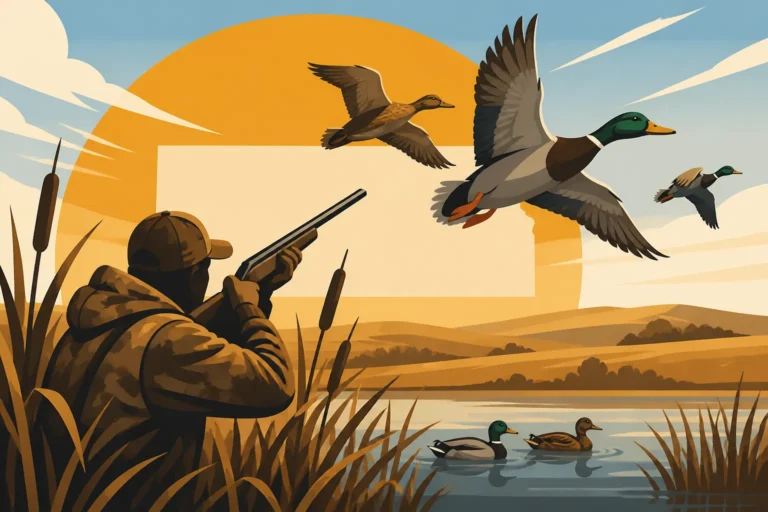
Oh, the age-old question that keeps every Kansas duck hunter up at night: "When are they really going to show up?" It's a frustrating dance with Mother Nature, isn't it? One year, the skies are black with ducks in early November, and the next, you're looking at bluebird skies and local coots until late December. This guide is all about peeling back the layers of duck migration in Kansas, helping you understand the complex factors at play, and ultimately, improving your chances of being in the right place at the right time.
Understanding the Central Flyway and Kansas's Role
If you're going to talk about ducks in Kansas, you have to talk about the Central Flyway. It’s not just a fancy name on a map; it's the superhighway in the sky that millions of ducks and geese use every single year. Kansas sits right in the heart of it, a crucial pit stop and often a wintering ground for birds heading south from the Canadian prairies and the northern states.
The Grand Highway in the Sky
Imagine a funnel, wide at the top in the Arctic breeding grounds, narrowing as it pushes south. That’s essentially what the Central Flyway is for waterfowl. Kansas, with its diverse landscape of agricultural fields, sprawling reservoirs, winding rivers, and countless small ponds and wetlands, offers a smorgasbord of resources for migrating birds. They stop here to rest, refuel, and sometimes, if the weather holds and food is plentiful, they’ll spend a good portion of the winter right in our state. This means that hunters in Kansas aren't just catching birds on a quick fly-by; we're often hunting ducks that have settled in for a bit, creating more consistent opportunities if you know where to look. Understanding the broader pattern of Kansas Waterfowl on the Central Flyway is foundational to predicting local movements.
Key Migration Triggers
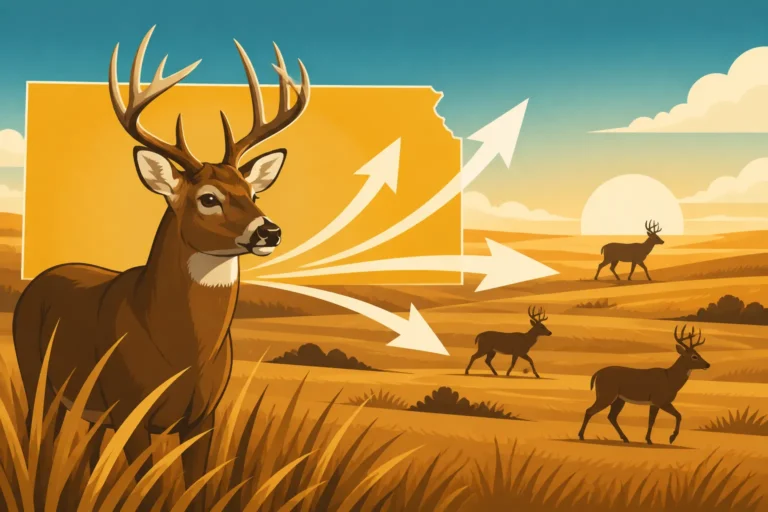
The biggest mistake a duck hunter can make is to mark a specific calendar date as "migration day." It just doesn't work that way. Duck migration isn't dictated by the date on your phone, but by a combination of powerful environmental cues. The number one driver is always weather, specifically cold fronts. When temperatures drop drastically in the Dakotas, Nebraska, or even further north in Canada, ice begins to form on open water, and food sources become scarce. That's when the birds get the signal to move. We're talking about those brutal cold snaps that make you shiver just thinking about them—those are the days that can push vast numbers of ducks into Kansas overnight. Wind direction also plays a huge role; a strong north wind after a major cold front is like a duck magnet, pushing them right down the flyway and often straight into our state. You can try to predict these pushes with various apps, or keep an eye on weather patterns to give you a jump on the birds.
Early Season Ducks: Teal and Local Birds
Kansas offers some exciting early opportunities that don't rely on the "big push" from the north. These birds are either incredibly fast migrators or actual residents, providing some fantastic hunting before the brunt of winter sets in.
September Teal Season Frenzy
If you're a duck hunter who loves high-volume action, the early teal season in September is your golden ticket. This special season primarily targets blue-winged teal, which are among the earliest migrators. These little rockets are often gone from Kansas by mid-October, well before the main duck season even hits its stride. They breed in Canada and the northern U.S., and as soon as conditions start to hint at autumn, they begin their journey south. Kansas playas, those shallow, temporary wetlands in western and central Kansas that fill after summer rains, become absolute magnets for them. Also, shallow marshes and even flooded agricultural fields can hold impressive numbers. The key here is to find the shallow sheet water and be ready for fast-paced shooting. Missing this early window means missing out on a significant portion of the blue-winged teal population that passes through Kansas. Hunters need a Kansas Duck Stamp Requirements and to be HIP registered.
Resident Duck Populations and Early Opportunities
While the focus often shifts to migrating birds, let's not forget our homegrown talent! Kansas has a healthy population of resident ducks, particularly wood ducks and mallards, that provide early-season opportunities even before the major migratory pushes begin. Wood ducks, with their stunning plumage, are often found in timbered sloughs, along creek bottoms, and in small, tree-lined ponds. They're early risers and prefer sheltered water, making them a unique challenge for hunters willing to scout these specific habitats. Local mallards, while often shy, also present opportunities in agricultural areas and on smaller water bodies before the heavily pressured migratory flocks arrive. These birds are already accustomed to local food sources and hideouts, so understanding their daily patterns becomes key. Using a mapping tool like GoHunt can help you identify these smaller, timbered water sources or isolated ponds that often get overlooked but can hold surprising numbers of birds.
The Main Event: Peak Migration Through Kansas
This is what most Kansas duck hunters live for—the time when the skies begin to fill with the diverse array of ducks from further north. It’s when hunting can go from decent to absolutely epic, almost overnight.
Mallards, Gadwalls, and Wigeon Arrive
The true "main event" for duck hunting in Kansas typically kicks off in late October and really gets into full swing through November and early December. This is when the bulk of the larger puddle ducks like mallards, gadwalls, and wigeon, along with green-winged teal, begin to pour into the state. Their arrival is directly tied to those persistent cold fronts that drive them out of their northern breeding and staging grounds. A major freeze in North Dakota or Minnesota means Kansas is likely next on their itinerary. These birds aren't just looking for water; they're looking for abundant food sources, and that's where Kansas really shines. Our vast agricultural landscape, particularly corn and milo fields, provides an irresistible buffet for ducks trying to pack on calories for their continued journey or to sustain them through a Kansas winter. The timing of Kansas Duck Migration Timing is crucial for planning your most productive hunts.
When these birds hit, they often stage on big bodies of water like our numerous reservoirs before fanning out to feed. This is where scouting becomes paramount. You need to know which fields they are hitting and when. Often, you can find them loafing on a reservoir during the day and flying out to feed in specific fields morning and evening. This behavior creates incredible opportunities for field hunts or setting up along their flight paths.
Big Water and Crop Field Dynamics
Once the main migration is underway, Kansas duck hunting often revolves around two primary habitat types: large reservoirs and expansive crop fields. Ducks will typically utilize the safety and open water of reservoirs during non-feeding times, especially if they are heavily pressured on smaller water. These bigger lakes offer protection and space for thousands of birds to congregate. Then, as dawn and dusk approach, they will funnel out to feed in cut corn, milo, or even standing beans. Successfully hunting this requires understanding the flight lines, prevailing winds, and access points. A tool like GoHunt can be invaluable for identifying large public access points on reservoirs and scouting nearby agricultural fields for signs of feeding activity, like fresh tracks or scattered waste grain.
When setting up on a large reservoir, especially if it's during a strong migration push, think about Decoying Ducks on a Kansas Reservoir. Spread out a good number of decoys, consider adding motion, and pay close attention to wind direction, as ducks almost always land into the wind. If you're targeting fields, it's more akin to Field Hunting Geese in Stubble, where realism in your spread and excellent concealment are key. The birds will be wary, and any unnatural element will send them packing.
Late Season: Wintering Birds and Weather Resilience
Just because the mercury dips and ice starts to form doesn't mean duck season is over in Kansas. In fact, some of the most challenging and rewarding hunts happen in the coldest parts of winter, for the most resilient birds.
Divers and Late-Arriving Puddle Ducks
As the season progresses into December and January, we often see a shift in the primary duck species present. While mallards remain a staple, the colder weather and freezing conditions tend to push more divers into the state. Canvasbacks, redheads, and scaup (bluebills) often prefer larger, deeper bodies of water and can be found on Kansas reservoirs and big rivers until ice-up. These birds are tough and built for the cold, often sticking around as long as there's open water. Additionally, some of the hardiest mallards, green-winged teal, and even gadwalls will winter in Kansas if they can find consistent open water and food sources. They become incredibly wary, often focusing on subtle pockets of open water on rivers, spring-fed ponds, or areas with current that resist freezing. This is where scouting specific locations becomes crucial. Keep an eye out for Playa Lake Hunting After Rain early in the season, as those temporary water sources are typically long frozen over by now.
Adapting to Freezing Conditions
Hunting in the late season means dealing with ice. Period. This is where adaptability and perseverance truly pay off. As smaller ponds and shallow areas freeze solid, ducks concentrate on larger rivers, deep reservoirs with current, or spots where aerators keep water open. Finding these dwindling pockets of open water is the ultimate late-season scouting mission. Hunters often focus on river bends, dam outflows, or sheltered coves on reservoirs that freeze last. This is also when Cold Front Movement in December can either push new birds in or lock up existing water, forcing birds to find new locations.
Your hunting setup will also need to change. Ice eaters, motion decoys, and a solid ice chisel become essential tools. Concealment is paramount, as ducks flying over a mostly frozen landscape will spot anything out of place. It's tough hunting, but when a flock of mallards bombs into your spread on a frigid December morning, it's a memory that lasts a lifetime. Make sure you're geared up for the cold, and always prioritize safety when dealing with ice. The ducks that stay are smart and have survived a lot, so you need to be smarter and more patient.
Duck Migration Timing by Species in Kansas
Understanding which species arrive when can greatly help in planning your hunts and setting expectations.
| Species | Early Season (Sept-Oct) | Peak Migration (Nov-Early Dec) | Late Season (Mid-Dec-Jan) | Key Habitat Preferences |
|---|---|---|---|---|
| Blue-winged Teal | Abundant: First to arrive, strong numbers during early teal season. | Passing through: Most have moved further south. | Rare: Only stragglers or injured birds. | Shallow marshes, playas, flooded fields with short vegetation. |
| Green-winged Teal | Good numbers: Start arriving mid-September. | Abundant: Strong push, often in large flocks. | Common until freeze-up: Some hardy groups remain if open water persists. | Shallow water, sheet water, small ponds, moist soil units. |
| Wood Duck | Local, resident birds: Often found in timbered areas. | Less common, still present: Migratory birds pass, but numbers drop. | Rare: Most have moved south. | Timbered sloughs, creek bottoms, small rivers, wooded ponds. |
| Gadwall | Scattered: Small numbers begin to show up. | Abundant: Strong migratory push. | Common until freeze-up: Persistent in areas with food/open water. | Marshes, shallow lakes, flooded timber, agricultural fields. |
| Wigeon | Scattered: Early arrivals. | Abundant: Significant numbers during the main migration. | Common until freeze-up: If not too cold, some stick around. | Shallow lakes, sheet water, moist soil units, grazing areas. |
| Mallard | Local, resident birds: Can be hunted before the main push. | Abundant: The main push from the north, strong numbers. | Abundant, if open water: Many winter in Kansas, seeking refuge on rivers and deep reservoirs. | Crop fields, reservoirs, rivers, marshes, any open water. |
| Pintail | Scattered: Begin arriving in early fall. | Common: Good numbers during the migratory flights. | Less common: Most continue south to warmer climates. | Open water, shallow marshes, playas, vast agricultural fields. |
| Northern Shoveler | Scattered: Present in smaller numbers. | Common: Good numbers passing through. | Less common: Typically don't linger in extreme cold. | Shallow, rich wetlands, sewage lagoons, areas with high invertebrate populations. |
| Canvasback | Rare: Very few early arrivals. | Common: Good numbers during late fall migration. | Present until freeze-up: Utilizes large, deep water bodies. | Large, deep reservoirs, big rivers, seeking submergent vegetation. |
| Redhead | Rare: Occasional early birds. | Common: Strong numbers during the peak. | Present until freeze-up: Similar to Canvasbacks, prefers deep water. | Large, deep reservoirs, big rivers, also diving for food. |
| Lesser Scaup (Bluebill) | Rare: Few early arrivals. | Common: Large flights pass through. | Present until freeze-up: Often forms large rafts on big lakes. | Large, deep reservoirs, big rivers, preferring open water. |
Disclaimer
This article is for general informational purposes only and does not constitute professional advice. Laws, prices and regulations vary by location and change over time. Consult a qualified professional for guidance on your specific situation.