Kansas Waterfowl on the Central Flyway
There's nothing quite like the chill in the air and the distant honk of geese on a crisp Kansas morning, but for newcomers or even seasoned hunters, navigating the vast Central Flyway for waterfowl can feel overwhelming. Finding the right spots, understanding bird movements, and setting up effectively are challenges every waterfowler faces. This comprehensive guide aims to demystify Kansas waterfowl hunting, helping you unlock the incredible opportunities this state offers for ducks and geese.
Understanding the Central Flyway Through Kansas
Kansas isn't just flat farmland; it's a critical stopover and wintering ground smack dab in the middle of one of North America's most important migration routes: the Central Flyway. Thousands upon thousands of ducks and geese utilize this highway in the sky, funneling through the state each fall and spring. If you understand why they come here, you're halfway to figuring out where to find them.
Kansas's Strategic Location for Waterfowl
The Central Flyway stretches from the Arctic breeding grounds of Canada and Alaska down to the Gulf Coast of Mexico. Kansas, sitting right in the heart of the "duck factory" to the north and the warmer wintering grounds to the south, becomes an indispensable pit stop. Birds heading south from states like North Dakota, South Dakota, and Manitoba hit Kansas, finding a mosaic of grain fields, wetlands, and large reservoirs that provide vital food and rest. This geographical advantage means Kansas hosts an incredible diversity of waterfowl, from speedy green-winged teal in the early season to vast rafts of mallards and robust honkers as winter sets in. Understanding the progression of these migrations, often tied to cold fronts pushing birds south, is crucial for timing your hunts.
Key Migration Corridors and Staging Areas
While birds can be found almost anywhere there's water and food, certain areas in Kansas act as major magnets, concentrating waterfowl like nowhere else. The larger river systems, particularly the Missouri River along the state's northeastern border, and the Arkansas River as it snakes through the south-central portion, serve as natural highways for migrating birds. These rivers offer consistent water flow, timbered edges for cover, and often adjacent oxbows and sloughs that provide ideal loafing and feeding areas. Beyond the rivers, Kansas is dotted with a network of massive natural wetlands and human-made reservoirs that become vital staging areas. Places like Cheyenne Bottoms Wildlife Area near Great Bend, and the Quivira National Wildlife Refuge further south, are internationally recognized wetland complexes that can hold hundreds of thousands of birds, especially during peak migration. Then you have the vast, man-made reservoirs managed by the Corps of Engineers, such as Cheney Lake, Wilson Lake, and Milford Lake, which offer expansive open water, shallow flats, and diverse shorelines where ducks and geese can feel safe and find abundant resources. These large water bodies provide sanctuary areas as well as hunting opportunities, making them critical components of the Central Flyway's infrastructure.
Primary Waterfowl Species You'll Encounter in Kansas
Kansas hunters are incredibly fortunate to have access to a wide array of waterfowl species. Knowing what birds you're targeting and their specific habits can drastically improve your success rates. It's not just about "ducks" and "geese"; it's about understanding the nuances of each species.
Ducks: Mallards, Pintails, Teal, and More
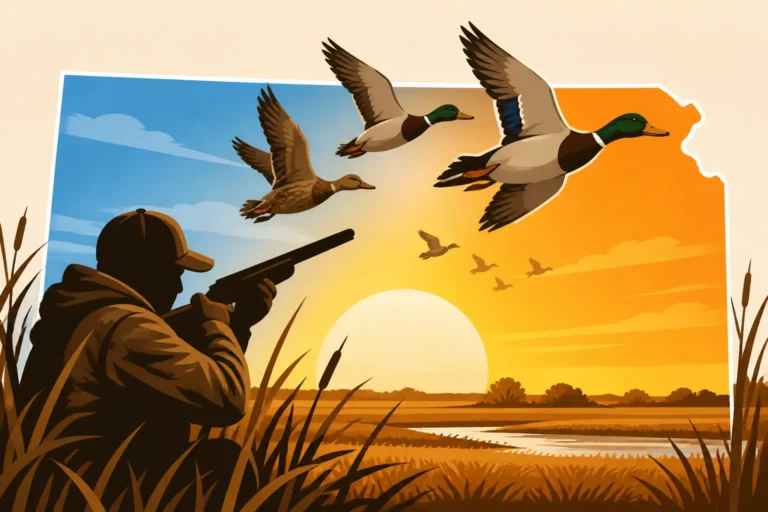
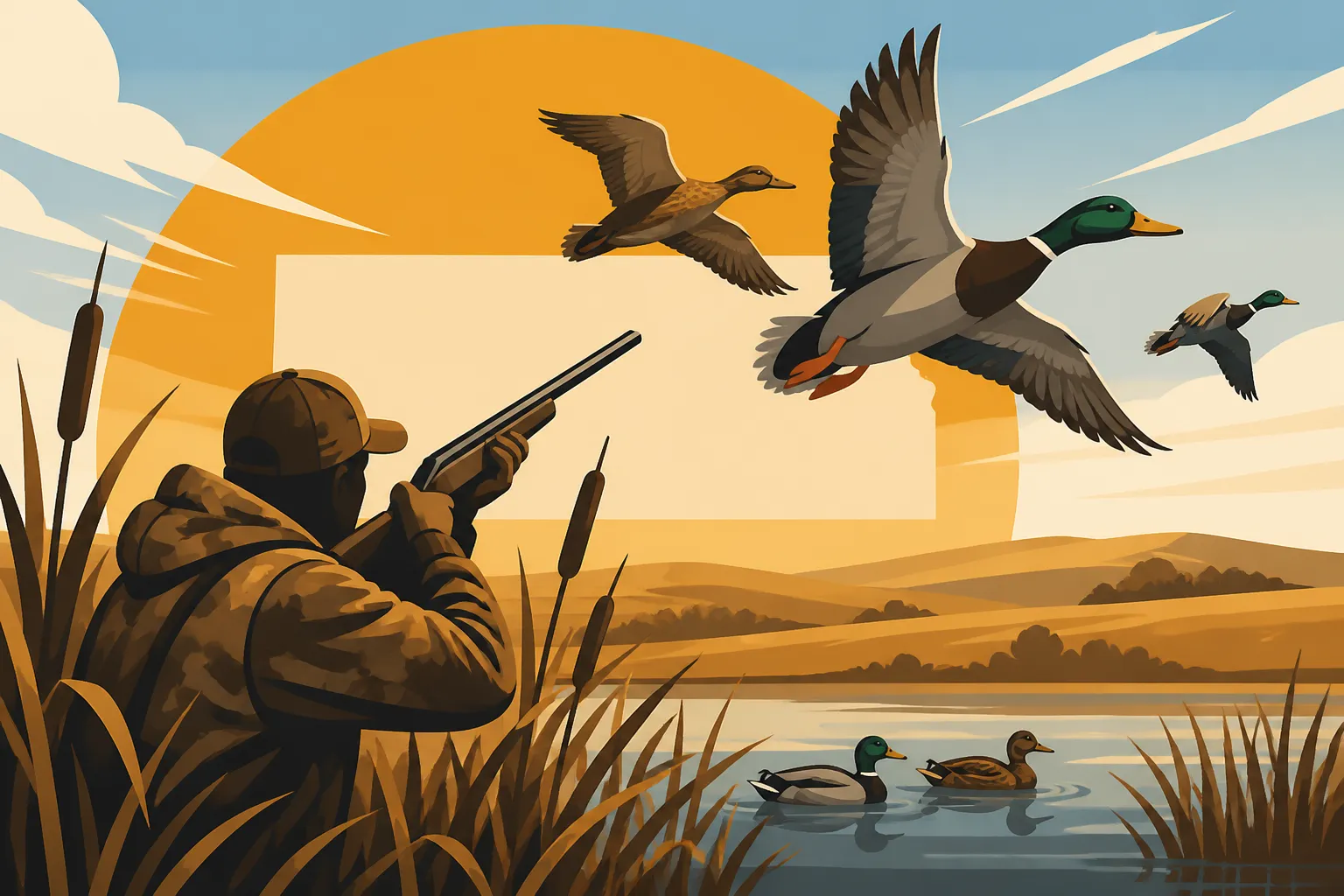
When most people picture duck hunting in Kansas, they're probably imagining a classic mallard shoot. Mallards are indeed the kings of the Kansas duck hunting scene, arriving in good numbers by mid-season and often staying through the colder months, especially if open water and food are available. They're big, bold, and respond well to calling and decoys. But the duck hunting tapestry here is far richer. Early season in September and October often brings a strong push of fast-flying teal—blue-winged, green-winged, and cinnamon—offering thrilling pass-shooting opportunities over shallow ponds and flooded fields. Later, as the season progresses and colder weather sets in, you'll start seeing other puddle ducks like gadwall, wigeon, and shovelers. Diving ducks, though less prevalent than puddle ducks, can also be found on larger reservoirs and deep pits. Scaup, canvasbacks, and redheads will often pass through, offering hunters opportunities if they're set up on the right kind of water. Each species has its own personality; pintails, for instance, are notoriously wary and prefer open water and lighter decoy spreads, while mallards are often more forgiving. Understanding these preferences is key to success.
Geese: Canada, Snow, and Specklebelly
Geese in Kansas provide some truly spectacular hunting, from the familiar honking of Canada geese to the cacophony of tens of thousands of snow geese. Canada geese are abundant and widespread throughout the state, often arriving early and staying late, feeding heavily in agricultural fields. Hunters targeting Canadas will often set up large spreads of full-body decoys in corn or wheat stubble fields, using flagging and calling to entice wary birds. The sheer volume of snow geese that migrate through Kansas is breathtaking. These birds can be found in massive flocks, numbering in the tens of thousands, creating a challenge for hunters due to their numbers and often unpredictable movements. GoHunt's mapping tools can be invaluable for scouting these large flocks, helping you identify their current feeding patterns. Hunting snow geese often involves enormous decoy spreads, electronic calls (where legal), and significant scouting efforts to pinpoint their feeding fields. Lesser known but highly prized by many hunters are specklebelly geese, or white-fronted geese. These birds offer exceptional table fare and a unique challenge. They tend to be more wary than Canadas and snows, often responding to softer, more specific calls and smaller, more realistic decoy spreads. Their presence usually peaks in the mid-fall before most push further south, but a cold snap can hold them in Kansas longer.
Top Kansas Waterfowl Hunting Locations
While waterfowl can pop up almost anywhere, certain areas consistently hold birds due to their habitat, food sources, and protection from excessive pressure. Knowing these hotspots can save you a lot of scouting time and put you in the right vicinity for a successful hunt.
Renowned Public Wildlife Areas and Refuges
Kansas is home to several incredible public hunting areas and refuges that are world-class waterfowl destinations. Two of the most famous are Cheyenne Bottoms Wildlife Area and Quivira National Wildlife Refuge, both located in the central part of the state. Cheyenne Bottoms is the largest inland marsh in the United States, a massive basin that collects water and supports an incredible array of aquatic vegetation and invertebrates—a buffet for ducks and geese. It's renowned for its public hunting opportunities, though it can see significant pressure, especially on weekends and during peak migration. Quivira National Wildlife Refuge, another vital wetland complex, also offers designated public hunting areas, though specific regulations and access points vary, so it’s always wise to check the latest KDWP regulations for both. Smaller but equally important wildlife areas like Jamestown Wildlife Area in north-central Kansas and McPherson Wetlands in the south-central region also attract considerable numbers of waterfowl. These areas often have specific rules regarding access, blind construction, and sometimes even require a daily check-in system or draw for prime spots, highlighting the importance of doing your homework before heading out. For hunters interested in understanding hunting pressure patterns on these areas, resources like GoHunt can help identify public land hunting access points and surrounding land features.
Large Reservoirs and Corps of Engineers Land
Kansas boasts numerous large reservoirs managed by the U.S. Army Corps of Engineers, and many of these offer excellent waterfowl hunting. Lakes like Cheney Reservoir, Perry Lake, Wilson Lake, and Milford Lake are massive bodies of water that become crucial loafing and feeding areas for ducks and geese. These reservoirs typically have designated public lands around their perimeter, allowing for boat blinds, shoreline setups, and even field hunting in adjacent crop stubble. Hunting these large water bodies requires a different approach than marsh hunting. Often, scouting for loafing birds, understanding wind and current, and utilizing boat blinds or carefully brushed-in shoreline setups are key. Points extending into the lake, sheltered coves, and areas where shallow flats transition to deeper water are prime locations. Accessing Corps of Engineers land and understanding Kansas Reservoir Hunting Access is crucial, as some areas may have restrictions or require specific permits. These locations can provide exceptional opportunities, especially during cold fronts when smaller water bodies freeze, concentrating birds on the larger, more open water.
River Systems and Smaller Water Bodies
Beyond the big lakes and managed wetlands, Kansas’s network of rivers, creeks, and even ephemeral playa lakes offers diverse waterfowl hunting experiences. Rivers like the Republican, Smoky Hill, and Arkansas provide dynamic environments where jump shooting, setting up on sandbars, or targeting timbered oxbows can be highly effective. Hunting Kansas River Bottoms and Creek Draws can yield great results, especially for ducks feeding on natural vegetation or spilled grain. The key here is often mobility and stealth. Further west, particularly after significant rainfall, hundreds of playa lakes can form across the landscape. These temporary wetlands are shallow, fertile, and act as incredible magnets for ducks and geese, especially pintails and wigeon, offering fantastic Playa Lake Hunting After Rain opportunities. However, their ephemeral nature means they can appear and disappear quickly, making scouting essential. Don't overlook smaller farm ponds either; with permission, these can be dynamite spots for a morning jump shoot or a small decoy spread, especially for wood ducks and teal in the early season.
Essential Gear and Setup for Kansas Waterfowl Hunting
Successful waterfowl hunting in Kansas isn't just about finding the birds; it's about being prepared with the right gear and knowing how to set it up effectively. The right equipment can make the difference between a frustrating morning and a memorable one.
Decoys: Types, Spreads, and Motion
Decoys are the cornerstone of most waterfowl hunting setups. For ducks, you'll want a mix of mallard and pintail decoys, perhaps a few gadwall or wigeon, in a variety of postures (feeders, uprights, resting). For open water or field hunting, full-body decoys offer the most realism. On smaller waters, floating decoys are standard. A common duck spread might involve a main cluster of feeders with a landing zone open to the wind, flanked by a few "sentinels" on the edges. Motion decoys, especially spinning-wing decoys (like Mojos), have become almost indispensable, adding vital movement that draws birds from a distance. However, be mindful of local regulations regarding their use, as some areas or seasons have restrictions. For geese, especially Canada geese, larger spreads of full-body decoys are generally more effective. Spreads often mimic a feeding flock, with a "family group" of uprights and sentinels around a central cluster of feeder decoys. For snow geese, the more decoys, the better; some hunters deploy hundreds, even thousands, of snow goose rags or silhouettes to simulate a massive feeding frenzy. Understanding Decoying Ducks on a Kansas Reservoir or Field Hunting Geese in Stubble requires specific decoy knowledge for each scenario.
Blinds: Layouts, A-Frames, and Natural Cover
Hiding from the keen eyesight of ducks and geese is paramount. Your choice of blind will depend heavily on the hunting location. For field hunting, particularly for geese and often for ducks in stubble, layout blinds are king. These low-profile blinds allow you to lie prone in a field, concealed by stubble and often a lightweight camo mesh. Brushing them in thoroughly with local vegetation is crucial for success. For water hunting, A-frame blinds, panel blinds, or boat blinds are popular. A-frames are portable, can be set up along shorelines or in shallow water, and are excellent for larger groups. Boat blinds, built into or onto a duck boat, offer mobility and excellent concealment when hunting larger bodies of water. Don't underestimate the power of natural cover either; a well-chosen clump of cattails, a brushy fence line, or even a standing timber edge can provide an effective ambush point if you minimize movement and break up your outline. Remember the principles of Ground Blind Brushing In — it’s about disappearing into the landscape, not just covering up.
Shotguns, Ammunition, and Other Necessities
A 12-gauge shotgun is the workhorse for Kansas waterfowl hunting, versatile enough for both ducks and geese. Many hunters opt for 3-inch or 3.5-inch magnum shells for the added payload and range. As for chokes, modified is a good all-around choice, with improved cylinder preferred for close-range work (like over decoys) and full or improved modified for longer shots or pass shooting. Remember, federal regulations mandate the use of non-toxic shot (steel, bismuth, tungsten-alloy) for waterfowl. Steel shot is the most common and economical, but be sure to match your shot size (e.g., #2 or #3 for ducks, BB or BBB for geese) to the birds you're targeting. Beyond the firearm, a good pair of chest waders is non-negotiable for waterfowling, ensuring you stay dry and warm. Quality calls are also essential, but remember that realistic calling is far more effective than loud, incessant squawking. Don't forget essentials like a thermos of coffee, robust decoy bags, a headlamp for pre-dawn setups, and a reliable dog if you're lucky enough to have one. If you're hunting in particularly cold conditions, extra layers and hand warmers can make a huge difference in comfort and endurance.
Mastering Waterfowl Tactics and Strategies in Kansas
Waterfowl hunting is often described as a chess match against nature. The birds are constantly moving, adapting, and reacting to pressure. To consistently find success in Kansas, you need to understand key tactics and be willing to adapt.
Reading the Wind and Weather for Decoy Placement
The wind is arguably the most critical factor in waterfowl hunting, more so than almost any other hunting pursuit. Ducks and geese almost universally land into the wind, much like an airplane taking off or landing. This means your decoy spread must be positioned so that birds approach from downwind, landing directly into your kill hole, which should be within easy shooting range. You also want the wind at your back or quartering from a side to help carry your calls and hide your scent, ensuring the birds don't get a whiff of you before they commit. Heavy winds can also push birds into more sheltered areas, like deep timber or behind large bluffs on reservoirs. Conversely, calm, clear days can make birds incredibly wary, requiring smaller, more subtle spreads and minimal calling. Cold fronts are often goldmines, pushing new birds into the area and encouraging heavy feeding. Warm fronts, however, can make birds less active and harder to decoy. Understanding Reading a Kansas Wind for Waterfowl is fundamental to setting up correctly every single time.
Calling Strategies for Ducks and Geese
Calling can be both an art and a science. For ducks, especially mallards, a range of calls can be effective. A loud hail call gets their attention, followed by a greeting call as they approach. Once they start working, softer quacks and a feeding chuckle can seal the deal. The key is to be realistic and responsive to the birds' reactions. If they're cupped and committed, stop calling; if they're flaring, adjust your calls or perhaps quiet down. Over-calling is a common mistake that can scare wary birds away. For geese, the strategies differ. Canada goose calling typically involves deep honks, clucks, and murmurs that mimic a flock on the ground. Snow goose calling is often about recreating a massive, chaotic feeding frenzy, though "lesser" snow geese also respond to specific high-pitched yelps. Electronic calls are legal for snow geese in Kansas during certain conservation order seasons, allowing hunters to produce the immense volume needed to attract large flocks. Regardless of the species, practice is key, and listening to real birds in the field will teach you more than any instructional video. Learn to speak their language, and they'll often come right in.
Scouting and Adaptability on the Flyway
Scouting is non-negotiable for consistent waterfowl success in Kansas. Waterfowl are creatures of habit but also opportunistic, constantly seeking the best food and safest water. Pre-season scouting helps you identify potential hunting grounds, but in-season scouting is where you truly find active birds. This means driving county roads, glassing fields for feeding geese, identifying loafing areas on water, and noting flight lines. Tools like GoHunt's mapping features can be incredibly useful for E-scouting, allowing you to identify potential water bodies, agricultural fields, and access points from your computer or phone. Once in the field, look for fresh tracks, droppings, and signs of recent feeding. Birds that have been hunted hard in one area will quickly move to another. Therefore, adaptability is paramount. If your morning spot isn't producing, be ready to move. If ducks are working a different field than yesterday, go after them. The most successful Kansas waterfowlers are rarely tied to one spot; they're mobile, observant, and always willing to adjust their plans based on what the birds are telling them. This includes adapting your Hunting Pressure Patterns on Kansas Public Land strategy based on how many other hunters are in the area.
Regulations, Conservation, and Responsible Hunting
Hunting waterfowl in Kansas, like anywhere else, comes with a responsibility to understand and adhere to regulations, and to ensure that your actions contribute to the conservation of these magnificent birds. Ignoring these aspects not only risks legal trouble but also undermines the future of the sport.
Kansas Waterfowl Regulations and Licensing
Before you even step foot in a blind, you need to ensure you're fully licensed and compliant with all state and federal regulations. For waterfowl, this includes a general Kansas hunting license, a Kansas Waterfowl Stamp, and a Federal Duck Stamp. Additionally, all waterfowl hunters are required to register with the Harvest Information Program (HIP). You can usually take care of all these requirements online through the Kansas Department of Wildlife and Parks (KDWP) website or through authorized vendors. Keep a close eye on the specific season dates for ducks and geese, which can vary by zone within Kansas, as well as daily bag limits and possession limits. These limits are subject to change annually based on population surveys and management objectives, so always consult the most current KDWP hunting regulations summary. For quick checks on changing regulations or to ensure you’re up to date, digital resources like the GoHunt app can be a handy reference in the field. Remember that Kansas Duck Stamp Requirements and Kansas HIP Registration are federal mandates for all waterfowl hunters, regardless of age.
Ensuring Ethical Practices and Conservation
Ethical hunting practices are the backbone of waterfowl conservation. This means making clean, responsible shots within your effective range to minimize crippling losses. Avoiding "sky-busting," or shooting at birds that are too far away, is crucial for both ethical hunting and increasing your retrieve rate. Proper bird identification is also a must; know your species, especially hens versus drakes, and understand the difference between legal game birds and protected species. Using a trained retriever dog, if possible, significantly improves your ability to recover downed birds, ensuring that no game goes to waste. Hunters play an incredibly vital role in waterfowl conservation through the purchase of licenses and stamps, which directly fund habitat projects and research. Participating in organizations like Ducks Unlimited or Delta Waterfowl also contributes directly to preserving wetlands and fostering healthy waterfowl populations across the continent. Every ethical hunter contributes to the long-term sustainability of this incredible resource, ensuring future generations can experience the thrill of a Kansas waterfowl hunt.
Late Season Challenges and Opportunities
As the Kansas waterfowl season progresses, especially into December and January, conditions can become more challenging, but these late-season hunts often offer some of the most rewarding experiences. The landscape changes, and so must your tactics.
Dealing with Cold Weather and Icing Conditions
Late-season hunting in Kansas often means dealing with bitter cold, strong winds, and icing conditions. Temperatures can plummet, and even large bodies of water can begin to freeze over. This creates both challenges and unique opportunities. One major challenge is keeping your decoys from freezing. Ice-eaters, battery-operated units that circulate water, can keep a landing zone open, while hand-chipping ice might be necessary in smaller areas. Personal warmth becomes paramount; layering clothing, wearing insulated waders, and using hand and foot warmers are essential. The cold also makes birds more concentrated. As sheet ice forms on smaller ponds and shallow areas, ducks and geese are forced onto larger, deeper, still-open water or into specific pockets that remain unfrozen, creating dense concentrations of birds. These specific areas can be highly productive, but also require careful scouting and often heavy equipment to break through ice for access. It’s also important to consider the safety aspects of Staying Warm on a December Sit and venturing onto potential ice.
Hunting Pressure and Wary Birds
By late season, the waterfowl that remain in Kansas have seen it all. They've been called, shot at, and spooked from countless fields and marshes. These birds are "educated" and incredibly wary, making them much harder to decoy. Hunting pressure on Kansas Public Land Deer Hunting can be high, but for waterfowl, it’s even more so. Your tactics need to evolve. This might mean shrinking your decoy spread to make it appear more natural and less threatening, especially for ducks. Often, less calling is more effective, or focusing on softer, more subtle calls that mimic contented feeding birds rather than aggressive hails. Finding unpressured spots becomes critical. This could involve exploring remote sections of large reservoirs, finding small, overlooked farm ponds (with permission, of course), or identifying less accessible corners of public wildlife areas. Hunting during weekdays when pressure is typically lower can also yield better results. Ultimately, late-season success hinges on patience, stealth, finding fresh food sources, and understanding that these birds have seen a lot and won't be fooled easily.
| Waterfowl Species | Peak Migration in Kansas | Preferred Habitat | Typical Behavior |
|---|---|---|---|
| Mallard | Mid-October – December | Crop fields, marshes, rivers, reservoirs | Responds well to calling and decoys, often feeds in fields |
| Green-Winged Teal | September – Early November | Shallow marshes, mudflats, small ponds | Fast-flying, often in small, tight flocks, responds to high-pitched calls |
| Pintail | October – Mid-November | Open water, shallow fields, playa lakes | Wary, often skirts decoy spreads, prefers sparse spreads |
| Canada Goose | October – January | Crop fields, large reservoirs, rivers | Feeds heavily in harvested grain, responds to flags and honks |
| Snow Goose | Mid-October – March | Large open fields, staging on reservoirs | Travels in massive, noisy flocks, requires large decoy spreads |
| White-Fronted Goose (Specklebelly) | Late September – Early November | Crop fields, smaller wetlands, river bottoms | Very wary, excellent table fare, responds to specific clucks and yelps |
Disclaimer
The information provided in this guide is for general informational purposes only and is not intended as legal advice. Hunting regulations, season dates, and permit requirements are subject to change by the Kansas Department of Wildlife and Parks (KDWP) and federal agencies. Always consult the official KDWP regulations summary and federal waterfowl regulations before planning any hunting trip. Hunter safety and ethical practices are paramount.