Kansas Turkey Bag Limits
Navigating the ins and outs of hunting regulations can sometimes feel like you need a law degree, especially when trying to pinpoint exact bag limits across different seasons and hunter types. It's a common frustration, trying to make sure you're doing everything by the book while still planning an exciting hunt. This guide is here to untangle the specifics of Kansas turkey bag limits, helping you understand the rules, avoid common pitfalls, and confidently pursue those gobblers this spring.
Understanding Kansas Turkey Permit Structure
Before we even dive into how many birds you can take, it’s crucial to understand the foundation: the permit structure itself. Kansas has a system that differentiates significantly between residents and non-residents, and even within those categories, there are specific nuances that can impact your overall bag limit and hunting strategy.
Resident vs. Non-Resident Permits
For Kansas residents, the process is generally more straightforward. Residents typically have access to over-the-counter permits that are valid statewide, covering all management units except for Unit 4, which is designated as resident-only for spring turkey. This flexibility means a resident can purchase a permit and hunt across most of the state's prime turkey habitat. The cost is usually quite reasonable, and the ease of acquisition means less pre-planning regarding application deadlines. It's worth remembering that while the permit is statewide, ethical hunting still means scouting your areas thoroughly.
Non-residents, on the other hand, face a more intricate process that involves a draw system and unit-specific permits. You can’t just show up and buy a permit over the counter; you must apply during a specific period, typically in January and February. When applying, you choose a single management unit where your permit will be valid. This means your hunting grounds are geographically limited to that chosen unit, a significant departure from the resident experience. The number of permits available to non-residents in each unit is also capped by quotas, making the draw competitive in some units. Many hunters use tools to understand their chances and plan which unit to apply for. For more detail on applying, check out our guide on Kansas Spring Turkey Permits and Units. It's a system designed to manage hunting pressure and ensure a quality experience for everyone, but it definitely adds a layer of complexity for those traveling to the Sunflower State.
General Spring Season Bag Limits
For both resident and non-resident turkey hunters in Kansas, the general spring season bag limit is one (1) turkey with a visible beard. This is a critical detail. Unlike some states that might allow multiple birds, or "any turkey," Kansas specifically targets bearded birds, which are almost exclusively males (gobblers or jakes). While very rarely a hen can have a beard, the primary intent here is to protect the breeding hen population. So, when you're out there, make sure that bird has a beard before you pull the trigger. There’s no ambiguity here: one bearded bird per permit.
It's not uncommon for hunters, especially those new to Kansas, to mistakenly assume they might get two tags like in other states. But in Kansas, if you're holding one permit, you're looking for one bearded bird. This single-bird limit emphasizes quality over quantity and ensures that the population can sustain itself. If you're lucky enough to punch your tag early in the season, your spring turkey hunt for that year is effectively concluded unless you have additional, specific youth permits in your household.
Navigating Unit-Specific Non-Resident Quotas and Limits
The non-resident turkey hunting experience in Kansas is heavily influenced by a system of units and quotas, which directly impacts not only where you can hunt but also your chances of securing a permit in the first place. This complexity makes careful planning essential for any out-of-state hunter.
How Non-Resident Units and Quotas Affect Your Bag
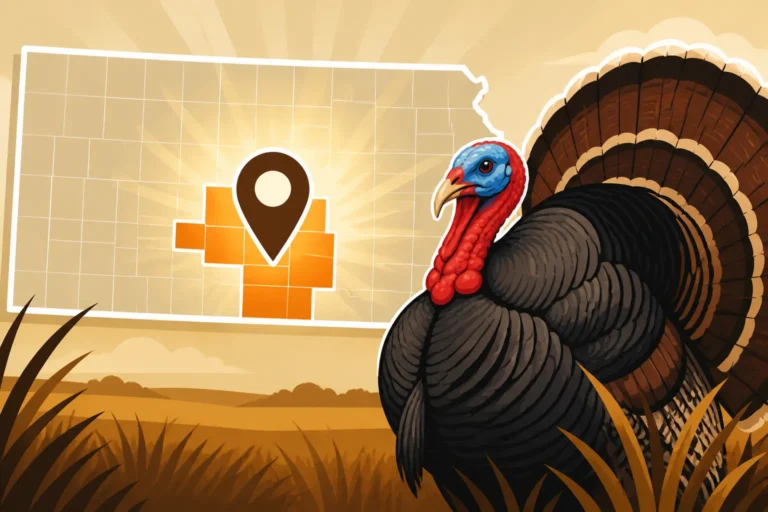
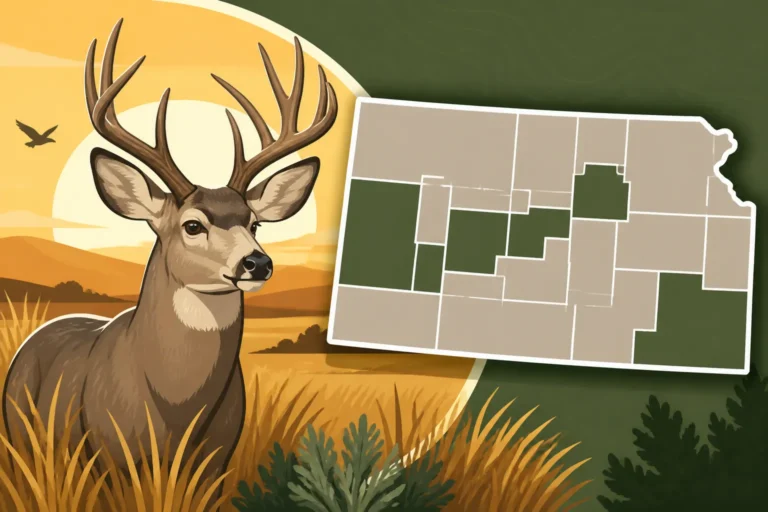
As a non-resident, your spring turkey permit is explicitly tied to a specific hunting unit. Kansas is divided into several turkey management units, and when you apply for your permit, you must select one of these. The Kansas Department of Wildlife, Parks, and Tourism (KDWP) then issues a limited number of non-resident permits for each unit – these are the "quotas." This means that some units might be harder to draw than others, depending on demand and the unit's turkey population objectives. For example, a unit known for excellent turkey numbers might see a higher volume of applications, making it more competitive.
What does this mean for your bag limit? While the statewide bag limit remains one bearded turkey per permit, the unit you draw dictates where you can harvest that bird. You cannot cross unit boundaries to hunt with a unit-specific permit. This restriction underlines the importance of researching units thoroughly before applying. A robust resource like GoHunt can be invaluable here, offering tools and data to help analyze past draw odds, success rates, and unit characteristics, helping you pick a unit that aligns with your hunting goals. Understanding these Kansas Nonresident Turkey Unit Quotas is crucial to managing expectations and increasing your chances of a successful application.
The Importance of Permit Specifics for Non-Residents
Every non-resident turkey permit issued in Kansas will clearly state the unit for which it is valid. This isn't just a suggestion; it's a legal boundary. Unlike residents who, with their statewide permit, can sometimes adjust their hunting plans based on weather or bird activity across a larger region, non-residents must adhere strictly to their drawn unit. This means if you drew Unit 2, you hunt in Unit 2, and nowhere else. Attempting to hunt in an adjacent unit, even if you see birds just over the line, is a violation.
This emphasis on permit specifics also highlights why pre-hunt planning is so critical. You'll want to thoroughly scout your chosen unit, whether physically or via e-scouting tools, to identify potential hunting spots, access points, and alternative locations within that specific boundary. Knowing your unit inside and out, including its public and private land opportunities, will be key. This is where the in-depth mapping features and data analysis from platforms like GoHunt truly shine, allowing you to virtually explore your unit before you ever set foot on the ground. They can provide layers for public access, property boundaries, and even habitat types, helping you pinpoint areas of interest within your designated unit. Remember, every Kansas turkey permit comes with its specific set of rules, clearly defining your hunting zone and ensuring Are Kansas Turkey Permits Unit-Restricted?.
Special Considerations and Youth Opportunities
Kansas hunting regulations aren't just about the general adult spring season; there are also specific provisions for youth hunters and a distinct fall season that operate under different rules. Understanding these can open up more opportunities or clarify restrictions you might encounter.
Youth Turkey Hunting Permits and Their Bag Limits
Kansas is dedicated to fostering the next generation of hunters, and its youth turkey season is a testament to that. The youth season typically precedes the regular statewide season by a week or so, offering young hunters an exclusive window to pursue gobblers with less pressure. Critically, youth hunters (usually those 16 and under, but always check the current year's regulations for exact age limits) can obtain their own specific youth turkey permits.
A youth permit also allows for one bearded turkey, just like the adult permits. However, the beauty of the youth season is that it provides a separate opportunity. If an adult has already harvested their bird on their own permit, a qualified youth in the household can still hunt and fill their tag during the youth season, or later during the general season if they haven't done so already. This effectively allows for an additional bird to be taken by the family unit, as long as it's by a legal youth hunter using their own permit. This is a fantastic way to introduce kids to the outdoors, give them a chance at success before the crowds arrive, and provide additional meat for the freezer. You can find more specific dates and rules for this valuable opportunity in our guide on Kansas Youth Turkey Season.
Fall Turkey Season and Its Distinct Limits
While the spring season gets most of the attention, Kansas does offer a fall turkey season, though its structure and available permits can vary significantly from year to year. It's important to differentiate this season entirely from the spring hunt, as the objectives, tactics, and importantly, the bag limits are often different.
Historically, the fall season has been open for either-sex turkeys, meaning hunters could harvest a hen or a gobbler. This is a crucial distinction from the spring's "bearded bird only" rule. The logic behind this is usually population management, with fall hunts often designed to manage overall flock numbers. However, the availability of fall permits and open units can fluctuate. In some years, a fall season might be limited to specific units, or not offered at all if turkey populations in certain areas are a concern. The bag limit, if a fall season is available, is typically one turkey of either sex per permit. It's paramount to consult the KDWP's current year regulations for fall turkey as early as possible if you're considering this option, as details on Kansas Fall Turkey Season Status can change. Never assume the rules are the same as the spring hunt or previous fall seasons.
Staying Compliant and Maximizing Your Hunt
Successfully punching your turkey tag is only part of the journey. Ensuring you adhere to all post-harvest regulations is just as critical. Staying compliant not only keeps you on the right side of the law but also contributes to responsible wildlife management in Kansas.
Tagging, Checking In, and Reporting Your Harvest
Once you've successfully harvested your bearded gobbler, the very first step, even before moving the bird, is to immediately attach your tag to it. This permit tag, provided with your license, must be filled out completely and securely affixed to the turkey. The specific placement might be outlined in the regulations, but typically it involves attaching it to the leg or wing. This physical tag serves as immediate proof of legal harvest and ownership. Don't delay this step; it's a critical legal requirement.
After tagging, the next step is to check in your harvest electronically. Kansas utilizes an online check-in system, often accessible through the KDWP website or the "Go Outdoors Kansas" app. This process is usually straightforward: you’ll enter your permit number, harvest date, location (often by county or unit), and other requested information about the bird. This electronic reporting is vital for KDWP to collect data on harvest rates, population health, and hunter success. This information directly influences future season structures and bag limits. Failing to check in your harvest is a violation, so ensure you complete this step promptly after returning from your hunt, usually within a specified timeframe (e.g., within 48 hours). Detailed instructions for this process are typically found on the back of your physical permit or within the online portal.
Pre-Season Planning and Tools for Success
The key to a successful and compliant Kansas turkey hunt starts long before you ever step foot in the woods. Thorough pre-season planning is your best friend. This means diving into the KDWP’s current year hunting regulations summary as soon as it's released. Regulations, season dates, and even bag limits can sometimes see minor tweaks from year to year, so relying on outdated information is a recipe for trouble. Pay close attention to unit boundaries, legal hunting hours, and any specific equipment restrictions.
Beyond just reading the rules, leveraging modern hunting tools can significantly enhance your planning and on-the-ground execution. Platforms like GoHunt aren't just for deer hunters; their detailed mapping features, overlay capabilities, and regulatory summaries can be incredibly useful for turkey hunting. You can use them to e-scout potential public lands, identify private land boundaries, locate roosting cover, and mark potential calling setups within your chosen unit. For non-residents, GoHunt also provides valuable insights into draw odds and unit performance, helping you make an informed decision when applying for your permit. Reviewing the Kansas Regulation Summary Release Date is your first step each year, followed by integrating powerful tools that keep you informed and ahead of the game. Staying informed with such platforms means you're always up-to-date on everything from draw results to specific regulations, truly maximizing your opportunities in the field.
Kansas Spring Turkey Bag Limit Summary
To help clarify the core regulations surrounding Kansas spring turkey hunting, here's a quick overview of the key bag limits and permit types you'll encounter.
| Hunter Type | Permit Type/Availability | Unit Restriction | Bag Limit (Spring Season) |
|---|---|---|---|
| Resident | Over-the-counter (statewide, excl. Unit 4) | Statewide (excl. Unit 4) | One (1) Bearded Turkey per Permit |
| Non-Resident | Draw only (unit-specific quotas) | Restricted to drawn unit only | One (1) Bearded Turkey per Permit |
| Youth | Over-the-counter (separate youth permit) | Statewide (often for youth season) | One (1) Bearded Turkey per Permit |
This table provides a snapshot, but remember, the detailed information in the article is crucial for a complete understanding. Always verify specific dates and any changes with the official Kansas Department of Wildlife, Parks, and Tourism regulations.
Disclaimer
The information provided in this guide is intended for general informational purposes only and does not constitute legal advice. Hunting regulations in Kansas are subject to change, and it is the hunter's responsibility to consult the most current official regulations published by the Kansas Department of Wildlife, Parks, and Tourism (KDWP) before engaging in any hunting activities. Always ensure you are compliant with all federal, state, and local laws.